Blog

  • Your Phone’s Volume Buttons Can Do More Than You Think

    Your Phone’s Volume Buttons Can Do More Than You Think

    Most people use their phone’s volume buttons simply to make music, videos, or calls louder or quieter, but these physical buttons can have several additional functions. On many smartphones, pressing a volume button while the Camera app is open can work as a shutter button, making it easier to take photos without tapping the screen. Depending on the phone and its settings, the buttons can also be used to start or stop video recording, control camera zoom, or capture photos more comfortably when holding the device horizontally. These features vary between manufacturers and operating systems, so the exact shortcuts available on an iPhone, Samsung Galaxy, Google Pixel, or another Android device may differ.

    Volume buttons can also interact with other built-in functions. For example, on some phones, pressing certain button combinations can capture a screenshot, while holding buttons together can activate emergency or power-related functions. Accessibility settings may provide additional shortcuts, allowing physical buttons to work with selected features or assistive tools. Some camera applications even let users customize what the volume keys do, such as controlling zoom instead of taking a picture. Because these functions depend on your specific phone model and software version, it is worth checking the device’s official settings rather than assuming every shortcut works universally. This can be particularly useful when taking selfies, recording video, or operating your phone when your hands are wet or when touching the screen is inconvenient.

    Before experimenting with unfamiliar button combinations, remember that some shortcuts can restart, power off, or trigger emergency features depending on the device. If you want to discover useful options, open your Camera settings and Accessibility settings and look for controls involving physical keys or volume buttons. You may find that a button you thought had only one purpose can make everyday tasks faster and more convenient. Disclaimer: This article is for general informational purposes only. Available volume-button functions vary by phone manufacturer, model, operating system, and software version, so some features described here may not be available on every device. Always verify shortcuts through your phone manufacturer’s official documentation before changing important settings.

  • Your Body May Show These 9 Early Signs of Appendicitis

    Your Body May Show These 9 Early Signs of Appendicitis

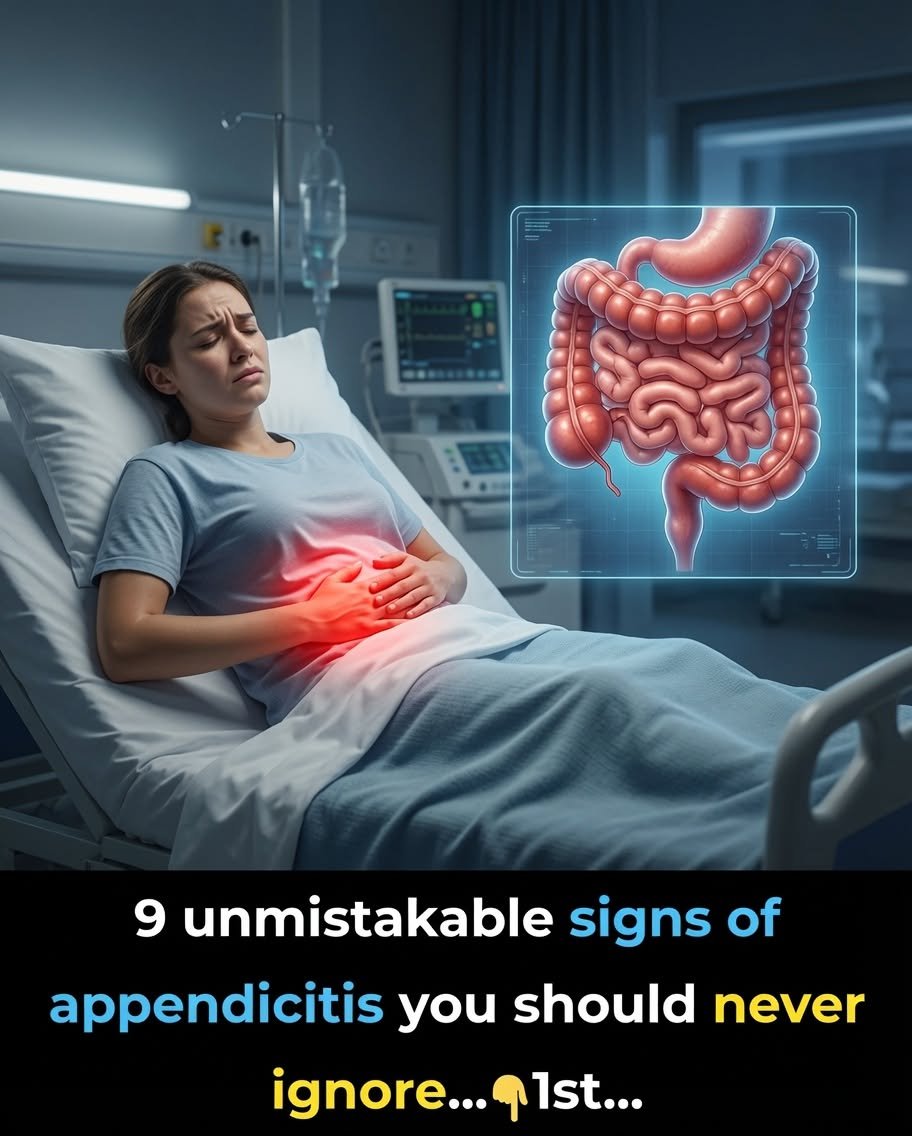
    Appendicitis happens when the appendix becomes inflamed, and it can develop quickly. Recognizing possible early symptoms matters because untreated appendicitis can lead to complications such as a ruptured appendix and serious infection. Nine symptoms that may occur include 1) abdominal pain that often begins around the belly button, 2) pain that moves toward the lower-right abdomen, 3) worsening pain with movement or coughing, 4) loss of appetite, 5) nausea, 6) vomiting, 7) fever, 8) abdominal swelling or tenderness, and 9) constipation or diarrhea. According to the National Institute of Diabetes and Digestive and Kidney Diseases, abdominal pain is the most common symptom, often becoming more severe and eventually moving toward the lower-right side. (niddk.nih.gov) Not everyone experiences all of these symptoms, and children, pregnant women, and older adults can sometimes have less typical symptoms.

    The pattern of pain can be especially important. Appendicitis pain may initially feel vague around the middle of the abdomen before becoming more localized, particularly in the lower-right area. The pain can worsen with walking, coughing, sneezing, or other movement. (medlineplus.gov) Nausea, vomiting, fever, appetite loss, and changes in bowel movements may accompany the pain. However, these symptoms can also occur with food poisoning, stomach infections, constipation, kidney stones, urinary problems, or other abdominal conditions. That is why attempting to diagnose appendicitis solely from an online symptom list can be dangerous. A healthcare professional may perform an abdominal examination and use blood tests, urine testing, ultrasound, CT, or other imaging depending on the person’s age and circumstances. (niddk.nih.gov)

    If you develop increasing or severe abdominal pain, especially pain that becomes concentrated in the lower-right abdomen, seek prompt medical evaluation rather than waiting for symptoms to disappear. Appendicitis is considered a medical emergency because the appendix can rupture, potentially spreading infection throughout the abdominal cavity. (nhs.uk) Avoid relying on home remedies, laxatives, or pain-treatment strategies to delay evaluation when appendicitis is suspected. Disclaimer: This article is for general educational and informational purposes only and does not constitute medical diagnosis, treatment, or personalized health advice. These nine symptoms can occur with many different conditions and do not prove that someone has appendicitis. Symptoms can vary considerably, especially in children, older adults, and pregnant people. Online health information may be exaggerated, incomplete, or unauthenticated, so always verify important medical information through reliable sources and seek professional medical assessment for concerning or worsening abdominal symptoms.

  • 9-Year-Old Boy Found With 56 Stones in His Abdomen — What Doctors Say About the Possible Cause

    9-Year-Old Boy Found With 56 Stones in His Abdomen — What Doctors Say About the Possible Cause

    A report describing a child with 56 urinary stones is certainly alarming, but the exact details of the viral story should be treated cautiously. One published report describes a 12-year-old boy in India whose family and a homeopathic practitioner claimed that 56 stones had passed after treatment; this is not the same as a medically verified case of a 9-year-old having 56 stones removed from his abdomen. Kidney and urinary stones in children can occur for several reasons, including inadequate fluid intake, dietary patterns, urinary infections, metabolic abnormalities, genetic factors, and excessive concentrations of stone-forming substances in the urine. Pediatric stone disease therefore should not be blamed on one ordinary food or drink without proper medical evidence.

    One important factor is hydration. When children do not drink enough water, urine becomes more concentrated, which can make it easier for crystals to form. High dietary sodium, certain nutritional patterns, metabolic conditions, and family history can also influence stone risk. A clinical nutrition guideline published in Pakistan explains that urinary stones develop when crystal-forming substances such as calcium, oxalate, phosphate, sodium, or uric acid become excessively concentrated, while low urine volume can increase the risk. This is why a headline suggesting that something a mother “gave every day” directly caused dozens of stones can be misleading. Even when diet contributes, kidney-stone formation is usually multifactorial, and proper evaluation may involve urine testing, blood tests, imaging, and analysis of the stone itself.

    Parents should pay attention to possible symptoms such as severe pain in the back, side, or abdomen, painful urination, blood in the urine, nausea, vomiting, fever, or difficulty passing urine. A child experiencing these symptoms should be evaluated by a qualified healthcare professional rather than treated with internet remedies or unverified supplements. Children with recurrent stones may need specialist assessment to identify underlying causes and reduce the chance of recurrence. Most importantly, parents should not unnecessarily eliminate nutritious foods based on a dramatic social-media story. Disclaimer: This article is for general educational and informational purposes only and does not constitute medical diagnosis, treatment, or personalized dietary advice. The specific viral claim in the headline could not be independently verified from reliable medical reporting, and the cause of any individual child’s kidney stones cannot be established from a headline alone. Health claims online may be exaggerated, misleading, or unauthenticated, so always verify important information through reliable medical sources and consult a qualified pediatrician or specialist.

  • Here’s What Really Happens to Your Body If You Eat Cucumbers Every Day

    Here’s What Really Happens to Your Body If You Eat Cucumbers Every Day

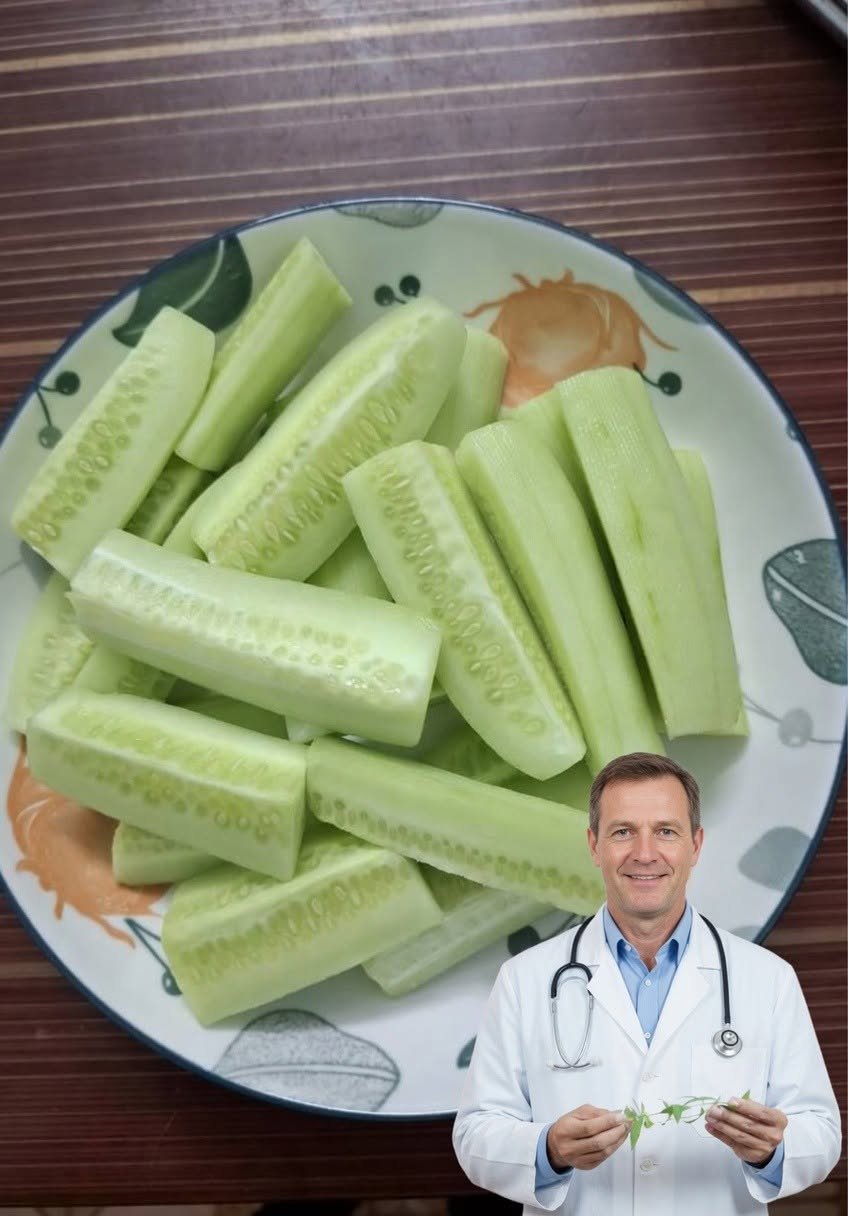
    Eating cucumbers every day can be a simple way to add water, fiber, vitamins, minerals, and plant compounds to your diet. Cucumbers are naturally low in calories and contain a high proportion of water, making them a refreshing option for people looking to include more vegetables in their meals. They also provide vitamin K, which contributes to normal blood clotting and bone health, along with smaller amounts of vitamin C, potassium, magnesium, and other nutrients. Because of their water and fiber content, cucumbers may also contribute to normal hydration and digestive regularity. However, they should not be viewed as a miracle food: eating cucumbers alone cannot “detox” the body, burn fat, or cure disease. Their greatest nutritional value comes from being part of a varied eating pattern that includes different vegetables, fruits, whole grains, legumes, and appropriate protein sources. (fdc.nal.usda.gov)

    Regular cucumber consumption may also make it easier to replace less nutritious snacks or side dishes with a fresh vegetable. Eating cucumbers with their skin provides more fiber and plant compounds than eating only the peeled portion, although washing fresh produce thoroughly is important. Their high water content can contribute to overall fluid intake, but cucumbers should not replace drinking water when you are thirsty or physically active. Some people may experience bloating, burping, or digestive discomfort after eating large amounts, particularly if they are sensitive to certain foods. Another consideration is preparation: plain cucumber is naturally low in sodium, while pickled cucumbers can contain substantially more sodium depending on the recipe and processing method. People following sodium-restricted diets should therefore pay attention to the difference between fresh cucumbers and heavily salted pickles.

    The best approach is to enjoy cucumbers regularly without expecting dramatic overnight changes. Add fresh slices to salads, sandwiches, yogurt-based dishes, or meals, and combine them with other colorful vegetables to increase dietary variety. If you have a medical condition requiring restrictions on potassium, fluids, or certain foods, your individual diet may need to be adjusted with professional guidance. A healthy eating pattern is about the overall combination of foods rather than relying on one ingredient. Disclaimer: This article is for general educational and informational purposes only and does not constitute medical diagnosis, treatment, or personalized nutritional advice. Eating cucumbers daily is generally compatible with a balanced diet, but individual responses and dietary requirements vary. Claims that cucumbers can independently cure disease, detoxify the body, or produce dramatic weight loss may be exaggerated, misleading, or unauthenticated. Always verify important health information through reliable sources and consult a qualified healthcare professional for personalized advice.

  • Banana Before Bed — Good for You or a Bad Idea? Here’s What Research Says

    Banana Before Bed — Good for You or a Bad Idea? Here’s What Research Says

    Eating a banana before bed is generally neither a bad habit nor a guaranteed sleep remedy. Bananas provide carbohydrates, fiber, vitamin B6, potassium, magnesium, and small amounts of tryptophan—nutrients that have been investigated for their possible relationship with sleep and relaxation. One medium banana contains about 420 mg of potassium, although it should not be considered a complete source of your daily potassium needs. The idea that bananas may support sleep is biologically plausible because tryptophan is involved in the production of serotonin and melatonin, while vitamin B6 participates in related metabolic processes. However, having these nutrients in a banana does not automatically mean that eating one will make everyone sleep better.

    Interestingly, a small 2024 clinical study investigated bedtime banana consumption in adults with primary insomnia. Participants who consumed a portion of banana at bedtime for six weeks showed improvements in subjective sleep-quality scores compared with their baseline. However, the study included only 21 participants, the groups were not randomly assigned, and the researchers themselves called for further studies. This means the results are interesting but not strong enough to claim that bananas are a proven treatment for insomnia. Research on magnesium and sleep is also mixed: a systematic review found observational associations between magnesium status and sleep, while randomized trials produced contradictory results. So if you enjoy a banana in the evening, there is no strong reason for most healthy people to avoid it, but it should be viewed as a nutritious snack rather than a sleep medication.

    For most people, a reasonable portion of banana before bed can fit comfortably into a balanced diet, especially if hunger is keeping you awake. You can eat it alone or combine it with a modest serving of another nutritious food, depending on your dietary needs. However, people with diabetes may need to consider carbohydrate portions and their individual blood-glucose response, while people with certain kidney conditions may need to monitor potassium intake. If you regularly struggle to fall asleep, wake frequently, or remain tired despite getting enough time in bed, changing your evening snack alone may not address the underlying issue. Disclaimer: This article is for general educational and informational purposes only and does not constitute medical diagnosis, treatment, or personalized nutritional advice. Evidence regarding bananas and sleep is still limited, and the available clinical research is small. Health claims online may be exaggerated, misleading, or unauthenticated, so always verify important information through reliable medical sources and consult a qualified healthcare professional for personalized advice.

  • Feeling Your Heart Pound While Resting? Here’s What Your Body May Be Telling You

    Feeling Your Heart Pound While Resting? Here’s What Your Body May Be Telling You

    Feeling your heart pound, race, flutter, or seem to skip a beat while you are resting is commonly described as a heart palpitation. Although the sensation can be frightening, palpitations are often harmless and may happen for reasons that have nothing to do with serious heart disease. Common triggers include stress or anxiety, lack of sleep, caffeine, nicotine, certain medications, dehydration, and strenuous exercise. (nhs.uk) However, palpitations can sometimes be associated with anemia, an overactive thyroid, or an abnormal heart rhythm such as an arrhythmia. The fact that they happen while resting does not automatically make them dangerous; some people simply notice their heartbeat more clearly when they are lying quietly or preparing for sleep. (nhs.uk)

    Pay attention to how often the sensation occurs, how long it lasts, and whether other symptoms appear at the same time. Occasional palpitations lasting only a few seconds may not require treatment, but repeatedly occurring episodes, episodes that are becoming more frequent, or palpitations lasting several minutes should be discussed with a healthcare professional. An ECG may be used to examine the heart’s electrical activity, and additional monitoring or blood tests may be recommended depending on the circumstances. (nhs.uk) An irregular heartbeat can sometimes be related to conditions such as atrial fibrillation, which is important to identify because certain heart-rhythm disorders can increase the risk of complications, including stroke. (heart.org) Keeping a record of when palpitations occur and what you consumed or were doing beforehand can also provide useful information for your doctor.

    Most importantly, do not ignore palpitations accompanied by chest pain or pressure, significant shortness of breath, severe dizziness, or fainting. These combinations can indicate a potentially serious cardiovascular problem and require urgent medical attention. (nhs.uk) If your symptoms are recurrent but not an emergency, arrange a medical evaluation rather than trying to diagnose the cause yourself. Reducing known triggers such as excessive caffeine, improving sleep, staying adequately hydrated, and managing stress may help some people, but these steps should not replace professional assessment when symptoms persist. Disclaimer: This article is for general educational and informational purposes only and does not constitute medical diagnosis, treatment, or personalized health advice. Heart palpitations have many possible causes, and feeling your heart pound does not automatically mean you have heart disease. Online health claims may be exaggerated, misleading, or unauthenticated, so always verify important information through reliable medical sources and consult a qualified healthcare professional. If palpitations occur with chest pain, severe breathing difficulty, dizziness, or fainting, seek emergency medical care immediately.

  • Doctors Warn About a Common Water Container Still Used at Home

    Doctors Warn About a Common Water Container Still Used at Home

    One everyday household item that deserves more attention is the reusable water bottle or plastic water container. These containers can be perfectly suitable for drinking water when they are designed for food use and properly maintained, but problems can arise when people repeatedly use them without cleaning them thoroughly. Moist environments can allow bacteria and mold to build up, particularly around bottle caps, straws, seals, threads, and other difficult-to-reach areas. Cleveland Clinic experts recommend washing reusable bottles with soap and water regularly rather than simply rinsing them. The CDC also recommends using durable containers that can be tightly covered and cleaned regularly when storing drinking water.

    Another concern is how and where plastic containers are used. Not every plastic container is designed for repeated storage, hot liquids, or heating. The FDA explains that food-contact materials are evaluated for their intended uses, and misuse—particularly exposure to conditions they were not designed for—can create different considerations. For example, the USDA warns against heating food in containers that were intended only for cold storage because excessive heat can increase chemical migration from unsuitable packaging. If you use a reusable plastic bottle, check the manufacturer’s instructions, avoid exposing it to unnecessary heat, replace it when it becomes badly scratched, cracked, or damaged, and clean removable components carefully. There is also no need to panic about every plastic container: the FDA’s current assessment supports the safety of BPA in currently approved food-contact uses.

    The simplest solution is good container hygiene and appropriate use, rather than immediately throwing away every plastic bottle in the house. Wash reusable bottles thoroughly, allow them to dry completely, keep stored water covered, and avoid leaving containers in direct sunlight or very hot locations. If a bottle develops an unusual odor, visible mold, cracks, or persistent residue that cannot be cleaned, replacing it is sensible. For long-term household water storage, choose a container specifically designed for drinking-water storage rather than reusing containers that previously held chemicals or other hazardous substances. Disclaimer: This article is for general educational and informational purposes only and does not constitute medical or product-safety advice. Not every plastic water container is unsafe, and claims that ordinary plastic bottles automatically cause serious diseases may be exaggerated, misleading, or unauthenticated. Always follow the manufacturer’s instructions and verify important health and safety information through reliable sources.

  • Here Are the First Symptoms of… See More

    Here Are the First Symptoms of… See More

    When a health problem is just beginning, the body may sometimes produce subtle changes that are easy to dismiss. Depending on the condition, early symptoms can include unusual or persistent fatigue, unexplained weight changes, recurring headaches, digestive changes, ongoing cough, shortness of breath, dizziness, changes in urination, unusual pain, or a new lump or swelling. However, these symptoms are not specific to one disease and can occur with many common and treatable conditions. What matters most is the pattern: symptoms that are new, persistent, recurring, unexplained, or gradually becoming worse deserve attention rather than being automatically dismissed.

    Some warning signs require faster medical attention. Chest pain or pressure, significant difficulty breathing, fainting, sudden confusion, sudden weakness or numbness, difficulty speaking, sudden vision changes, severe bleeding, or sudden severe pain can indicate a medical emergency. For less urgent symptoms, keeping track of when they started, how frequently they occur, what makes them better or worse, and whether other symptoms appear at the same time can help a healthcare professional understand what may be happening. Avoid diagnosing yourself based solely on social-media lists, because many different illnesses can produce similar symptoms and some conditions cause few noticeable symptoms in their early stages.

    The safest approach is to pay attention to changes without immediately assuming the worst. If a symptom continues longer than expected, repeatedly returns, interferes with daily activities, or is accompanied by other concerning changes, arrange an appointment with a qualified healthcare professional. Early assessment can sometimes identify a problem before it becomes more complicated, while reassurance from a professional can also prevent unnecessary anxiety. Disclaimer: This article is for general educational and informational purposes only and does not constitute medical diagnosis, treatment, or personalized health advice. Because the original headline does not identify a specific condition, the symptoms discussed here are general warning signs rather than symptoms of one particular disease. Online health claims may be exaggerated, misleading, or unauthenticated, so always verify important information through reliable medical sources and consult a qualified healthcare professional.

  • With Just This Little Tip, Your Clothes Will Be Sparkling Clean

    With Just This Little Tip, Your Clothes Will Be Sparkling Clean

    Keeping clothes fresh and bright does not always require expensive laundry products. One simple habit is to avoid overloading your washing machine. When clothes are packed too tightly into the drum, detergent and water may not circulate effectively, which can leave dirt, sweat, and detergent residue behind. A better approach is to follow the washing machine manufacturer’s recommended load size and choose the correct cycle for the fabric. Using the right amount of detergent is equally important—more detergent does not necessarily mean cleaner clothes and can sometimes leave residue on fabrics. The American Cleaning Institute recommends following detergent dosing instructions and considering factors such as load size, water hardness, and soil level when doing laundry. (cleaninginstitute.org)

    For noticeably fresher laundry, pay attention to water temperature, sorting, and stains. Check clothing labels before selecting hot, warm, or cold water because some fabrics can shrink, fade, or become damaged by excessive heat. Separating heavily soiled items from lightly worn clothing can also improve results. For stains, treating the affected area before washing may be more effective than simply adding extra detergent to the entire load. Don’t let wet clothes sit inside the washer for extended periods after a cycle finishes, because moisture can encourage unpleasant odors. Cleaning the washing machine itself periodically is also useful because detergent buildup, residue, and moisture can contribute to smells that transfer back onto clothes. (whirlpool.com)

    The “little tip” is therefore simple: give your clothes enough room to move, use the correct amount of detergent, and choose the right cycle for the fabric. These habits can improve washing performance while helping clothes maintain their appearance for longer. If you use any stain remover, bleach, or other laundry chemical, always read the label carefully and never mix cleaning chemicals unless the manufacturer specifically says it is safe. Some combinations can produce dangerous fumes. Disclaimer: This article is for general educational purposes only and does not guarantee that every stain or fabric will respond in the same way. Laundry results depend on the fabric, detergent, water quality, washing machine, and type of stain. Viral cleaning tips may be exaggerated or unauthenticated, so always verify important instructions through reliable sources and follow the care labels on your clothing and the manufacturer’s guidance for your washing machine.

  • Did You Know That When a Slug Visits Your House, It May Mean You Have…?

    Did You Know That When a Slug Visits Your House, It May Mean You Have…?

    Finding a slug inside your home can certainly be surprising, but it does not mean your house has something mysterious or dangerous hiding inside. In most cases, a slug entering a home may simply indicate that the surrounding environment is cool, damp, and sheltered. Slugs require moisture to survive and are especially active during wet weather, at night, or in areas protected from drying conditions. If you notice one near a doorway, basement, porch, bathroom, or other damp location, it may have entered through a small gap or crack while searching for moisture or shelter. Slugs are not actually insects; they are soft-bodied mollusks related to snails. Their presence alone does not prove that your home is dirty or unhealthy.

    Repeated sightings, however, may be a useful reason to check for excess moisture around the property. Look around foundations, crawl spaces, basement areas, doors, windows, leaking pipes, downspouts, and areas where water collects. Extension experts note that slugs thrive in moist, shaded environments and that damp conditions around a home can make these areas more attractive to them. Outdoors, piles of leaves, decaying vegetation, boards, stones, thick mulch, and other sheltered materials can provide hiding places. Inside the home, sealing gaps around doors and windows and addressing moisture problems can reduce opportunities for slugs to enter. If you repeatedly see slime trails or several slugs, investigate the surrounding environment rather than assuming the animal itself is the main problem.

    The good news is that one slug does not automatically mean you have an infestation. Start by removing the slug safely, checking where it may have entered, improving drainage, reducing unnecessary moisture, and clearing outdoor hiding places close to the house. If you discover persistent dampness, mold, leaks, or structural moisture problems, addressing the underlying issue is more important than simply removing individual slugs. Disclaimer: This article is for general educational and informational purposes only and does not constitute professional pest-control, medical, or home-inspection advice. A slug inside your house does not prove that you have mold, poor hygiene, disease, or another serious problem. Online claims about what a slug “means” may be exaggerated, misleading, or unauthenticated, so always verify important information through reliable agricultural, pest-control, or home-maintenance sources.