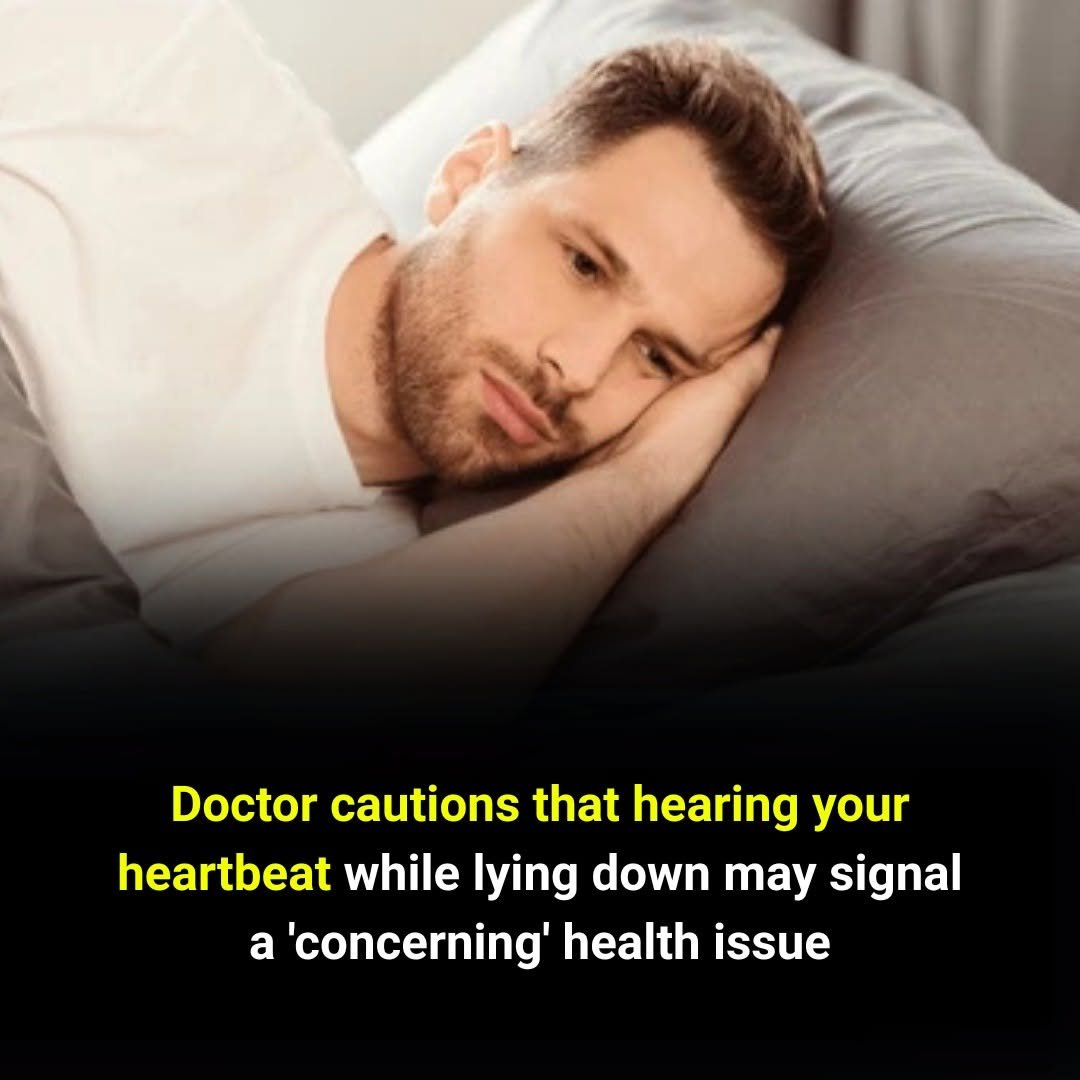
Feeling your heart pound, race, flutter, or seem to skip a beat while you are resting is commonly described as a heart palpitation. Although the sensation can be frightening, palpitations are often harmless and may happen for reasons that have nothing to do with serious heart disease. Common triggers include stress or anxiety, lack of sleep, caffeine, nicotine, certain medications, dehydration, and strenuous exercise. (nhs.uk) However, palpitations can sometimes be associated with anemia, an overactive thyroid, or an abnormal heart rhythm such as an arrhythmia. The fact that they happen while resting does not automatically make them dangerous; some people simply notice their heartbeat more clearly when they are lying quietly or preparing for sleep. (nhs.uk)
Pay attention to how often the sensation occurs, how long it lasts, and whether other symptoms appear at the same time. Occasional palpitations lasting only a few seconds may not require treatment, but repeatedly occurring episodes, episodes that are becoming more frequent, or palpitations lasting several minutes should be discussed with a healthcare professional. An ECG may be used to examine the heart’s electrical activity, and additional monitoring or blood tests may be recommended depending on the circumstances. (nhs.uk) An irregular heartbeat can sometimes be related to conditions such as atrial fibrillation, which is important to identify because certain heart-rhythm disorders can increase the risk of complications, including stroke. (heart.org) Keeping a record of when palpitations occur and what you consumed or were doing beforehand can also provide useful information for your doctor.
Most importantly, do not ignore palpitations accompanied by chest pain or pressure, significant shortness of breath, severe dizziness, or fainting. These combinations can indicate a potentially serious cardiovascular problem and require urgent medical attention. (nhs.uk) If your symptoms are recurrent but not an emergency, arrange a medical evaluation rather than trying to diagnose the cause yourself. Reducing known triggers such as excessive caffeine, improving sleep, staying adequately hydrated, and managing stress may help some people, but these steps should not replace professional assessment when symptoms persist. Disclaimer: This article is for general educational and informational purposes only and does not constitute medical diagnosis, treatment, or personalized health advice. Heart palpitations have many possible causes, and feeling your heart pound does not automatically mean you have heart disease. Online health claims may be exaggerated, misleading, or unauthenticated, so always verify important information through reliable medical sources and consult a qualified healthcare professional. If palpitations occur with chest pain, severe breathing difficulty, dizziness, or fainting, seek emergency medical care immediately.
Leave a Reply