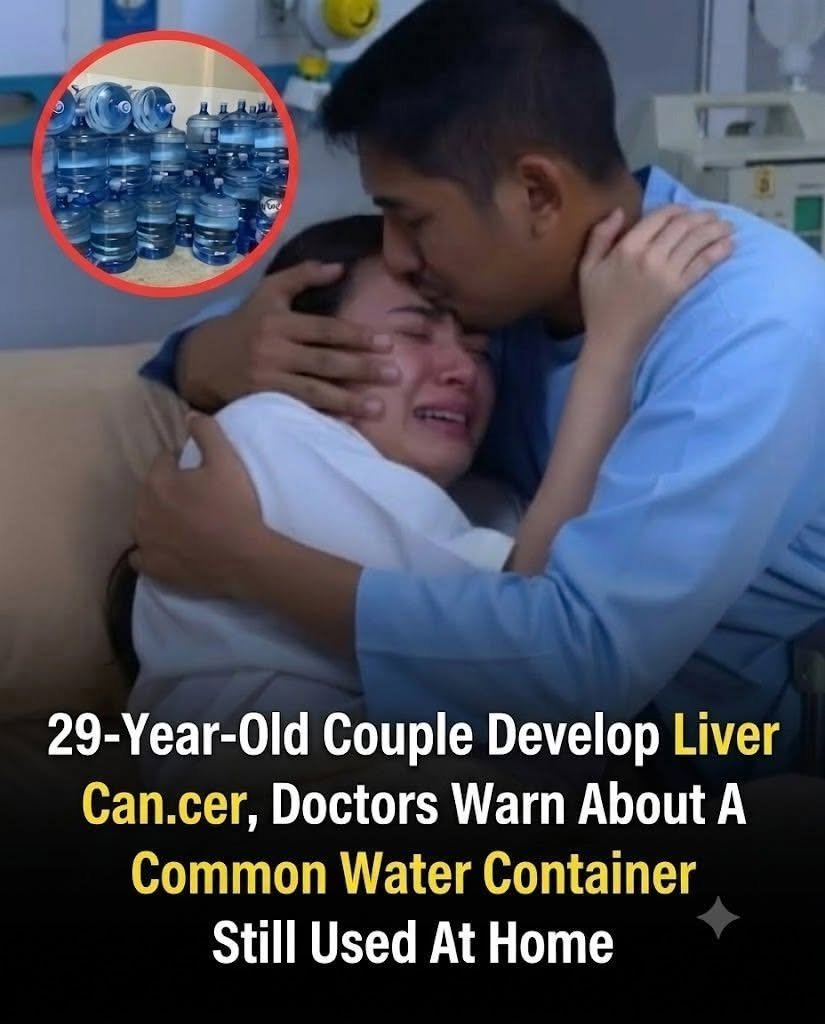
One everyday household item that deserves more attention is the reusable water bottle or plastic water container. These containers can be perfectly suitable for drinking water when they are designed for food use and properly maintained, but problems can arise when people repeatedly use them without cleaning them thoroughly. Moist environments can allow bacteria and mold to build up, particularly around bottle caps, straws, seals, threads, and other difficult-to-reach areas. Cleveland Clinic experts recommend washing reusable bottles with soap and water regularly rather than simply rinsing them. The CDC also recommends using durable containers that can be tightly covered and cleaned regularly when storing drinking water.
Another concern is how and where plastic containers are used. Not every plastic container is designed for repeated storage, hot liquids, or heating. The FDA explains that food-contact materials are evaluated for their intended uses, and misuse—particularly exposure to conditions they were not designed for—can create different considerations. For example, the USDA warns against heating food in containers that were intended only for cold storage because excessive heat can increase chemical migration from unsuitable packaging. If you use a reusable plastic bottle, check the manufacturer’s instructions, avoid exposing it to unnecessary heat, replace it when it becomes badly scratched, cracked, or damaged, and clean removable components carefully. There is also no need to panic about every plastic container: the FDA’s current assessment supports the safety of BPA in currently approved food-contact uses.
The simplest solution is good container hygiene and appropriate use, rather than immediately throwing away every plastic bottle in the house. Wash reusable bottles thoroughly, allow them to dry completely, keep stored water covered, and avoid leaving containers in direct sunlight or very hot locations. If a bottle develops an unusual odor, visible mold, cracks, or persistent residue that cannot be cleaned, replacing it is sensible. For long-term household water storage, choose a container specifically designed for drinking-water storage rather than reusing containers that previously held chemicals or other hazardous substances. Disclaimer: This article is for general educational and informational purposes only and does not constitute medical or product-safety advice. Not every plastic water container is unsafe, and claims that ordinary plastic bottles automatically cause serious diseases may be exaggerated, misleading, or unauthenticated. Always follow the manufacturer’s instructions and verify important health and safety information through reliable sources.
Leave a Reply