Blog

  • 70-Year-Old Man Drinks Lemon Water to Treat High Blood Pressure for 2 Years — The Unexpected Outcome

    70-Year-Old Man Drinks Lemon Water to Treat High Blood Pressure for 2 Years — The Unexpected Outcome

    A daily glass of lemon water can be a refreshing way to increase fluid intake and add flavor without relying on sugary drinks, but it should not be considered a proven treatment for high blood pressure. A dramatic story about a 70-year-old man drinking lemon water for two years may sound convincing, yet an individual’s outcome cannot establish that lemon water caused a particular improvement or complication. Current hypertension guidance focuses on evidence-based strategies such as a heart-healthy eating pattern, reducing sodium, maintaining a healthy weight, physical activity, managing stress, adequate sleep, and medication when appropriate. High blood pressure is also frequently “silent,” meaning a person may feel completely well even while their blood pressure remains elevated, which makes regular monitoring especially important.

    The potential problem arises when someone replaces appropriate medical treatment with a home remedy. Lemon contains vitamin C and other nutrients, but there is no good evidence that lemon water alone can reliably bring clinically significant hypertension under control. For a 70-year-old who has been diagnosed with hypertension, stopping or avoiding prescribed medication because a natural drink seems to work can allow blood pressure to remain dangerously high. The 2025 American Heart Association guideline emphasizes lifestyle measures alongside medication when indicated, with treatment decisions based on blood-pressure levels and overall cardiovascular risk. A sensible approach is to enjoy lemon water if desired while continuing prescribed treatment, checking blood pressure regularly, and discussing persistent high readings with a healthcare professional rather than attempting to manage hypertension through one food or beverage.

    The real “unexpected outcome” in such stories may simply be that the remedy was never the treatment the person actually needed. Long-term uncontrolled hypertension can increase the risk of stroke, heart attack, heart failure, kidney disease, and other serious complications. If a blood-pressure reading is repeatedly very high, it should not be ignored simply because the person feels normal. And if blood pressure is above 180/120 mm Hg along with symptoms such as chest pain, difficulty breathing, weakness or numbness, vision changes, severe headache, or trouble speaking, urgent medical attention is required. Disclaimer: This article is for general educational and informational purposes only and does not constitute medical diagnosis, treatment, or personalized health advice. The specific 70-year-old man’s story cannot be independently used to establish a cause-and-effect relationship between lemon water and his health outcome. Online health claims may be exaggerated, misleading, or unauthenticated, so important information should always be verified through reliable medical sources and a qualified healthcare professional.

  • What Happens If You Eat One Banana Every Day After 50

    What Happens If You Eat One Banana Every Day After 50

    Eating one banana a day after age 50 can be a simple way to add useful nutrients to your diet. Bananas provide carbohydrates for energy, dietary fiber, vitamin B6, vitamin C, and potassium. Potassium is particularly important because it supports normal muscle contraction, nerve function, and heart activity. A medium banana provides roughly 420 mg of potassium, although individual amounts vary by size. (ods.od.nih.gov) The fruit’s fiber can also contribute to normal bowel function and help you feel satisfied between meals. For older adults, maintaining a varied diet containing fruits, vegetables, whole grains, protein foods, and healthy fats is generally more important than focusing on any single “superfood.”

    Another potential advantage is that bananas are convenient and easy to include in everyday meals. They can be eaten alone, added to oatmeal or yogurt, or paired with nuts or other protein-rich foods for a more balanced snack. Less-ripe bananas contain more resistant starch, a type of carbohydrate that reaches the large intestine and can be fermented by gut bacteria, while ripening converts more of the starch into sugars and makes the fruit sweeter. (Harvard T.H. Chan School of Public Health) However, eating a banana every day does not automatically lower blood pressure, prevent heart disease, improve memory, or cause weight loss. Those outcomes depend on your overall eating pattern, activity level, sleep, medications, and existing health conditions. Portion size also matters if you are monitoring calories or carbohydrates.

    There is one important reason some adults over 50 may need individualized advice: kidney function can change with age, and people with chronic kidney disease may need to monitor potassium intake. The National Kidney Foundation explains that people with kidney disease may be advised to adjust potassium-rich foods depending on their blood potassium levels and stage of disease. (kidney.org) People taking certain medications that raise potassium may also need professional guidance. For otherwise healthy adults, however, a banana can comfortably fit into a balanced diet. Disclaimer: This article is for general educational and informational purposes only and does not constitute medical diagnosis, treatment, or personalized nutritional advice. Eating one banana daily does not guarantee specific health benefits, and individual dietary needs vary. Health claims found online may be exaggerated, misleading, or unauthenticated, so always verify important information through reliable medical sources and consult a qualified healthcare professional if you have kidney disease, diabetes, or other dietary concerns.

  • 5 Possible Early Signs of Cancer Experts Say You Shouldn’t Ignore

    5 Possible Early Signs of Cancer Experts Say You Shouldn’t Ignore

    Cancer can sometimes cause changes that are easy to dismiss, but having one of these symptoms does not mean you have cancer. Many are much more commonly caused by infections, injuries, hormonal changes, medications, or other non-cancerous conditions. Still, five possible warning signs worth discussing with a healthcare professional are 1) unexplained weight loss, 2) persistent or unusual fatigue, 3) a new lump or swelling, 4) unexplained bleeding or bruising, and 5) a persistent change in bowel or bladder habits. The National Cancer Institute notes that cancer may cause symptoms such as unexplained weight changes, severe lasting fatigue, lumps, unusual bleeding, and bowel or bladder changes.

    Pay particular attention when a symptom is new, persistent, worsening, or difficult to explain. For example, a lump that continues to grow, blood in the stool or urine, a cough or hoarseness that does not go away, or a bowel habit that remains altered for weeks deserves medical evaluation. Skin changes can also be important, especially a new mole or a noticeable change in an existing mole or a sore that does not heal. However, it is important not to jump to conclusions: the NCI emphasizes that symptoms associated with cancer are often caused by other illnesses or benign conditions. A healthcare professional may need an examination, laboratory tests, imaging, or other investigations to determine the actual cause.

    The best approach is awareness without unnecessary fear. If a concerning change lasts for several weeks, becomes worse, or repeatedly returns, make an appointment with a qualified healthcare professional rather than relying on online symptom checklists. Regular screening is also important because certain cancers can sometimes be detected before symptoms appear, and recommended screening varies according to factors such as age, sex, family history, and individual risk. Disclaimer: This article is for general educational and informational purposes only and does not constitute medical diagnosis, treatment, or personalized health advice. These five signs are not proof of cancer, and many have more common non-cancerous explanations. Online health claims may be exaggerated, misleading, or unauthenticated, so always verify important information through reliable medical sources and consult a qualified healthcare professional about persistent or concerning symptoms.

  • What Can Cause Groin Pain? Here’s What You Should Know

    What Can Cause Groin Pain? Here’s What You Should Know

    Groin pain can have many causes, ranging from a simple muscle strain to conditions that require medical attention. One of the most common causes is a strain involving the muscles, tendons, or ligaments around the inner thigh and groin, particularly after running, sports, sudden movements, heavy lifting, or overstretching. Other possible causes include hip or joint problems, tendon inflammation, stress injuries, and nerve irritation. (Mayo Clinic) Sometimes the discomfort isn’t actually coming from the muscles. An inguinal hernia, for example, can produce aching, pressure, burning, or a noticeable bulge in the groin, particularly when coughing, bending, or lifting. (Mayo Clinic)

    Groin pain can also be connected to problems involving the urinary system, reproductive organs, or nearby structures. Kidney stones and urinary tract infections may cause pain that spreads toward the groin, while inflammation of structures around the testicles can produce discomfort in the groin or scrotum. In males, sudden and severe testicular pain is particularly important because testicular torsion can cut off the testicle’s blood supply and requires urgent treatment. (Mayo Clinic) The location, timing, severity, and accompanying symptoms can help a healthcare professional narrow down the possible cause. A physical examination may be enough in some cases, while imaging or laboratory testing may be needed when the diagnosis is uncertain.

    Don’t ignore severe or worsening groin pain, especially if it occurs with a new lump or swelling, fever, vomiting, blood in the urine, significant abdominal or back pain, or sudden severe testicular pain. (Mayo Clinic) If a painful groin bulge becomes red, purple, or dark, or is accompanied by nausea, vomiting, or an inability to pass stool or gas, urgent medical assessment is particularly important because a trapped or strangulated hernia can become life-threatening. (Mayo Clinic) For a mild suspected muscle strain, temporarily reducing strenuous activity and allowing the area to recover may help, but persistent or worsening pain should be evaluated. Disclaimer: This article is for general educational and informational purposes only and does not constitute medical diagnosis, treatment, or personalized health advice. Groin pain has many possible causes, and symptoms alone cannot establish a diagnosis. Online health claims may be exaggerated, misleading, or unauthenticated, so always verify important information through reliable medical sources and consult a qualified healthcare professional for persistent or concerning symptoms.

  • These Plants May Attract Snakes to Your Yard — Avoid Planting Them Too Close to Your Home

    These Plants May Attract Snakes to Your Yard — Avoid Planting Them Too Close to Your Home

    A lush garden can make a home look beautiful, but certain types of vegetation can create conditions that make a yard more attractive to snakes. It is important to clarify that snakes generally are not attracted to a particular plant because of its smell or because they “love” the plant itself. Instead, dense vegetation can provide shade, moisture, hiding places, and habitat for prey such as rodents, frogs, insects, slugs, and other small animals. Extension specialists specifically recommend being cautious with tall grasses, dense ground cover, heavily overgrown shrubs, climbing vegetation, and thick plant growth close to buildings because these features can make snakes harder to spot and provide shelter.

    If you live in an area where snakes are common, consider keeping ornamental grasses, dense vines, thick shrubbery, large mulch beds, and heavily planted areas farther from doors, windows, children’s play areas, and frequently used walkways. Large rocks, brush piles, fallen branches, and water features can also create attractive shelter or encourage prey animals to visit. Utah State University Extension recommends keeping trees and shrubs trimmed away from the house, maintaining shorter grass, avoiding excessive watering, and limiting landscape features that provide hiding places. Rather than removing every plant from your yard, the goal should be to create a clear, well-maintained zone around the home while keeping desirable vegetation farther away. This approach can reduce potential hiding places without destroying the ecological value of your garden.

    The good news is that seeing a snake does not necessarily mean your garden is unsafe. Many snake species are harmless and can actually help control rodents, slugs, insects, and other garden pests. If you want to discourage snakes around your home, focus on habitat management: mow tall grass, trim vegetation, remove unnecessary debris, store firewood away from the house, control rodents, reduce standing water, and seal gaps around buildings. If you encounter a snake you cannot confidently identify, keep your distance and do not attempt to handle it. Disclaimer: This article is for general educational and gardening purposes only and does not mean that specific plants will automatically attract snakes. Snake behavior varies by species, climate, and local habitat. Online gardening claims may be exaggerated or unauthenticated, so always verify important information through reliable agricultural or university extension sources.

  • Toe Hair May Seem Harmless, But It Can Sometimes Offer Important Health Clues

    Toe Hair May Seem Harmless, But It Can Sometimes Offer Important Health Clues

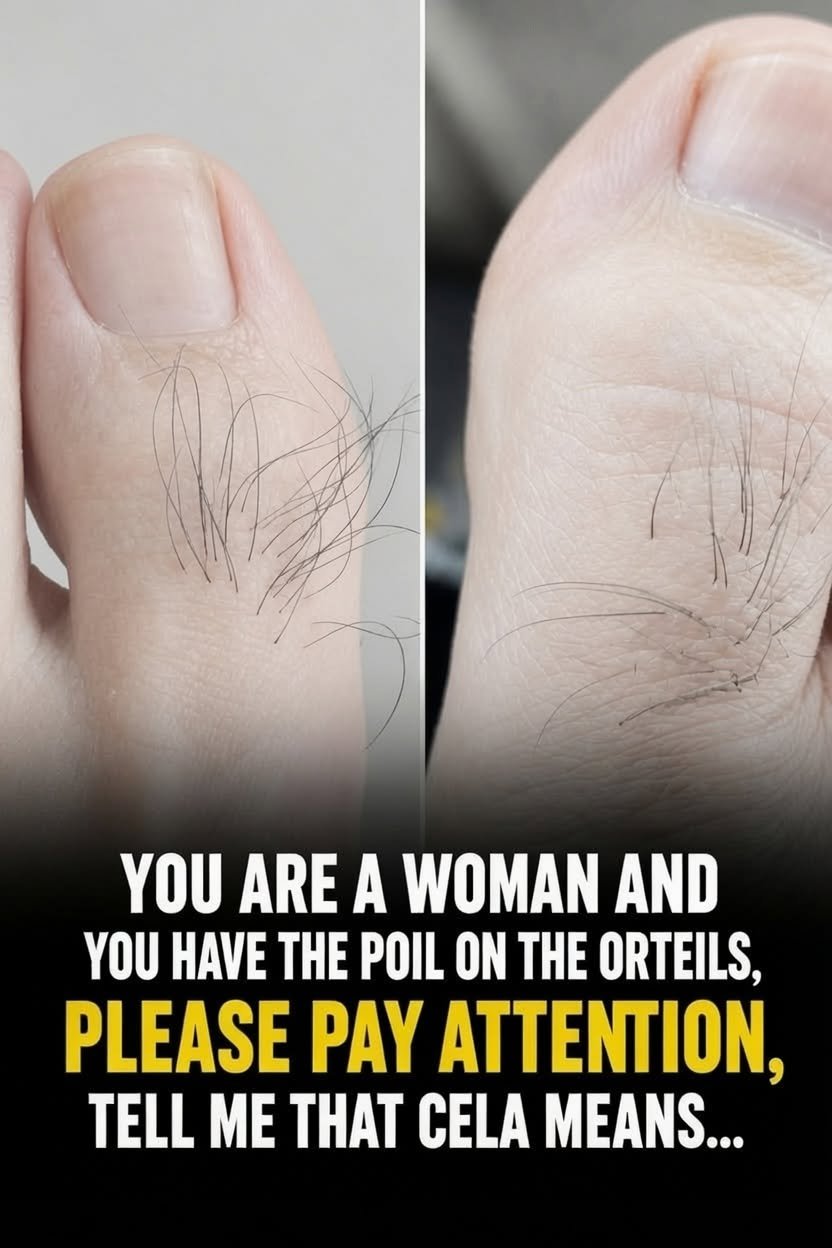
    Hair growing on the toes is usually completely normal and is influenced by genetics, hormones, age, and individual hair-growth patterns. Some people naturally have more body hair than others, and having noticeable hair on the toes does not automatically indicate good or poor health. However, changes in hair growth can sometimes attract attention when they occur alongside other symptoms. For example, a noticeable reduction in hair on the feet or lower legs may occur for several reasons, including aging, hormonal changes, nutritional problems, certain medications, or circulation issues. Peripheral artery disease (PAD) is one condition that can sometimes be associated with reduced hair growth on the legs and feet, particularly when accompanied by other symptoms such as leg pain during walking or cool skin. (nhlbi.nih.gov)

    What matters more than simply having toe hair is a new and unexplained change in the feet or legs. Warning signs that deserve medical attention can include persistent pain or cramping in the calf while walking, numbness or weakness, unusually cold feet, changes in skin color, slow-healing sores, or wounds that repeatedly fail to improve. The American Heart Association notes that PAD can cause symptoms such as leg discomfort during activity, numbness or weakness, coldness in the lower leg or foot, and changes in skin or nail growth. (heart.org) Importantly, hair loss by itself cannot diagnose poor circulation. Many people naturally have sparse leg or toe hair without having any vascular disease.

    The best approach is to consider toe hair as only one small physical characteristic rather than a medical test. If you notice sudden changes in hair growth together with persistent foot pain, discoloration, numbness, swelling, or wounds that do not heal, arrange an evaluation with a qualified healthcare professional. People with diabetes, smoking history, high blood pressure, or high cholesterol may have additional reasons to pay attention to changes in their feet and circulation. Disclaimer: This article is for general educational and informational purposes only and does not constitute medical diagnosis, treatment, or personalized health advice. Toe hair is normally harmless and cannot independently confirm or rule out a health condition. Online health claims may be exaggerated, misleading, or unauthenticated, so always verify important information through reliable medical sources and consult a qualified healthcare professional if you notice persistent or concerning changes.
  • 5 Nose Symptoms That May Be Associated With Underlying Health Conditions

    5 Nose Symptoms That May Be Associated With Underlying Health Conditions

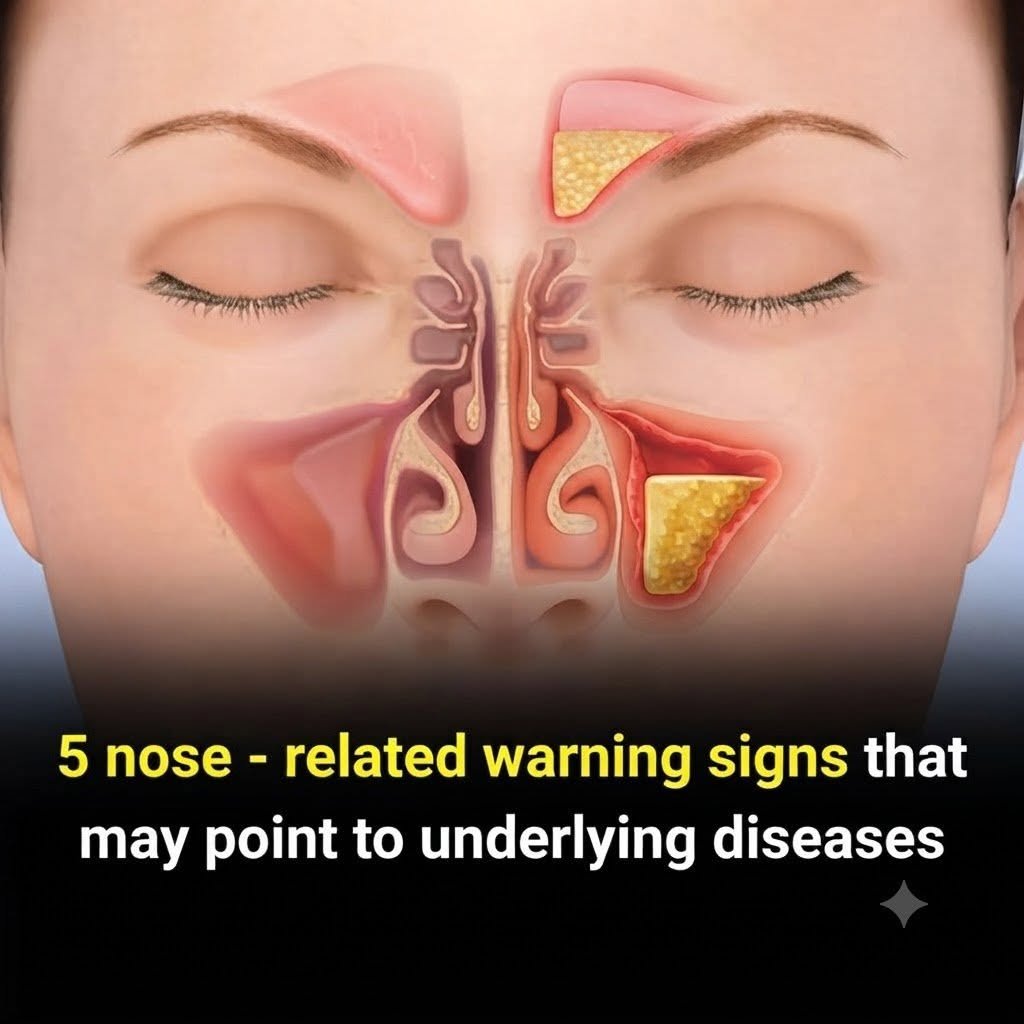
    Your nose can sometimes provide clues about your overall health, although a symptom alone rarely identifies a specific disease. Five changes worth paying attention to are 1) persistent nasal congestion, 2) frequent nosebleeds, 3) reduced or lost sense of smell, 4) persistent nasal discharge, and 5) recurring pain or pressure around the nose and face. Congestion may occur with allergies, viral infections, nasal polyps, or structural problems, while changes in smell can accompany respiratory infections, chronic sinus conditions, or other medical issues. Frequent nosebleeds are commonly related to dry air, irritation, nose picking, or certain medications, but recurrent or unexplained bleeding deserves evaluation. (mayoclinic.org)

    The duration and pattern of these symptoms matter. A blocked nose during a short-term cold is usually very different from congestion that persists for weeks. Likewise, occasional clear nasal discharge can be normal, while persistent discharge accompanied by facial pressure, fever, or worsening symptoms may suggest sinus inflammation or infection. A reduced sense of smell can also have many causes, including allergies, infections, nasal polyps, certain medications, and neurological conditions. (nidcd.nih.gov) Facial pain or pressure around the forehead, cheeks, or nose may occur with sinus problems, but similar discomfort can also be caused by migraine or other conditions. This is why an online symptom list should not be used to diagnose the underlying cause.

    If nasal symptoms are persistent, severe, repeatedly returning, or interfering with breathing, sleep, smell, or daily activities, consider speaking with a healthcare professional. Seek urgent medical attention for heavy nosebleeding that does not stop with appropriate first aid, significant difficulty breathing, severe facial swelling, or other serious symptoms. Keeping track of when symptoms began and whether they are associated with allergies, infections, medications, or environmental triggers can help during an evaluation. Disclaimer: This article is for general educational and informational purposes only and does not constitute medical diagnosis, treatment, or personalized health advice. These five symptoms can have many harmless and treatable causes and do not automatically indicate an underlying serious condition. Online health claims may be exaggerated, misleading, or unauthenticated, so always verify important information through reliable medical sources and consult a qualified healthcare professional for persistent or concerning symptoms.

  • People Who Have This Line on Their Hand Are “Very Special” — But Here’s What Science Says

    People Who Have This Line on Their Hand Are “Very Special” — But Here’s What Science Says

    A particular line on the palm can look unusual or interesting, which is why social media often claims that people who have it are “very special,” unusually intelligent, wealthy, lucky, or destined for success. In palmistry, different palm lines are given symbolic meanings, but these interpretations are part of a traditional belief system rather than scientifically established methods of predicting personality or future events. Palm lines are primarily formed by natural folds in the skin that help the hand bend and move. Their appearance varies considerably between individuals, and having a particular line does not provide reliable evidence about someone’s character, intelligence, relationships, or destiny.

    One palm feature that frequently appears in viral posts is a single transverse palmar crease, sometimes called a simian crease. Instead of having two prominent horizontal creases across the palm, a person may have one crease that extends across much of the hand. This is a normal anatomical variation that some people are born with. It can occur in healthy individuals and, by itself, does not mean that someone is sick or genetically abnormal. Medical professionals may sometimes note unusual palm creases as one small part of a broader physical examination, particularly when other developmental or medical findings are present. Therefore, it would be misleading to claim that anyone with a certain palm line automatically has special abilities or a particular medical condition.

    Your hands can certainly reveal interesting information about anatomy, movement, skin health, and genetics, but palm lines should not be used as a diagnostic tool or a method for predicting someone’s future. If you notice a genuinely new change in your hand—such as a persistent lump, unexplained swelling, discoloration, pain, numbness, or a rapidly changing skin lesion—that is different from simply having a naturally occurring palm crease and may deserve professional evaluation. Disclaimer: This article is for general educational and informational purposes only and does not constitute medical diagnosis, treatment, or scientific personality assessment. Claims that a specific palm line proves someone is unusually lucky, intelligent, wealthy, or “special” are not supported by reliable scientific evidence. Always verify health-related claims through trustworthy medical sources and consult a qualified healthcare professional when you have concerns about a physical change.

  • Doctors Reveal That Eating Eggs in the Morning Causes… See More

    Doctors Reveal That Eating Eggs in the Morning Causes… See More

    Eating eggs in the morning does not automatically cause a dangerous health problem. In fact, eggs provide high-quality protein along with nutrients such as choline, vitamin D, vitamin B12, selenium, and antioxidants including lutein and zeaxanthin. One large egg contains around 6 grams of protein and roughly 70 calories, making it a convenient and filling breakfast choice for many people. The important issue is not simply whether you eat an egg in the morning, but how many you eat, how they are prepared, and what you eat alongside them. Eggs served with vegetables and whole grains are nutritionally very different from a breakfast dominated by eggs, processed meat, butter, and refined carbohydrates.

    The main concern surrounding eggs has traditionally been their dietary cholesterol. A large egg contains about 186–200 mg of cholesterol, mostly in the yolk. However, current evidence has moved away from treating dietary cholesterol as the only factor determining cardiovascular risk. The American Heart Association’s 2026 dietary guidance emphasizes an overall heart-healthy eating pattern, with less saturated fat and more vegetables, fruits, whole grains, healthy protein sources, and unsaturated fats. For many healthy adults, an egg can fit into this pattern. People with high LDL cholesterol, diabetes, existing cardiovascular disease, or other individual risk factors may need more personalized guidance about egg intake.

    So, the real takeaway is that morning eggs are not inherently harmful. Boiled, poached, or lightly cooked eggs paired with vegetables and other nutrient-rich foods can be part of a balanced breakfast. Avoiding excessive butter, processed meats, and other foods high in saturated fat may be more important for cardiovascular health than simply eliminating eggs. If you eat eggs frequently and have concerns about cholesterol or heart health, discussing your diet and cholesterol results with a qualified healthcare professional can help determine what is appropriate for you. Disclaimer: This article is for general educational and informational purposes only and does not constitute medical diagnosis, treatment, or personalized nutritional advice. Eggs affect individuals differently, and health claims online may be exaggerated, misleading, or unauthenticated. Always verify important information through reliable medical sources and consult a qualified healthcare professional for personalized guidance.

  • White Spots on Lips or Intimate Area? Don’t Ignore These Warning Signs

    White Spots on Lips or Intimate Area? Don’t Ignore These Warning Signs

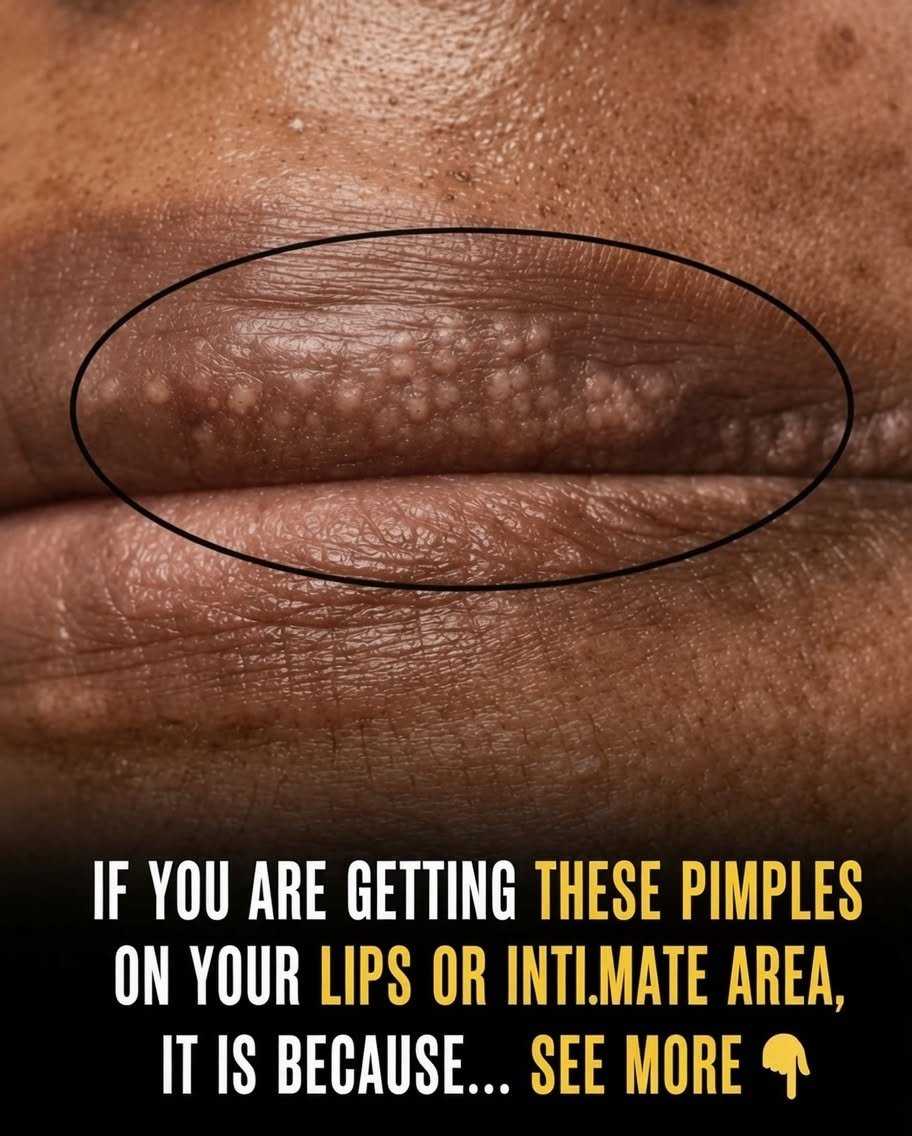
    White spots or patches on the lips or genital area can have many different causes, and most cannot be identified accurately from appearance alone. On the lips, small pale or white spots may sometimes be Fordyce spots, which are visible oil glands and are generally harmless and not contagious. Other possibilities include irritation, fungal infections, inflammation, or certain skin conditions. In the genital area, pale spots can similarly result from harmless anatomical variations, irritation, infections, or dermatological conditions. The NHS notes that genital symptoms can have several causes and recommends medical assessment when unusual changes persist or are accompanied by other symptoms. (nhs.uk) Importantly, a white spot does not automatically mean cancer or a sexually transmitted infection.

    There are several warning signs that make professional evaluation more important. Pay attention if a spot is new and persistent, rapidly changing, painful, itchy, bleeding, ulcerated, swollen, or associated with a sore that does not heal. White patches in the mouth that cannot be rubbed away can have different causes, including oral conditions that require assessment. Similarly, persistent white patches on genital skin may sometimes be associated with conditions such as lichen sclerosus, which can cause itching, soreness, fragile skin, or changes in appearance and should be diagnosed by a healthcare professional. (nhs.uk) Avoid repeatedly scratching, applying harsh chemicals, or using unverified creams because these actions can irritate sensitive skin and make the original problem harder to evaluate.

    If a white spot or patch doesn’t disappear, keeps returning, or is accompanied by pain, bleeding, discharge, sores, or significant itching, arrange an examination with a doctor, dermatologist, dentist, gynecologist, urologist, or other appropriate healthcare professional. Accurate diagnosis may require simply examining the area, although testing or a small biopsy may occasionally be necessary. Do not assume the cause from an online photograph or headline. Disclaimer: This article is for general educational and informational purposes only and does not constitute medical diagnosis, treatment, or personalized health advice. White spots have many possible causes, ranging from harmless variations to conditions requiring treatment, and appearance alone cannot establish a diagnosis. Online health claims may be exaggerated, misleading, or unauthenticated, so always verify important information through reliable medical sources and seek professional evaluation for persistent or concerning changes.