Blog

  • Ways to Address Bacteria That May Contribute to Bloating and Acid Reflux

    Ways to Address Bacteria That May Contribute to Bloating and Acid Reflux

    Persistent bloating, burping, stomach discomfort, and acid reflux can sometimes be associated with Helicobacter pylori (H. pylori), a bacterium that can infect the stomach lining. Mayo Clinic notes that H. pylori can cause symptoms such as bloating, frequent burping, stomach pain, and indigestion, although many infected people have no symptoms at all. However, it is important not to assume that bacteria are automatically the cause of reflux. GERD commonly occurs when stomach contents flow backward into the esophagus, and factors such as large meals, fatty foods, caffeine, carbonated drinks, eating late, and lying down soon after eating can worsen symptoms. If bloating or reflux keeps returning, a healthcare professional can determine whether testing for H. pylori or another digestive condition is appropriate.

    If H. pylori is confirmed, antibiotics—not homemade “detox” remedies—are the established treatment. Doctors commonly use more than one antibiotic together with acid-reducing medicine, and follow-up testing is recommended after treatment to confirm that the infection has been cleared. H. pylori can be detected through tests such as a stool test or urea breath test, and sometimes through a biopsy during an endoscopy. Meanwhile, several everyday habits can help reduce bloating and reflux symptoms even when bacteria are not involved. Eating slowly, avoiding carbonated drinks, limiting personal trigger foods, and avoiding lying down for at least two to three hours after eating may help. Starting sleep on the left side can also reduce nighttime reflux for some people. These measures support digestive comfort, but they do not eradicate H. pylori if an infection is actually present.

    The most effective strategy is therefore to identify the underlying cause rather than trying to eliminate “bad bacteria” blindly. Probiotic products, herbal drinks, vinegar, or other natural remedies are sometimes promoted online as cures for stomach bacteria, but they should not replace appropriate testing and medical treatment. If symptoms occur frequently, worsen, or continue despite lifestyle changes, medical evaluation is worthwhile. Seek prompt medical attention for symptoms such as difficulty swallowing, persistent vomiting, unexplained weight loss, black or bloody stools, vomiting blood, severe abdominal pain, or significant weakness or dizziness. Disclaimer: This article is for general educational and informational purposes only and does not constitute medical diagnosis, treatment, or personalized dietary advice. Bloating and acid reflux have many possible causes, and H. pylori is only one possibility. Some health information online may be general, exaggerated, or unauthenticated, so important claims should be verified through reliable medical sources and a qualified healthcare professional.


  • Eggs Are Nutritious, but Seniors May Want to Be Mindful of These 3 Food Pairings

    Eggs Are Nutritious, but Seniors May Want to Be Mindful of These 3 Food Pairings

    Eggs are a convenient source of high-quality protein and provide nutrients such as vitamin B12, choline, selenium, and vitamin D. For older adults, protein is particularly valuable as part of an overall balanced diet because maintaining adequate nutrition becomes increasingly important with age. However, what you eat alongside eggs can matter as much as the eggs themselves. One pairing to be mindful of is eggs with processed meats such as bacon, sausages, or heavily processed luncheon meats. These foods can be high in sodium and saturated fat, and frequently choosing them may make an otherwise nutritious breakfast less heart-friendly. The American Heart Association recommends emphasizing healthier protein sources and limiting processed meats and foods high in saturated fat. (heart.org) Choosing vegetables, whole-grain toast, beans, or fresh fruit alongside eggs can create a more nutrient-dense meal.

    A second pairing worth considering is eggs with large amounts of high-saturated-fat foods, such as butter, cream-based sauces, or large quantities of full-fat cheese. Eggs themselves can fit into a healthy dietary pattern for many people, but repeatedly combining them with several sources of saturated fat can make the overall meal much heavier. The American Heart Association recommends replacing saturated fats with unsaturated fats when possible because this can help improve cholesterol levels and support cardiovascular health. (heart.org) A third consideration is pairing eggs with very salty foods, including certain packaged breakfast products and processed sauces. Excess sodium can contribute to higher blood pressure, which is an important cardiovascular risk factor, particularly among older adults. (heart.org) This does not mean seniors need to avoid eggs, cheese, or every salty food completely; portion size and the frequency of these combinations are more meaningful than one occasional meal.

    For most seniors, the smarter strategy is to focus on overall dietary quality rather than labeling eggs as dangerous. A boiled, poached, or lightly prepared egg paired with vegetables, whole grains, avocado, or other nutrient-rich foods can be a practical breakfast or meal. People with high cholesterol, cardiovascular disease, diabetes, kidney disease, or specific dietary restrictions may have different nutritional requirements and should follow individualized advice from their healthcare professional. The goal is variety: include protein, fiber-rich foods, vegetables, fruit, and healthy fats while keeping highly processed and excessively salty foods moderate. Disclaimer: This article is for general educational and informational purposes only and does not constitute medical diagnosis, treatment, or personalized nutritional advice. Food requirements vary considerably among individuals, especially with age and existing health conditions. The three pairings discussed are considerations rather than universally dangerous combinations, and some health information may be general or unauthenticated. Always verify important dietary claims through reliable medical sources and consult a qualified healthcare professional for personalized guidance.

  • Have You Ever Wondered What the Red and Yellow Dots on Tires Mean?

    Have You Ever Wondered What the Red and Yellow Dots on Tires Mean?

    Those small red and yellow dots on new tires are not random decorations—they are manufacturing and installation markings designed to help technicians position the tire correctly on a wheel. The yellow dot commonly indicates the tire’s lightest point, based on radial force or weight-related manufacturing measurements, depending on the tire manufacturer. During installation, a technician may align this yellow mark with the valve stem, which is often considered one of the heavier points of a wheel assembly. Doing so can potentially reduce the amount of additional balancing weight required. However, marking conventions can vary between tire manufacturers, so a yellow dot does not always have exactly the same meaning on every brand. These small markings are therefore part of the precision process used to improve wheel balance, ride quality, and overall driving comfort.

    The red dot is generally associated with the tire’s point of greatest radial force variation or a location identified by the manufacturer for matching the tire to the wheel’s runout. In some tire-and-wheel mounting procedures, technicians use the red mark to match the tire with a corresponding low point on the wheel. This process, sometimes called “match mounting,” can help minimize overall assembly variation. It is important to understand that red and yellow markings do not necessarily mean that a tire is defective or damaged. They are usually factory reference points intended to help professionals during installation. Some tires may have both markings, while others may have only one, and manufacturers can use different systems. Modern tire shops may also rely on balancing machines and manufacturer-specific procedures rather than simply matching a colored dot to the valve stem.

    So, if you notice these dots on your tires, there is usually no reason to panic or remove them. They are primarily useful during mounting and balancing, and they may eventually disappear through normal wear or simply remain on the sidewall without affecting performance. Proper tire installation, correct inflation pressure, regular rotation when recommended, and professional wheel balancing are much more important for long-term safety and tire life. If your vehicle develops steering-wheel vibration, uneven tire wear, pulling, or unusual road noise after installing new tires, have the tire-and-wheel assembly inspected by a qualified technician. Disclaimer: This article is for general educational and informational purposes only and does not constitute professional automotive advice. Tire markings can vary by manufacturer, so the exact meaning of a particular red or yellow dot should be confirmed with the tire manufacturer’s documentation or a qualified tire professional. Always verify important vehicle-safety information through reliable sources and follow the manufacturer’s recommendations.

  • This Is What Sleeping on the Left Side May Do for Your Brain, Stomach & Glymphatic Health

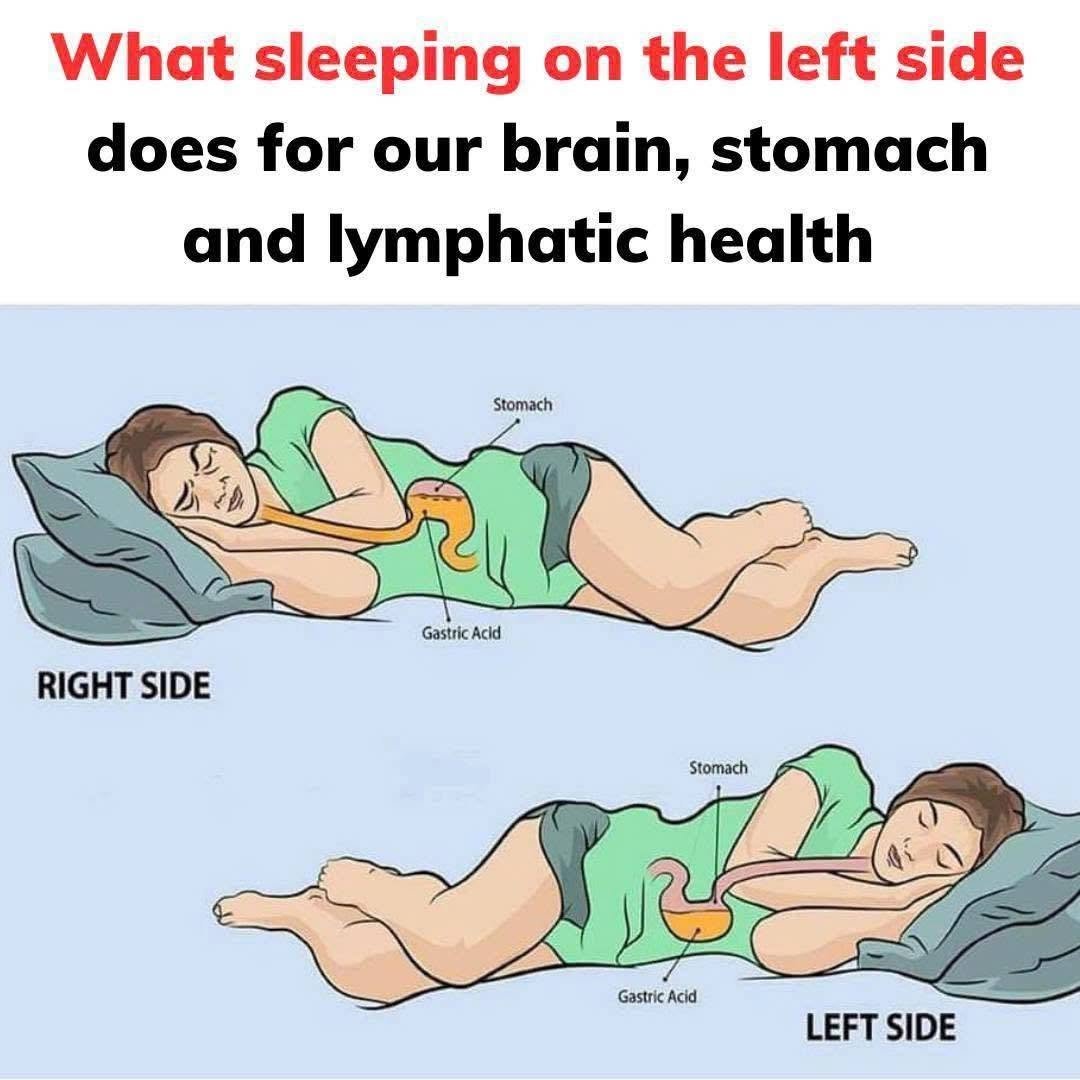
    This Is What Sleeping on the Left Side May Do for Your Brain, Stomach & Glymphatic Health

    Sleeping on your left side is often discussed as a simple wellness habit, and there is good evidence for one particular benefit: reducing nighttime acid reflux. A systematic review and meta-analysis found that left-side sleeping was associated with less nighttime acid exposure and faster clearance of reflux compared with sleeping on the right side or back. This may be related to the natural position of the stomach, which allows gravity to help keep stomach contents away from the esophagus. The American College of Gastroenterology also recognizes left-side sleeping as a useful lifestyle measure for people experiencing nighttime GERD symptoms. For people who regularly experience heartburn after going to bed, changing sleep position may therefore be a simple, low-cost strategy worth trying alongside other evidence-based lifestyle measures.

    The brain and glymphatic system are where online claims often become exaggerated. The glymphatic system is a network involved in the movement and clearance of waste products from the brain, and research suggests that sleep plays an important role in this process. However, the evidence does not currently prove that sleeping specifically on the left side dramatically “detoxes” the brain or prevents neurological disease. Research into body position and glymphatic transport has largely involved experimental models, and more human research is needed before strong health claims can be made. Good-quality sleep itself remains the more established priority. Maintaining a consistent sleep schedule, creating a comfortable sleep environment, limiting disruptive habits before bedtime, and addressing conditions that interfere with sleep may offer broader benefits for brain health than forcing yourself to remain on one particular side throughout the night. A comfortable sleeping position that allows you to obtain sufficient, uninterrupted sleep is generally more important than following a viral “perfect position” rule.

    Overall, left-side sleeping can be particularly helpful for people with nighttime reflux, but it should not be presented as a miracle technique for brain cleansing, digestion, or disease prevention. If you naturally sleep on your left side and find it comfortable, there is generally no reason to change simply because of health myths circulating online. If another position gives you better-quality sleep without causing symptoms, that may be more appropriate for you. People experiencing frequent heartburn, difficulty swallowing, unexplained chest discomfort, persistent nighttime symptoms, or significant sleep disruption should discuss these concerns with a qualified healthcare professional. Disclaimer: This article is for general educational and informational purposes only and does not constitute medical diagnosis, treatment, or personalized health advice. Evidence for specific effects of left-side sleeping on glymphatic or brain health remains limited, and some online claims may be general, exaggerated, or unauthenticated. Always verify important health information through reliable medical sources and consult a qualified healthcare professional before making significant changes to your health routine.
  • White Spots on Your Arms or Legs? Here’s What Your Body May Be Trying to Tell You

    White Spots on Your Arms or Legs? Here’s What Your Body May Be Trying to Tell You

    White or lighter-colored spots on the arms and legs can have several possible causes, and not every white spot means something serious. One common possibility, particularly on sun-exposed areas such as the forearms and shins, is idiopathic guttate hypomelanosis (IGH). This condition produces small, light-colored or white spots and is considered benign. Another possibility is vitiligo, a condition in which pigment-producing cells are lost, creating pale or completely white patches. Vitiligo can affect the hands, arms, legs, face, and other areas, and the patches may gradually become more noticeable. These differences are important because a white spot is a visible skin change, not a diagnosis by itself. Factors such as age, sun exposure, previous skin injury, family history, and the pattern of the spots can all help a dermatologist determine the likely cause.

    Another condition that can create lighter patches is tinea versicolor, a common skin condition caused by an overgrowth of yeast that normally lives on the skin. The American Academy of Dermatology notes that these patches can be lighter or darker than surrounding skin and may appear dry, scaly, or itchy. This can sometimes be confused with vitiligo because both conditions can produce areas of lighter skin. Previous inflammation, irritation, or injury can also leave areas of skin with reduced pigmentation. Because these conditions require different approaches, applying random creams or relying on internet photographs may not provide the right solution. A dermatologist can examine the spots and, when necessary, use additional testing to distinguish between different causes. If the spots are rapidly spreading, changing in appearance, becoming completely white, or appearing alongside other unusual skin changes, professional evaluation is a sensible step.

    The best approach is to avoid panic while paying attention to changes. Protecting exposed skin from excessive sunlight is particularly important when areas have reduced pigmentation because lighter skin can be more vulnerable to sunburn. Avoid harsh home remedies, aggressive scrubbing, or unverified “skin-whitening” products, as these may irritate the skin and potentially make discoloration more noticeable. If white spots persist, multiply, become itchy or scaly, or are accompanied by other symptoms, a qualified dermatologist can help identify the underlying cause and recommend appropriate treatment. Many causes are manageable or harmless, but accurate identification is more valuable than guessing from a viral health headline. Disclaimer: This article is for general educational and informational purposes only and does not constitute medical diagnosis, treatment, or personalized skincare advice. White spots can have many causes, and information found online may be general, incomplete, or unauthenticated. Always verify important health information through reliable medical sources and consult a qualified healthcare professional for persistent, spreading, or unusual skin changes.

  • People Often Consume This Food Without Knowing It Could Contain Harmful Parasites

    People Often Consume This Food Without Knowing It Could Contain Harmful Parasites

    One food category that can carry harmful parasites is raw or undercooked fish, including fish used in sushi, sashimi, ceviche, and similar dishes. The CDC explains that foodborne parasites can be transmitted through undercooked fish and other seafood, as well as undercooked meat, raw aquatic plants, and contaminated raw vegetables. This does not mean that every piece of fish contains parasites or that people should stop eating fish. Fish remains an important source of protein and other nutrients, but preparation makes a major difference to food safety. The FDA specifically notes that raw fish is more likely to contain parasites or bacteria than properly cooked fish. The risk can vary depending on the species, source, handling practices, and whether appropriate parasite-control procedures were followed before the food reached the consumer.

    Other foods can present similar concerns when they are raw, undercooked, or improperly washed. Undercooked meat can transmit certain parasites, while raw aquatic plants such as watercress and contaminated vegetables can also be potential sources. One of the simplest ways to reduce risk is thorough cooking. The CDC recommends cooking fish to a safe internal temperature of 145°F (63°C), while appropriate temperatures for different meats vary. Washing fresh produce under running water is also an important food-safety practice, although washing cannot eliminate every possible contaminant. People who are pregnant, older, or have weakened immune systems should be especially careful because foodborne infections can be more serious for these groups.

    The good news is that you do not need to become afraid of your favorite foods. Smart preparation, proper hygiene, and reliable sourcing can significantly reduce foodborne risks. Choose reputable food suppliers, keep raw seafood and meat properly refrigerated, prevent cross-contamination, wash fresh produce, and cook foods thoroughly when parasite risk is a concern. If you regularly consume raw fish or seafood, understanding how it has been handled and prepared is particularly important. The goal is not to eliminate nutritious foods from your diet, but to enjoy them responsibly and safely. Disclaimer: This article is for general educational and informational purposes only and does not constitute medical diagnosis, treatment, or personalized dietary advice. Parasite risk varies according to the food, source, geography, handling, and preparation method. Some health claims may be general, exaggerated, or unauthenticated, so important information should be verified through reliable medical and food-safety sources and qualified healthcare professionals.

  • Itchy Skin and Unexpected Bumps Could Have Several Possible Causes

    Itchy Skin and Unexpected Bumps Could Have Several Possible Causes

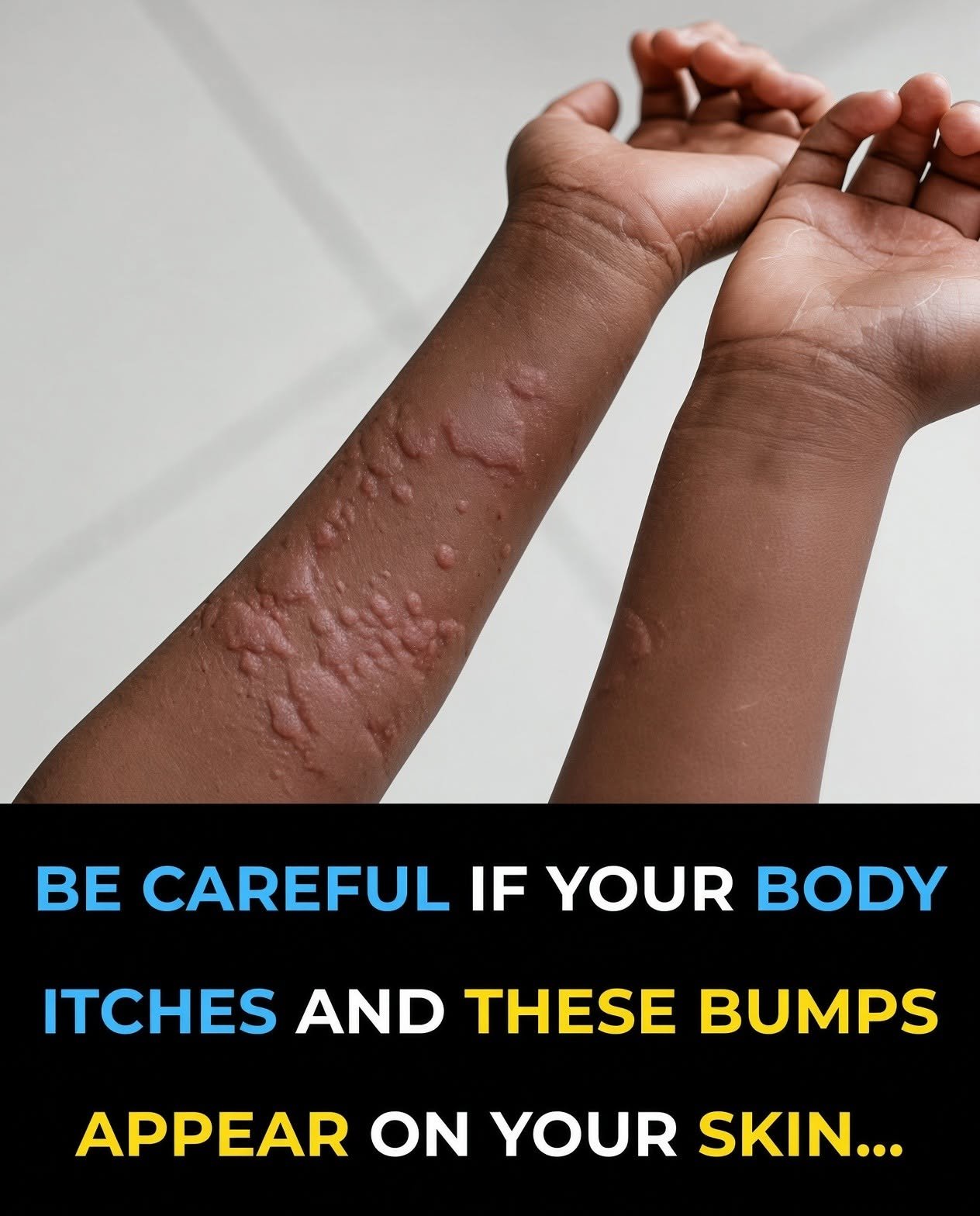
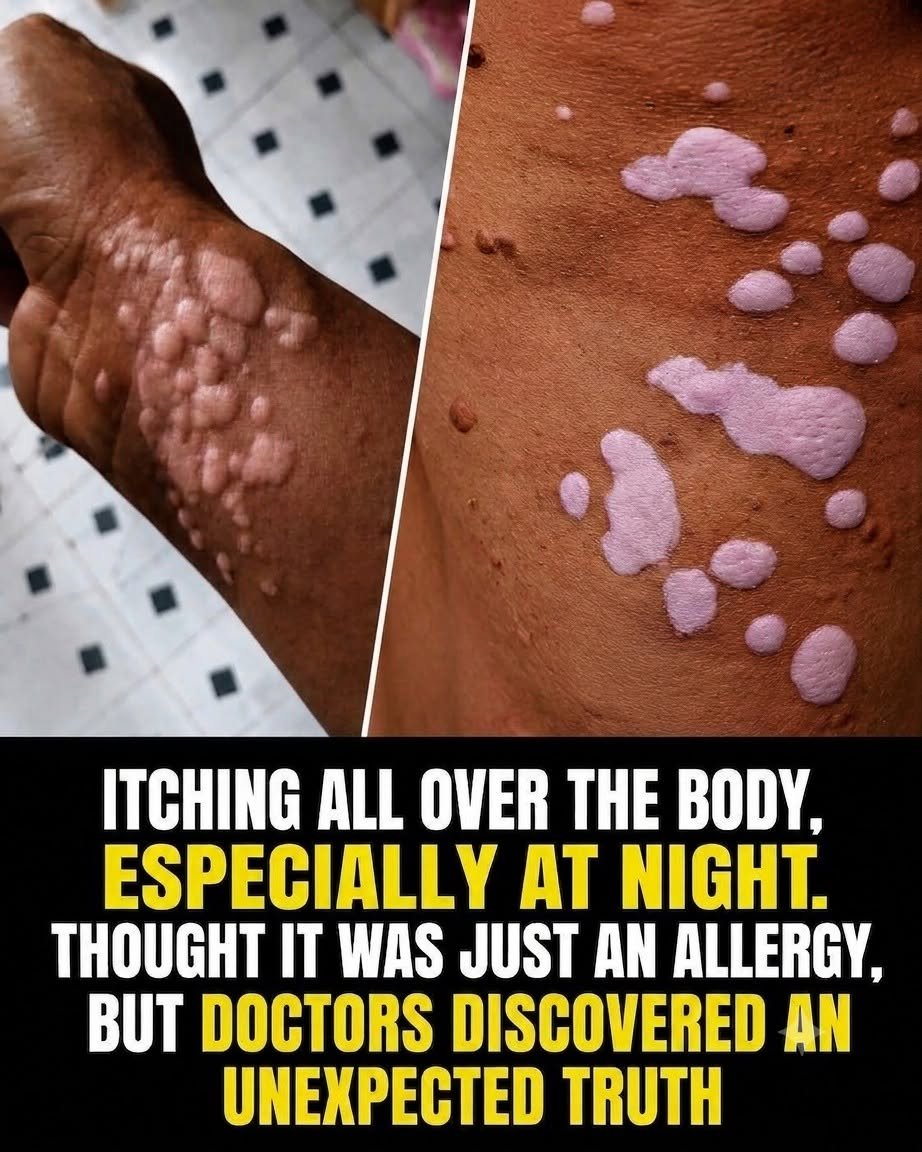
    Itchy skin accompanied by unexpected bumps can be uncomfortable and sometimes alarming, but there are many possible explanations. Common causes include dry or irritated skin, allergies, hives, eczema, insect bites, and certain infections. Hives, for example, can appear as raised, itchy bumps or patches that vary in shape and size and may develop after exposure to foods, medicines, infections, heat, or other triggers. Dry skin and eczema can also produce persistent itching, scaling, redness, or irritation, while contact with cosmetics, detergents, plants, or other substances may trigger a skin reaction. Because several conditions can look remarkably similar, it is difficult to determine the exact cause simply by looking at the bumps. Paying attention to when the itching started, where it appears, whether it spreads, and whether you recently changed soaps, medicines, foods, clothing, or other products can provide useful clues.

    Another possibility is scabies, a contagious skin condition caused by mites. It commonly produces intense itching that can become worse at night, along with small raised spots or a rash. The hands, particularly between the fingers, wrists, waist, and other areas can be affected. However, itching does not automatically mean that someone has scabies or another parasite. Other possibilities include fungal infections, psoriasis, heat rash, insect bites, and allergic reactions. For mild irritation, simple skin-care habits may help, such as using an unperfumed moisturizer, taking cool or lukewarm showers, avoiding strongly fragranced products, and gently patting rather than scratching the affected area. If the itching is severe, widespread, repeatedly returns, affects daily life, or occurs with a new lump or swelling, medical evaluation is advisable rather than relying on online self-diagnosis.

    Certain symptoms require urgent attention. If itchy bumps or a rash suddenly appear together with swelling of the lips, mouth, tongue, or throat, difficulty breathing or swallowing, severe dizziness, confusion, or fainting, these may indicate a serious allergic reaction requiring emergency medical care. For less urgent symptoms, a doctor or dermatologist can examine the skin and determine whether testing or specific treatment is appropriate. Avoid scratching excessively, as broken skin can become infected, and do not apply strong or unfamiliar treatments without appropriate guidance. The most effective approach is to identify the underlying cause rather than simply covering up the symptoms. Disclaimer: This article is intended for general educational and informational purposes only and does not constitute medical diagnosis, treatment, or personalized health advice. Itchy skin and unexpected bumps can have many different causes, and some information may be general or unauthenticated. Always verify important health information through reliable medical sources and consult a qualified healthcare professional about persistent, severe, spreading, or unusual symptoms.

  • Thought It Was Just an Allergy, but Doctors Discovered an Unexpected Truth

    Thought It Was Just an Allergy, but Doctors Discovered an Unexpected Truth

    A runny nose, sneezing, congestion, itchy eyes, coughing, or sinus pressure can easily be blamed on seasonal allergies. However, similar symptoms can sometimes come from a completely different condition. Mayo Clinic explains that allergies and sinus infections are often mistaken for one another, even though they have different causes. Allergic rhinitis occurs when the immune system reacts to allergens such as pollen, dust mites, or pet dander, while sinusitis involves inflammation and swelling of the sinus passages. (mayoclinic.org) Allergies are more likely to cause itching, sneezing, watery eyes, and clear nasal discharge, whereas sinus infections can produce thicker mucus, facial pressure, headaches, and congestion. Because symptoms overlap, someone who repeatedly assumes they have “just allergies” may benefit from a proper medical evaluation when symptoms change, persist, or stop responding to their usual routine.

    There can be other explanations too, including nonallergic rhinitis, respiratory infections, medication-related symptoms, or other conditions affecting the nose and sinuses. Doctors may consider the person’s medical history, symptom pattern, physical examination, and—when appropriate—testing to determine whether a genuine allergy is present. Allergy testing can include skin-prick testing or blood tests that look for immune responses to specific allergens. (mayoclinic.org) This is why a persistent symptom should not automatically be labeled an allergy based solely on appearance or an online checklist. A change in symptoms, repeated episodes without an obvious trigger, significant facial pain, fever, breathing difficulties, or symptoms that interfere with sleep and everyday activities can all be reasons to speak with a qualified healthcare professional. Identifying the actual cause can help ensure that treatment is appropriate rather than simply masking symptoms.

    The most valuable lesson is to look beyond the obvious explanation when symptoms persist. Many allergy symptoms are manageable, and identifying triggers can make a significant difference in quality of life. But if a condition is not actually caused by an allergy, repeatedly treating it as one may delay appropriate evaluation. Most ordinary nasal and sinus symptoms are not dangerous, yet severe breathing difficulty or sudden swelling of the lips, mouth, throat, or tongue can indicate a serious allergic reaction requiring immediate emergency treatment. (nhs.uk) Paying attention to patterns and seeking professional advice when something does not seem typical is a smarter approach than relying on assumptions. Disclaimer: This article is intended for general educational and informational purposes only and does not constitute medical diagnosis, treatment, or personalized health advice. Similar symptoms can have many different causes, and some information online may be general or unauthenticated. Always verify important health claims through reliable medical sources and consult a qualified healthcare professional for persistent, unusual, or worsening symptoms.

  • 5 Popular and Delicious Foods That Can Carry Parasites

    5 Popular and Delicious Foods That Can Carry Parasites

    Some of the foods people love most can occasionally carry parasites when they are eaten raw, undercooked, or contaminated during growing and handling. However, it is important not to confuse potential foodborne risk with the idea that a food itself is “full of parasites.” The CDC identifies several food categories associated with parasitic infections, including undercooked fish and shellfish, undercooked meat, raw aquatic plants such as watercress, and vegetables contaminated by unsafe water or animal or human fecal matter. Five popular foods worth knowing about are raw fish used in sushi, undercooked beef or pork, raw shellfish, raw watercress, and unwashed leafy vegetables. These foods can still be nutritious and enjoyable when sourced and prepared safely. The concern is mainly about contamination and preparation methods, not about avoiding every food on the list.

    Raw or undercooked fish and shellfish can potentially transmit parasites such as Anisakis, while inadequately cooked meat can carry certain parasitic infections. The CDC recommends cooking fish to at least 145°F (63°C), while whole cuts of beef, pork, lamb, and veal should reach at least 145°F followed by a three-minute rest; ground meat should reach 160°F (71°C), and poultry 165°F (74°C). Raw aquatic plants such as watercress are another category associated with parasitic transmission in areas where contaminated water is present. Unwashed fruits and vegetables can also become contaminated through soil, water, animals, or poor handling. Fortunately, practical food-safety habits can significantly reduce risk: purchase food from reputable sources, wash fresh produce under running water, prevent cross-contamination between raw and cooked foods, and cook meat and seafood thoroughly. People at higher risk of serious foodborne illness, including adults over 65 and those with weakened immune systems, should take extra precautions.

    The key takeaway is that you do not need to fear these foods—you need to prepare them safely. Sushi-grade or properly handled seafood may be subject to safety controls, while thoroughly cooked fish, meat, and shellfish provide a safer option for people who want to minimize parasite exposure. Raw vegetables should be washed carefully, and aquatic plants from uncertain or potentially contaminated sources are better avoided or thoroughly cooked. Food safety is especially important because some parasitic infections can cause significant digestive symptoms and other complications. Instead of believing sensational claims that certain foods are automatically dangerous, focus on proper sourcing, hygiene, temperature control, and cooking. Disclaimer: This article is for general educational and informational purposes only and does not constitute medical diagnosis, treatment, or personalized dietary advice. Parasite risk varies according to food source, geography, farming practices, preparation, and handling. Some health claims online may be general, exaggerated, or unauthenticated, so important information should be verified through reliable medical and food-safety sources and qualified healthcare professionals.

  • Your Body Could Send These 5 Heart Attack Warning Signs Weeks Earlier

    Your Body Could Send These 5 Heart Attack Warning Signs Weeks Earlier

    A heart attack does not always arrive without warning. According to Mayo Clinic, some people experience symptoms hours, days, or even weeks beforehand, although this is not true for everyone. One important early warning can be recurring chest discomfort or pressure, particularly when it happens with activity and improves with rest. Other possible warning symptoms include unusual shortness of breath, unexplained fatigue, lightheadedness, nausea, or discomfort involving the arms, back, neck, jaw, or upper abdomen. (mayoclinic.org) These symptoms can have many causes that are unrelated to the heart, so experiencing one does not mean a heart attack is inevitable. However, a new or recurring pattern—especially in someone with cardiovascular risk factors—deserves medical attention rather than being automatically blamed on stress, aging, indigestion, or lack of sleep.

    Five warning signs worth knowing are recurring chest pressure or discomfort, unusual breathlessness, unexplained fatigue, discomfort spreading to the upper body, and nausea or lightheadedness. The American Heart Association lists chest discomfort, discomfort in the arms, back, neck, jaw or stomach, shortness of breath, cold sweats, nausea, and lightheadedness among important heart-attack symptoms. (heart.org) Women, older adults, and people with diabetes may sometimes experience less typical symptoms, meaning the absence of dramatic chest pain does not necessarily rule out a serious cardiac problem. (mayoclinic.org) Persistent or unexplained symptoms should be discussed with a qualified healthcare professional, particularly if they are becoming more frequent, occurring with physical activity, or appearing alongside other warning signs. Recognizing a pattern early can provide an opportunity for appropriate evaluation and risk management.

    Most importantly, do not wait for a future appointment if symptoms suggest an active heart attack. Chest pressure or pain lasting more than a few minutes, shortness of breath, cold sweating, nausea, or pain spreading into the arm, back, neck, or jaw can require emergency treatment. The American Heart Association recommends calling emergency medical services immediately when heart-attack warning signs are present. (heart.org) Prompt treatment can reduce heart damage, so attempting to “sleep it off” or waiting for symptoms to disappear can be dangerous. Disclaimer: This article is for general educational and informational purposes only and does not constitute medical diagnosis, treatment, or personalized health advice. Not everyone experiences warning symptoms before a heart attack, and the symptoms listed can have many other causes. Some online health claims may be general or unauthenticated, so important information should be verified through reliable medical sources and qualified healthcare professionals. If you think you or someone else may be having a heart attack, seek emergency medical help immediately.