Blog

  • Nutritionists Reveal 5 Vegetables That Help Protect and Support Your Liver

    Nutritionists Reveal 5 Vegetables That Help Protect and Support Your Liver

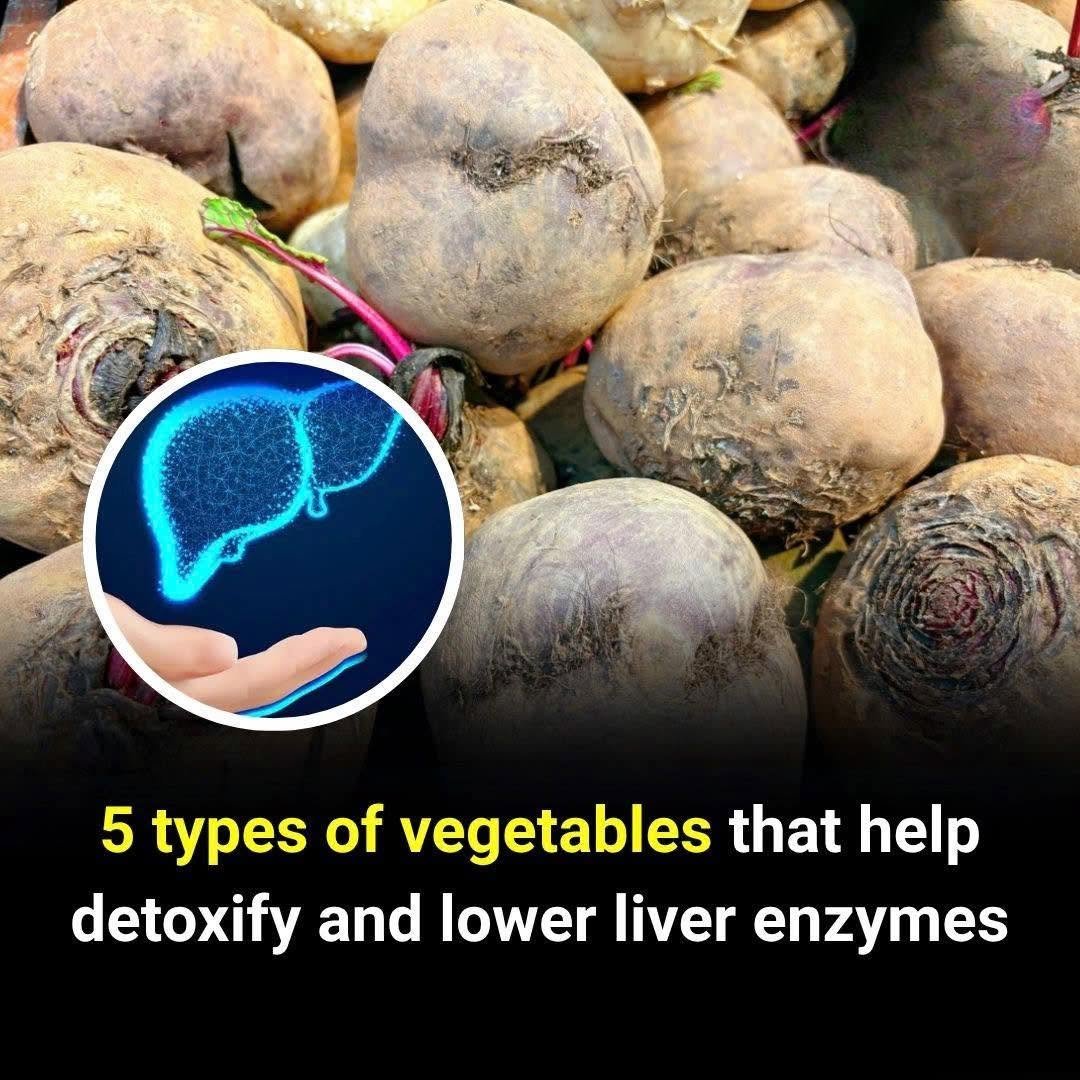
    A healthy diet can play an important role in supporting liver function, and vegetables are among the foods worth putting on your plate regularly. There is no single vegetable that “detoxes” the liver, but eating a varied diet rich in vegetables, fruits, whole grains, beans, and other minimally processed foods is associated with better overall metabolic health. The National Institute of Diabetes and Digestive and Kidney Diseases recommends eating more low-glycemic foods such as most vegetables and whole grains for people concerned about metabolic dysfunction-associated steatotic liver disease (MASLD). Five particularly practical choices are broccoli, spinach and other leafy greens, cauliflower, cabbage, and asparagus. These vegetables provide fiber, vitamins, minerals, and plant compounds while generally being relatively low in calories. The American Liver Foundation also highlights non-starchy vegetables such as broccoli, cabbage, cauliflower, asparagus, green beans, and leafy greens as useful choices within a liver-friendly eating pattern.

    Broccoli, cauliflower, and cabbage belong to the cruciferous vegetable family and provide fiber and various phytochemicals. Leafy greens, such as spinach, can contribute folate, vitamin K, carotenoids, and other micronutrients. Asparagus adds fiber and several vitamins and minerals while helping increase overall vegetable variety. However, it is important to distinguish nutritional support from medical treatment. Research on specific vegetables and liver health is still developing, and eating these foods does not mean that existing liver disease will automatically disappear. For people with fatty liver disease, overall dietary quality, portion control, physical activity, and maintaining a healthy weight are particularly important. NIDDK reports that gradual weight loss can reduce liver fat and, when appropriate, can also reduce inflammation and fibrosis. The American Liver Foundation similarly notes that Mediterranean-style eating patterns rich in vegetables, fruits, whole grains, beans, and healthy fats may help reduce liver fat and improve metabolic health.

    The best strategy is therefore variety rather than relying on one “superfood.” Try adding leafy greens to omelets or salads, roasting broccoli or cauliflower, using cabbage in soups and stir-fries, and serving asparagus alongside a balanced protein source. At the same time, limit foods and drinks high in added sugars, heavily processed foods, and excessive saturated fat, which can contribute to metabolic problems associated with fatty liver. People who already have liver disease should remember that dietary needs can vary considerably depending on the condition and its severity; those with cirrhosis, for example, may require an individualized nutrition plan from a doctor or registered dietitian. Disclaimer: This article is for general educational and nutritional information only and does not constitute medical diagnosis, treatment, or personalized dietary advice. No vegetable can “cleanse” or cure liver disease by itself. Health claims online may be exaggerated, misleading, or unauthenticated, so always verify important information through reliable medical sources and consult a qualified healthcare professional for individualized guidance.


  • Doctors Explain the Benefits and Drawbacks of Eating Bananas at Night

    Doctors Explain the Benefits and Drawbacks of Eating Bananas at Night

    Eating a banana at night is generally safe for most healthy people and can be a nutritious alternative to cookies, candy, or other highly processed evening snacks. A medium banana provides carbohydrates, fiber, vitamin B6, and roughly 450 mg of potassium, an essential mineral involved in normal muscle and nerve function. There is also some interesting research on bedtime bananas and sleep. A small 2024 clinical study involving 21 people with insomnia found that participants given a portion of banana at bedtime experienced an improvement in Pittsburgh Sleep Quality Index scores, although the study was small and cannot establish that bananas improve sleep for everyone. So, while bananas contain nutrients that may theoretically support normal sleep-related processes, it would be an exaggeration to call a banana a proven sleep treatment.

    There are also a few potential drawbacks to consider. Bananas contain natural carbohydrates, so people with diabetes or those carefully managing blood glucose should consider portion size and their overall meal plan rather than assuming that fruit is automatically unsuitable at night. Eating a banana immediately before lying down may also be uncomfortable for someone who experiences reflux, bloating, or digestive sensitivity. More broadly, research on food timing and sleep remains mixed; reviews have not established that a particular food consumed at bedtime consistently improves sleep quality. People with advanced kidney disease or a medically prescribed potassium restriction should also be cautious because bananas are potassium-rich. The National Kidney Foundation and other kidney-health guidance emphasize that potassium needs depend on kidney function and blood levels, so dietary restrictions should be individualized rather than applied to everyone with kidney problems.

    For most people, the best approach is moderation and personal tolerance. If you are genuinely hungry before bed, a small banana can be a convenient, nutrient-rich snack, particularly when it replaces sweets or heavily processed foods. You do not need to eat one at night for health benefits, however, and there is no strong evidence that nighttime consumption is uniquely beneficial. If bananas consistently cause digestive discomfort, interfere with your sleep, or conflict with a medically prescribed potassium or carbohydrate limit, choose another suitable snack and discuss your diet with a healthcare professional. Disclaimer: This article is for general educational and nutritional information only and does not constitute medical diagnosis, treatment, or personalized dietary advice. A banana at night is neither universally beneficial nor harmful, and individual responses vary. The evidence regarding bananas and sleep is still limited, so health claims should be verified through reliable scientific sources and discussed with a qualified healthcare professional when medical conditions are involved.

  • This Precious Vegetable Can Support Joint and Bone Health — Yet Many People Pull It Out

    This Precious Vegetable Can Support Joint and Bone Health — Yet Many People Pull It Out

    The “weed” many gardeners pull from their yards may actually be purslane (Portulaca oleracea), a leafy succulent that has been eaten in many parts of the world for generations. Purslane is surprisingly nutrient-dense and provides omega-3 fatty acids, calcium, magnesium, potassium, vitamin C, vitamin E, and various antioxidant plant compounds. Research has identified alpha-linolenic acid (ALA), a plant-based omega-3 fatty acid, as one of its notable nutritional components. Calcium and magnesium are particularly relevant to maintaining normal bone structure and function, while omega-3 fatty acids have been studied for their potential role in inflammatory conditions affecting the joints. However, it would be misleading to call purslane a proven cure for arthritis or bone pain.

    There is some interesting human research behind the plant’s reputation. A 12-week randomized controlled trial involving 86 people with rheumatoid arthritis found that participants receiving purslane supplements experienced improvements in several measures, including joint tenderness, swelling, morning stiffness, disease activity, and inflammatory markers, compared with placebo. A systematic review and meta-analysis of randomized trials also found a modest reduction in C-reactive protein following purslane supplementation, although the researchers noted substantial variation between studies and emphasized that more research is needed. These findings are encouraging, but they do not prove that eating ordinary amounts of fresh purslane will relieve everyone’s joint pain. Much of the clinical research has involved supplements or specific preparations rather than simply adding the plant to everyday meals.

    If you can positively identify edible purslane, its tender leaves and stems can be added to salads, soups, cooked vegetable dishes, or other meals. But identification matters because not every wild plant is safe to eat, and plants growing beside roads or in areas exposed to pesticides, animal waste, or contaminated soil should be avoided. Purslane also contains relatively high levels of oxalates, so people with certain kidney conditions or a history of calcium-oxalate kidney stones may need individualized dietary advice. The best approach is to view purslane as a nutritious vegetable—not a replacement for medical treatment for arthritis, osteoporosis, or persistent pain. Disclaimer: This article is for general educational and nutritional information only and does not constitute medical diagnosis, treatment, or personalized dietary advice. Research on purslane is promising but still limited, and its ability to directly relieve joint or bone pain has not been definitively established. Always verify wild-plant identification and health claims through reliable sources and consult a qualified healthcare professional for persistent pain or medical conditions.

  • Doctors Reveal How Coconut Water May Affect Your Kidney Health

    Doctors Reveal How Coconut Water May Affect Your Kidney Health

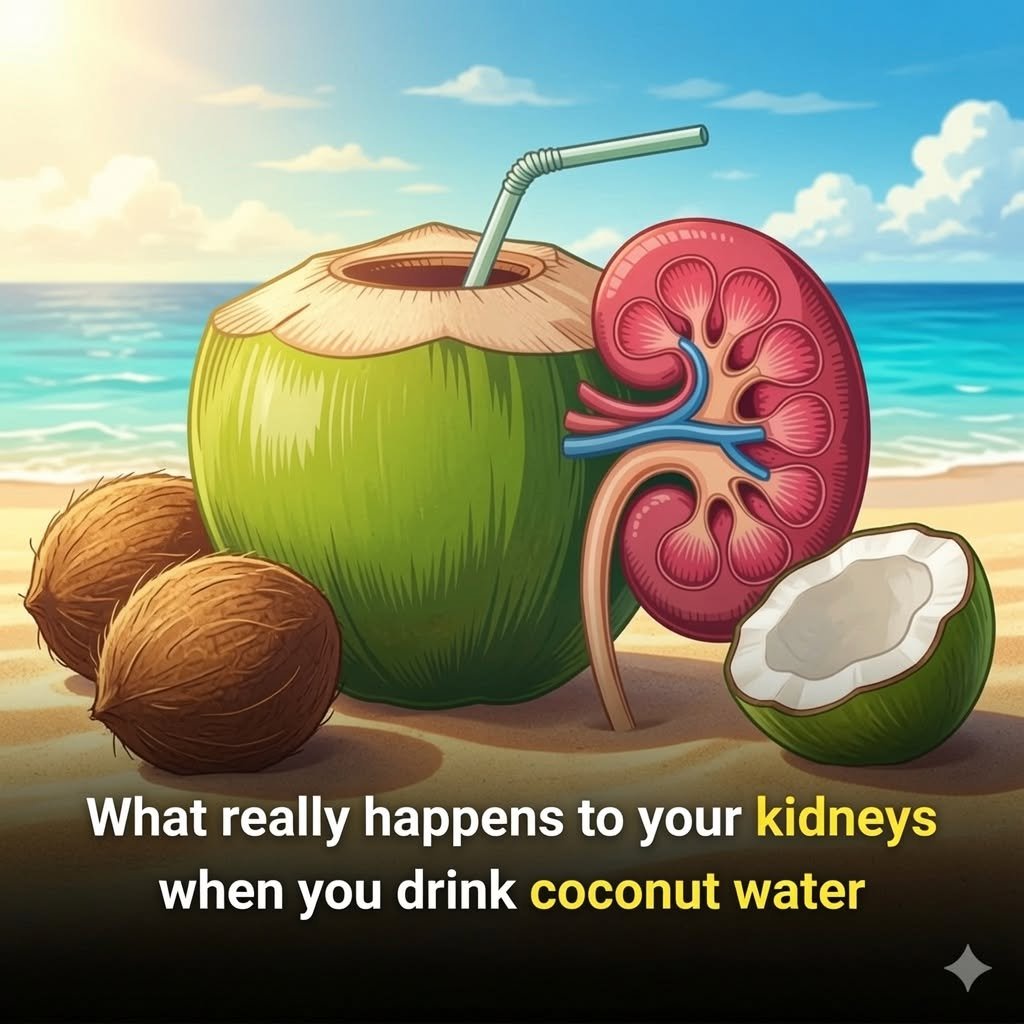
    Coconut water is often promoted as a natural hydration drink, and for many healthy people it can be a refreshing source of fluids and electrolytes. It contains potassium, magnesium, and other minerals, which help support normal muscle, nerve, and fluid-balance functions. Adequate hydration is important for kidney health because the kidneys rely on water to remove waste and produce urine. However, coconut water should not be confused with a kidney “detox” or treatment. Its mineral content—particularly potassium—means that the effect can be very different for someone with impaired kidney function. The USDA’s dietary guidance lists unsweetened coconut water as a significant source of potassium, with about 198 mg in a half-cup serving.

    For people with chronic kidney disease, high blood potassium, or kidney failure, coconut water may require caution. Healthy kidneys normally remove excess potassium from the bloodstream, but damaged kidneys may have difficulty doing so. Potassium can then accumulate and, when levels become dangerously high, cause muscle weakness or potentially serious heart-rhythm problems. The National Kidney Foundation specifically lists coconut water and coconut-based supplements among high-potassium products that some people with kidney disease may need to limit. Fluid intake can also become complicated in advanced kidney disease or dialysis, because some patients need to restrict the total amount of fluid they consume. Therefore, the idea that everyone with kidney problems should drink coconut water to “clean” or strengthen their kidneys is misleading.

    For most people without kidney disease or a potassium restriction, moderate amounts of unsweetened coconut water can fit into a balanced diet. But it should not replace plain water as your primary hydration source, and sweetened or flavored varieties may contain additional sugar. If you have kidney disease, take medicines that affect potassium, have been told to restrict potassium or fluids, or have abnormal kidney-function blood tests, ask your doctor or renal dietitian whether coconut water is appropriate for you. Your ideal intake depends on kidney function, laboratory results, medications, and overall diet—not simply on the fact that coconut water is considered “natural.” Disclaimer: This article is for general educational and nutritional information only and does not constitute medical diagnosis, treatment, or personalized dietary advice. Coconut water is not a proven treatment or “detox” for kidney disease, and its high potassium content may make it unsuitable for some people. Always verify kidney-health claims through reliable medical sources and consult a qualified healthcare professional for individualized guidance.
  • What Your Headache Pattern Could Be Trying to Tell You

    What Your Headache Pattern Could Be Trying to Tell You

    The location, intensity, duration, and accompanying symptoms of a headache can sometimes provide useful clues about what type of headache you may be experiencing. A tension-type headache commonly causes mild-to-moderate, dull or aching pressure that can feel like a tight band around the forehead or sides of the head, sometimes with tenderness in the neck and shoulders. A migraine, on the other hand, often produces throbbing or pulsing pain that may affect one side of the head and can occur with nausea, vomiting, or sensitivity to light, sound, smells, or touch. Headaches can also be influenced by factors such as stress, skipped meals, changes in sleep, dehydration, certain foods, alcohol, or poor posture. These patterns can offer clues, but they cannot reliably establish a diagnosis on their own.

    Another distinctive pattern is a cluster headache, which is uncommon but extremely painful. It typically causes severe pain around or behind one eye on one side of the head and may occur repeatedly during a period lasting weeks or months. The affected eye may become red or watery, the nose may become blocked or runny on the same side, and the person may feel intensely restless during an attack. The timing of your headaches can also be meaningful. If headaches repeatedly occur after poor sleep, skipped meals, stress, or certain foods, keeping a headache diary may help you and your healthcare professional identify potential triggers. More importantly, a new or changing headache pattern deserves attention, particularly if headaches are becoming more frequent, severe, or disruptive. Frequent headaches that require medication more than twice a week should also be discussed with a healthcare professional.

    Some headache patterns require urgent medical attention rather than observation. Seek emergency care for a sudden, extremely severe headache that reaches maximum intensity quickly, especially if it feels unlike previous headaches. Headache accompanied by weakness, numbness, confusion, seizures, difficulty speaking, double vision, fever with a stiff neck, or a worsening headache after a head injury can also signal a serious medical problem. A headache that first develops after age 50, progressively worsens, or is triggered by coughing, exertion, straining, or a change in body position should also be medically evaluated. Disclaimer: This article is for general educational and health information only and does not constitute medical diagnosis, treatment, or personalized medical advice. Most headaches are not caused by a dangerous condition, but changes in headache pattern should not be ignored. Always verify health information through reliable medical sources and consult a qualified healthcare professional for persistent, unusual, or severe headaches.

  • Your Body May Be Sending Signals — 10 Potential Symptoms of Breast Cancer

    Your Body May Be Sending Signals — 10 Potential Symptoms of Breast Cancer

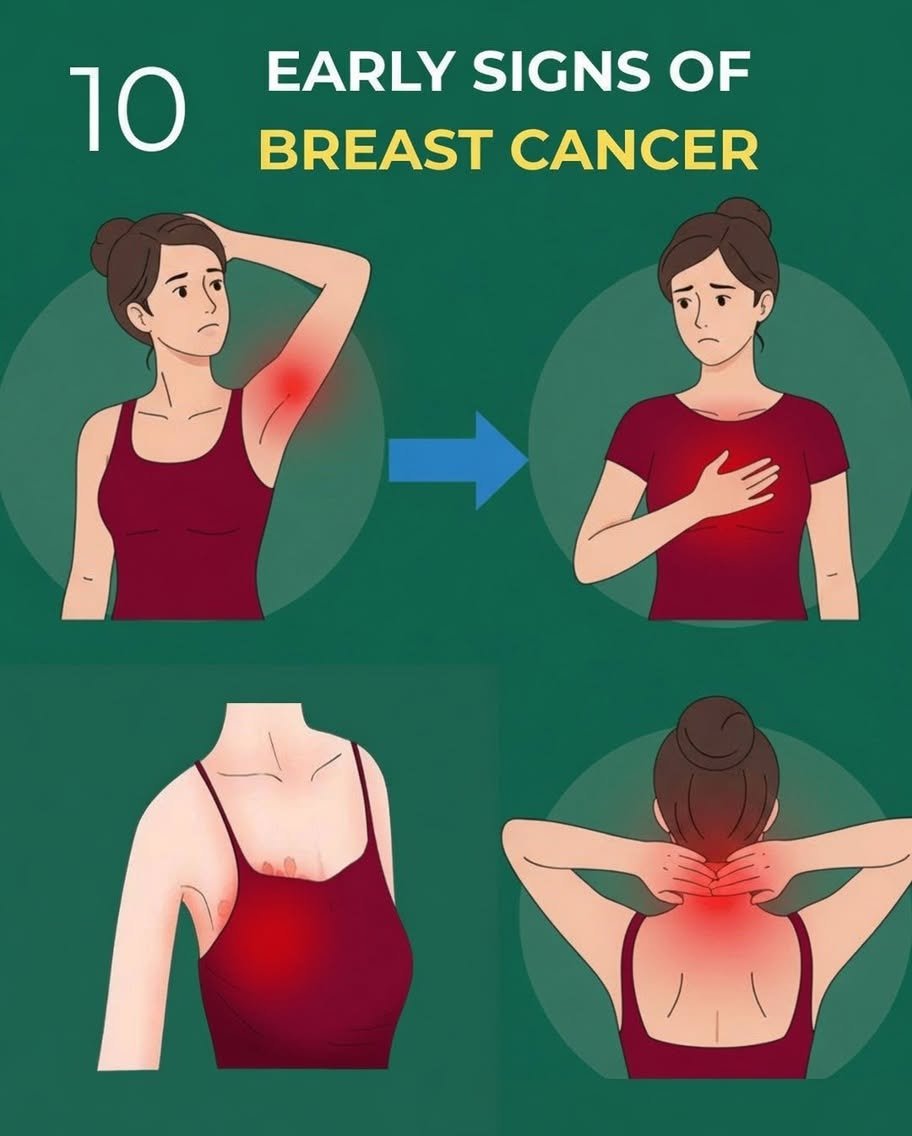
    Breast cancer can cause noticeable changes in the breast or nearby areas, although many breast changes are caused by conditions other than cancer. According to the CDC and National Cancer Institute, potential warning signs include a new lump in the breast, a lump or swelling in the armpit, thickening or swelling of part of the breast, a change in breast size or shape, skin dimpling or puckering, redness or flaky skin, unusual skin thickening or swelling, a nipple that turns inward, nipple discharge that is not breast milk, and persistent breast or nipple pain. These changes can look or feel different from one person to another, and breast cancer does not always produce a lump. Some types can cause swelling or skin changes before a distinct mass is noticeable.

    One important point is that experiencing one of these symptoms does not mean you have breast cancer. Cysts, hormonal changes, infections, benign breast conditions, medications, and other issues can produce similar symptoms. The American Cancer Society notes that most breast lumps are not cancer, and breast pain by itself is usually not a sign of most breast cancers. However, a new or persistent change should not simply be ignored. Pay particular attention to a new lump, bloody nipple discharge, nipple retraction, unexplained skin dimpling, or a noticeable change in the breast’s appearance or texture. If you discover something unusual, arrange an evaluation with a qualified healthcare professional—even if you recently had a normal mammogram.

    Knowing what is normal for your own breasts can make it easier to notice meaningful changes. Regular screening is also important because early breast cancer can have no symptoms, and mammography can sometimes detect cancer before it becomes large enough to feel. Do not wait for pain before seeking medical attention, and do not attempt to diagnose a breast change using online symptom lists alone. A healthcare professional may recommend an examination, diagnostic mammogram, ultrasound, or other testing depending on what is found. Disclaimer: This article is for general educational and health information only and does not constitute medical diagnosis, treatment, or personalized medical advice. These symptoms can have many causes and do not automatically indicate breast cancer. If you notice a new or persistent breast or nipple change, seek evaluation from a qualified healthcare professional and follow appropriate screening recommendations. Always verify important health information through reliable medical sources.

  • Proven Health Benefits of Celery & Nutrition Facts (Evidence Based)

    Proven Health Benefits of Celery & Nutrition Facts (Evidence Based)

    Celery is a low-calorie, nutrient-containing vegetable that can fit easily into a balanced diet. A medium stalk weighing about 40 grams contains approximately 6 calories, 1 gram of carbohydrate, 1 gram of dietary fiber, and about 32 mg of sodium, according to USDA nutrition information. Celery also provides small amounts of vitamin A, vitamin C, calcium, and other micronutrients. Because it contains a high proportion of water while contributing relatively few calories, celery can be useful for people trying to increase vegetable intake without adding many calories. Its fiber also contributes to normal digestive function, while its plant compounds—including flavonoids and other phytochemicals—are being investigated for potential antioxidant and cardiovascular effects. However, celery should be viewed as one nutritious vegetable among many rather than a “detox” food or miracle ingredient.

    One of the most researched potential benefits of celery is its relationship with blood pressure and cardiometabolic health. A 2025 systematic review and meta-analysis examined 10 randomized controlled studies involving 511 adults and reported improvements in systolic and diastolic blood pressure, fasting blood glucose, and triglycerides among participants receiving celery preparations. However, the researchers also highlighted substantial variation between studies, relatively small sample sizes, and the need for larger, higher-quality trials. Importantly, several of the studies used celery seeds or concentrated preparations, not simply ordinary servings of celery stalks eaten with meals. Therefore, these findings should not be interpreted as proof that eating a few celery sticks will treat hypertension, diabetes, or high cholesterol. Celery may contribute to a heart-conscious dietary pattern, but it should never replace prescribed medication or professional medical care.

    For everyday nutrition, the simplest approach is to enjoy celery as part of a varied diet rich in vegetables, fruits, whole grains, legumes, nuts, seeds, and healthy protein sources. Celery can be added to salads, soups, sandwiches, stir-fries, or eaten with a nutritious dip. While its impressive reputation sometimes leads to claims about rapid weight loss, detoxification, or disease prevention, evidence does not support treating celery juice or celery supplements as a cure-all. Concentrated celery products may also differ substantially from ordinary food portions. If you take medication for blood pressure, blood sugar, or another condition, speak with a healthcare professional before using concentrated celery or celery-seed supplements regularly. Disclaimer: This article is for general educational and nutritional information only and does not constitute medical diagnosis, treatment, or personalized dietary advice. Research suggests potential benefits from celery, particularly regarding some cardiometabolic markers, but evidence remains limited for several claimed effects. Always verify health claims through reliable scientific sources and consult a qualified healthcare professional for individualized guidance.

  • Think You’re Drinking Enough Water? Here’s How to Easily Reach 8 Glasses Daily

    Think You’re Drinking Enough Water? Here’s How to Easily Reach 8 Glasses Daily

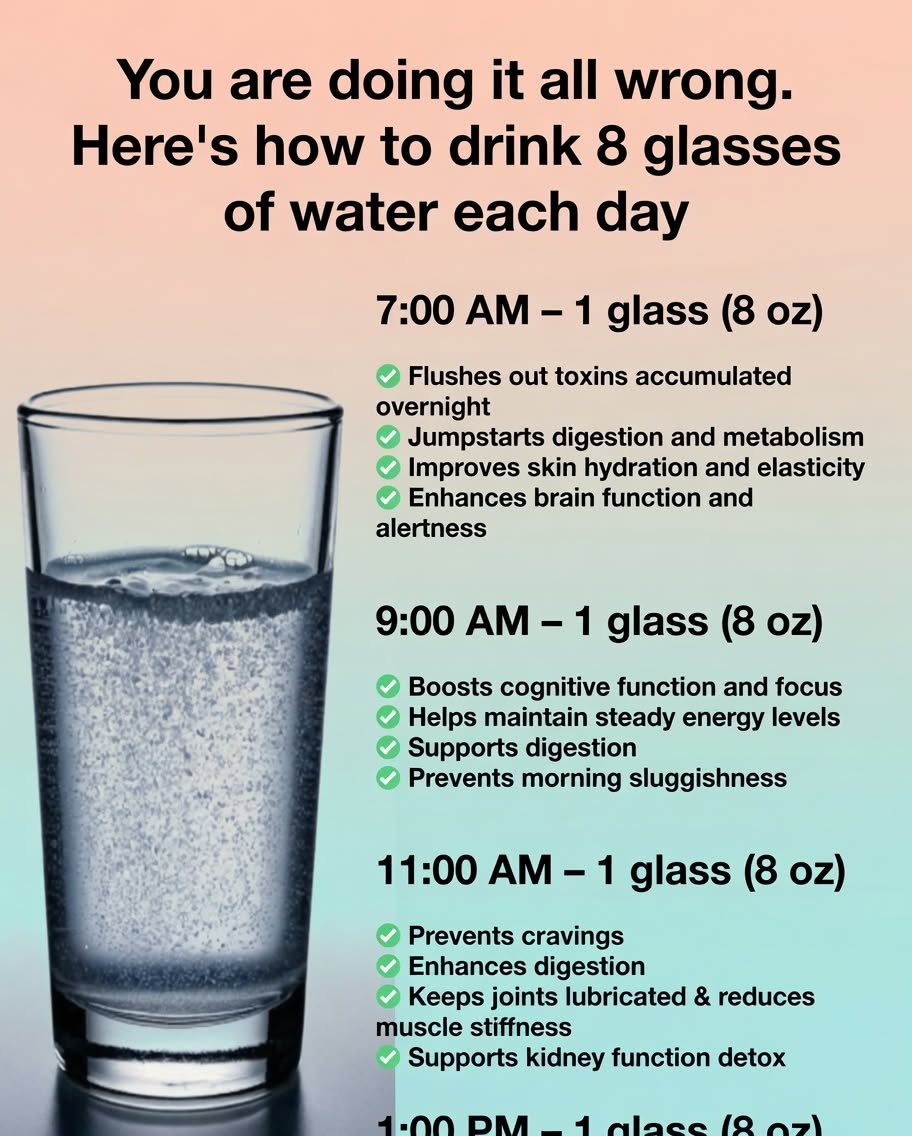
    Staying hydrated is essential for normal body function, temperature regulation, digestion, circulation, and waste removal, but the popular “eight glasses a day” rule is not a universal requirement for everyone. Fluid needs vary depending on body size, activity level, climate, diet, age, pregnancy, breastfeeding, and certain medical conditions. The CDC notes that water needs can differ from person to person and that plain water is an excellent way to meet fluid requirements. (cdc.gov) A simple way to build a consistent routine is to spread your drinks throughout the day instead of trying to consume a large amount at once. You might have one glass after waking, another with breakfast, one mid-morning, one with lunch, one during the afternoon, one with dinner, and another in the evening. Foods such as fruits, vegetables, soups, and other beverages also contribute to total fluid intake.

    If you frequently forget to drink water, make hydration easy and automatic. Keep a reusable bottle nearby, drink a glass with meals, and take a few sips whenever you return to your desk, finish a task, or come back from outside. You can also add naturally flavorful ingredients such as lemon, mint, or slices of cucumber if plain water feels boring. Choosing water instead of sugary drinks can be particularly helpful because it provides hydration without added sugar and calories. (cdc.gov) During hot weather or exercise, your fluid requirements may increase because you lose more water through sweating. Pay attention to thirst and other signs of dehydration, such as a dry mouth, dizziness, unusual tiredness, or darker urine. However, drinking excessively is not better; very large amounts of water over a short period can be dangerous.

    The key is to focus on regular hydration rather than obsessing over an exact number of glasses. If eight glasses fits comfortably into your daily routine, it can be a convenient personal target, but your body’s needs may be higher or lower. People with kidney, heart, or liver conditions who have been instructed to restrict fluids should follow their healthcare professional’s recommendations instead of adopting a generic hydration goal. Likewise, athletes or people working outdoors in hot environments may need a more individualized strategy. Disclaimer: This article is for general educational and hydration information only and does not constitute medical diagnosis, treatment, or personalized advice. The “8 glasses” guideline is not appropriate for everyone, and individual fluid needs vary. Always verify important health information through reliable medical sources and consult a qualified healthcare professional if you have a medical condition or concerns about hydration.

  • Can Three Familiar Foods Naturally Support Ovarian Health? Here’s What Research Suggests

    Can Three Familiar Foods Naturally Support Ovarian Health? Here’s What Research Suggests

    Certain foods can provide nutrients that support overall reproductive and metabolic health, but the idea that three specific foods can “slow ovarian aging” or prevent the natural decline in ovarian reserve is much stronger than the current evidence allows. Ovarian reserve refers to the number of eggs remaining in the ovaries, and it naturally declines with age. The American Society for Reproductive Medicine identifies age as the single most important predictor of female fertility and explains that ovarian reserve is closely related to reproductive aging. Nutrition may still play a supportive role in overall health, so three practical choices are leafy green vegetables, fatty fish such as salmon, and nuts or seeds. These foods provide folate, fiber, antioxidants, healthy fats, protein, and other nutrients that fit well within a balanced eating pattern. Research has explored nutrients including folate, omega-3 fatty acids, vegetables, whole grains, fish, and certain plant foods in relation to fertility, although stronger clinical evidence is still needed.

    Leafy greens such as spinach and kale can contribute folate, magnesium, fiber, and a variety of plant compounds. Fatty fish provides protein and long-chain omega-3 fatty acids, while also supplying important nutrients such as vitamin D depending on the variety. Nuts and seeds provide unsaturated fats, minerals, fiber, and plant protein. These foods are not magic treatments for infertility, but they can be part of a Mediterranean-style or otherwise minimally processed dietary pattern that supports cardiovascular and metabolic health. A systematic review examining nutrition and ovarian aging found some potentially interesting associations involving vitamin D, soy foods, fiber, and other nutritional factors, but the researchers emphasized that the studies were limited and inconsistent, making definite conclusions about slowing ovarian aging impossible. In other words, eating these foods is sensible for nutrition, but claiming that they can preserve eggs or reverse ovarian aging would be misleading.

    The most realistic approach is to focus on overall lifestyle rather than a three-food “fertility hack.” A varied diet rich in vegetables, fruits, whole grains, legumes, fish, nuts, and healthy fats can support general health, while maintaining a healthy weight, avoiding smoking, staying physically active, and managing conditions such as diabetes or metabolic problems may also be important for reproductive wellbeing. Current fertility guidance specifically states that there is insufficient evidence that one particular diet or group of foods can improve natural fertility, even though healthy eating is encouraged for overall health. Women trying to conceive should also discuss appropriate folic-acid supplementation with a healthcare professional. Disclaimer: This article is for general educational and nutritional information only and does not constitute medical diagnosis, fertility treatment, or personalized advice. No three foods have been proven to stop or reverse ovarian aging, and dietary effects on ovarian reserve remain an area of ongoing research. Always verify reproductive-health claims through reliable medical sources and consult a qualified healthcare professional for individualized guidance.

  • If You’re Farting More Than 25 Times a Day, Here’s What It Could Mean

    If You’re Farting More Than 25 Times a Day, Here’s What It Could Mean

    Passing gas is a normal part of digestion, and the number of times a person passes gas can vary considerably. NIDDK notes that studies suggest an average of about 8–14 times a day, while up to 25 times per day can still fall within the normal range for some people. So, passing gas more than 25 times does not automatically mean something is wrong. Increased flatulence can happen after eating foods that are difficult to digest, including beans, lentils, broccoli, cabbage, certain fruits, dairy products, whole grains, or foods containing sugar alcohols such as sorbitol. Carbonated drinks, chewing gum, eating quickly, and swallowing excess air can also contribute to more gas.

    What deserves more attention is a persistent change in your usual pattern, especially when excessive gas occurs together with other symptoms. Gas accompanied by abdominal pain, persistent bloating, diarrhea, constipation, unexplained weight loss, blood in the stool, or recurrent nausea and vomiting should be discussed with a healthcare professional. Possible underlying causes can include constipation, lactose intolerance, irritable bowel syndrome (IBS), celiac disease, or other digestive disorders. In some cases, medications can also contribute to excessive or unpleasant-smelling gas, so prescribed medicines should not be stopped or changed without professional advice.

    If you’re experiencing frequent gas, start by looking for patterns rather than assuming the worst. Eat more slowly, limit carbonated beverages, avoid chewing gum, and keep a simple food-and-symptom diary to identify foods that consistently trigger symptoms. If the problem continues, suddenly changes, or interferes with daily life, a healthcare professional can help determine whether further evaluation is appropriate. Disclaimer: This article is for general educational and digestive-health information only and does not constitute medical diagnosis, treatment, or personalized advice. Passing gas more than 25 times a day does not by itself prove that you have a disease, and many harmless dietary factors can increase flatulence. Always verify health information through reliable medical sources and consult a qualified healthcare professional if you have persistent symptoms or warning signs.