Blog

  • No Matter How Much You Crave It, You Shouldn’t Eat It This Way

    No Matter How Much You Crave It, You Shouldn’t Eat It This Way

    When a food craving hits, it can be tempting to ignore how the food was prepared and simply satisfy the urge. But some foods become significantly riskier when they are raw, undercooked, unpasteurized, or improperly handled. Raw or undercooked poultry, meat, fish, shellfish, and eggs can contain harmful bacteria or parasites, while unpasteurized milk and certain products made from it can carry disease-causing microorganisms. The CDC identifies these among foods more commonly associated with foodborne illness. (cdc.gov) Raw sprouts and unwashed produce can also carry harmful germs. This does not mean these foods must always be avoided—proper cooking, pasteurization, washing, and safe storage can dramatically reduce the risk.

    Extra caution is especially important for pregnant women, young children, adults over 65, and people with weakened immune systems, because foodborne infections can be more serious in these groups. The FDA recommends that people at higher risk avoid raw or undercooked meat and seafood, raw eggs, unpasteurized milk and juices, raw sprouts, and other higher-risk foods. (fda.gov) Even foods that look or smell perfectly normal can sometimes contain harmful microorganisms, so appearance alone is not a reliable safety test. Cooking foods to appropriate internal temperatures, preventing cross-contamination, and refrigerating perishable foods promptly are among the most important ways to reduce food-poisoning risk. (fda.gov)

    The practical lesson is don’t let a craving override basic food safety. If you enjoy meat, eggs, seafood, dairy, or fresh produce, choose properly cooked, pasteurized, washed, and safely stored versions whenever appropriate. Refrigerate perishable foods within two hours, or within one hour when temperatures are above 90°F (32°C), and keep the refrigerator at 40°F (4°C) or below. (fda.gov) If you develop severe vomiting, diarrhea, abdominal pain, fever, bloody diarrhea, or signs of dehydration after eating potentially contaminated food, seek medical advice. Disclaimer: This article provides general food-safety information and does not constitute medical diagnosis or personalized dietary advice. Food risks vary according to the specific food, preparation, storage, and individual health status. Always verify important food-safety information through reliable authorities such as the FDA and CDC.


  • Doctors Say Beets Could Affect Your Body in Unexpected Ways…

    Doctors Say Beets Could Affect Your Body in Unexpected Ways…

    Beets are more than a colorful addition to salads and meals. They contain dietary fiber, antioxidants, folate, potassium, and naturally occurring nitrates, which the body can convert into nitric oxide. This process can help widen blood vessels and improve blood flow, which is why beetroot and beetroot juice have been studied for cardiovascular health and exercise performance. A systematic review of randomized trials found that beetroot juice consumption was associated with modest reductions in blood pressure, although the effects varied according to dose and study duration. (pubmed.ncbi.nlm.nih.gov) Beets may also support digestive health because their fiber contributes to normal bowel function. Recent clinical nutrition guidance continues to describe beets as a nutrient-rich vegetable that can fit well into a balanced eating pattern.

    One of the most surprising effects is beeturia, when urine or stool temporarily turns pink or red after eating beets. It can look alarming, but for most people this is a harmless effect caused by beet pigments and is not evidence of internal bleeding. (ncbi.nlm.nih.gov) Some people may also experience bloating, abdominal discomfort, diarrhea, nausea, or other digestive symptoms after consuming large amounts, particularly concentrated beetroot juice. Beets also contain oxalates. Most healthy people do not need to avoid them, but individuals who have experienced certain types of kidney stones may be advised to moderate high-oxalate foods. Because beetroot can lower blood pressure, people taking blood-pressure medication or those who already have low blood pressure should discuss large amounts of beetroot juice or concentrated products with their healthcare professional.

    For most people, eating moderate portions of whole beets is a nutritious choice, especially when they are part of a varied diet containing vegetables, fruits, whole grains, legumes, nuts, seeds, and healthy protein sources. There is no need to consume large quantities of beet juice to obtain every possible benefit, and beets should not be promoted as a cure or “detox” for disease. If you notice red urine after eating beets and are unsure whether it is beeturia or blood, do not simply assume it is harmless—seek medical advice, particularly if the discoloration occurs without eating beets or is accompanied by pain or other symptoms. Disclaimer: This article is for general educational and nutritional information only and does not constitute medical diagnosis, treatment, or personalized dietary advice. Beets can affect people differently, and research on concentrated beetroot products does not necessarily apply to ordinary servings of whole beets. Always verify health claims through reliable medical sources and consult a qualified healthcare professional if you have kidney stones, low blood pressure, take relevant medications, or develop concerning symptoms.

  • Eating a Handful of Walnuts Daily Could Have Surprising Health Benefits

    Eating a Handful of Walnuts Daily Could Have Surprising Health Benefits

    Walnuts are more than a convenient snack—they are a nutrient-dense food rich in unsaturated fats, fiber, plant compounds, and alpha-linolenic acid (ALA), a plant-based omega-3 fatty acid. A growing body of research suggests that regularly including walnuts in the diet may support cardiovascular health, particularly by improving certain blood-lipid measures. A 2026 systematic review and meta-analysis of 49 randomized controlled trials involving more than 4,600 participants found that walnut consumption significantly reduced total cholesterol, LDL cholesterol, and triglycerides, although effects on HDL cholesterol and some other markers were less consistent. Earlier controlled trials have similarly found modest improvements in cholesterol profiles among people consuming walnuts regularly.

    One of the most interesting benefits is their potential contribution to heart-friendly eating patterns. In a large two-year study of healthy older adults, people assigned to eat walnuts daily experienced modest reductions in LDL cholesterol and total cholesterol, along with a reduction in the number of LDL particles. Walnuts may also be useful as a replacement for less nutritious snacks because their combination of fat, fiber, and plant protein can make them satisfying. However, walnuts are calorie-dense, so eating large quantities can add substantial calories to the diet. The goal should not be to consume as many walnuts as possible, but to use a reasonable portion—often around a small handful (roughly 28–30 grams)—as part of an overall balanced eating pattern. They should complement vegetables, fruits, whole grains, legumes, and other nutritious foods rather than replace dietary variety.

    For an easy everyday habit, choose plain or dry-roasted walnuts without excessive added salt or sugar and add them to oatmeal, yogurt, salads, or fruit, or simply enjoy a small handful as a snack. People with nut allergies should obviously avoid walnuts, and anyone with a medically prescribed dietary restriction should follow their healthcare professional’s advice. It is also important to remember that walnuts are not a cure for high cholesterol, diabetes, heart disease, or any other condition. Their benefits are best understood as part of a broader heart-healthy lifestyle that includes nutritious foods, physical activity, adequate sleep, and appropriate medical care. Disclaimer: This article is for general educational and nutritional information only and does not constitute medical diagnosis, treatment, or personalized dietary advice. Research supports potential cardiovascular and lipid benefits from regular walnut consumption, but individual results vary and walnuts should not replace prescribed treatment. Always verify important health claims through reliable scientific sources and consult a qualified healthcare professional for individualized guidance.

  • Now I Understand Everything Has a Reason! What Everyday Body Changes May Be Trying to Tell You

    Now I Understand Everything Has a Reason! What Everyday Body Changes May Be Trying to Tell You

    Our bodies constantly produce small signals and changes, and while many are completely normal, some can provide useful clues about our health. A sudden change in appetite, unusual fatigue, persistent headaches, changes in bowel habits, skin discoloration, swelling, or recurring muscle cramps may have many different explanations. Sometimes the cause is simple, such as dehydration, stress, lack of sleep, dietary changes, or physical activity. Other times, persistent symptoms can be associated with an underlying medical condition. The important lesson is not to assume that every unusual sensation is a warning of something serious. Instead, pay attention to changes that are new, unexplained, persistent, or getting worse. Keeping track of when a symptom appears, what makes it better or worse, and whether other symptoms occur at the same time can provide useful information when speaking with a healthcare professional.

    Even familiar changes can have multiple possible causes. For example, occasional headaches may be related to stress, dehydration, sleep disruption, or migraine, while persistent swelling can have causes involving circulation, medications, the heart, kidneys, or other conditions. Skin changes may result from allergies, irritation, hormonal fluctuations, infections, or metabolic conditions. This is why online symptom lists should never be treated as diagnostic tools. The National Cancer Institute, for example, emphasizes that many symptoms associated with cancer can also be caused by other illnesses or conditions. (cancer.gov) Similarly, the CDC notes that diabetes symptoms can vary and that testing is needed to determine whether a person actually has diabetes. (cdc.gov) A symptom can be a clue, but it rarely tells the whole story by itself.

    The healthiest mindset is curiosity without fear. Know what is normal for your body, notice meaningful changes, and seek professional advice when something persists or interferes with daily life. Sudden severe symptoms—such as difficulty breathing, loss of consciousness, severe chest pain, sudden weakness, or an abrupt “worst-ever” headache—require urgent medical attention rather than online research. For everyday concerns, a balanced diet, adequate hydration, regular physical activity, sufficient sleep, and recommended health screenings can help support overall wellbeing. Disclaimer: This article is for general educational and health information only and does not constitute medical diagnosis, treatment, or personalized advice. Not every body change has a serious meaning, and symptoms can have many harmless or medical causes. Always verify health information through reliable sources and consult a qualified healthcare professional about persistent, unusual, or concerning symptoms.

  • Doctors Say These Aneurysm Symptoms Require Immediate Attention

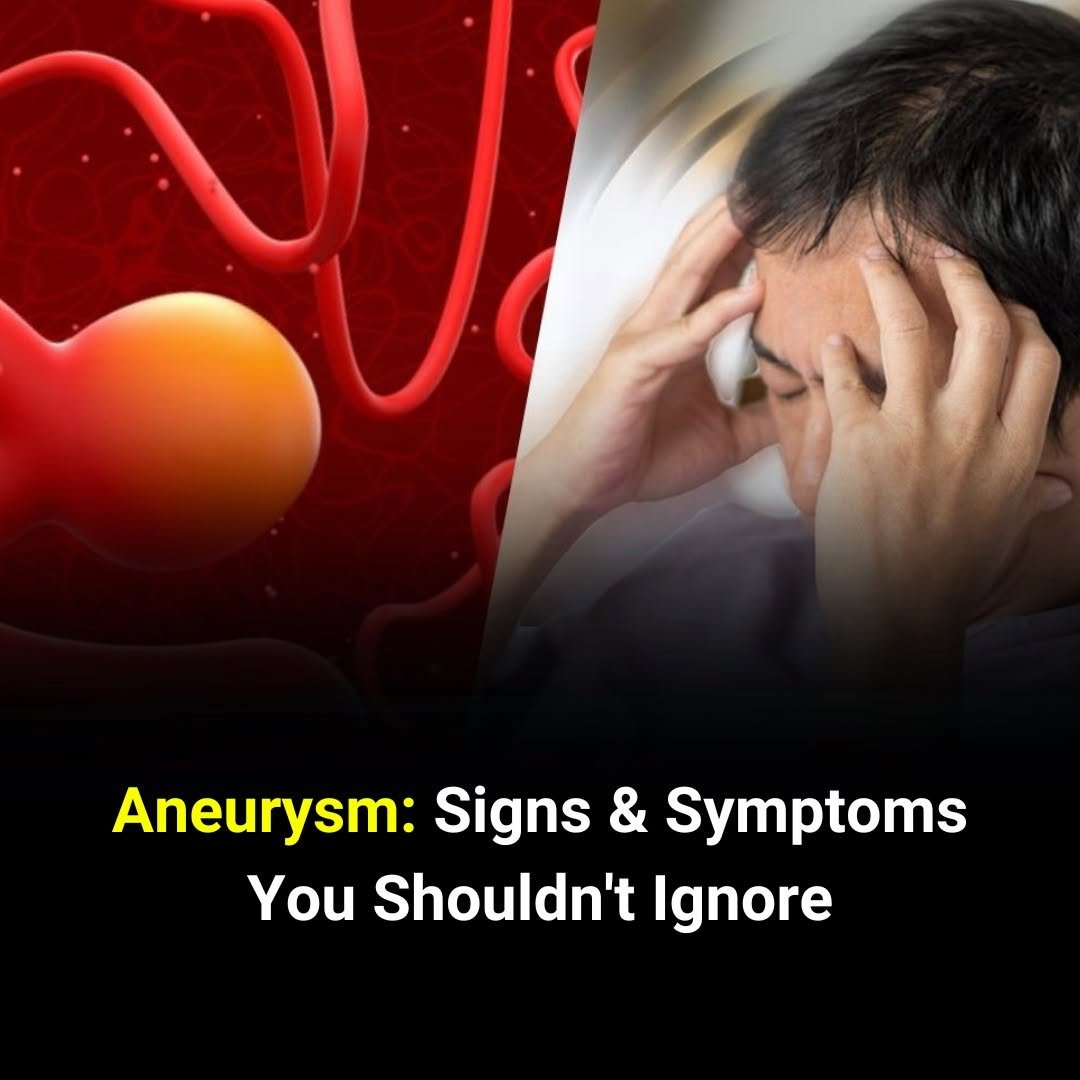
    Doctors Say These Aneurysm Symptoms Require Immediate Attention

    An aneurysm is a weakened area in a blood vessel that can bulge outward, and many aneurysms cause no symptoms until they become complicated. However, if an aneurysm leaks or ruptures, it can become a life-threatening emergency. One of the most recognizable warning signs of a ruptured brain aneurysm is a sudden, extremely severe headache, often described as the worst headache a person has ever experienced. Other possible symptoms include nausea or vomiting, stiff neck, blurred or double vision, sensitivity to light, confusion, seizures, and loss of consciousness. These symptoms should never be dismissed as an ordinary headache, particularly when they begin suddenly and reach severe intensity within seconds or minutes.

    Aneurysms can also develop in the aorta, the body’s major artery. A ruptured or dissecting aortic aneurysm may cause sudden, severe pain in the chest, upper back, abdomen, or side of the body. The pain can sometimes radiate toward the jaw, neck, or arms and may occur with difficulty breathing, swallowing problems, sweating, weakness, or a feeling of impending collapse. An abdominal aortic aneurysm that is enlarging may cause persistent abdominal or back pain and a noticeable throbbing sensation near the belly button. These symptoms do not prove that an aneurysm has ruptured, but sudden or severe symptoms require immediate medical assessment rather than waiting to see whether they disappear.

    The safest response to a sudden, severe, unusual headache, sudden severe chest or abdominal pain, fainting, seizure, confusion, or significant difficulty breathing is to seek emergency medical care immediately. Do not attempt to drive yourself if you are experiencing potentially life-threatening symptoms. Aneurysm risk can be influenced by factors such as high blood pressure, smoking, family history, and certain inherited conditions, so people with significant risk factors should discuss appropriate evaluation with their healthcare professional. Disclaimer: This article is for general educational and health information only and does not constitute medical diagnosis, treatment, or personalized medical advice. A headache or pain does not automatically mean an aneurysm, and many less-serious conditions can cause similar symptoms. However, sudden or severe symptoms described above can represent a medical emergency and should be evaluated without delay. Always verify important health information through reliable medical sources and consult a qualified healthcare professional.

  • This 54-Year-Old Added Ginger to Their Daily Routine — Here’s What They Experienced

    This 54-Year-Old Added Ginger to Their Daily Routine — Here’s What They Experienced

    Adding ginger to a daily routine can be a simple way to introduce more flavor and potentially beneficial plant compounds into the diet. Ginger contains naturally occurring compounds such as gingerols and shogaols, and researchers have studied ginger for nausea, digestive symptoms, menstrual discomfort, osteoarthritis, and several other health outcomes. The strongest evidence is for certain types of nausea, while research also suggests possible benefits for osteoarthritis symptoms and some metabolic markers. For a 54-year-old who adds modest amounts of fresh ginger to meals or drinks, the experience may simply be improved flavor and, for some people, better tolerance of occasional digestive discomfort or nausea. However, research on ginger supplements does not necessarily apply directly to ordinary food portions, and individual results can vary considerably.

    After several weeks of regular use, some people may notice less nausea or digestive discomfort, while others may experience no obvious change at all. An umbrella review of 24 systematic reviews found the strongest evidence for ginger’s anti-nausea effects in pregnancy and modest evidence for reducing osteoarthritis pain, but researchers also emphasized differences in study quality and dosage. Ginger has also been investigated for blood pressure, blood sugar, weight management, and cholesterol, but these findings should not be interpreted as proof that eating ginger daily will prevent or treat these conditions. Importantly, a 54-year-old person should not expect a particular transformation simply because ginger was added to the diet. The overall eating pattern, physical activity, sleep, medications, and existing health conditions are much more important determinants of long-term health.

    There is also a potential downside to consuming large amounts, especially concentrated ginger supplements. NCCIH reports that oral ginger can cause abdominal discomfort, heartburn, diarrhea, and irritation of the mouth or throat. Higher-dose supplements may also interact with some medicines, so people taking prescription drugs should discuss regular supplement use with a healthcare professional. For most people, using ordinary amounts of ginger in cooking, tea, soups, or other foods is a reasonable approach. If daily ginger causes persistent heartburn, abdominal pain, diarrhea, unusual symptoms, or interacts with an existing medication, stop relying on the headline and seek professional advice. Disclaimer: This article is for general educational and nutritional information only and does not constitute medical diagnosis, treatment, or personalized advice. The specific experience of a 54-year-old cannot be determined from a headline alone, and ginger does not guarantee particular health benefits. Always verify health claims through reliable medical sources and consult a qualified healthcare professional for individualized guidance.

  • Waking Up at 3 or 4 in the Morning: What Could It Really Mean?

    Waking Up at 3 or 4 in the Morning: What Could It Really Mean?

    Waking up at 3 or 4 a.m. is not automatically a “clear sign” of one particular disease. Nighttime awakenings are common, and occasional interruptions can happen because of stress, noise, temperature changes, an uncomfortable sleeping environment, caffeine, alcohol, or simply normal variations in sleep. Mayo Clinic notes that waking during the night and waking too early are common symptoms of insomnia, while stress, medications, medical conditions, and sleep-related disorders can all contribute. (mayoclinic.org) As people get older, changes in sleep patterns can also make early-morning awakenings more common. Therefore, the clock time alone is not enough to identify the cause.

    What matters more is what happens when you wake up and whether the pattern keeps occurring. If you wake because you need to urinate several times a night, this may be nocturia, which can have causes ranging from drinking fluids close to bedtime to bladder or prostate problems and other medical conditions. (mayoclinic.org) If you wake up gasping, choking, with a dry mouth, morning headaches, loud snoring, or significant daytime sleepiness, sleep apnea is another possibility worth discussing with a healthcare professional. (mayoclinic.org) Anxiety, persistent pain, acid reflux, certain medications, and other health conditions can also interrupt sleep. The important clue is the combination of symptoms, not simply waking at a particular hour.

    If this happens occasionally and you quickly return to sleep, there may be no reason for concern. But if you regularly wake at 3 or 4 a.m. and cannot fall back asleep, feel exhausted during the day, or notice loud snoring, breathing pauses, frequent urination, pain, or other persistent symptoms, consider speaking with a healthcare professional. Helpful habits include keeping a consistent sleep schedule, limiting caffeine later in the day, avoiding excessive alcohol, creating a comfortable dark bedroom, and avoiding prolonged screen use immediately before bed. (mayoclinic.org) Disclaimer: This article is for general educational and health information only and does not constitute medical diagnosis, treatment, or personalized advice. Waking at 3 or 4 a.m. is not, by itself, proof of a specific illness. Persistent sleep disruption or concerning accompanying symptoms should be evaluated by a qualified healthcare professional, and important health claims should always be verified through reliable medical sources.

  • These 3 Types of Pain May Indicate Lung Cancer — Don’t Overlook Them

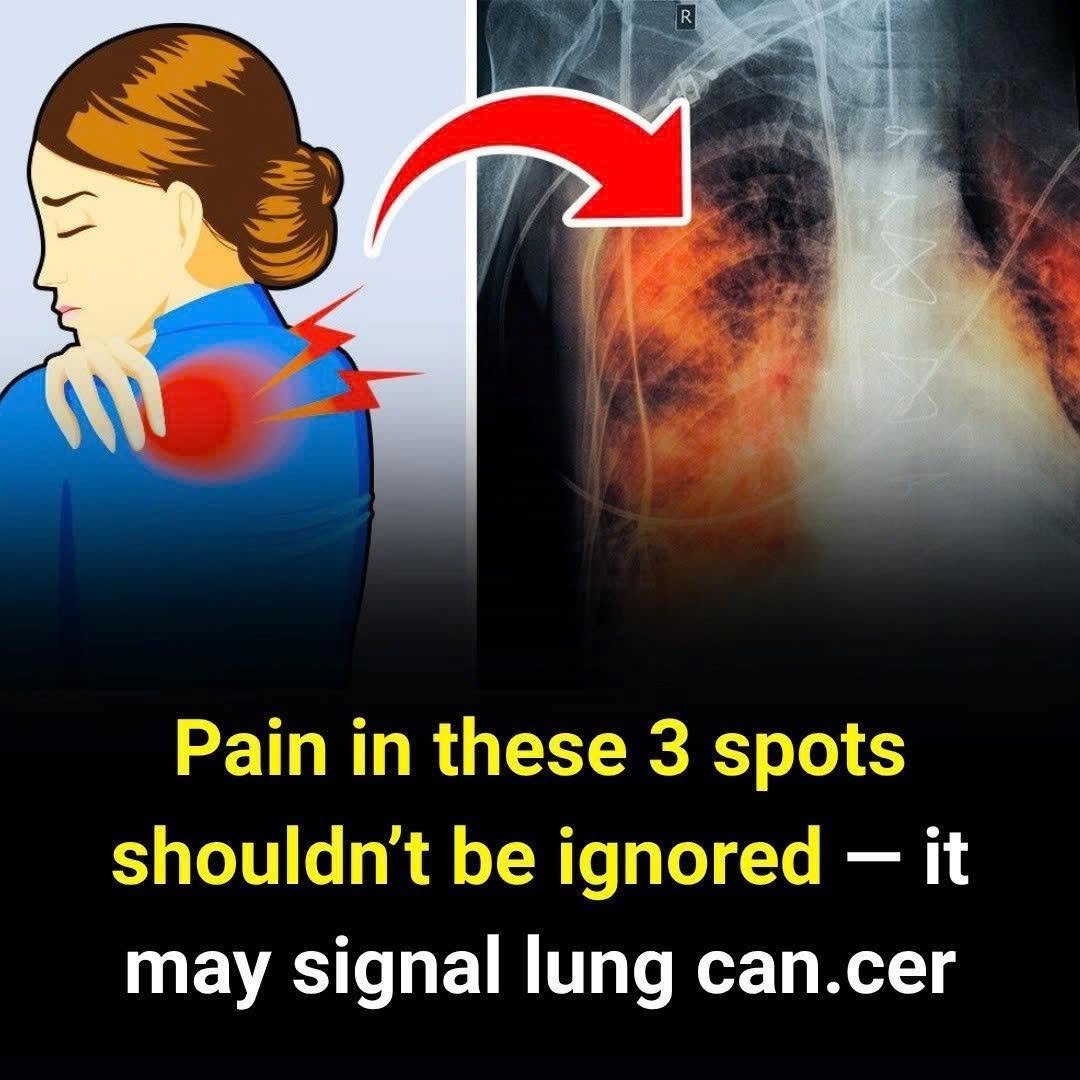
    These 3 Types of Pain May Indicate Lung Cancer — Don’t Overlook Them

    Pain is not usually the first symptom people associate with lung cancer, but chest discomfort or pain can occur, particularly as a tumor affects nearby tissues. According to the National Cancer Institute, possible symptoms of lung cancer include chest pain, persistent cough, difficulty breathing, wheezing, coughing up blood, hoarseness, unexplained weight loss, and fatigue. Three pain patterns deserve particular attention: persistent or unexplained chest pain, especially when it continues or worsens; pain that becomes more noticeable with deep breathing or coughing, which may occur when tissues surrounding the lungs are involved; and persistent pain in the back, shoulder, or other areas, which can occasionally occur when a lung tumor affects nearby structures or when cancer has spread to other tissues. These symptoms are not proof of lung cancer, and much more common conditions—including muscle strain, infections, reflux, arthritis, or other respiratory problems—can cause similar discomfort.

    Another important clue is the pattern and persistence of the pain. Pain that repeatedly returns without an obvious explanation, becomes progressively worse, or occurs alongside a cough that does not go away should be evaluated by a healthcare professional. NCI guidance notes that lung cancer can sometimes cause chest pain, while advanced disease may produce pain from involvement of nearby structures or from spread to bones. It is also possible for lung cancer to cause few or no symptoms in its earlier stages, meaning the absence of pain does not necessarily rule it out. If persistent pain is accompanied by coughing up blood, unexplained weight loss, shortness of breath, worsening cough, hoarseness, or unusual fatigue, medical evaluation becomes especially important. A doctor may use imaging and other tests to determine the actual cause; symptoms alone cannot diagnose cancer.

    The most important message is don’t panic, but don’t ignore unexplained or persistent pain. If you have chest, back, or shoulder pain that continues for several weeks, keeps worsening, or appears together with respiratory symptoms, arrange an evaluation rather than attempting to diagnose yourself online. Sudden severe chest pain, particularly when accompanied by difficulty breathing, fainting, heavy sweating, or other emergency symptoms, requires urgent medical attention. NCI emphasizes that cancer symptoms are often caused by conditions other than cancer, but symptoms that do not improve after a couple of weeks should be assessed by a doctor. Disclaimer: This article is for general educational and health information only and does not constitute medical diagnosis, treatment, or personalized medical advice. Chest, back, and shoulder pain have many possible causes and do not automatically indicate lung cancer. Always verify health information through reliable medical sources and consult a qualified healthcare professional about persistent, worsening, or concerning symptoms.

  • Don’t Ignore These 20 Early Warning Signs That Your Body Could Be Fighting Cancer

    Don’t Ignore These 20 Early Warning Signs That Your Body Could Be Fighting Cancer

    Your body can sometimes develop changes that deserve medical attention, but it is important to remember that most of these symptoms have many possible causes and do not automatically mean cancer. The National Cancer Institute lists several symptoms that can occur with different cancers, including unexplained weight loss, persistent fatigue, an unexplained lump or swelling, unusual bleeding or bruising, persistent fever or night sweats, and changes in the skin. (cancer.gov) Twenty potential warning signs worth knowing include: 1) unexplained weight loss, 2) persistent or unusual fatigue, 3) a new lump or swelling, 4) unexplained bleeding or bruising, 5) persistent fever, 6) unexplained night sweats, 7) a cough or hoarseness that does not go away, 8) persistent difficulty swallowing, 9) ongoing indigestion or heartburn, 10) unexplained abdominal pain, 11) persistent changes in bowel habits, 12) blood in the stool, 13) changes in bladder habits, 14) blood in the urine, 15) a sore that does not heal, 16) a new or changing mole, 17) persistent skin changes such as unusual redness or scaling, 18) persistent headaches or neurological changes, 19) unexplained appetite changes, and 20) persistent or unexplained pain. (cancer.gov)

    The key word is persistent. A headache after a poor night’s sleep, temporary indigestion after a heavy meal, or a bruise after an injury is usually very different from a symptom that repeatedly appears without an obvious explanation. The NCI specifically recommends seeing a doctor when symptoms last for a couple of weeks or do not improve, because cancer is only one possible explanation and other illnesses, injuries, benign growths, infections, or digestive problems can produce similar signs. (cancer.gov) Some changes may deserve particular attention, such as blood in the urine, persistent changes in bowel or bladder habits, an unexplained lump, unusual bleeding, or a skin lesion that changes or fails to heal. It is also important not to wait for pain before seeking evaluation—some cancers may not cause pain in their early stages. (cancer.gov) Screening is equally important because some cancers can be detected before symptoms appear.

    The safest approach is not to diagnose yourself from a symptom checklist, but to notice meaningful changes and get them evaluated when they persist. Depending on the symptoms, a healthcare professional may recommend a physical examination, blood or urine tests, imaging, or other diagnostic procedures. If you experience severe or rapidly worsening symptoms, significant unexplained bleeding, difficulty breathing, neurological changes, or another medical emergency, seek urgent medical care rather than waiting for a routine appointment. Early evaluation does not mean you have cancer—it simply helps identify the actual cause and, when necessary, begin appropriate treatment sooner. Disclaimer: This article is for general educational and health information only and does not constitute medical diagnosis, treatment, or personalized medical advice. These 20 signs are not proof of cancer and are frequently caused by conditions unrelated to cancer. Health claims online may be exaggerated, misleading, or unauthenticated, so always verify important information through reliable medical sources and consult a qualified healthcare professional about persistent or concerning symptoms.

  • Your Body May Be Sending These 8 Warning Signs of Cancer — Don’t Ignore Them

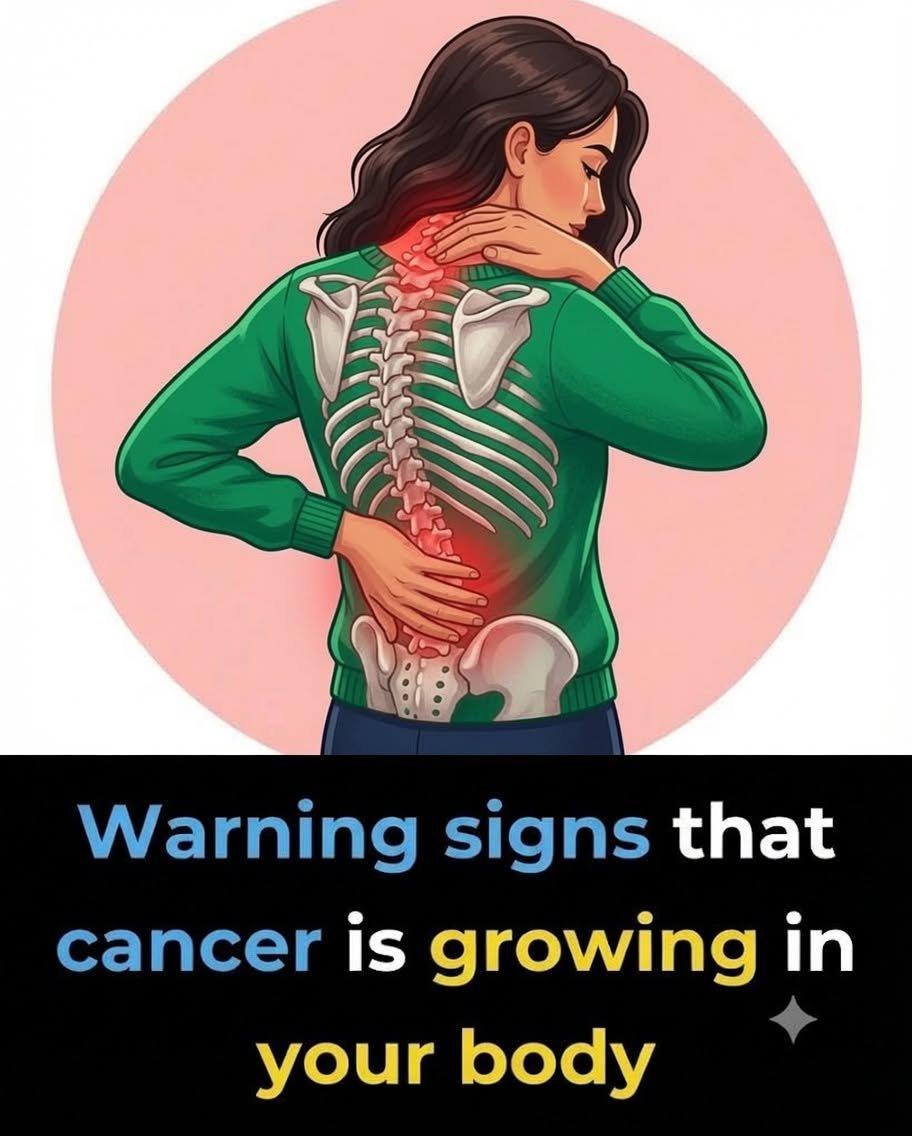
    Your Body May Be Sending These 8 Warning Signs of Cancer — Don’t Ignore Them

    Cancer can develop without obvious symptoms, but certain persistent or unexplained changes in the body deserve medical attention. Eight potential warning signs include an unexplained lump or swelling, unexpected weight loss, unusual bleeding or bruising, a persistent cough or hoarseness, ongoing changes in bowel or bladder habits, a sore that does not heal or a changing mole, persistent unexplained pain, and unusual fatigue that does not improve with adequate rest. The National Cancer Institute and American Cancer Society both list these among possible cancer-related symptoms. For example, blood in the stool or urine, a new lump, a persistent cough, or a skin lesion that changes should not simply be dismissed if the change continues. Importantly, these signs do not mean that someone has cancer; infections, inflammation, benign growths, medications, and many other conditions can cause similar symptoms.

    Another important clue is a change from what is normal for you. Persistent indigestion or difficulty swallowing, recurring fever or unexplained night sweats, appetite changes, or unexplained changes in weight can also warrant evaluation. Some symptoms are particularly important depending on where they occur—for example, a new breast lump or nipple change, blood in the urine, or a persistent change in bowel habits may require specific testing. The American Cancer Society emphasizes that symptoms can vary depending on the type and location of cancer, and many cancers cause no symptoms in their earliest stages. That is why recommended cancer screening is important even when you feel healthy. Screening can sometimes identify cancer before symptoms appear.

    The most important message is don’t panic, but don’t ignore persistent changes either. If a symptom lasts for several weeks, keeps returning, becomes worse, or is unusual for you, arrange an appointment with a qualified healthcare professional. Seek prompt medical attention for concerning symptoms such as unexplained bleeding, a rapidly changing lump, or significant unexplained weight loss. Doctors may use a physical examination, blood or urine tests, imaging, or other investigations depending on the symptoms; a biopsy may be needed to confirm some cancers. Early evaluation does not mean you have cancer—it simply helps determine the real cause and allows appropriate treatment when necessary. Disclaimer: This article is for general educational and health information only and does not constitute medical diagnosis, treatment, or personalized medical advice. Most of these symptoms are more commonly caused by conditions other than cancer, but persistent or unexplained changes should be evaluated by a qualified healthcare professional. Always verify important health information through reliable medical sources.