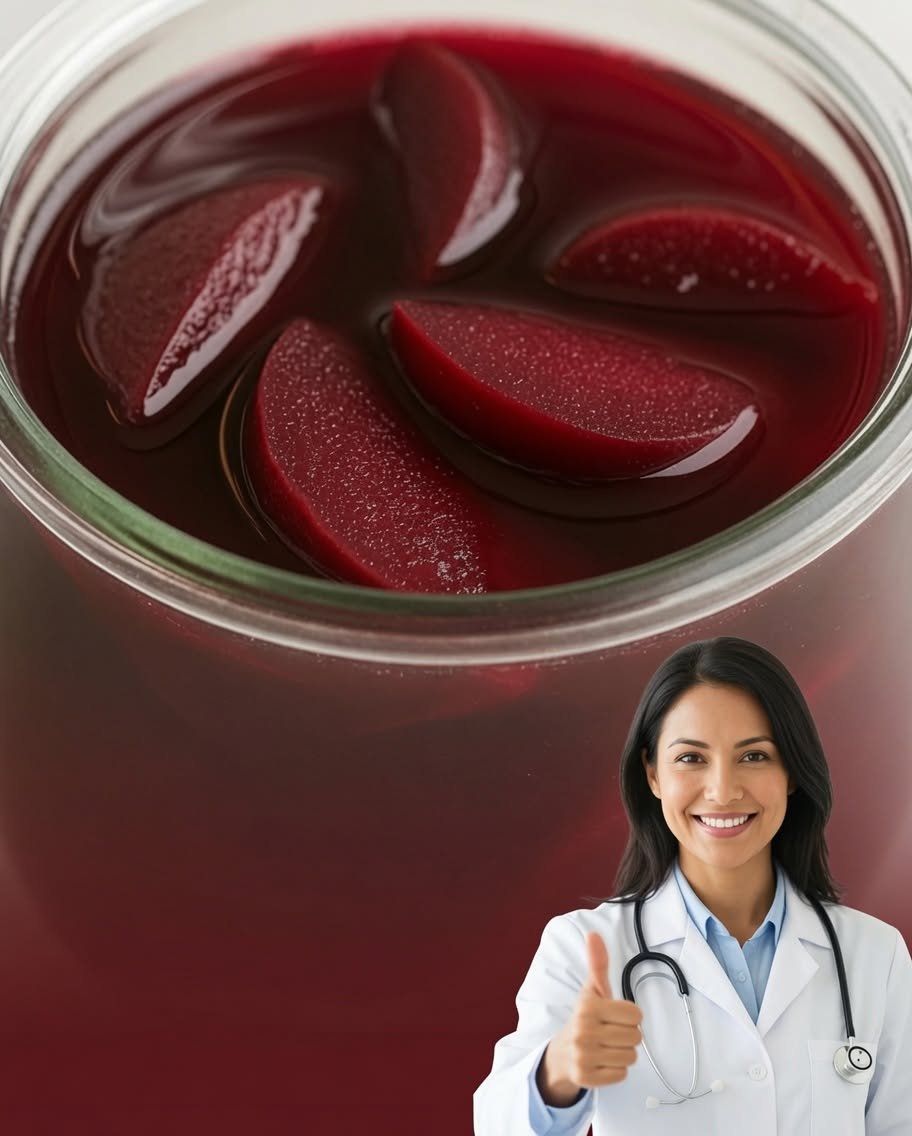
Beets are more than a colorful addition to salads and meals. They contain dietary fiber, antioxidants, folate, potassium, and naturally occurring nitrates, which the body can convert into nitric oxide. This process can help widen blood vessels and improve blood flow, which is why beetroot and beetroot juice have been studied for cardiovascular health and exercise performance. A systematic review of randomized trials found that beetroot juice consumption was associated with modest reductions in blood pressure, although the effects varied according to dose and study duration. (pubmed.ncbi.nlm.nih.gov) Beets may also support digestive health because their fiber contributes to normal bowel function. Recent clinical nutrition guidance continues to describe beets as a nutrient-rich vegetable that can fit well into a balanced eating pattern.
One of the most surprising effects is beeturia, when urine or stool temporarily turns pink or red after eating beets. It can look alarming, but for most people this is a harmless effect caused by beet pigments and is not evidence of internal bleeding. (ncbi.nlm.nih.gov) Some people may also experience bloating, abdominal discomfort, diarrhea, nausea, or other digestive symptoms after consuming large amounts, particularly concentrated beetroot juice. Beets also contain oxalates. Most healthy people do not need to avoid them, but individuals who have experienced certain types of kidney stones may be advised to moderate high-oxalate foods. Because beetroot can lower blood pressure, people taking blood-pressure medication or those who already have low blood pressure should discuss large amounts of beetroot juice or concentrated products with their healthcare professional.
For most people, eating moderate portions of whole beets is a nutritious choice, especially when they are part of a varied diet containing vegetables, fruits, whole grains, legumes, nuts, seeds, and healthy protein sources. There is no need to consume large quantities of beet juice to obtain every possible benefit, and beets should not be promoted as a cure or “detox” for disease. If you notice red urine after eating beets and are unsure whether it is beeturia or blood, do not simply assume it is harmless—seek medical advice, particularly if the discoloration occurs without eating beets or is accompanied by pain or other symptoms. Disclaimer: This article is for general educational and nutritional information only and does not constitute medical diagnosis, treatment, or personalized dietary advice. Beets can affect people differently, and research on concentrated beetroot products does not necessarily apply to ordinary servings of whole beets. Always verify health claims through reliable medical sources and consult a qualified healthcare professional if you have kidney stones, low blood pressure, take relevant medications, or develop concerning symptoms.
Leave a Reply