Category: Uncategorized

  • Entomological Identification: Fly Puparia vs. Bedbug Myth

    Entomological Identification: Fly Puparia vs. Bedbug Myth

    The small, reddish-brown, capsule-like objects shown in the palm are fly puparia (most commonly from houseflies or blowflies). Despite frequent online posts misidentifying these or linking them to severe pest outbreaks, these rigid, smooth capsules represent a standard non-feeding stage of a fly’s life cycle rather than bedbug eggs or parasites.

    Biological Nature and Mechanics

    • Pupal Stage: After a fly maggot finishes feeding, its outer larval skin hardens, darkens, and forms a protective, smooth shell called a puparium. Inside this casing, the insect metamorphoses into an adult fly.
    • Distinction from Bedbugs: Bedbug eggs are significantly smaller (around 1 mm), pearly-white, soft, and translucent. Adult bedbugs are flat, oval, and have visible body segments and legs, whereas fly puparia are completely smooth, legless, cylinder-shaped, and dark reddish-brown.
    • How They End Up on Beds: Fly larvae often migrate away from their breeding site (such as trash, pet food, or decaying organic material) to find a dark, dry, quiet spot to pupate. They can easily crawl into laundry, baseboards, or under bedding before forming their casings.

    Social Media Context and Engagement Farming

    Images of mystery insect casings found in domestic spaces are frequently weaponized on social platforms to exploit household pest anxieties and trigger disgust.

    Content creators leverage these household finds to drive algorithmic reach:

    1. Parasite Panic: Framing common, harmless environmental debris or fly pupae as mysterious bedbug eggs or invasive parasites creates instant anxiety, causing users to stop scrolling.
    2. Open-Ended Engagement: Captioning the image with panicky questions (“I found this on my bed… what is it?”) prompts hundreds of users to comment with guesses, personal pest infestation stories, or incorrect diagnoses.
    3. Monetization Links: Comment sections attached to these viral posts often feature pinned links directing concerned users to ad-heavy blogs or affiliate pages selling unnecessary pest control products.

    Finding a few fly puparia simply calls for inspecting nearby trash bins or laundry hampers for decaying organic matter rather than panicking about a bedbug infestation.

  • Dermatological Reality: Fordyce Spots vs. Sensational Health Claims

    Dermatological Reality: Fordyce Spots vs. Sensational Health Claims

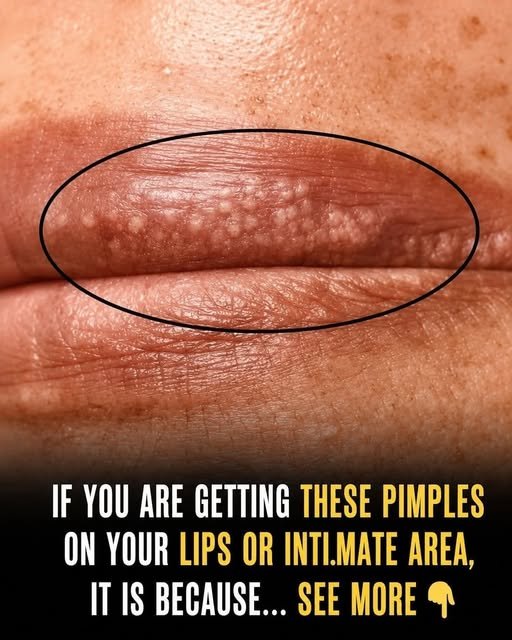
    The close-up image depicts tiny, raised, yellowish-white bumps clustered along the vermilion border of the lip, accompanied by an urgent caption warning viewers not to ignore these signs on their lips or intimate areas. Far from being a dangerous infection or severe medical condition, these lesions are Fordyce spots—a benign, non-contagious anatomical variant found in up to 80% of the adult population.

    Clinical Identification and Etiology

    • Anatomical Nature: Fordyce spots are enlarged, ectopic sebaceous (oil) glands without associated hair follicles. While sebaceous glands are typically attached to hair follicles, Fordyce spots occur visibly on hairless mucosal surfaces such as the lips, inner cheeks, and genital regions.
    • Harmless Characteristics: These spots are completely painless, non-infectious, and do not pose any health risk. They are not sexually transmitted infections (STIs), nor are they a form of herpes or skin cancer.
    • Physiological Onset: While present from birth, Fordyce spots often become significantly more prominent around puberty due to hormonal changes that stimulate gland enlargement.
    • Management: Because Fordyce spots are a normal anatomical feature rather than a disease, medical treatment is generally unnecessary. Attempting to squeeze or pop them can lead to localized irritation, skin damage, or secondary bacterial infection.

    Fear-Based Health Clickbait Tactics

    Social media graphics framing common, benign physical traits as urgent medical threats rely on health anxiety to drive viewer interaction.

    Content creators leverage these tactics to manipulate algorithmic distribution:

    1. Exploiting Medical Anxiety: Suggesting that a common, visible skin feature on the lips or genital area is a warning sign triggers immediate panic, causing users to closely inspect their own skin.
    2. Artificial Cliffhangers: Incomplete sentences like “IF YOU ARE GETTING THESE PIMPLES… IT IS BECAUSE… SEE MORE” deliberately withhold the explanation, forcing users to click external links or search the comment section.
    3. Comment Section Engagement: High-stress medical claims encourage users to comment with personal concerns, tag partners, or ask for diagnoses, generating massive comment volume that artificially boosts the post’s visibility across social feeds.

    While changes in skin texture, painful sores, or spreading rashes should always be evaluated by a medical professional, harmless white bumps on the lips like Fordyce spots require no concern or treatment.

  • Celebrity Gossip Clickbait: Fabricated Quotes and AI/Manipulated Imagery

    Celebrity Gossip Clickbait: Fabricated Quotes and AI/Manipulated Imagery

    The viral image features side-by-side portraits of actor Brad Pitt and his daughter, Shiloh Jolie-Pitt, accompanied by an sensational headline claiming, “Brad Pitt’s daughter has broken her silence: ‘My dad used to…’”. This post relies on fabricated celebrity quotes, out-of-context imagery, and synthetic narrative templates designed to exploit public interest in high-profile Hollywood family dynamics.

    Celebrity Framing vs. Fact-Checking

    • Fabricated Quotes: Neither Shiloh Jolie-Pitt nor any of Brad Pitt’s other children have issued a public interview containing quotes that match the dramatic teaser text. The quote is entirely invented to create a false sense of controversy.
    • Misleading Context: While high-profile legal proceedings surrounding the Jolie-Pitt family dynamics have been widely reported by mainstream news outlets, celebrity clickbait pages invent sensational quotes to manufacture emotional drama beyond established public facts.
    • Reused Imagery: The images used in the graphic are standard red-carpet photography and press headshots cropped together to imply an intimate, interview-style revelation.

    Exploitative Storytelling and Engagement Farming

    Posts containing truncated headlines paired with high-profile celebrity faces represent classic engagement farming designed to drive user traffic.

    Content creators utilize these tactics to manipulate algorithmic reach:

    1. The Incomplete Sentence Hook: By cutting off the headline mid-sentence (“‘My dad used to…’”), the post creates a artificial curiosity gap, prompting users to click external links or scroll through the comments to find the missing text.
    2. Parasocial Exploitation: Leveraging public curiosity about famous families triggers high emotional engagement, leading users to share, argue, or express sympathy in the comments.
    3. Monetized Outbound Traffic: The links associated with these posts almost exclusively lead to ad-heavy content farms, endless slideshows, or monetization sites that never fulfill the headline’s promise.

    When encountering dramatic headlines about public figures that use incomplete quotes or sensational claims, checking verified news outlets directly avoids falling for clickbait engagement traps.

  • Public Restroom Safety: Understanding the “Red Spots on Toilet Paper” Claim

    Public Restroom Safety: Understanding the “Red Spots on Toilet Paper” Claim

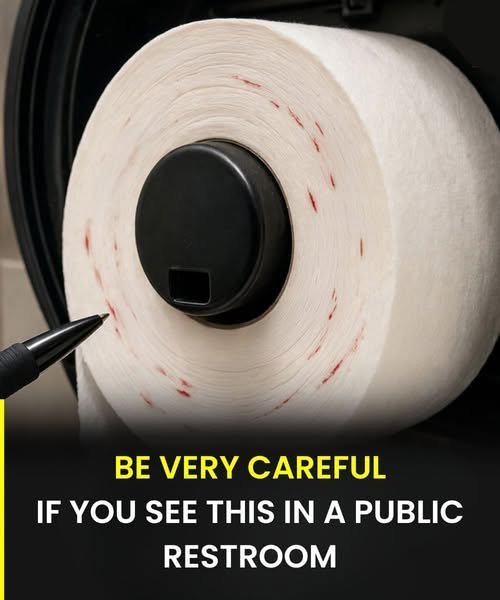
    The viral graphic shows a roll of public restroom toilet paper marked with tiny red specks, accompanied by an urgent warning advising people to be extremely cautious. This image represents a widely circulated internet warning that mixes a rare real-world behavior with sensationalized public health panic.

    The Claim: Harm Reduction vs. Contamination Myths

    • The Urban Myth Origins: Social media posts frequently claim that red or brown specks on toilet paper rolls are blood left behind by intravenous drug users wiping dirty needles to clean them before reuse.
    • Real-World Rarity: While some harm-reduction and public health advocates note that needle-wiping on paper rolls can occasionally happen in areas with high rates of public drug use, it is an extremely rare occurrence rather than a widespread public restroom hazard.
    • Medical Risk Profile: Viruses like HIV decay rapidly once exposed to air and dried on porous surfaces. While Hepatitis B and C survive longer in blood, transmission still requires significant blood-to-blood or direct mucous membrane exposure, making contractible infection from brief contact with dry, spotted paper biologically unlikely.
    • Common Alternative Causes: In most cases, red or pink markings on public toilet paper come from ordinary factors—such as ink transfer from paper roll manufacturing, dispenser rust, dye bleeding, or someone with a bleeding finger or menstrual blood touching the roll.

    Fear-Based Health Clickbait Tactics

    Graphics framed with vague, alarming text like “BE VERY CAREFUL IF YOU SEE THIS IN A PUBLIC RESTROOM” are textbook examples of fear-driven engagement farming.

    Content creators use these sensational formats to maximize platform performance:

    1. The Fear and Disgust Trigger: Depicting blood or bodily fluids on everyday hygiene items evokes immediate disgust and concern, forcing users to stop scrolling.
    2. Artificial Mystery (The Clickbait Hook): Withholding the explanation in the image text (“if you ever go into a public restroom and see this…”) forces users to click the post, view advertisements, or open the comment section.
    3. Comment Section Amplification: Alarmist warnings encourage thousands of users to tag friends, recount personal stories, or debate safety, generating massive comment engagement that tricks platform algorithms into promoting the post.

    Recommended Hygiene Practice

    If you ever encounter a toilet paper roll in a public restroom with visible discoloration, blood, or damage, simply avoid using that specific roll and inform facility management. However, there is no need to panic—the actual risk of contracting a disease from dried marks on paper remains extraordinarily low.

  • Anatomical Reality: Sleep Position and Acid Reflux

    Anatomical Reality: Sleep Position and Acid Reflux

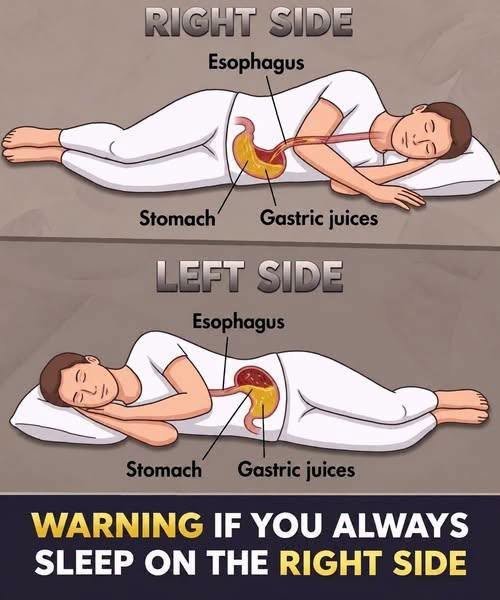
    The graphic illustrates the anatomical position of the stomach relative to the esophagus when sleeping on the right versus left side, accompanied by an ominous banner warning: “WARNING IF YOU ALWAYS SLEEP ON THE RIGHT SIDE”. Unlike many health-related memes, the core digestive mechanic depicted here is grounded in real medical physiology.

    The Science: Left Side vs. Right Side Sleeping

    • Stomach Anatomy & Acid Reflux: The human stomach sits on the left side of the abdomen. When sleeping on the left side, the gastroesophageal junction stays above the level of gastric acid, allowing gravity to keep stomach juices contained.
    • The Problem with Right-Side Sleeping: Sleeping on the right side positions the stomach above the esophageal sphincter. Gravity can cause gastric acid to pool against the lower esophageal sphincter, increasing the likelihood of acid leaking upward, which triggers heartburn or Gastroesophageal Reflux Disease (GERD) symptoms.
    • Pregnancy Considerations: Left-side sleeping is also frequently recommended during pregnancy because it keeps the uterus from placing pressure on the inferior vena cava, enhancing blood flow to the heart and fetus.

    Sensational Formatting and Clickbait Tactics

    While the underlying digestive anatomy is accurate, graphics framed with high-contrast text and urgent warnings exploit health anxiety to maximize audience interactions.

    1. Alarmist Framing: Using words like “WARNING” in bold yellow lettering turns a standard lifestyle tip into an artificially urgent medical crisis.
    2. Engagement Farming: Incomplete titles or broad claims prompt users to comment with their own sleeping habits, driving comment counts that boost algorithmic visibility across feeds.
    3. Oversimplification: While left-side sleeping helps with GERD, sleeping on the right side is not inherently dangerous for healthy individuals without acid reflux.
  • Entomological and Clinical Reality: Bedbug Infestations and Skin Reactions

    Entomological and Clinical Reality: Bedbug Infestations and Skin Reactions

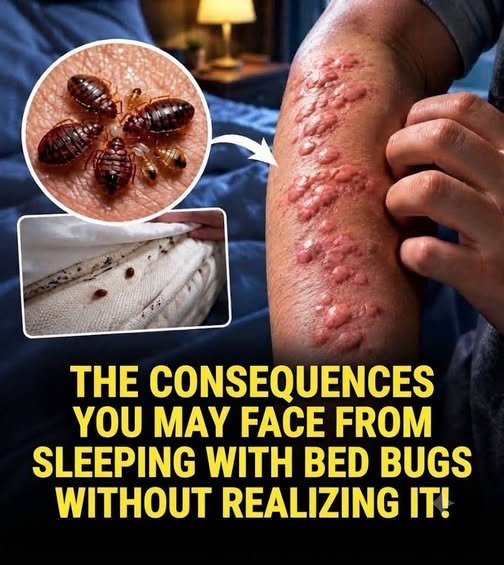
    The graphic combines close-up circular insets of bedbugs (Cimex lectularius) and mattress seams with a main image showing a severe, blistering skin rash on an forearm. While bedbugs are a genuine public health nuisance, the sensationalized image overstates typical clinical reactions to produce a dramatic visual warning.

    Bedbug Bites vs. Sensationalized Images

    • Typical Bite Presentation: Real bedbug bites generally present as small, itchy, red papules or welts, often arranged in a line or cluster along areas exposed during sleep (frequently referred to as the “breakfast, lunch, and dinner” pattern).
    • Exaggerated Visuals: The severe, densely grouped blistering rash shown on the arm in the main image is far more characteristic of severe contact dermatitis (such as exposure to poison ivy), secondary bacterial infections, or shingles rather than typical bedbug feeding marks.
    • Health Risks: Bedbugs do not transmit infectious diseases to humans during feeding. However, excessive scratching of itchy bites can break the skin, leading to secondary bacterial skin infections like impetigo or cellulitis, alongside anxiety and sleep disruption.

    Fear-Based Health Clickbait and Engagement Tactics

    Social media posts combining extreme biological imagery with alarming text like “THE CONSEQUENCES YOU MAY FACE FROM SLEEPING WITH BED BUGS…” rely on fear-driven engagement farming.

    Content creators exploit household anxieties and parasite phobias to boost platform distribution:

    1. Visual Shock Value: Pairings of insect close-ups and severe skin lesions trigger immediate revulsion, causing users to stop scrolling and examine the post.
    2. Incomplete Headlines: Truncating captions (“These Are the Consequences of Sleeping with..”) forces users to click open the post or check the comments to see the full warning.
    3. Comment Section Manipulation: Viewers naturally react with anxiety, horror, or personal extermination tips in the comments, generating high interaction volume that prompts social algorithms to amplify the post’s reach to monetize through linked ad sites.

    While identifying mattress stains and proper pest management are essential for controlling bedbugs, alarmist posts often exaggerate medical symptoms solely to farm views and traffic.

  • Microscopic Biology: Demodex Mites and Eyelashes

    Microscopic Biology: Demodex Mites and Eyelashes

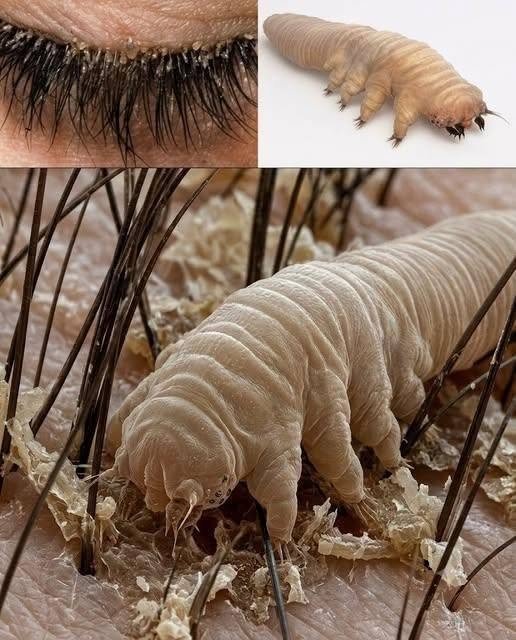
    The microscopic organism shown in the graphic is a Demodex mite (specifically Demodex folliculorum or Demodex brevis), microscopic arachnids that inhabit human hair follicles and sebaceous glands, particularly on the face, eyelashes, and eyebrows.

    Biology and Hygiene Realities

    • Commensal Organisms: Demodex mites are a normal part of the human skin microbiome. Virtually all adults host these harmless organisms, which feed on natural skin oils (sebum) and dead skin cells without causing any noticeable issues.
    • Overgrowth Factors: While their presence is entirely normal, sleeping with eye makeup or mascara on can trap oil, dead skin, and bacteria around the hair follicles. This excess debris creates an ideal environment for mite populations to rapidly multiply.
    • Symptoms of Demodicosis: An overgrowth of these mites can lead to eyelid inflammation (blepharitis), causing symptoms such as crusty or sticky eyelashes (as seen in the top-left inset photo), redness, itching, dry eyes, or loss of eyelashes. Proper nightly facial hygiene and eye makeup removal naturally prevent overgrowth.

    Fear-Based Shock Value and Clickbait Tactics

    Viral graphics displaying high-magnification electron microscope imagery paired with unfinished headlines like “Here are the consequences of sleeping with…” represent standard disgust- and fear-based engagement farming.

    Content creators exploit microscopic imagery to drive social media interactions:

    1. Sensationalizing Normal Biology: Presenting routine human skin microorganisms under extreme magnification evokes a visceral reaction of shock or disgust, causing users to pause and inspect the image.
    2. Incomplete Captions for Curiosity: Omitting the object of the sentence (“…sleeping with makeup on”) forces users to open the comments section or click external links to figure out what behavior is allegedly being warned against.
    3. Driving Comment Section Activity: Viewers frequently express disgust or debate hygiene practices in the comments, generating high engagement metrics that boost the post’s algorithmic reach across feeds.

    While sleeping in makeup can contribute to minor skin and eye irritation due to bacterial buildup and mite overgrowth, Demodex mites themselves are standard, harmless residents of human skin.

  • Sleep Physiology: Why You Wake Up Between 3 A.M. and 4 A.M.

    Sleep Physiology: Why You Wake Up Between 3 A.M. and 4 A.M.

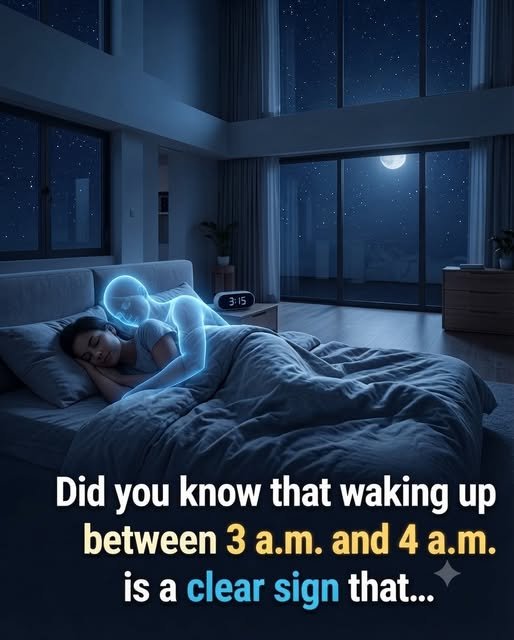
    The viral image displays an AI-generated scene of a sleeping person paired with a glowing figure and a classic cliffhanger prompt asking, “Did you know that waking up between 3 a.m. and 4 a.m. is a clear sign that…”. While online posts frequently attribute mid-night awakenings to spiritual occurrences, paranormal activity, or severe medical conditions, waking up around 3:00 A.M. to 4:00 A.M. is actually a routine physiological function tied to human sleep architecture and circadian rhythms.

    The Science of Sleep Cycles and Cortisol

    • Sleep Cycle Shifts: Sleep progresses in approximately 90-minute cycles, alternating between deep slow-wave sleep and REM (Rapid Eye Movement) sleep. Deep sleep dominates the first half of the night, whereas the second half (typically around 3:00 A.M. onward) consists mostly of lighter REM and stage 2 sleep, making a person far more susceptible to waking up from minor internal or external disturbances.
    • Cortisol and Temperature Rhythms: Core body temperature reaches its lowest point around 3:00 A.M. to 4:00 A.M., while the body begins naturally releasing small amounts of cortisol—the hormone that readies the body to wake up—in anticipation of morning.
    • Common Physical Triggers: Waking during this window is frequently triggered by mundane factors, including nocturnal blood sugar drops (especially if eating high-carb snacks before bed), alcohol metabolism (which disrupts REM sleep mid-night), sleep apnea, a full bladder, or environmental temperature changes.

    Health Anxiety Clickbait and Engagement Tactics

    Graphics implying that a specific waking time carries a sinister or sensational meaning rely heavily on medical and psychological engagement farming.

    Content creators leverage universal experiences to manipulate platform algorithms:

    1. Relatable Hook: Occasional early morning awakenings affect millions of adults, making the headline immediately relevant to a massive scrolling audience.
    2. Sensational Imagery and Cliffhangers: Depicting a ghostly glowing figure while leaving the sentence incomplete (“is a clear sign that…”) exploits curiosity and anxiety, compelling users to click through or search the comment section for an answer.
    3. Driving Comment Engagement: Open-ended sleep prompts lead hundreds of users to share their own sleep struggles or debate superstitious theories, generating high comment volume that boosts organic distribution across social feeds.

    While brief awakenings between 3:00 A.M. and 4:00 A.M. are a natural part of human sleep architecture, chronic insomnia or disrupted sleep accompanied by daytime fatigue should be discussed with a healthcare professional rather than analyzed via social media posts.

  • Toxic Cucurbit Syndrome: Bitter Gourds and Sensationalized Health Warnings

    Toxic Cucurbit Syndrome: Bitter Gourds and Sensationalized Health Warnings

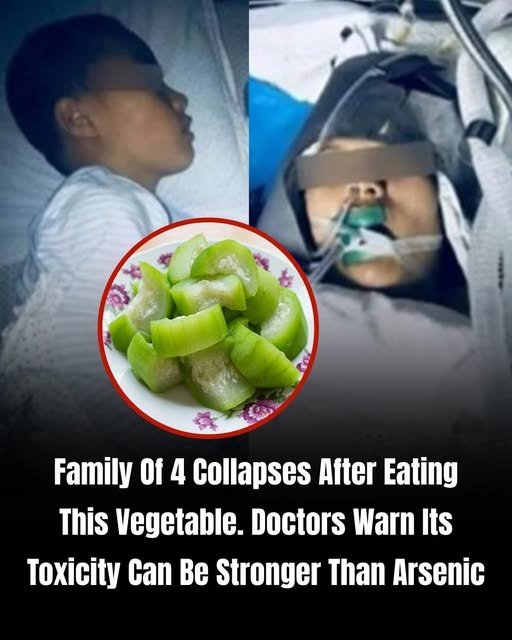
    The image depicts sliced bottle gourd (often called lauki or sponge gourd) alongside sensational headlines claiming a family collapsed and that its toxicity is “stronger than arsenic”. While the extreme comparison to arsenic is sensationalized clickbait, there is a genuine medical condition behind bitter gourds: Toxic Cucurbit Poisoning (or Toxic Squash Syndrome).

    The Chemistry: Cucurbitacin Toxicity

    • Natural Defense Mechanism: Members of the Cucurbitaceae family—which includes bottle gourds, cucumbers, squashes, and pumpkins—produce natural biochemical compounds called cucurbitacins. These compounds impart a distinct bitter taste designed to protect the plants against insects and herbivores.
    • Cultivated vs. Wild/Stressed Plants: Standard commercially grown gourds are bred to have negligible, safe levels of cucurbitacins. However, cross-pollination, high temperatures, drought stress, or improper storage can trigger a surge in cucurbitacin levels, making the vegetable intensely bitter and toxic.
    • Clinical Symptoms: Ingesting abnormally bitter gourd juice or flesh can cause severe gastrointestinal distress, including nausea, severe vomiting, abdominal cramps, hematemesis (vomiting blood), gastrointestinal bleeding, and a sharp drop in blood pressure.

    The Rule of Thumb: Avoid Bitter Gourds

    1. Taste-Test Before Cooking: Always taste a tiny slice of raw bottle gourd or cucumber before cooking or juicing it.
    2. Discard Instantly: If it tastes noticeably bitter, discard the entire vegetable immediately. Neither cooking, boiling, nor adding spices neutralizes cucurbitacins.
    3. Seek Medical Care: If someone experiences severe abdominal pain or vomiting after eating a bitter gourd, they should seek medical attention promptly for hydration and supportive care.

    Sensational Clickbait vs. Medical Facts

    Social media graphics claiming a vegetable is “more toxic than arsenic” manipulate real medical warnings into viral fear-mongering:

    • Sensational Hyperbole: Comparing rare plant poisoning to heavy metal toxins like arsenic is scientifically inaccurate and designed to maximize fear.
    • Engagement Farming: Using alarming hospital imagery and withholding the name of the vegetable forces users to click through, leave comments, and share the post out of panic.

    While toxic cucurbit poisoning is a real medical risk, simple kitchen precautions—discarding any gourd that tastes bitter—completely eliminate the hazard.

  • Botanical Reality: Hollow Heart Condition in Watermelons

    Botanical Reality: Hollow Heart Condition in Watermelons

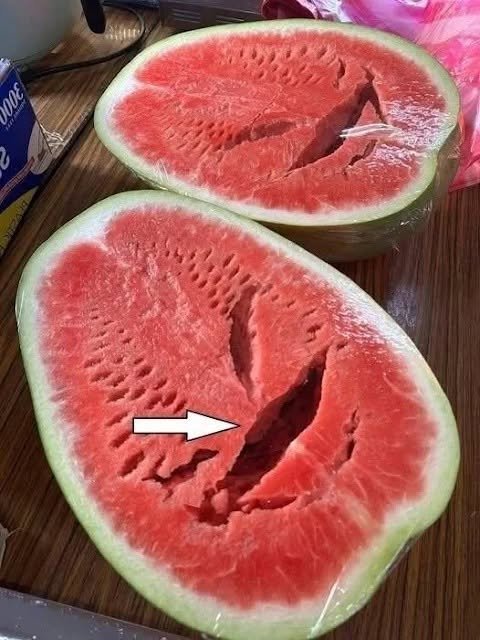
    The internal cracking shown inside the sliced watermelon is a naturally occurring agricultural phenomenon known as hollow heart disorder. Despite persistent internet rumors claiming these cracks are caused by harmful chemicals or growth hormones, watermelons with hollow heart are completely safe to eat.

    Causes of Hollow Heart Disorder

    • Inadequate Pollination: The primary cause of hollow heart is poor or incomplete pollination during early fruit development. If bees do not transfer enough pollen to the flower, seed development is uneven, causing internal flesh to pull apart as the fruit expands.
    • Rapid Growth Spurt: Environmental fluctuations—such as sudden heavy rainfall or temperature spikes following a dry spell—can cause the fruit to grow too rapidly, creating stress cracks in the center.
    • Flavor Profile: Watermelons affected by hollow heart are actually known to be sweeter in taste because sugars concentrate more densely along the internal splits.

    Fear-Based Health Claims and Clickbait Tactics

    Social media headlines warning readers to “Stop eating it immediately!” rely on alarmist health misinformation to manipulate audience behavior.

    1. Exploiting Food Safety Anxiety: Framing a harmless botanical defect as a dangerous chemical hazard triggers immediate fear, prompting users to share the warning with friends and family.
    2. Fabricated Health Myths: Viral posts often falsely claim that hollow heart is caused by “forchlorfenuron” (a plant growth regulator) or toxic pesticides to create an artificial sensation.
    3. Driving Monetized Traffic: Sensationalized graphics use arrows and urgent warnings to lure readers into clicking external links, boosting ad revenue for content farms.

    Unless the fruit shows signs of actual spoilage—such as a sour odor, slimy texture, or mold—a watermelon with internal cracks is safe and delicious to consume.