Category: Uncategorized

  • This Everyday Root Vegetable Has Become a Daily Staple in One Village — Scientists Wanted to Know Why

    This Everyday Root Vegetable Has Become a Daily Staple in One Village — Scientists Wanted to Know Why

    One root vegetable that has attracted considerable scientific interest is the sweet potato, a naturally nutrient-rich food that has been a traditional staple in several communities around the world. In Okinawa, Japan, for example, sweet potatoes historically provided a major share of vegetable intake in the traditional diet. Sweet potatoes are especially valuable because they provide dietary fiber, potassium, vitamin C, and other micronutrients, while orange-fleshed varieties are particularly rich in beta-carotene, which the body can convert into vitamin A. A systematic review of human studies found evidence suggesting that sweet potato consumption may improve vitamin A status and may have favorable effects on measures such as blood glucose, blood pressure, constipation, and certain liver-related biomarkers, although researchers emphasized that the overall evidence remains limited and more long-term trials are needed. This makes the humble root vegetable interesting to researchers—but it does not make it a miracle food.

    Scientists have also investigated what happens when sweet potatoes become a regular part of everyday diets. In controlled studies, daily consumption of orange-fleshed sweet potatoes has been associated with increases in blood beta-carotene levels, particularly among people with low vitamin A status. Another study involving Bangladeshi men found that daily cooked sweet potato consumption had a positive effect on vitamin A stores compared with a low-vitamin-A control diet. These findings help explain why communities that traditionally consume nutrient-rich root vegetables may attract scientific attention. However, researchers cannot simply look at one village’s diet and conclude that the vegetable alone explains good health or longevity. Lifestyle, physical activity, genetics, overall food intake, healthcare access, socioeconomic conditions, and many other factors can influence health outcomes. Even observational research involving sweet-potato consumption and mortality cannot prove that the vegetable itself caused people to live longer.

    The practical lesson is that traditional foods can offer valuable nutritional benefits when they are part of a varied, balanced diet. Sweet potatoes can be prepared boiled, baked, or otherwise cooked and paired with protein-rich foods, vegetables, legumes, or other whole foods to create a balanced meal. Their naturally occurring beta-carotene and fiber make them a useful addition to many eating patterns, but eating enormous quantities or relying on one food exclusively is not a scientifically supported strategy for preventing disease. Researchers continue to study traditional diets because they can reveal affordable, accessible foods with potentially valuable nutritional properties. Disclaimer: This article is for general educational and informational purposes only and does not constitute medical or nutritional advice. Research on sweet potatoes is promising in some areas, but it does not prove that eating them daily guarantees longevity, prevents disease, or produces a specific health outcome. Always verify nutrition claims through reliable scientific sources and consult a qualified healthcare professional for personalized dietary guidance.

  • Doctors Explain Why Eggs May Be One of the Best Breakfast Choices

    Doctors Explain Why Eggs May Be One of the Best Breakfast Choices

    Eggs have earned a place at the breakfast table for a good reason: they are a convenient source of high-quality protein and several important nutrients. A typical egg provides protein along with choline, vitamin B12, vitamin A, selenium, and other micronutrients. (hsph.harvard.edu) Protein at breakfast can also make a meal more satisfying, which may help some people manage hunger throughout the morning. Eggs are particularly practical because they can be prepared in many simple ways without requiring large amounts of added sugar. Their nutritional profile also includes choline, an essential nutrient involved in normal brain function and other biological processes. (hsph.harvard.edu) However, calling eggs universally “the best” breakfast would be too strong. A healthy breakfast can take many forms, and the overall quality of the diet matters more than relying on one particular food.

    For years, eggs received criticism because their yolks contain dietary cholesterol, but modern nutrition guidance places greater emphasis on the entire dietary pattern, particularly saturated fat, fiber, and the foods eaten alongside eggs. The American Heart Association’s 2026 dietary guidance says that, for most people, dietary cholesterol is no longer a primary target for cardiovascular disease risk reduction and supports moderate egg consumption within a heart-healthy eating pattern. (heart.org) Harvard’s Nutrition Source similarly notes that moderate egg consumption can fit into a healthy diet, while emphasizing that foods such as vegetables, fruits, whole grains, nuts, and plant-based protein sources remain important. (hsph.harvard.edu) The way eggs are prepared also matters: boiled or lightly cooked eggs paired with vegetables and whole grains can create a more nutrient-dense breakfast than eggs regularly combined with heavily processed meats and large amounts of saturated fat.

    Ultimately, eggs can be an affordable, versatile, protein-rich breakfast option, but they work best as part of a balanced eating pattern rather than as a miracle food. Pairing eggs with vegetables, whole-grain foods, beans, or fruit can increase the variety of nutrients and fiber in the meal. People with diabetes, abnormal cholesterol levels, cardiovascular disease, or specific dietary restrictions may need individualized advice about how frequently to eat eggs. The key is to focus on the quality of the entire diet, maintain appropriate portions, stay physically active, and manage other cardiovascular risk factors such as blood pressure and cholesterol. (heart.org) Disclaimer: This article is for general educational and informational purposes only and does not constitute medical or nutritional advice. Individual dietary needs vary, and no single food guarantees better health or prevents disease. Always verify nutrition claims through reliable scientific and medical sources and consult a qualified healthcare professional for personalized dietary guidance.

  • Many People Blame the Wrong Thing for Their Hip Pain, Doctors Warn

    Many People Blame the Wrong Thing for Their Hip Pain, Doctors Warn

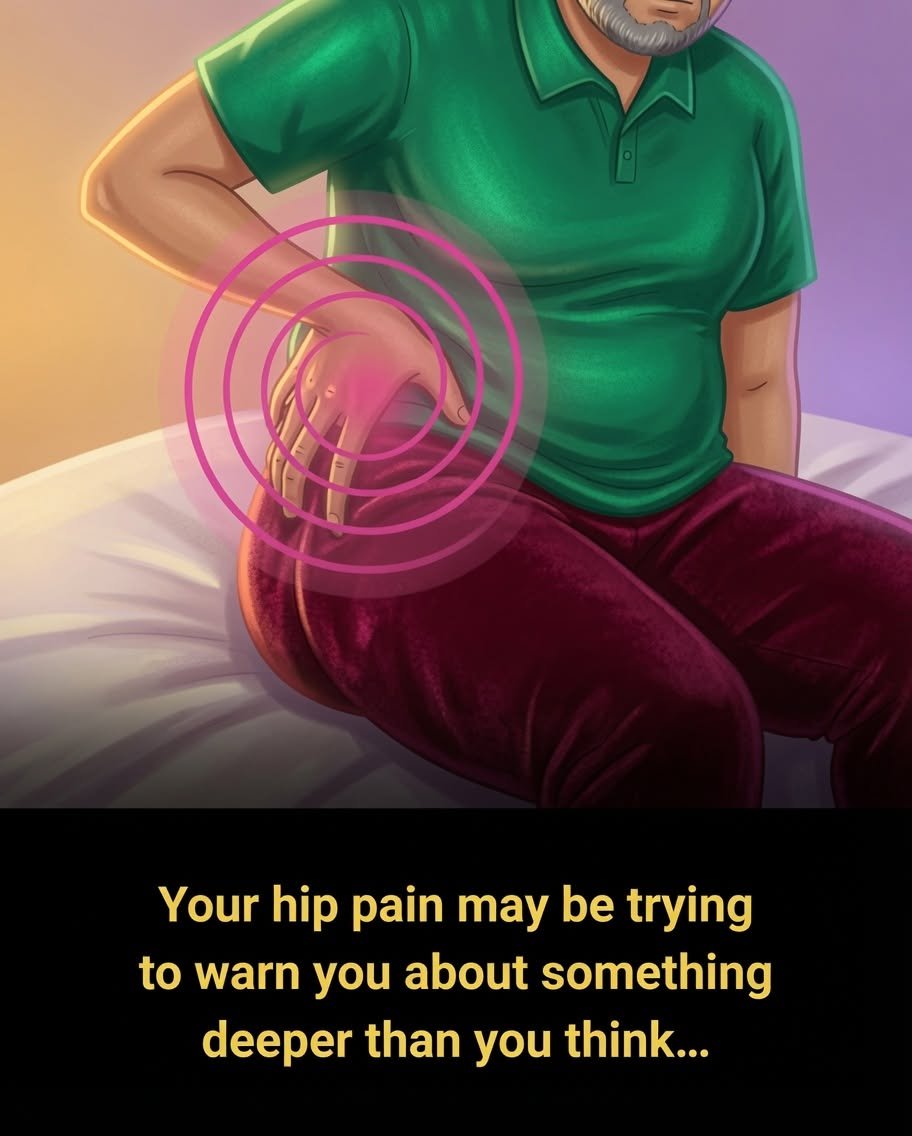
    Hip pain is often blamed on aging, exercise, or simply “wear and tear,” but the true source can be more complicated. Pain felt around the hip does not always originate inside the hip joint itself. Problems involving the lower back, nerves, muscles, tendons, or surrounding soft tissues can sometimes create pain that is felt around the hip, buttock, thigh, or even knee. Common causes include osteoarthritis, muscle strains, tendon problems, bursitis, injuries, and certain nerve conditions. Osteoarthritis, for example, commonly produces pain and stiffness around the groin and can make walking or everyday movements more difficult. This is why assuming that every hip ache is simply “old age” can potentially delay appropriate evaluation and treatment.

    The location and pattern of the pain can provide useful clues. Pain deep in the groin is more commonly associated with the hip joint, while pain on the outside of the hip or upper thigh may involve surrounding muscles, tendons, or bursae. Hip bursitis, for instance, can cause pain over the outer hip that may become worse when lying on that side, walking for long periods, climbing stairs, or getting up after sitting. Meanwhile, lower-back problems or irritated nerves can produce pain that travels toward the buttock, hip, thigh, or leg. Because several conditions can produce overlapping symptoms, trying to identify the cause solely from where the pain is felt can be misleading. A healthcare professional may need to assess movement, strength, gait, and other symptoms before determining the likely source.

    Ignoring persistent hip pain is not always a good strategy. If discomfort is getting worse, repeatedly returning, affecting sleep or normal activities, or continuing for more than a couple of weeks, professional assessment is appropriate. Sudden severe pain after a fall or injury, inability to put weight on the leg, significant swelling, fever, or a hot and swollen hip requires more urgent medical attention. For everyday prevention and management, maintaining healthy body weight, staying physically active, using appropriate footwear, and performing suitable strengthening or mobility exercises may support joint health, although treatment should depend on the underlying cause. Disclaimer: This article is for general educational and informational purposes only and does not constitute medical advice, diagnosis, or treatment. Hip pain can have many causes, and symptoms alone cannot establish a diagnosis. Always verify health information through reliable medical sources and consult a qualified healthcare professional for persistent, severe, or unexplained pain.

  • Noticed Your Veins Becoming More Visible? Here’s What Could Be Behind It

    Noticed Your Veins Becoming More Visible? Here’s What Could Be Behind It

    More visible veins can be completely normal, especially when they appear on the hands, arms, legs, or feet. Veins may become easier to see when body fat decreases, muscle mass increases, temperatures rise, or physical activity temporarily increases blood flow. Genetics also plays a role, so some people naturally have more prominent superficial veins than others. As people get older, skin can become thinner and lose some of its elasticity, making veins more noticeable. (clevelandclinic.org) Exercise can temporarily make veins appear more prominent because increased blood flow and pressure in working muscles can cause superficial veins to stand out. (clevelandclinic.org) Therefore, seeing veins more clearly does not automatically mean something is wrong with your circulation or heart.

    However, new or unusual changes in veins deserve more attention, particularly when they occur with other symptoms. Prominent veins in the legs can sometimes be associated with varicose veins, which develop when valves inside the veins do not work effectively and blood pools within the vessels. (nhs.uk) Varicose veins may appear twisted, enlarged, or bulging and can sometimes cause aching, heaviness, swelling, itching, or discomfort after prolonged standing. (nhs.uk) A sudden change accompanied by swelling, warmth, redness, tenderness, or pain in one limb is more concerning because it can occur with a blood clot such as deep vein thrombosis (DVT). (nhs.uk) Similarly, veins that become unusually prominent together with significant swelling or skin changes should be evaluated rather than dismissed as a cosmetic issue.

    The best approach is to consider when and how the veins became more visible. If they have always been prominent and you feel well, they may simply reflect your genetics, body composition, age, or activity level. Staying physically active, maintaining a healthy weight, avoiding prolonged periods of sitting or standing when possible, and following a balanced diet can support overall cardiovascular and vascular health. (nhs.uk) But if visible veins appear suddenly or are accompanied by persistent swelling, pain, warmth, redness, skin discoloration, or other unexplained symptoms, arrange an evaluation with a qualified healthcare professional. Disclaimer: This article is for general educational and informational purposes only and does not constitute medical advice, diagnosis, or treatment. Visible veins are often harmless, but their significance depends on the location, timing, and accompanying symptoms. Always verify health information through reliable medical sources and seek professional evaluation for sudden or concerning changes.

  • What You Should Know About Fatty Liver Disease, Including Symptoms and Ways to Support Liver Health

    What You Should Know About Fatty Liver Disease, Including Symptoms and Ways to Support Liver Health

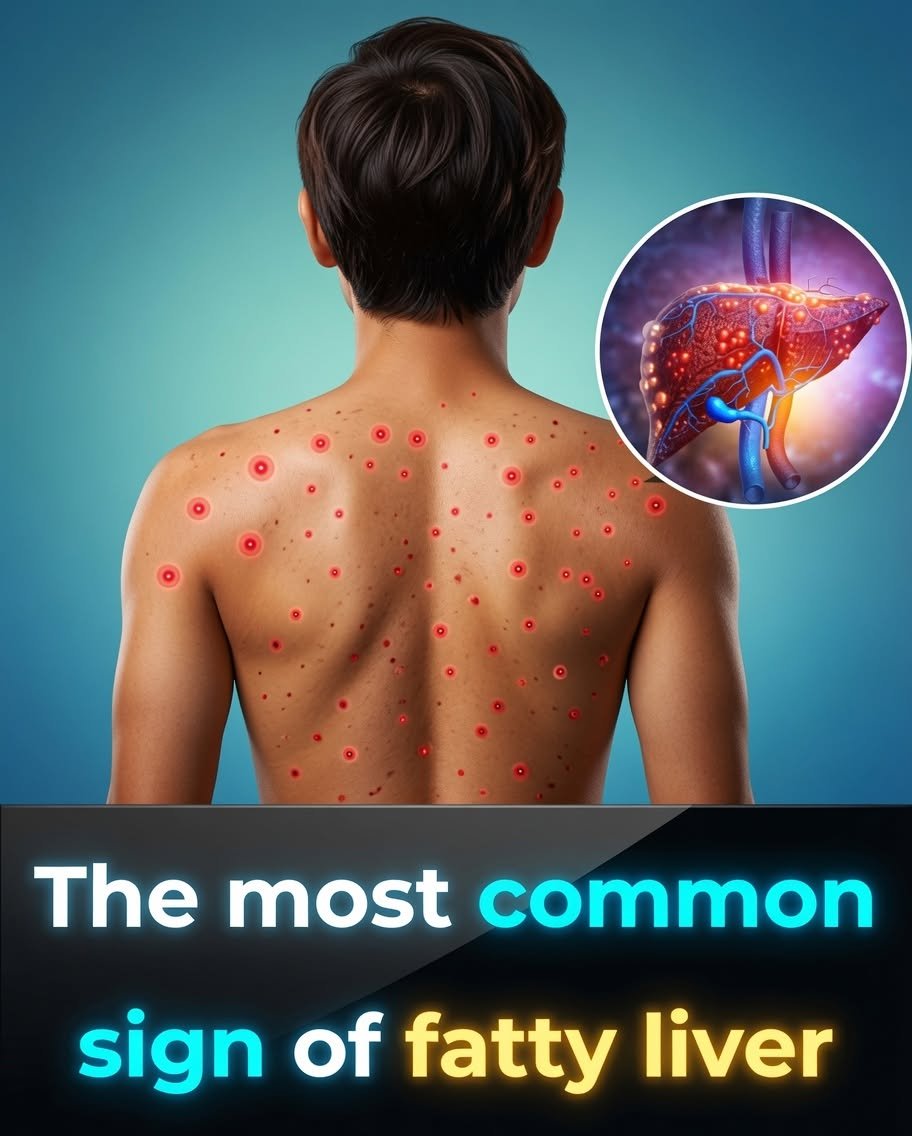
    Fatty liver disease occurs when excess fat accumulates in the liver, and one common form is now often called metabolic dysfunction-associated steatotic liver disease (MASLD), formerly known as nonalcoholic fatty liver disease (NAFLD). It can develop alongside conditions such as overweight or obesity, insulin resistance, type 2 diabetes, high triglycerides, high cholesterol, and high blood pressure. One reason fatty liver can go unnoticed is that it often produces few or no symptoms, particularly during its early stages. When symptoms do occur, they may include tiredness or discomfort in the upper-right area of the abdomen. (niddk.nih.gov ) Some people may eventually develop a more serious form involving inflammation and liver damage, which can progress to fibrosis or cirrhosis. This is why discovering fatty liver should not simply be dismissed because a person feels healthy. Doctors may use medical history, blood tests, imaging, and sometimes additional testing to evaluate the liver and determine the severity of disease. (niddk.nih.gov

    Supporting liver health largely means improving the metabolic factors that contribute to fatty liver. If someone is overweight or has obesity, gradual weight loss can reduce liver fat, and losing around 7% to 10% of body weight may provide greater benefits for liver inflammation and fibrosis. Physical activity can also be beneficial even when it does not result in weight loss. (niddk.nih.gov Dietary quality matters as well. A pattern emphasizing vegetables, fruits, whole grains, legumes, healthy protein sources, and unsaturated fats can support overall metabolic health, while reducing sugary beverages, foods high in added sugars, refined carbohydrates, and excessive saturated fat may help reduce factors associated with fatty liver. (niddk.nih.gov It is also important to be cautious with supplements marketed as “liver detox” products because some herbal remedies can actually cause liver injury. (niddk.nih.gov

    The most important message is that fatty liver can often be managed through sustainable lifestyle changes, but there is no single food, juice, supplement, or detox method that guarantees a healthy liver. Regular physical activity, appropriate weight management, balanced nutrition, and control of blood sugar, cholesterol, and blood pressure can all contribute to better long-term metabolic health. (mayoclinic.org If you have been told that you have fatty liver—or have risk factors such as diabetes, obesity, abnormal cholesterol or triglycerides, or metabolic syndrome—discuss appropriate testing and follow-up with a qualified healthcare professional. Early evaluation can help identify people at greater risk of progressive liver damage. Disclaimer: This article is for general educational and informational purposes only and does not constitute medical advice, diagnosis, or treatment. Fatty liver has multiple causes and severity can vary considerably between individuals. Always verify health information through reliable medical and scientific sources and consult a qualified healthcare professional for personalized guidance.

  • A Small Lump on Your Wrist Could Have Several Causes — Here’s What They Are

    A Small Lump on Your Wrist Could Have Several Causes — Here’s What They Are

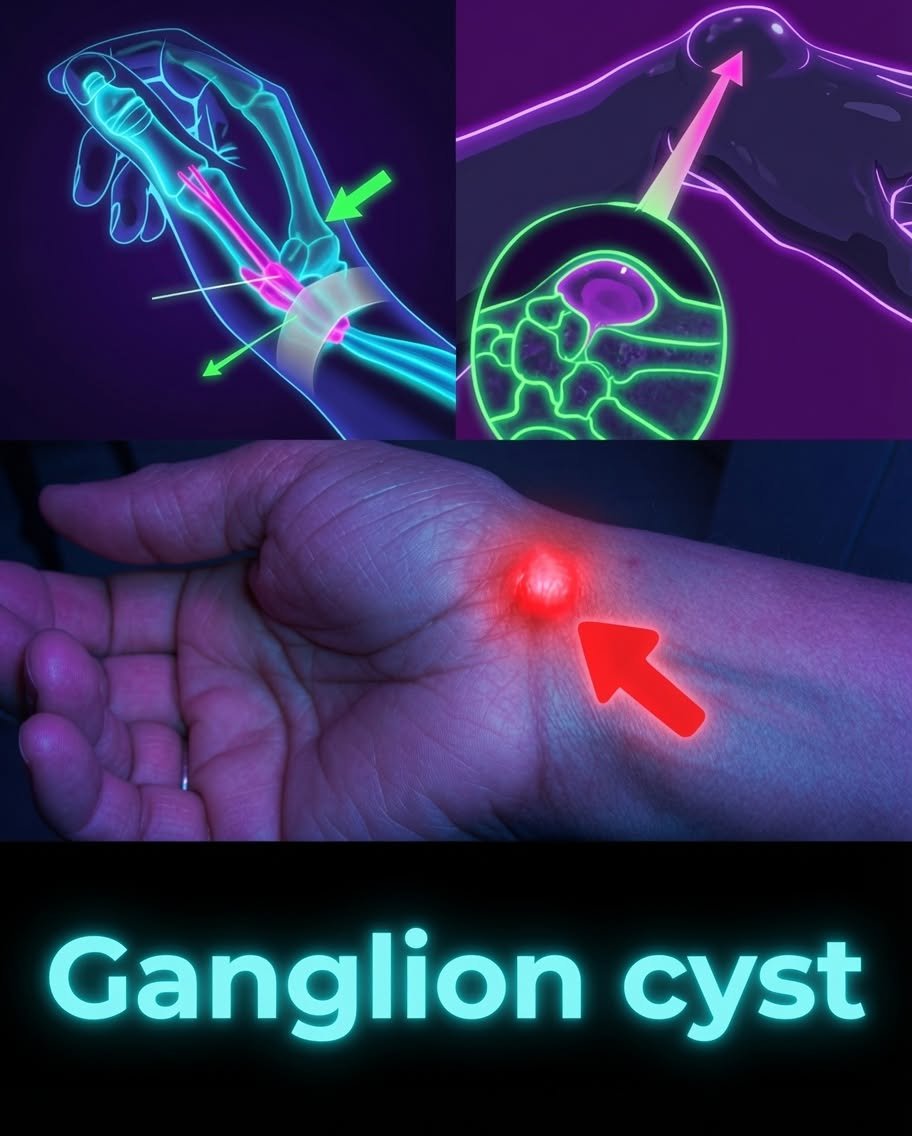
    A small lump on the wrist can be unsettling, but one of the most common causes is a ganglion cyst. These are fluid-filled lumps that usually develop near a joint or tendon and are especially common around the wrist and hand. They can range from smaller than a pea to several centimeters and may feel soft, firm, or rubbery. Many ganglion cysts are painless and can gradually become smaller or disappear without treatment. (NHS) A previous wrist injury may sometimes contribute, although the exact reason many ganglion cysts develop is not always known. Other possibilities include a skin cyst, tendon-related swelling, arthritis-associated changes, or swelling following an injury. Because several conditions can produce a similar-looking lump, its appearance alone cannot establish the diagnosis.

    The location, texture, movement, and associated symptoms can provide useful clues. A smooth lump appearing near a wrist joint, particularly on the back of the wrist, is commonly associated with a ganglion cyst. (NHS) Some lumps may become more noticeable when the wrist is bent or after increased use, while others can fluctuate in size over time. A ganglion can occasionally cause aching, pain during movement, tingling, numbness, or weakness if it presses against nearby structures. (Gloucestershire Hospitals NHS Foundation Trust) Importantly, you should never try to burst, puncture, or hit a wrist lump yourself. Attempting to break a cyst can cause infection, bleeding, or injury to surrounding tissues. (NHS)

    Most uncomplicated ganglion cysts do not require immediate treatment, particularly when they are painless and do not interfere with hand movement. However, a medical evaluation is appropriate if the lump gets larger, becomes hard and immovable, causes persistent pain, or is associated with numbness or weakness. A lump that becomes very painful, hot, or red deserves prompt assessment because infection or another problem may need to be ruled out. (NHS) If treatment is necessary, healthcare professionals may consider observation, aspiration with a needle, or—in selected persistent cases—surgical removal. The best option depends on the diagnosis and how much the lump affects daily activities. Disclaimer: This article is for general educational and informational purposes only and does not constitute medical advice, diagnosis, or treatment. A wrist lump can have several causes, and only a qualified healthcare professional can determine the underlying condition. Always verify health information through reliable medical sources and seek professional evaluation for new, growing, painful, or unusual lumps.

  • Stroke Warning Signs in Young Adults: The Symptoms You Should Never Ignore

    Stroke Warning Signs in Young Adults: The Symptoms You Should Never Ignore

    A stroke is often associated with older adults, but young people can have strokes too, making it important not to dismiss sudden neurological symptoms simply because of age. A stroke occurs when blood flow to part of the brain becomes blocked or when a blood vessel in the brain ruptures, potentially causing permanent brain injury. The most recognizable warning signs can be remembered with FAST: Face—one side of the face suddenly droops or feels weak; Arm—one arm becomes weak or numb or drifts downward; Speech—speech becomes slurred, strange, or difficult to understand; and Time—seek emergency medical assistance immediately. Other sudden symptoms can include difficulty seeing in one or both eyes, severe dizziness, loss of balance or coordination, confusion, or a sudden severe headache with no known cause. These symptoms can occur without warning, and recognizing them quickly can make a major difference.

    One particularly dangerous mistake is assuming that a symptom is harmless because it goes away after a few minutes. A transient ischemic attack, or TIA, can produce symptoms similar to a stroke that temporarily disappear, but it can still indicate a serious underlying problem and requires urgent medical assessment. Young adults may also have different combinations of risk factors than older people, so age alone should never be used to rule out a stroke. Factors associated with stroke risk can include high blood pressure, diabetes, high cholesterol, obesity, physical inactivity, smoking, certain heart conditions, and a personal or family history of stroke or TIA. The most important response to sudden neurological changes is not to wait and see whether they improve. Even if you are uncertain whether the symptoms are a stroke, emergency professionals should make that determination.

    If you or someone nearby suddenly develops facial drooping, one-sided weakness or numbness, speech difficulty, sudden vision problems, severe unexplained headache, serious dizziness, or trouble walking, treat it as a medical emergency. NIH guidance emphasizes that every minute matters because rapid treatment can reduce brain damage and improve the chance of recovery. Do not drive yourself to the hospital; call your local emergency medical service so professional help can begin as quickly as possible. Prevention also matters: maintaining healthy blood pressure, staying physically active, avoiding tobacco, managing diabetes and cholesterol, and following a balanced diet can help reduce cardiovascular risk. Disclaimer: This article is for general educational and informational purposes only and does not constitute medical advice, diagnosis, or treatment. Stroke symptoms can have other causes, but sudden neurological symptoms should always be treated seriously. Always verify health information through reliable medical and scientific sources and seek emergency medical care immediately when stroke is suspected.

  • Young but Already Taking Care of Your Kidneys Like This? These Habits Matter

    Young but Already Taking Care of Your Kidneys Like This? These Habits Matter

    Taking care of kidney health from a young age can be one of the smartest long-term investments you make for your overall wellness. Your kidneys continuously filter waste and extra fluid from your blood while helping regulate blood pressure, minerals, and other important functions. The challenge is that early kidney disease may have few or no obvious symptoms, so feeling healthy does not always mean your kidneys are functioning perfectly. (niddk.nih.gov) One of the most valuable habits is keeping blood pressure and blood glucose within healthy ranges, because high blood pressure and diabetes are major risk factors for chronic kidney disease. (cdc.gov) Regular physical activity, maintaining a healthy weight, avoiding tobacco, and following a balanced eating pattern can also support cardiovascular and kidney health. These habits may seem simple when you’re young, but maintaining them consistently can help reduce health risks later in life.

    Another important part of kidney-friendly lifestyle habits is being thoughtful about medications and supplements. Some pain-relieving medicines, particularly frequent or prolonged use of nonsteroidal anti-inflammatory drugs (NSAIDs), can damage the kidneys or increase risk in certain people. (niddk.nih.gov) This does not mean you should avoid necessary medication; instead, use medicines according to professional guidance and avoid taking more than the recommended dose. Hydration is also important, but drinking excessive amounts of water is not a proven way to “flush” or detox the kidneys. For most healthy people, normal thirst and regular fluid intake are sufficient, while people with certain medical conditions may have individualized fluid requirements. A balanced diet containing vegetables, fruits, whole grains, legumes, and appropriate protein can support overall health, while excessive sodium intake can contribute to high blood pressure and increase cardiovascular and kidney-related concerns. (niddk.nih.gov)

    If you have diabetes, high blood pressure, a family history of kidney failure, cardiovascular disease, or another kidney-risk factor, talking with a healthcare professional about appropriate screening can be particularly valuable. Kidney health can be evaluated using blood and urine tests, including estimated glomerular filtration rate (eGFR) and urine albumin measurements. (niddk.nih.gov) Young age should not be considered complete protection, especially when significant risk factors are present. The best strategy is prevention: stay active, eat a balanced diet, avoid tobacco, manage blood pressure and blood sugar, use medications responsibly, and attend recommended health checkups. Disclaimer: This article is for general educational and informational purposes only and does not constitute medical advice, diagnosis, or treatment. No single food, drink, exercise, or “kidney detox” can guarantee protection from kidney disease. Always verify health information through reliable medical and scientific sources and consult a qualified healthcare professional for personalized kidney-health guidance.

  • 6 Groups of People Who Should Be Careful With Coconut Water

    6 Groups of People Who Should Be Careful With Coconut Water

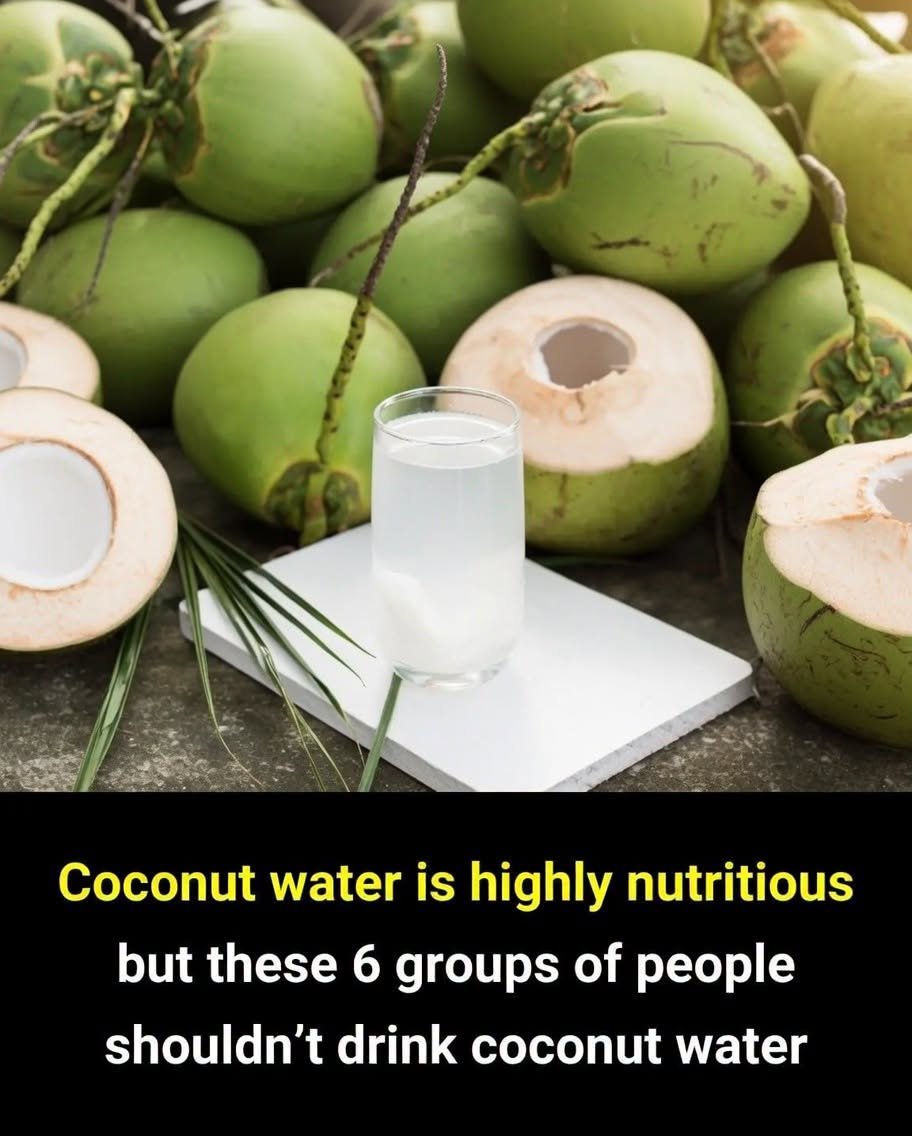
    Coconut water is a refreshing beverage that naturally contains potassium, carbohydrates, and small amounts of other electrolytes, making it popular for hydration. For most healthy adults, moderate consumption is generally safe, but it is not appropriate for everyone in unlimited amounts. People with chronic kidney disease or reduced kidney function may need to limit coconut water because it can contain a significant amount of potassium. Healthy kidneys normally remove excess potassium from the bloodstream, but impaired kidney function can make this process less effective, potentially causing dangerously high potassium levels. (niddk.nih.gov) People taking certain medications that raise potassium levels—such as some ACE inhibitors, ARBs, or potassium-sparing diuretics—should also discuss their diet with a healthcare professional. (kidney.org) This does not mean every person with a kidney condition must completely avoid coconut water; the appropriate amount depends on kidney function, blood potassium levels, medications, and individual dietary recommendations.

    A second group that should be mindful is people with diabetes or blood-sugar management concerns, because coconut water contains naturally occurring carbohydrates and sugars. Unsweetened coconut water generally contains less sugar than many soft drinks or fruit beverages, but portion size still matters. People following a carbohydrate-controlled diet should account for it as part of their overall intake. Another group includes individuals who have been advised to follow a potassium-restricted diet, regardless of the specific medical reason. People with certain heart or kidney conditions may receive individualized potassium recommendations, so assuming that a natural beverage is automatically suitable can be misleading. Anyone taking medications or supplements that significantly affect potassium should also seek professional guidance before consuming large quantities regularly. The important point is that the concern is usually related to potassium, fluid, carbohydrates, or individual medical circumstances, rather than coconut water being inherently harmful.

    Finally, people with certain gastrointestinal sensitivities may find that larger amounts of coconut water cause bloating, stomach discomfort, or loose stools, particularly if they consume it quickly. Infants and young children should not be given coconut water as a replacement for appropriate infant feeding or oral rehydration solutions unless advised by a qualified healthcare professional. People experiencing vomiting or diarrhea who need rehydration should use an appropriate oral rehydration solution when medically indicated rather than assuming coconut water provides the ideal balance of electrolytes. For healthy adults, coconut water can be enjoyed as part of a varied diet, but it should not be treated as a miracle detox or cure-all beverage. Disclaimer: This article is for general educational and informational purposes only and does not constitute medical, nutritional, or treatment advice. The amount of coconut water that is appropriate depends on individual health conditions, kidney function, medications, and overall diet. Always verify health information through reliable medical sources and consult a qualified healthcare professional before making significant dietary changes, especially if you have kidney, heart, or blood-sugar conditions.

  • A Wild Vegetable Most People Ignore Destroyed Over 90% of Cancer Cells in 48 Hours — in Laboratory Studies

    A Wild Vegetable Most People Ignore Destroyed Over 90% of Cancer Cells in 48 Hours — in Laboratory Studies

    A headline claiming that a wild vegetable “destroyed over 90% of cancer cells in 48 hours” sounds remarkable, but the phrase “in laboratory studies” is crucial. Researchers have investigated numerous vegetables and their plant compounds for potential anticancer effects, including cruciferous vegetables such as broccoli, cabbage, kale, and related wild greens. Laboratory experiments have shown that certain vegetable extracts or isolated compounds can inhibit the growth or viability of cancer cell lines under controlled conditions. One study examining 24 Korean wild vegetables found that extracts from several plants inhibited the growth of certain cancer cell lines by more than 80%, with some extracts producing inhibition above 95% under specific experimental conditions. (pubmed.ncbi.nlm.nih.gov) However, this does not mean eating the vegetable will destroy cancer cells inside a human body. Laboratory concentrations can be substantially different from the amounts achievable through normal food consumption, and cancer cells growing in a dish behave differently from tumors within a living person.

    One group of vegetables receiving significant scientific attention is cruciferous vegetables, which includes broccoli, cabbage, kale, Brussels sprouts, and related plants. These foods contain glucosinolates and other compounds that can produce biologically active substances such as sulforaphane. Research has found that sulforaphane can affect pathways involved in cell growth, apoptosis, oxidative stress, and other biological processes in experimental cancer models. (aacrjournals.org) Some laboratory studies have reported substantial reductions in cancer-cell viability after exposure to sulforaphane or vegetable extracts over periods such as 24–48 hours. (pubmed.ncbi.nlm.nih.gov) Yet these findings are best understood as early-stage research, not proof of a cancer treatment. Human studies have investigated how compounds such as sulforaphane are absorbed and metabolized, but showing that a compound reaches the bloodstream is very different from demonstrating that eating a vegetable cures or eliminates cancer. (pmc.ncbi.nlm.nih.gov)

    The most responsible takeaway is that eating a variety of vegetables can contribute to a nutrient-rich, health-supportive diet, but no wild vegetable should be promoted as a replacement for established cancer treatment. If someone has cancer, they should follow the treatment plan recommended by their oncology team rather than attempting to treat the disease with vegetables, supplements, or online remedies. Research into plant compounds remains valuable because it can help scientists discover potential therapeutic targets and develop future treatments, but promising laboratory findings must be confirmed through carefully designed animal and human studies. The “90% in 48 hours” claim therefore needs to be understood in its proper context: it may describe a particular extract, concentration, cancer cell line, and laboratory experiment—not what happens when a person eats the vegetable. Disclaimer: This article is for general educational and informational purposes only and does not constitute medical advice, diagnosis, or cancer treatment. Laboratory findings cannot be assumed to produce the same effects in humans. Always verify cancer-related claims through reliable scientific and medical sources and consult a qualified healthcare professional before making decisions about cancer treatment.