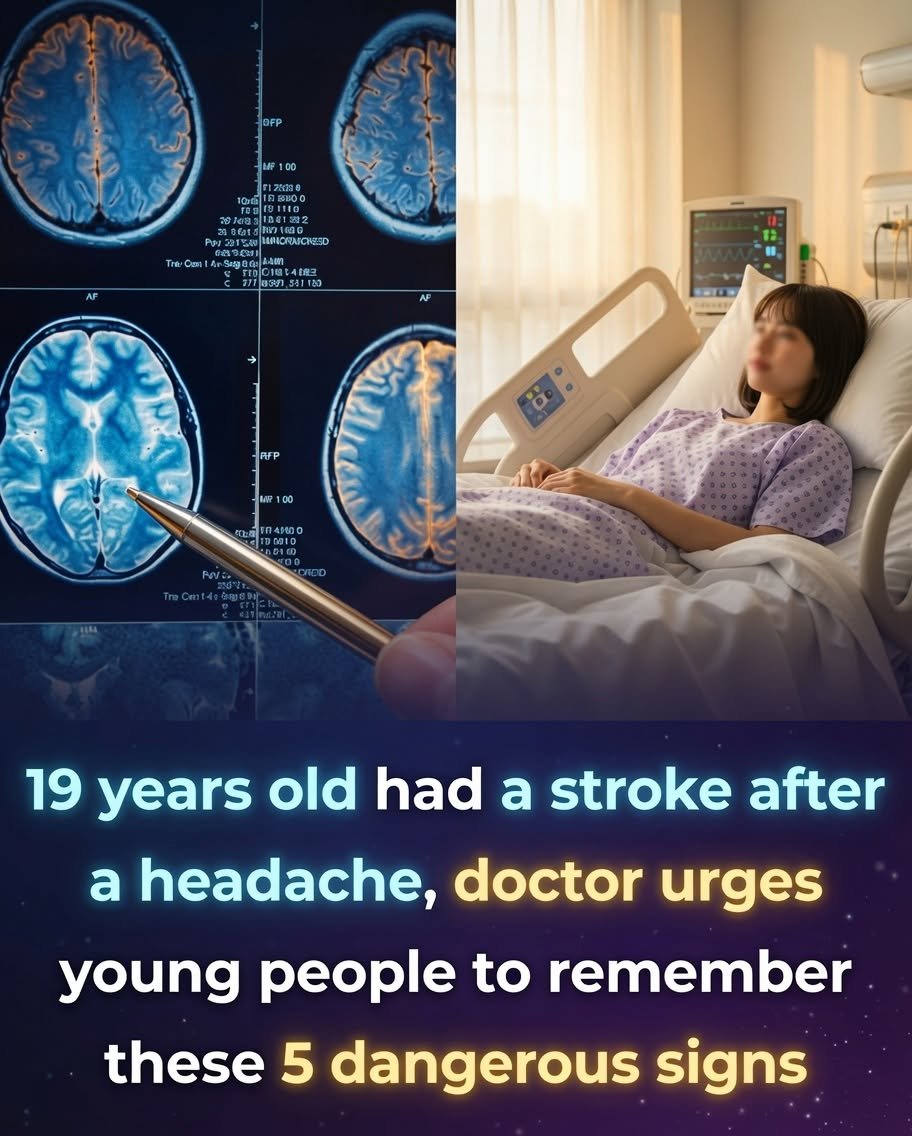
A stroke is often associated with older adults, but young people can have strokes too, making it important not to dismiss sudden neurological symptoms simply because of age. A stroke occurs when blood flow to part of the brain becomes blocked or when a blood vessel in the brain ruptures, potentially causing permanent brain injury. The most recognizable warning signs can be remembered with FAST: Face—one side of the face suddenly droops or feels weak; Arm—one arm becomes weak or numb or drifts downward; Speech—speech becomes slurred, strange, or difficult to understand; and Time—seek emergency medical assistance immediately. Other sudden symptoms can include difficulty seeing in one or both eyes, severe dizziness, loss of balance or coordination, confusion, or a sudden severe headache with no known cause. These symptoms can occur without warning, and recognizing them quickly can make a major difference.
One particularly dangerous mistake is assuming that a symptom is harmless because it goes away after a few minutes. A transient ischemic attack, or TIA, can produce symptoms similar to a stroke that temporarily disappear, but it can still indicate a serious underlying problem and requires urgent medical assessment. Young adults may also have different combinations of risk factors than older people, so age alone should never be used to rule out a stroke. Factors associated with stroke risk can include high blood pressure, diabetes, high cholesterol, obesity, physical inactivity, smoking, certain heart conditions, and a personal or family history of stroke or TIA. The most important response to sudden neurological changes is not to wait and see whether they improve. Even if you are uncertain whether the symptoms are a stroke, emergency professionals should make that determination.
If you or someone nearby suddenly develops facial drooping, one-sided weakness or numbness, speech difficulty, sudden vision problems, severe unexplained headache, serious dizziness, or trouble walking, treat it as a medical emergency. NIH guidance emphasizes that every minute matters because rapid treatment can reduce brain damage and improve the chance of recovery. Do not drive yourself to the hospital; call your local emergency medical service so professional help can begin as quickly as possible. Prevention also matters: maintaining healthy blood pressure, staying physically active, avoiding tobacco, managing diabetes and cholesterol, and following a balanced diet can help reduce cardiovascular risk. Disclaimer: This article is for general educational and informational purposes only and does not constitute medical advice, diagnosis, or treatment. Stroke symptoms can have other causes, but sudden neurological symptoms should always be treated seriously. Always verify health information through reliable medical and scientific sources and seek emergency medical care immediately when stroke is suspected.
Leave a Reply