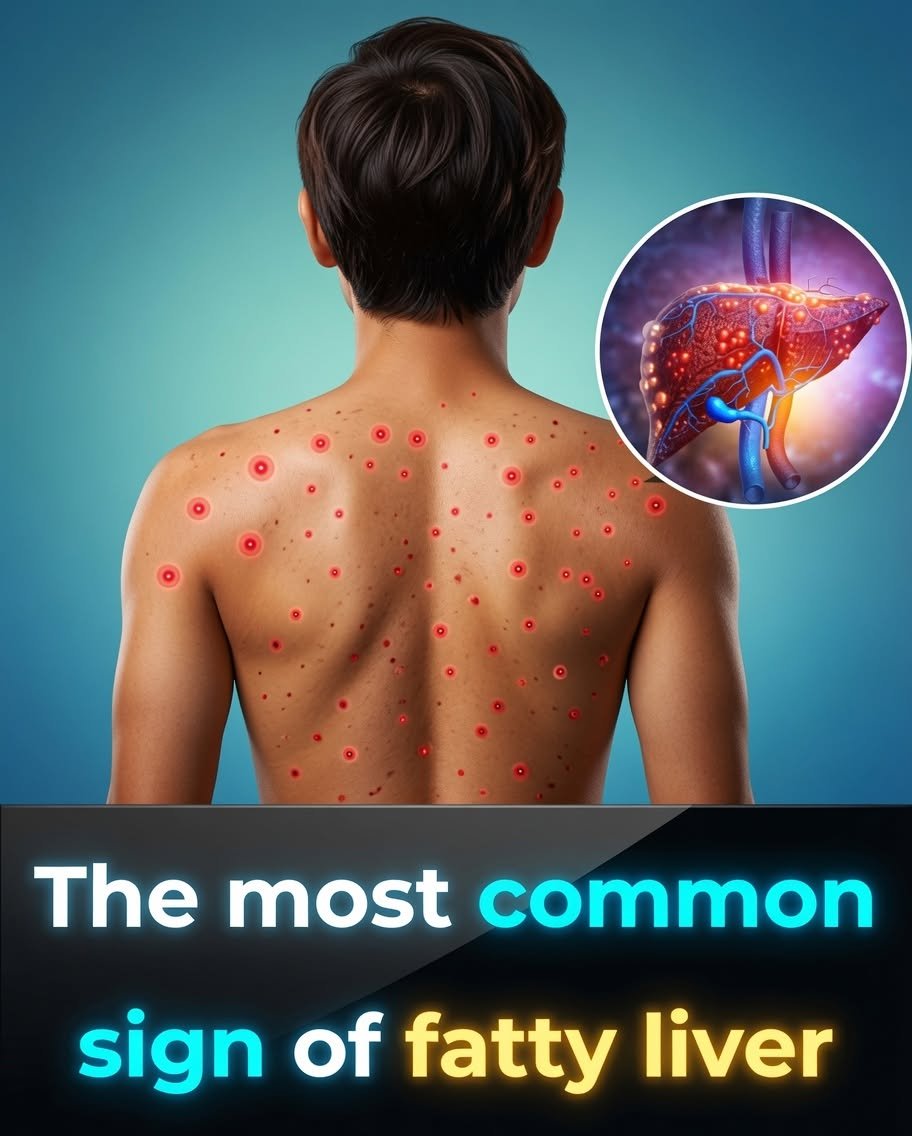
Fatty liver disease occurs when excess fat accumulates in the liver, and one common form is now often called metabolic dysfunction-associated steatotic liver disease (MASLD), formerly known as nonalcoholic fatty liver disease (NAFLD). It can develop alongside conditions such as overweight or obesity, insulin resistance, type 2 diabetes, high triglycerides, high cholesterol, and high blood pressure. One reason fatty liver can go unnoticed is that it often produces few or no symptoms, particularly during its early stages. When symptoms do occur, they may include tiredness or discomfort in the upper-right area of the abdomen. (niddk.nih.gov ) Some people may eventually develop a more serious form involving inflammation and liver damage, which can progress to fibrosis or cirrhosis. This is why discovering fatty liver should not simply be dismissed because a person feels healthy. Doctors may use medical history, blood tests, imaging, and sometimes additional testing to evaluate the liver and determine the severity of disease. (niddk.nih.gov
Supporting liver health largely means improving the metabolic factors that contribute to fatty liver. If someone is overweight or has obesity, gradual weight loss can reduce liver fat, and losing around 7% to 10% of body weight may provide greater benefits for liver inflammation and fibrosis. Physical activity can also be beneficial even when it does not result in weight loss. (niddk.nih.gov Dietary quality matters as well. A pattern emphasizing vegetables, fruits, whole grains, legumes, healthy protein sources, and unsaturated fats can support overall metabolic health, while reducing sugary beverages, foods high in added sugars, refined carbohydrates, and excessive saturated fat may help reduce factors associated with fatty liver. (niddk.nih.gov It is also important to be cautious with supplements marketed as “liver detox” products because some herbal remedies can actually cause liver injury. (niddk.nih.gov
The most important message is that fatty liver can often be managed through sustainable lifestyle changes, but there is no single food, juice, supplement, or detox method that guarantees a healthy liver. Regular physical activity, appropriate weight management, balanced nutrition, and control of blood sugar, cholesterol, and blood pressure can all contribute to better long-term metabolic health. (mayoclinic.org If you have been told that you have fatty liver—or have risk factors such as diabetes, obesity, abnormal cholesterol or triglycerides, or metabolic syndrome—discuss appropriate testing and follow-up with a qualified healthcare professional. Early evaluation can help identify people at greater risk of progressive liver damage. Disclaimer: This article is for general educational and informational purposes only and does not constitute medical advice, diagnosis, or treatment. Fatty liver has multiple causes and severity can vary considerably between individuals. Always verify health information through reliable medical and scientific sources and consult a qualified healthcare professional for personalized guidance.
Leave a Reply