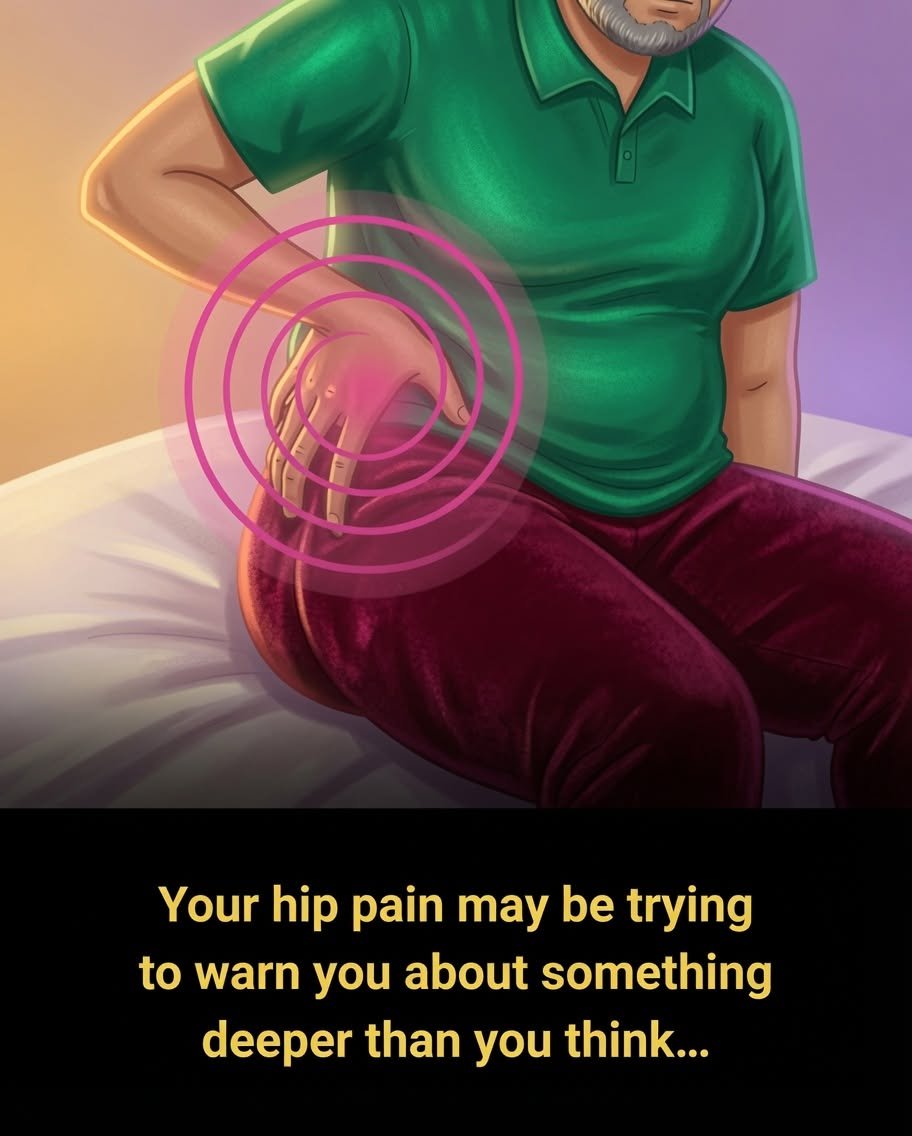
Hip pain is often blamed on aging, exercise, or simply “wear and tear,” but the true source can be more complicated. Pain felt around the hip does not always originate inside the hip joint itself. Problems involving the lower back, nerves, muscles, tendons, or surrounding soft tissues can sometimes create pain that is felt around the hip, buttock, thigh, or even knee. Common causes include osteoarthritis, muscle strains, tendon problems, bursitis, injuries, and certain nerve conditions. Osteoarthritis, for example, commonly produces pain and stiffness around the groin and can make walking or everyday movements more difficult. This is why assuming that every hip ache is simply “old age” can potentially delay appropriate evaluation and treatment.
The location and pattern of the pain can provide useful clues. Pain deep in the groin is more commonly associated with the hip joint, while pain on the outside of the hip or upper thigh may involve surrounding muscles, tendons, or bursae. Hip bursitis, for instance, can cause pain over the outer hip that may become worse when lying on that side, walking for long periods, climbing stairs, or getting up after sitting. Meanwhile, lower-back problems or irritated nerves can produce pain that travels toward the buttock, hip, thigh, or leg. Because several conditions can produce overlapping symptoms, trying to identify the cause solely from where the pain is felt can be misleading. A healthcare professional may need to assess movement, strength, gait, and other symptoms before determining the likely source.
Ignoring persistent hip pain is not always a good strategy. If discomfort is getting worse, repeatedly returning, affecting sleep or normal activities, or continuing for more than a couple of weeks, professional assessment is appropriate. Sudden severe pain after a fall or injury, inability to put weight on the leg, significant swelling, fever, or a hot and swollen hip requires more urgent medical attention. For everyday prevention and management, maintaining healthy body weight, staying physically active, using appropriate footwear, and performing suitable strengthening or mobility exercises may support joint health, although treatment should depend on the underlying cause. Disclaimer: This article is for general educational and informational purposes only and does not constitute medical advice, diagnosis, or treatment. Hip pain can have many causes, and symptoms alone cannot establish a diagnosis. Always verify health information through reliable medical sources and consult a qualified healthcare professional for persistent, severe, or unexplained pain.
Leave a Reply