Category: Uncategorized

  • Your Body May Be Sending You a Message If You Wake Up at 3 or 4 A.M. Every Night

    Your Body May Be Sending You a Message If You Wake Up at 3 or 4 A.M. Every Night

    Waking up at 3 or 4 a.m. can feel unusual, especially when it happens repeatedly, but the specific time on the clock does not automatically indicate a particular disease or organ problem. Nighttime awakenings are common and can occur as part of normal changes in sleep cycles. However, repeatedly waking and struggling to return to sleep may be associated with insomnia, stress, anxiety, an irregular sleep schedule, environmental disturbances, or certain medications and substances. Mayo Clinic explains that middle-of-the-night awakenings are common and can occur during periods of stress, while the National Heart, Lung, and Blood Institute notes that lifestyle factors such as changing sleep schedules, caffeine, nicotine, alcohol, and insufficient physical activity can contribute to insomnia. Therefore, waking at the same time every night is better viewed as a sleep pattern worth observing, rather than proof that your body is signaling one specific medical condition.

    Sometimes the reason becomes clearer when you look at what happens when you wake. Needing to urinate repeatedly, for example, can interrupt sleep and may be related to evening fluid intake, bladder conditions, diabetes, or sleep disorders such as obstructive sleep apnea. Sleep apnea deserves particular attention when nighttime awakenings occur alongside loud snoring, gasping, pauses in breathing, morning headaches, dry mouth, or significant daytime sleepiness. Stress can also play a major role: an active mind, worrying about work or finances, or repeatedly checking the clock can make it harder to fall back asleep and may reinforce the cycle. Hormonal changes, pain, reflux, medications, and other medical conditions can also interfere with sleep. This is why there is no scientifically reliable rule saying that waking at 3 a.m. means your liver, kidneys, or another specific organ is “detoxing” or failing.

    If you frequently wake during the night, focus on evidence-based sleep habits rather than frightening online explanations. Keep a consistent bedtime and wake time, limit caffeine and nicotine later in the day, avoid large meals and excessive fluids close to bedtime, maintain a comfortable dark bedroom, and avoid prolonged screen use before sleep. Keeping a simple sleep diary can also help identify patterns involving food, stress, medications, exercise, bathroom trips, and bedtime. If nighttime awakenings persist, interfere with daytime activities, or occur with loud snoring, gasping, breathing pauses, significant pain, or other concerning symptoms, discuss them with a qualified healthcare professional. Disclaimer: This article is for general educational and informational purposes only and does not constitute medical advice, diagnosis, or treatment. Waking at 3 or 4 a.m. does not by itself diagnose a disease, and many harmless factors can cause nighttime awakenings. Always verify health information through reliable medical and scientific sources and consult a qualified healthcare professional for persistent or concerning sleep problems.


  • This Common Kitchen Habit Could Affect Your Plumbing More Than You Think…

    This Common Kitchen Habit Could Affect Your Plumbing More Than You Think…

    One of the most common kitchen habits that can quietly damage plumbing is pouring cooking oil, grease, or fatty food residue down the sink. It may seem harmless when the grease is warm and liquid, especially when followed by hot water, but the problem often develops farther inside the pipes. As grease cools, it can stick to the interior surfaces of drainage pipes and gradually accumulate. Food particles and other debris can then attach to this sticky layer, narrowing the passage available for wastewater and increasing the chance of slow drains or blockages. Municipal plumbing guidance specifically warns homeowners to keep fats, oils, and grease out of household drains because they can congeal and restrict or block pipes. This is why a habit that takes only a few seconds can eventually contribute to unpleasant odors, drainage problems, and potentially expensive home plumbing repairs.

    Another mistake is allowing too many food scraps to enter the kitchen drain or garbage disposal. Coffee grounds, eggshells, rice, pasta, vegetable scraps, and other debris can accumulate or combine with grease, creating stubborn buildup. Even if your kitchen has a garbage disposal, it should not be treated as a replacement for a trash bin. Small amounts of suitable food waste may be manageable depending on the disposal system, but excessive or inappropriate material can contribute to clogs and appliance problems. A particularly useful habit is to scrape plates and greasy cookware before washing them. Instead of rinsing oil into the sink, allow it to cool and place it in a suitable container for disposal according to local waste guidelines. Using a sink strainer can also catch food particles before they enter the plumbing. These simple preventive measures can reduce buildup while helping homeowners avoid unnecessary maintenance costs.

    Protecting your plumbing does not require complicated equipment or expensive products. Focus on prevention: keep grease and cooking oil out of drains, scrape food scraps into the trash or appropriate compost, use strainers, and pay attention to early warning signs such as slow drainage, unpleasant smells, gurgling sounds, or recurring backups. If several drains begin slowing down at the same time or water repeatedly backs up, the problem may be more extensive and professional plumbing assistance may be appropriate. A small change in your daily kitchen routine can therefore support long-term plumbing maintenance, protect your home, and potentially save money on avoidable repairs. Disclaimer: This article is provided for general educational and informational purposes only and does not constitute professional plumbing advice. Plumbing systems vary by property, materials, and local regulations, and individual problems may have different causes. Always verify maintenance recommendations through reliable plumbing professionals or local authorities before undertaking significant repairs.

  • Peanuts Aren’t Just a Snack — Doctors Warn They May Lead To…

    Peanuts Aren’t Just a Snack — Doctors Warn They May Lead To…

    Peanuts are often considered a convenient, nutritious snack because they provide protein, unsaturated fats, fiber, vitamin E, magnesium, and other nutrients. For most people, moderate portions of peanuts can fit comfortably into a balanced eating pattern. Cleveland Clinic describes peanuts as a nutrient-dense food that can support fullness and provide protein, healthy fats, and fiber. However, peanuts can also create genuine health concerns for certain people. The most important is peanut allergy, which can produce symptoms ranging from hives and swelling to breathing difficulties and potentially life-threatening anaphylaxis. Anyone with a known peanut allergy should avoid peanuts and products containing peanut ingredients according to their healthcare professional’s guidance. For people without an allergy, simply eating peanuts does not mean they are dangerous, and sensational claims should not be interpreted as evidence that everyone should eliminate them.

    Another issue involves food contamination and aflatoxins. Certain molds can produce aflatoxins, naturally occurring toxins that may contaminate crops including peanuts when growing or storage conditions allow mold to develop. The FDA explains that long-term exposure to aflatoxins can increase the risk of liver cancer, while high exposure can cause serious liver injury. This does not mean ordinary, properly handled peanuts are inherently unsafe. Food-safety authorities establish limits and monitor susceptible foods to reduce consumer exposure. Consumers can also reduce unnecessary risk by purchasing properly packaged products from reputable sources and discarding peanuts that appear moldy, discolored, or unusually shriveled. Another consideration is portion size: peanuts are energy-dense, so eating large quantities can add substantial calories even though the food itself is nutritious. Salted or heavily processed peanut products may also contain considerable sodium or added ingredients, making plain or minimally processed options a better choice for many people.

    Interestingly, research shows that peanuts are not simply a food associated with risks. Early introduction of peanut-containing foods during infancy, when medically appropriate, has been shown to substantially reduce the development of peanut allergy in high-risk children. NIH-supported research found that children who regularly consumed peanut-containing foods early in life had a much lower risk of peanut allergy into adolescence compared with children who avoided peanuts early. Because infants with severe eczema or egg allergy can have a higher risk of peanut allergy, parents should discuss appropriate introduction with a healthcare professional rather than experimenting independently. Disclaimer: This article is for general educational and informational purposes only and does not constitute medical, nutritional, or allergy-related advice. Peanuts can be beneficial for many people but dangerous for individuals with peanut allergy, and contamination risks depend on growing, storage, and processing conditions. Always verify health claims through reliable scientific, medical, and food-safety sources and consult a qualified healthcare professional for personalized guidance.

  • 10 Warning Signs Your Arteries Might Be Clogged (Don’t Ignore These)

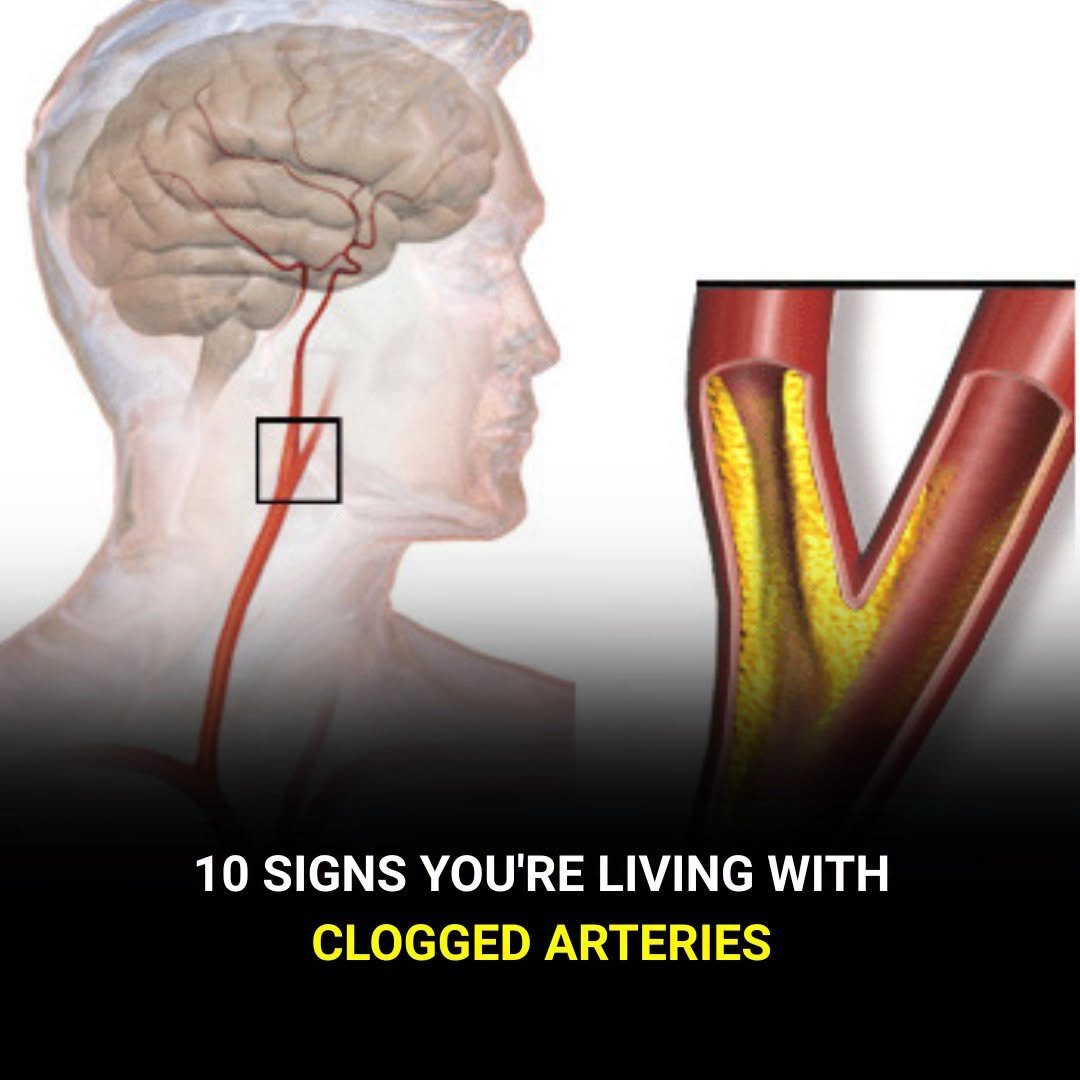
    10 Warning Signs Your Arteries Might Be Clogged (Don’t Ignore These)

    Clogged or narrowed arteries are commonly associated with atherosclerosis, a process in which plaque made from cholesterol, fats, and other substances builds up inside artery walls. Early atherosclerosis may cause no noticeable symptoms, which is why risk-factor management and appropriate medical checkups are important. When blood flow becomes restricted, however, symptoms can appear depending on which arteries are affected. Ten warning signs worth discussing with a healthcare professional include chest pressure or pain, shortness of breath, unusual fatigue, pain spreading to the arm, shoulder, neck, jaw, or back, dizziness or light-headedness, leg pain during walking that improves with rest, numbness or weakness in the legs or feet, cold feet or toes, slow-healing sores on the legs or feet, and changes in skin color or hair growth on the lower legs. Coronary artery disease can cause chest discomfort, breathlessness, and fatigue, while peripheral artery disease may cause walking-related leg pain, numbness, cool skin, weak pulses, and wounds that heal slowly.

    It is important to understand that these symptoms do not automatically prove that an artery is clogged. Many other medical conditions can cause similar problems, and some people with significant artery disease may have few or no symptoms until a serious event occurs. For example, the CDC notes that a substantial proportion of people with peripheral artery disease do not experience the classic leg pain associated with it. Risk factors can provide additional clues: smoking, high blood pressure, high cholesterol, diabetes, physical inactivity, excess body weight, and a family history of early heart disease can increase cardiovascular risk. If symptoms repeatedly appear during physical activity, particularly chest discomfort or leg pain that consistently improves with rest, a medical evaluation is worthwhile. Doctors may use blood-pressure and cholesterol measurements, an ECG, imaging studies, stress testing, an ankle-brachial index, or other appropriate tests depending on the symptoms and suspected artery involved.

    The most important message is that you should not wait for dramatic symptoms before taking cardiovascular health seriously. A heart-supportive lifestyle—including regular physical activity, a nutrient-dense diet, avoiding tobacco, maintaining a healthy weight, and controlling blood pressure, cholesterol, and blood sugar—can help reduce cardiovascular risk. If you experience sudden or persistent chest pressure, severe shortness of breath, cold sweating, faintness, or pain spreading to the jaw, back, shoulder, or arm, seek emergency medical care because these can be signs of a heart attack. Disclaimer: This article is for general educational and informational purposes only and does not constitute medical advice, diagnosis, or treatment. These warning signs are not proof of clogged arteries, and many symptoms have other possible causes. Always verify health information through reliable medical or scientific sources and consult a qualified healthcare professional for personalized cardiovascular evaluation.

  • 4 Morning Mistakes That Increase Stroke Risk — No Matter Your Age

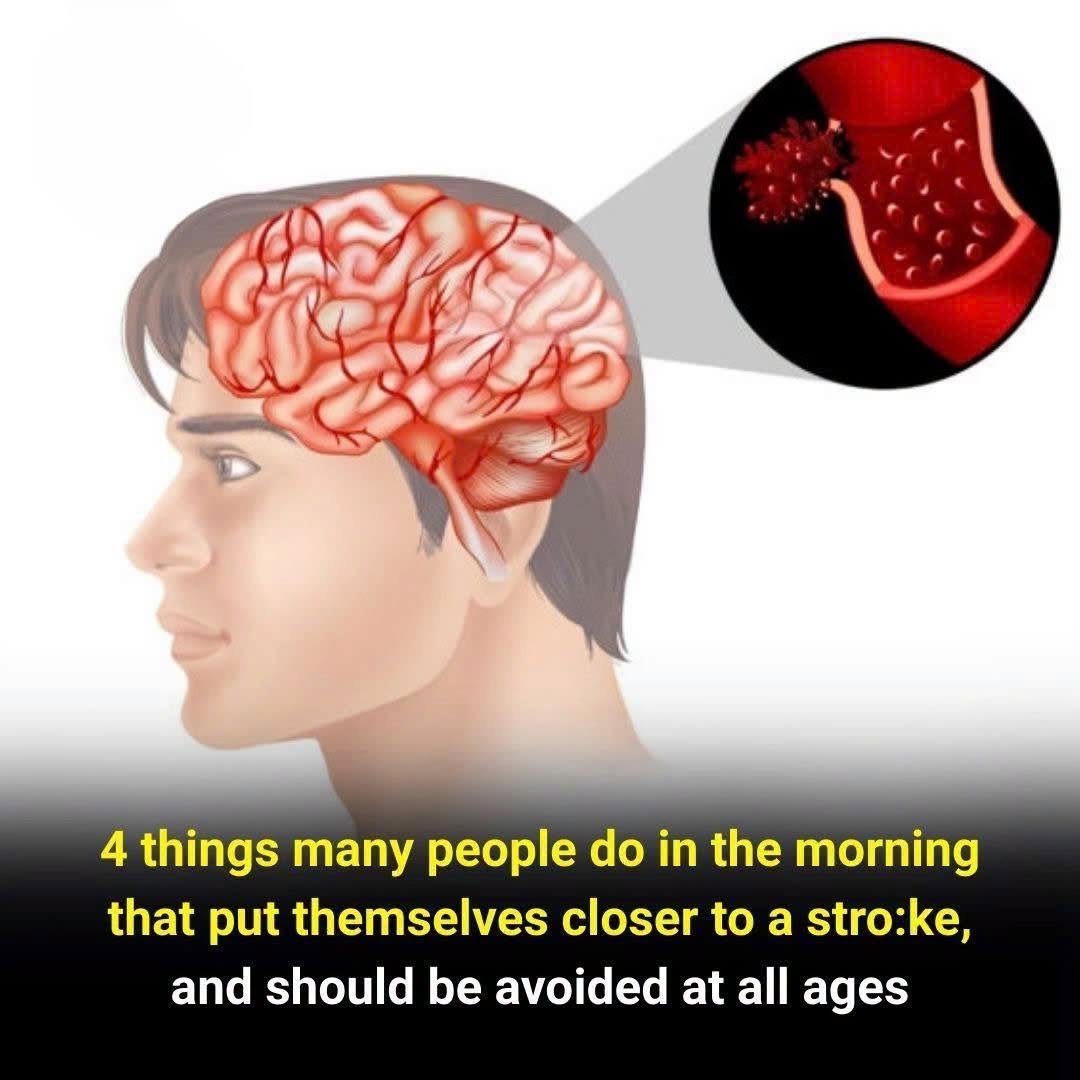
    4 Morning Mistakes That Increase Stroke Risk — No Matter Your Age

    Stroke can happen at any age, and while you cannot control every risk factor, many important contributors are influenced by everyday habits. One common mistake is ignoring high blood pressure. Hypertension often has no obvious symptoms, yet it is one of the leading risk factors for stroke. Checking blood pressure regularly and following medical advice when readings are elevated can be an important part of cardiovascular prevention. Another mistake is starting the day with tobacco or nicotine exposure. Smoking can temporarily raise blood pressure, damage blood vessels, and increase the likelihood of stroke over time. A third concern is consistently poor sleep. The CDC notes that regularly getting insufficient sleep is associated with increased risks of high blood pressure, heart disease, and stroke. A healthy morning therefore begins with habits developed the night before: adequate sleep, appropriate medical care, and avoiding tobacco.

    A fourth mistake is making breakfast and morning routines consistently high in sodium and low in nutritional value. Eating patterns that contain excessive salt can contribute to higher blood pressure, while diets rich in fruits, vegetables, fiber, and other nutrient-dense foods can support cardiovascular health. Another issue is remaining inactive for long periods. Regular physical activity helps maintain healthier blood pressure, cholesterol, and body weight, all of which influence stroke risk. Importantly, these are not “morning-only” causes of stroke; rather, the morning routine can either reinforce healthy habits or make unhealthy patterns easier to repeat. People who take blood-pressure, cholesterol, diabetes, or heart medications should also avoid skipping prescribed doses simply because they feel well. The CDC specifically recommends taking medications according to medical instructions and discussing concerns with a healthcare professional.

    The most effective approach is to build a heart-healthy daily routine instead of searching for one miracle prevention trick. Start the day with appropriate hydration, a balanced meal when desired, regular movement, and medications exactly as prescribed. Monitor blood pressure when recommended, avoid smoking, prioritize quality sleep, and maintain regular medical checkups. These steps matter whether someone is young, middle-aged, or older because stroke risk is influenced by factors including blood pressure, diabetes, cholesterol, smoking, physical inactivity, obesity, and certain heart conditions. If sudden facial weakness, arm weakness, speech difficulty, vision changes, severe dizziness, or other possible stroke symptoms occur, treat the situation as a medical emergency and seek emergency care immediately. Disclaimer: This article is for general educational and informational purposes only and does not constitute medical advice, diagnosis, or treatment. Morning habits alone do not determine an individual’s stroke risk, and no lifestyle change can guarantee prevention. Always verify health information through reliable medical and scientific sources and consult a qualified healthcare professional for personalized guidance.

  • The First Food You Eat in the Morning Plays a Vital Role in Your Health, Especially Your Digestive System

    The First Food You Eat in the Morning Plays a Vital Role in Your Health, Especially Your Digestive System

    The first meal of the day can be an opportunity to provide your body with fiber, protein, vitamins, minerals, and sustained energy, but there is no single food that everyone must eat immediately after waking. What matters more is the overall quality of your diet and how consistently you choose nutrient-dense foods. The American Heart Association recommends breakfast options such as oatmeal, whole-grain foods, fruit, yogurt, nuts, seeds, and other minimally processed ingredients. (heart.org) Fiber is particularly important for digestive wellness because it supports normal bowel function and can help promote fullness. Good sources include fruits, vegetables, whole grains, beans, legumes, nuts, and seeds. (heart.org) Choosing a breakfast built around these foods can help create a balanced nutritional foundation for the rest of the day.

    Your digestive system also responds naturally to eating in the morning. According to the National Institute of Diabetes and Digestive and Kidney Diseases, eating can stimulate movement in the colon, which is why some people may feel the urge to have a bowel movement after breakfast. (niddk.nih.gov) For people who struggle with constipation, gradually increasing dietary fiber while drinking enough fluids may support healthier bowel movements. (niddk.nih.gov) However, a healthy breakfast does not need to be complicated or expensive. Oatmeal topped with berries, whole-grain toast with eggs and vegetables, plain yogurt with fruit and nuts, or a fiber-rich smoothie can all provide valuable nutrients. It is also wise to limit breakfasts dominated by highly processed foods, excessive added sugar, and large amounts of saturated fat. Current American Heart Association dietary guidance emphasizes vegetables and fruits, whole grains, healthy protein sources, minimally processed foods, and limited added sugars as features of a healthy eating pattern. (heart.org)

    Ultimately, the most important lesson is that your entire eating pattern matters more than one specific morning food. A nutritious breakfast can support digestive health, appetite management, and overall nutrition, but it is not a magic treatment for constipation, weight gain, diabetes, or other medical conditions. People with digestive disorders, food intolerances, diabetes, or other health concerns may need individualized dietary recommendations. If you are increasing fiber, doing so gradually and drinking adequate fluids can help your digestive system adapt. (niddk.nih.gov) Disclaimer: This article is provided for general educational and informational purposes only and does not constitute medical, nutritional, or professional advice. No single breakfast food guarantees better digestion or improved health, and individual dietary needs can vary. Always verify health and nutrition information through reliable scientific or medical sources and consult a qualified healthcare professional for personalized guidance.

  • 10 Early Dementia Warning Signs You Should Never Ignore

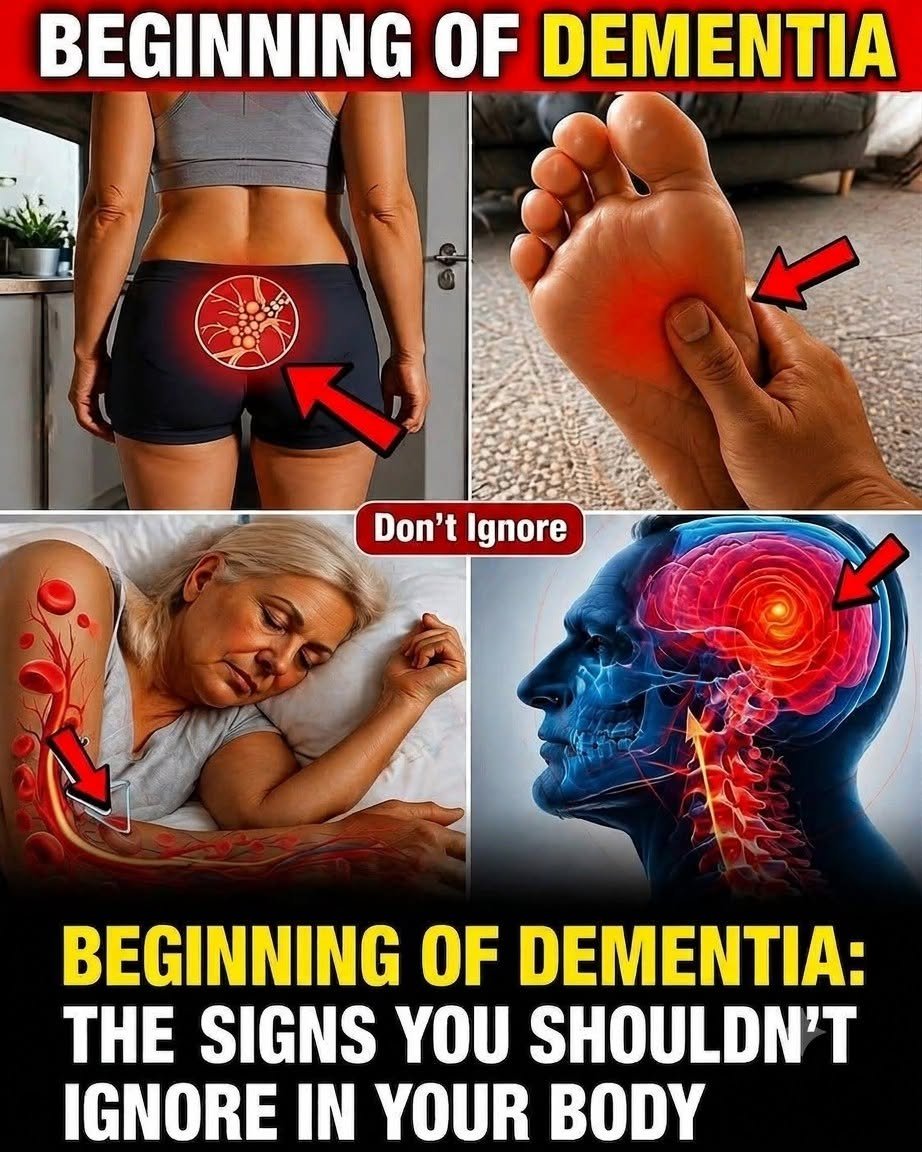
    10 Early Dementia Warning Signs You Should Never Ignore

    Dementia is not a normal part of aging, and its early symptoms can sometimes be subtle enough to overlook. The condition describes a group of symptoms involving memory, thinking, communication, behavior, and the ability to manage everyday activities. According to the Alzheimer’s Association and NHS, 10 important warning signs include: 1) memory loss that interferes with daily life, 2) difficulty planning or solving problems, 3) trouble completing familiar tasks, 4) confusion about time or place, 5) difficulty understanding visual information or spatial relationships, 6) new problems with speaking or writing, 7) frequently misplacing things and being unable to retrace steps, 8) poorer judgment or decision-making, 9) withdrawing from work or social activities, and 10) noticeable changes in mood or personality. Occasional forgetfulness can happen with normal aging, stress, tiredness, or certain medications, so a single forgotten name or appointment does not automatically indicate dementia. The more important concern is a persistent or progressive change that begins interfering with normal life.

    Some of these changes can be easier to recognize when they affect familiar routines. Someone who previously managed household finances may suddenly struggle with bills, a confident cook may have difficulty following a familiar recipe, or a person may repeatedly ask the same question despite having recently received an answer. Other possible clues include getting lost in a familiar location, struggling to find everyday words, putting objects in unusual places, or becoming increasingly suspicious, anxious, withdrawn, or confused. Importantly, these symptoms do not prove that dementia is present. Memory and thinking problems can also result from depression, certain medications, thyroid problems, vitamin deficiencies, sleep issues, and other medical conditions. This is one reason professional assessment is valuable: identifying the underlying cause can sometimes reveal a treatable or reversible problem. If symptoms are becoming more frequent or are interfering with work, finances, driving, relationships, or personal care, arranging a medical evaluation is a sensible step rather than waiting for the symptoms to become severe.

    Early evaluation can provide important healthcare and treatment-planning benefits. A doctor can review symptoms, medications, medical history, and cognitive changes and determine whether additional testing is appropriate. The Alzheimer’s Association recommends seeking medical advice when warning signs appear, while the NHS similarly encourages people experiencing increasing forgetfulness or other cognitive changes to speak with a doctor. Family members can also help by documenting specific changes and explaining when they began, because gradual changes may be easier for others to recognize than for the affected person. Early identification does not necessarily mean a person has dementia, but it can provide an opportunity to understand the cause, explore appropriate treatment or support, and plan ahead. Disclaimer: This article is for general educational and informational purposes only and does not constitute medical advice, diagnosis, or treatment. The presence of one or more warning signs does not confirm dementia, and many symptoms can have other causes. Always verify health information through reliable medical and scientific sources and consult a qualified healthcare professional for an appropriate evaluation.

  • After Many Years, a Doctor Realized That Cancer Patients Share 6 Common Morning Habits

    After Many Years, a Doctor Realized That Cancer Patients Share 6 Common Morning Habits

    Claims that cancer patients share six specific morning habits can sound convincing on social media, but there is no reliable medical evidence showing that people with cancer universally follow a particular set of morning routines. Cancer is a complex group of diseases, and symptoms vary according to the type, location, stage, and individual health circumstances. However, certain symptoms may become noticeable after waking and should not automatically be dismissed when they persist. These can include severe fatigue that does not improve with adequate rest, unexplained weight loss, persistent fever or night sweats, unusual pain, ongoing cough or hoarseness, changes in bowel or bladder habits, unexplained bleeding, or new lumps. The American Cancer Society identifies several of these as possible cancer symptoms while emphasizing that many are more commonly caused by other conditions.

    A person may notice persistent exhaustion in the morning, for example, but fatigue alone does not mean cancer. The National Cancer Institute explains that cancer-related fatigue can be different from ordinary tiredness because it may not be completely relieved by sleep or rest. Similarly, waking with sweating, reduced appetite, unexplained weight changes, or persistent discomfort can have numerous causes, including infections, medication effects, sleep problems, hormonal changes, stress, or other medical conditions. This is why it is inaccurate to label ordinary habits—such as drinking water after waking, checking the phone, skipping breakfast, or feeling tired—as “cancer habits.” A more useful approach is to notice new and persistent changes in how your body feels and functions. If symptoms continue for several weeks, become progressively worse, or occur together, discussing them with a qualified healthcare professional can help identify the real cause.

    The most valuable lesson is to focus on evidence-based health awareness rather than frightening viral claims. Keeping regular medical appointments, following appropriate cancer-screening recommendations, maintaining a balanced diet, staying physically active, avoiding tobacco, and discussing unexplained symptoms with a healthcare professional are more meaningful steps than searching for a secret morning routine. Some cancers can be detected through screening before symptoms appear, which is why following age- and risk-appropriate screening guidance is important. If you repeatedly wake with unexplained severe fatigue, significant weight loss, persistent night sweats or fever, unusual bleeding, a new lump, or another major change that does not improve, seek medical advice rather than attempting self-diagnosis. Disclaimer: This article is for general educational and informational purposes only and does not constitute medical advice, diagnosis, or treatment. There is no verified evidence that cancer patients universally share six specific morning habits. Many symptoms associated with cancer have other, more common causes. Always verify health claims through reliable medical or scientific sources and consult a qualified healthcare professional about persistent or concerning symptoms.

  • Morning Warning: Spot This Sign When You Wake Up? Don’t Ignore — It May Signal Cancer

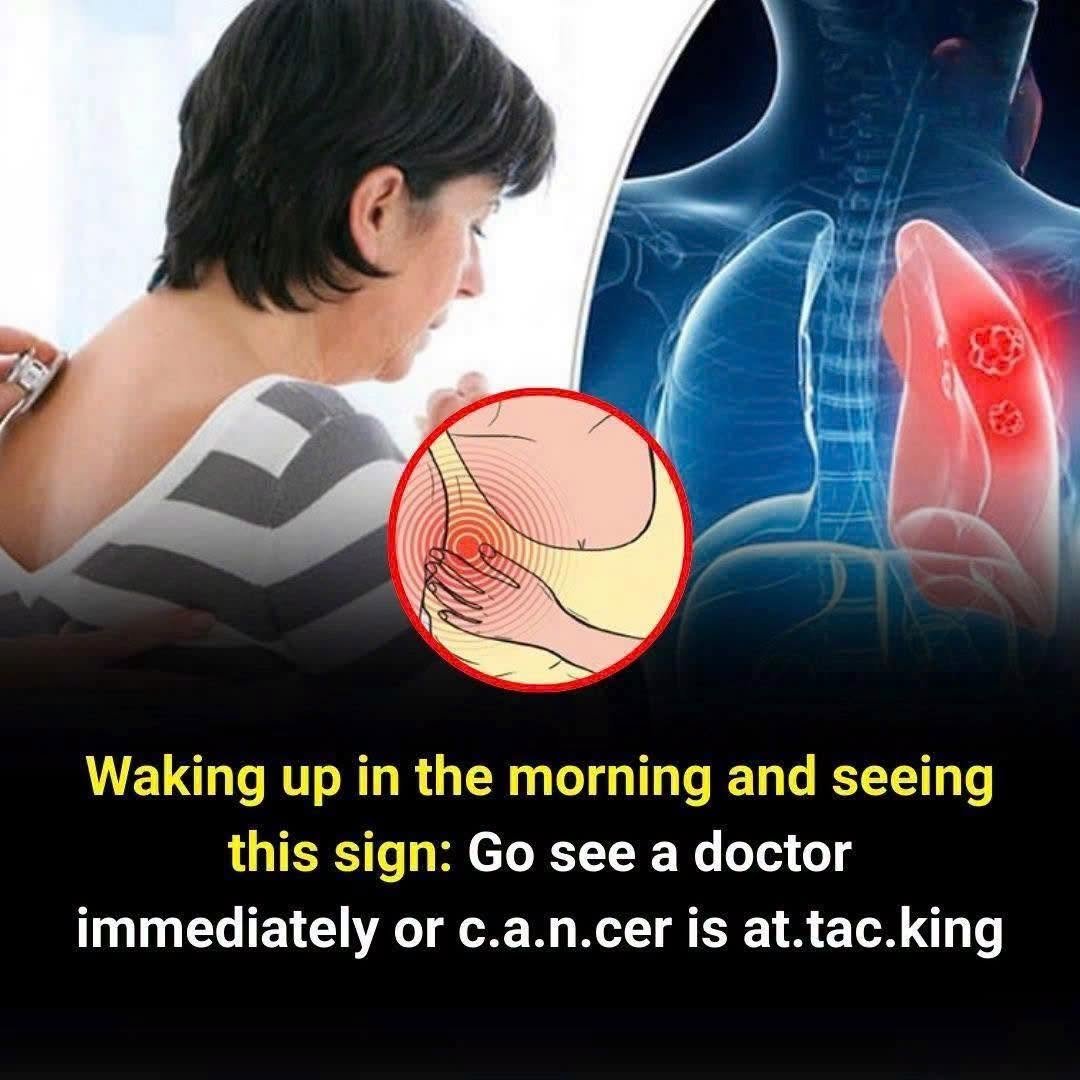
    Morning Warning: Spot This Sign When You Wake Up? Don’t Ignore — It May Signal Cancer

    Waking up with an unusual symptom can understandably cause concern, but there is no single morning sign that automatically means cancer. Certain symptoms that are noticeable after waking—such as persistent fatigue, unexplained night sweats, unusual pain, a new lump, unexplained weight loss, or blood in the urine or stool—can sometimes occur with cancer, but they are much more commonly caused by other health conditions. The American Cancer Society lists unexplained weight changes, persistent fatigue, fever or night sweats, unusual bleeding, persistent pain, and changes in bowel or bladder habits among symptoms that may occur with cancer. The important distinction is whether a symptom is new, persistent, unexplained, or getting worse rather than simply appearing once after a poor night’s sleep or temporary illness.

    One symptom that may be particularly noticeable in the morning is heavy or drenching night sweating, especially when it repeatedly soaks clothing or bedding. NHS guidance notes that excessive sweating at night, prolonged fever, unexplained weight loss, unusual bruising or bleeding, persistent pain, and unusual lumps can sometimes be associated with cancer. However, these symptoms have many possible causes, including infections, medication effects, hormonal changes, stress, and other non-cancerous conditions. Similarly, waking with persistent fatigue does not mean a person has cancer; fatigue is extremely common and can result from inadequate sleep, anemia, nutritional problems, stress, infections, or numerous other conditions. The National Cancer Institute emphasizes that cancer symptoms are often caused by illnesses, injuries, benign conditions, or other problems, and recommends medical evaluation when symptoms persist for several weeks. This is why using a viral headline to self-diagnose can create unnecessary fear rather than providing useful health information.

    The safest approach is to pay attention to persistent changes in your body instead of focusing on one dramatic symptom. If you repeatedly wake with unexplained drenching sweats, notice unexplained weight loss, find a new lump, experience persistent pain or coughing, see blood in your urine or stool, or develop other unusual symptoms that do not improve, arrange an evaluation with a qualified healthcare professional. Early assessment can help identify the actual cause and, when cancer is present, early detection may improve treatment options. Remember that having one of these symptoms does not mean you have cancer; proper examination and, when appropriate, diagnostic testing are necessary to determine the cause. Disclaimer: This article is for general educational and informational purposes only and does not constitute medical advice, diagnosis, or treatment. No single morning symptom can confirm cancer, and many warning signs have harmless or treatable causes. Always verify health information through reliable medical or scientific sources and consult a qualified healthcare professional about persistent, unexplained, or worsening symptoms.

  • No Matter How Delicious It Is, You Can’t Eat It Again

    No Matter How Delicious It Is, You Can’t Eat It Again

    Some foods may be delicious and completely safe for most people, yet become unsuitable to eat again after they have been improperly stored, left at unsafe temperatures, or contaminated during preparation. One of the biggest food-safety mistakes is assuming that food is safe simply because it still looks, smells, or tastes normal. Harmful bacteria can multiply without producing obvious changes in appearance or odor. The U.S. Department of Agriculture recommends refrigerating perishable foods within two hours, or within one hour when temperatures are above 90°F (32°C), and keeping the refrigerator at 40°F (4°C) or below. (fsis.usda.gov) This is particularly important for cooked meat, poultry, seafood, eggs, dairy products, and prepared meals. Once food has remained in the “danger zone” for too long, simply reheating it may not always make it safe because some bacteria can produce toxins that are resistant to heat.

    Leftovers can still be an excellent way to reduce food waste and household expenses, but they need proper handling from the moment a meal is prepared. USDA guidance recommends dividing large amounts of leftovers into shallow containers so they cool more quickly and refrigerating them promptly. Properly refrigerated leftovers are generally recommended for use within three to four days. (fsis.usda.gov) When reheating, food should reach 165°F (74°C) according to USDA recommendations, and soups, sauces, and gravies should be brought to a boil when reheating on the stovetop. (fsis.usda.gov) Certain foods can also become contaminated through cross-contact with raw meat, dirty utensils, unwashed hands, or contaminated surfaces. For this reason, safe food handling is just as important as the quality of the ingredients themselves. A delicious meal is not worth the risk if it has been stored under unsafe conditions.

    The simple rule is: when you are unsure how long a perishable food has been sitting out or whether it was stored correctly, it is safer to discard it rather than take a chance. This becomes especially important for young children, older adults, pregnant women, and people with weakened immune systems, who can experience more serious complications from foodborne illness. (cdc.gov) Developing a reliable kitchen routine—washing hands, separating raw and cooked foods, using clean utensils, refrigerating leftovers quickly, and checking storage times—can provide valuable protection for the entire household. Disclaimer: This article is for general educational and informational purposes only and does not constitute professional medical or food-safety advice. Food safety can depend on the type of food, storage temperature, preparation method, and time involved. When information is uncertain, verify recommendations through reliable government or food-safety authorities and consult a qualified professional when appropriate.