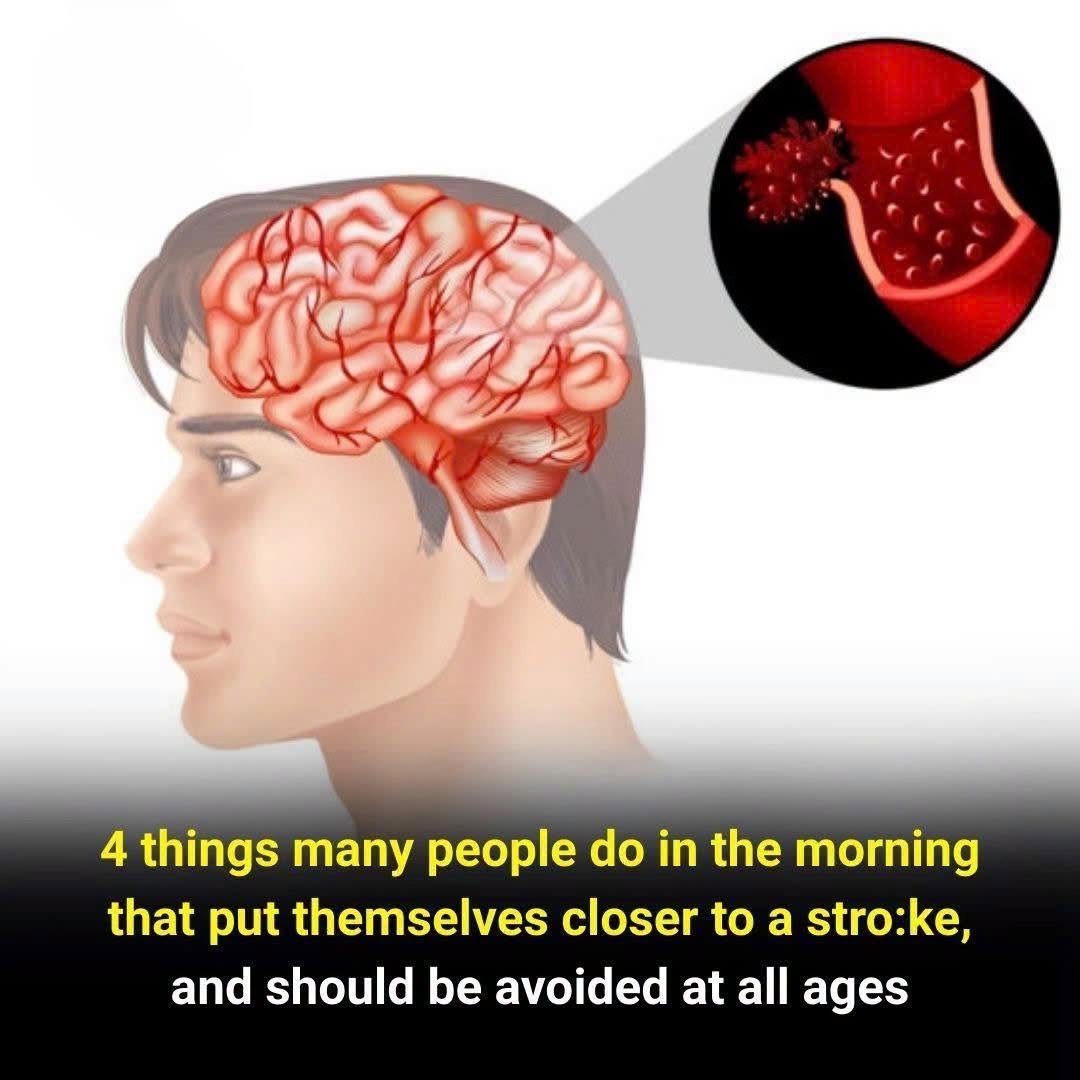
Stroke can happen at any age, and while you cannot control every risk factor, many important contributors are influenced by everyday habits. One common mistake is ignoring high blood pressure. Hypertension often has no obvious symptoms, yet it is one of the leading risk factors for stroke. Checking blood pressure regularly and following medical advice when readings are elevated can be an important part of cardiovascular prevention. Another mistake is starting the day with tobacco or nicotine exposure. Smoking can temporarily raise blood pressure, damage blood vessels, and increase the likelihood of stroke over time. A third concern is consistently poor sleep. The CDC notes that regularly getting insufficient sleep is associated with increased risks of high blood pressure, heart disease, and stroke. A healthy morning therefore begins with habits developed the night before: adequate sleep, appropriate medical care, and avoiding tobacco.
A fourth mistake is making breakfast and morning routines consistently high in sodium and low in nutritional value. Eating patterns that contain excessive salt can contribute to higher blood pressure, while diets rich in fruits, vegetables, fiber, and other nutrient-dense foods can support cardiovascular health. Another issue is remaining inactive for long periods. Regular physical activity helps maintain healthier blood pressure, cholesterol, and body weight, all of which influence stroke risk. Importantly, these are not “morning-only” causes of stroke; rather, the morning routine can either reinforce healthy habits or make unhealthy patterns easier to repeat. People who take blood-pressure, cholesterol, diabetes, or heart medications should also avoid skipping prescribed doses simply because they feel well. The CDC specifically recommends taking medications according to medical instructions and discussing concerns with a healthcare professional.
The most effective approach is to build a heart-healthy daily routine instead of searching for one miracle prevention trick. Start the day with appropriate hydration, a balanced meal when desired, regular movement, and medications exactly as prescribed. Monitor blood pressure when recommended, avoid smoking, prioritize quality sleep, and maintain regular medical checkups. These steps matter whether someone is young, middle-aged, or older because stroke risk is influenced by factors including blood pressure, diabetes, cholesterol, smoking, physical inactivity, obesity, and certain heart conditions. If sudden facial weakness, arm weakness, speech difficulty, vision changes, severe dizziness, or other possible stroke symptoms occur, treat the situation as a medical emergency and seek emergency care immediately. Disclaimer: This article is for general educational and informational purposes only and does not constitute medical advice, diagnosis, or treatment. Morning habits alone do not determine an individual’s stroke risk, and no lifestyle change can guarantee prevention. Always verify health information through reliable medical and scientific sources and consult a qualified healthcare professional for personalized guidance.
Leave a Reply