Category: Uncategorized

  • Visible Veins in Your Hands? Most Cases Are Normal — But Here’s When to Pay Attention

    Visible Veins in Your Hands? Most Cases Are Normal — But Here’s When to Pay Attention

    Visible veins on the hands can look surprisingly prominent, especially in people with naturally thin skin, lower body fat, or a physically active lifestyle. In many cases, this is simply a normal anatomical variation rather than a warning sign of disease. Superficial veins sit close to the skin, making them easier to see, and factors such as aging, exercise, increased blood flow, and lower body-fat levels can make them appear even more noticeable. Cleveland Clinic explains that bulging veins commonly appear in the hands and arms after intense exercise because increased blood flow and muscle development can make superficial veins more visible. As people age, skin can also become thinner and less elastic, allowing underlying veins to stand out more clearly. Therefore, if your hand veins have always been visible and you have no pain, swelling, or other unusual symptoms, they are usually not something to fear.

    However, it is worth paying attention when a vein becomes suddenly prominent or changes along with other symptoms. A new bulging vein accompanied by pain, tenderness, redness, warmth, swelling, or a firm area beneath the skin can sometimes indicate inflammation or another vascular problem. More concerning symptoms involving the hand or arm include sudden swelling, significant color changes such as blue or purple skin, unusual heaviness, numbness, weakness, or severe pain. Mayo Clinic notes that venous problems affecting the upper body can cause hand or arm swelling, pain, heaviness, discoloration, tingling, and visible veins. These symptoms do not automatically mean that a dangerous condition is present, but they deserve appropriate medical evaluation. It is particularly important not to diagnose a blood clot or circulation disorder solely from the appearance of a vein because several harmless factors can produce a similar appearance.

    For better vascular and cardiovascular health, focus on habits that support healthy circulation overall: stay physically active, avoid tobacco, maintain a healthy weight, eat a balanced diet, and follow medical advice for conditions such as high blood pressure, diabetes, or high cholesterol. Visible hand veins alone are not a reliable test of circulation or heart health. If the appearance is new, rapidly changing, painful, or associated with swelling or skin-color changes, speaking with a qualified healthcare professional is a sensible next step. Sudden severe hand or arm swelling, major color changes, cold skin, severe pain, or weakness can require urgent assessment because they may indicate impaired blood flow. Disclaimer: This article is for general educational and informational purposes only and does not constitute medical diagnosis or treatment advice. Visible hand veins are often completely normal, and their appearance alone cannot diagnose a vascular condition. Always verify health information through reliable medical sources and consult a qualified healthcare professional for persistent, sudden, painful, or unusual changes.

  • Why Successful People Often Wear Rings on Their Right Hand …and What It Really Means

    Why Successful People Often Wear Rings on Their Right Hand …and What It Really Means

    A ring worn on the right hand can certainly create an impression of confidence, sophistication, status, and individuality, but there is no universal rule saying that successful people wear rings on this hand. Historically and culturally, rings have been used to communicate identity, authority, family heritage, achievement, and personal commitments. Signet rings, for example, have long been associated with family identity and social position, while modern right-hand rings are often viewed as expressions of independence or personal achievement. (monicarichkosann.com) In contemporary fashion, a person may deliberately choose the right hand for a statement ring because it feels more distinctive or visually noticeable. This can contribute to a polished executive style when paired with appropriate clothing and accessories, but the ring itself does not prove wealth, professional success, or financial status.

    The meaning becomes even more interesting when you consider the finger and cultural background. In some countries and traditions, wedding rings are commonly worn on the right hand rather than the left. In other settings, a right-hand ring can represent independence, a personal milestone, self-expression, or simply a fashion preference. (celinni.com) A signet ring on the little finger, for example, may communicate heritage or identity, while a bold gemstone ring can function primarily as a statement accessory. Some modern interpretations connect the right hand with action, confidence, and personal expression, but these are symbolic interpretations rather than scientifically established meanings. (zales.com) Therefore, seeing an expensive-looking ring on someone’s right hand does not tell you whether that person is wealthy, married, successful, or influential. The real meaning depends on the individual, culture, ring design, and personal story.

    Ultimately, the appeal of a right-hand ring is its ability to become part of a person’s personal brand and visual identity. A well-chosen ring can complement a professional wardrobe, add character to an understated outfit, or commemorate an important achievement. Some people wear one after reaching a career milestone, while others simply appreciate the craftsmanship and aesthetic value of fine jewelry. Modern jewelry traditions offer considerable freedom, so there is no single secret code that determines what a right-hand ring means. (zales.com) If someone wears a ring on their right hand, the safest assumption is that it has personal, cultural, or stylistic significance rather than automatically associating it with success or wealth. Disclaimer: This article is for general educational and informational purposes only. Ring symbolism varies significantly across cultures, religions, traditions, and individual preferences, and there is no reliable evidence that wearing a ring on the right hand indicates financial success or social status. Always verify cultural and historical claims through reliable sources.

  • Acid Reflux Isn’t Always About Too Much Stomach Acid — Here’s What Experts Know

    Acid Reflux Isn’t Always About Too Much Stomach Acid — Here’s What Experts Know

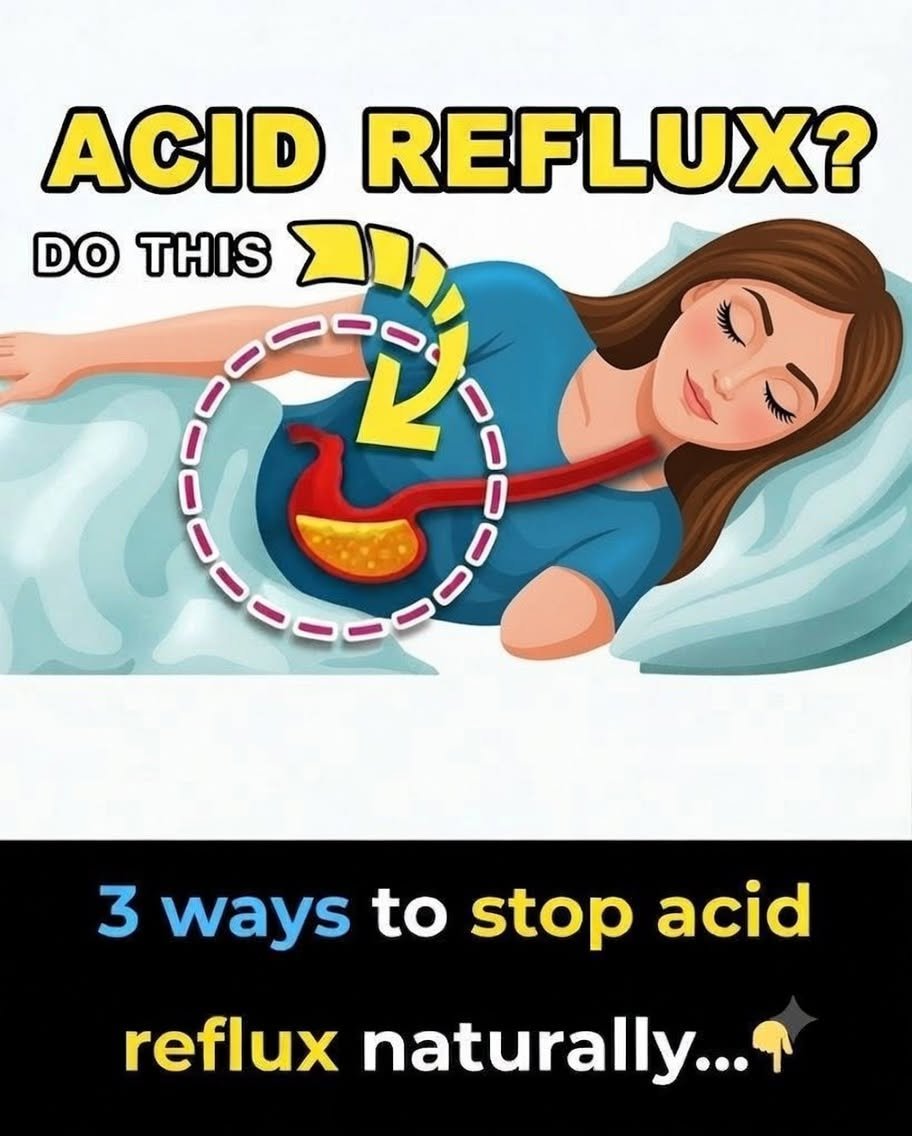
    Acid reflux is often misunderstood as a condition caused simply by producing “too much stomach acid,” but experts explain that the underlying mechanism is usually more complicated. The American College of Gastroenterology states that gastroesophageal reflux disease (GERD) is generally caused by stomach contents flowing backward into the esophagus, rather than excessive acid production itself. One important factor is the lower esophageal sphincter (LES), a muscular valve that normally helps prevent stomach contents from moving upward. If this barrier relaxes too often or becomes less effective, reflux can occur. Other factors may include a hiatal hernia, impaired clearance of refluxed material, delayed stomach emptying, increased abdominal pressure, and sensitivity of the esophageal lining. Importantly, reflux can sometimes be non-acidic, meaning symptoms may persist even when acid exposure has been reduced.

    This helps explain why some people continue experiencing symptoms despite taking acid-reducing medication. Persistent heartburn, regurgitation, throat irritation, coughing, or chest discomfort may not always result from uncontrolled acid exposure. Clinical guidelines recognize several possibilities, including reflux hypersensitivity, non-acid reflux, functional symptoms, or another digestive condition that resembles GERD. Common lifestyle factors can also influence symptoms. Eating shortly before lying down, excess body weight, smoking, and individual food triggers may worsen reflux for some people. Evidence-based strategies can include avoiding meals within two to three hours of bedtime, losing weight when appropriate, avoiding personal trigger foods, and elevating the head of the bed for nighttime symptoms. These measures are not identical for everyone, which is why a personalized approach can be more useful than eliminating large numbers of foods unnecessarily.

    The good news is that effective GERD management does not always require extreme dietary restrictions. For people with typical symptoms, healthcare professionals may recommend an appropriate trial of acid-suppressing medication, while persistent or unexplained symptoms may require testing such as endoscopy or reflux monitoring. People should also avoid assuming that every episode of chest burning is reflux, particularly when symptoms are severe or unusual. Difficulty swallowing, persistent vomiting, gastrointestinal bleeding, unexplained weight loss, or significant chest pain should receive medical attention because these symptoms can indicate complications or another serious condition. Disclaimer: This article is provided for general educational and informational purposes only and does not constitute medical diagnosis or treatment advice. Acid reflux can have multiple causes, and symptoms alone cannot determine the underlying mechanism. Always verify health information through reliable medical sources and consult a qualified healthcare professional for persistent, severe, or unexplained symptoms.

  • This Common Ear Mark Has a Surprising Meaning

    This Common Ear Mark Has a Surprising Meaning

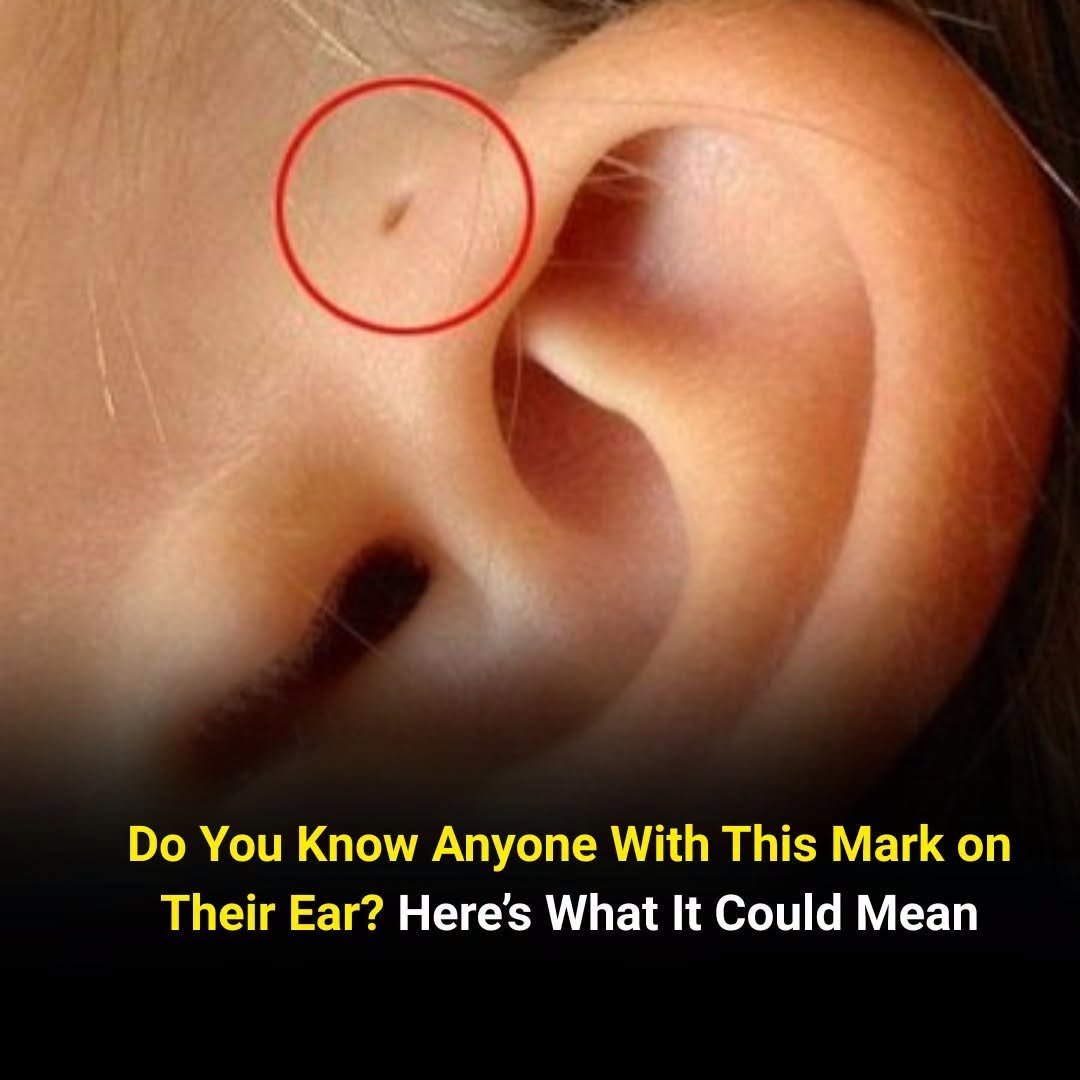
    A diagonal crease running across the earlobe may look like an ordinary feature of aging, genetics, or skin structure, but researchers have studied this mark for decades because of a possible connection with heart and cardiovascular health. Often called a diagonal earlobe crease or “Frank’s sign,” it extends diagonally across the lower part of the earlobe. Several observational studies have reported an association between this crease and coronary artery disease. A systematic review and meta-analysis published by researchers in the field found that people with a diagonal earlobe crease appeared to have a higher likelihood of coronary artery disease across the studies examined. Research from Pakistan has also reported a significant association between the crease and angiography-confirmed coronary artery disease. These findings are interesting because the earlobe is easy to examine, potentially making the mark a useful clue during a broader physical assessment.

    However, seeing this crease does not mean that someone has heart disease. The evidence is largely observational, and the diagnostic accuracy of the earlobe crease by itself is not strong enough to replace established cardiovascular testing. A systematic review of diagnostic studies concluded that the presence or absence of a diagonal earlobe crease should not, on its own, determine clinical management. Age is another important consideration because earlobe creases become more common as people get older, and age itself is a major cardiovascular risk factor. This means the crease should be viewed as a possible risk marker rather than a diagnosis. If someone notices this feature, the more useful response is to pay attention to established heart-health factors such as blood pressure, cholesterol, blood sugar, smoking status, physical activity, diet, body weight, and family history. These factors provide substantially more meaningful information about cardiovascular risk than a single visible mark.

    The surprising lesson is that sometimes a simple physical feature can encourage people to take preventive healthcare more seriously—but it should never create unnecessary fear. If you have a diagonal earlobe crease along with risk factors such as high blood pressure, high cholesterol, diabetes, smoking, obesity, or a strong family history of heart disease, discussing your overall cardiovascular risk with a qualified healthcare professional may be worthwhile. Routine medical evaluations can include appropriate blood-pressure measurements, cholesterol testing, and other assessments based on individual risk. The goal should be prevention rather than self-diagnosis. Disclaimer: This article is provided for general educational and informational purposes only and does not constitute medical advice or a diagnosis. A diagonal earlobe crease is not proof of coronary artery disease, and research regarding its usefulness as a cardiovascular marker remains subject to limitations. Always verify health claims through reliable scientific or medical sources and consult a qualified healthcare professional for personalized cardiovascular assessment.

  • How to Support Healthy Arteries: Evidence-Based Tips for Heart Health

    How to Support Healthy Arteries: Evidence-Based Tips for Heart Health

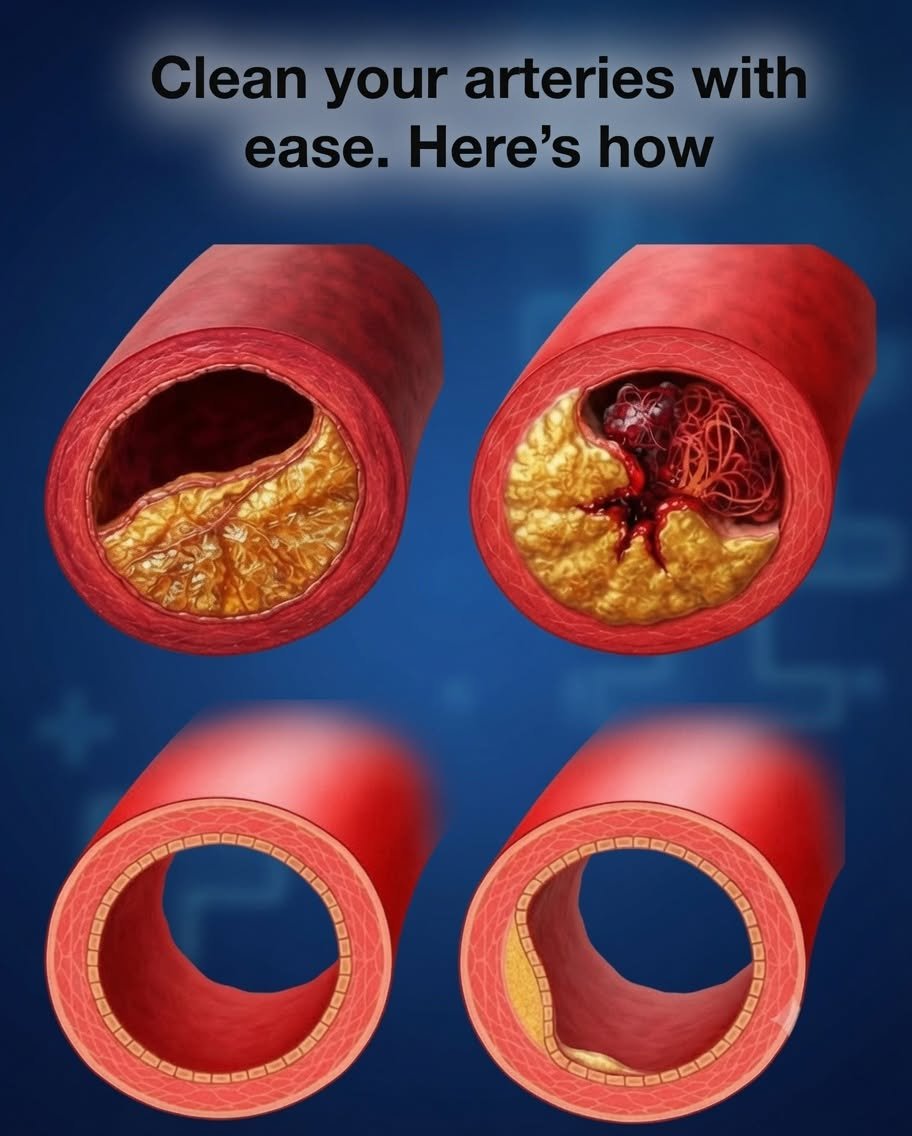
    Healthy arteries are essential for delivering oxygen-rich blood throughout the body, and protecting them is closely connected with overall cardiovascular health. Rather than relying on a single “artery-cleansing” food or supplement, research supports a consistent lifestyle that addresses blood pressure, cholesterol, blood sugar, body weight, physical activity, diet, sleep, and tobacco exposure. The American Heart Association’s Life’s Essential 8 identifies these factors as key components of cardiovascular health. A heart-supportive eating pattern can include vegetables, fruits, whole grains, beans, legumes, nuts, seeds, and lean protein while limiting highly processed foods, excessive sodium, added sugars, and foods high in saturated and trans fats. These habits can help address several major risk factors associated with artery disease and may support long-term heart and blood-vessel function.

    Regular physical activity is another powerful tool for maintaining cardiovascular wellness. The American Heart Association recommends that adults aim for at least 150 minutes of moderate-intensity aerobic activity or 75 minutes of vigorous activity each week, with activity spread throughout the week. Brisk walking, cycling, swimming, or other enjoyable forms of movement can contribute to this goal, while strength-training activities can complement aerobic exercise. Managing blood pressure and cholesterol is equally important because these factors can influence the development of cardiovascular disease. The CDC recommends regular blood-pressure monitoring and appropriate cholesterol testing, particularly for people with risk factors or existing conditions. If a healthcare professional recommends medication for high blood pressure or cholesterol, lifestyle improvements should complement—not replace—prescribed treatment. Smoking is another major concern: cigarette smoking can damage blood vessels, accelerate hardening of the arteries, and substantially increase cardiovascular risk.

    Supporting healthy arteries is therefore less about finding a miracle ingredient and more about building sustainable heart-health habits. Maintaining a healthy weight, staying physically active, choosing nutrient-dense foods, getting adequate sleep, avoiding tobacco, and keeping blood pressure, cholesterol, and blood sugar under control can work together to reduce cardiovascular risk. The CDC notes that healthy lifestyle choices can help maintain healthier levels of blood pressure, cholesterol, and blood sugar and lower the risk of heart disease. People with diabetes, high blood pressure, high cholesterol, kidney disease, or a strong family history of cardiovascular disease may benefit from discussing individualized prevention strategies with a healthcare professional. Disclaimer: This article is provided for general educational and informational purposes only and does not constitute medical advice, diagnosis, or treatment. No single food, supplement, or lifestyle habit can guarantee “clean” or disease-free arteries. Health recommendations should be individualized and verified through reliable medical and scientific sources. Always consult a qualified healthcare professional before making significant changes to your diet, exercise routine, or prescribed treatment.

  • What Seems Like a Minor Issue Could Be a Sign of a Bigger Problem

    What Seems Like a Minor Issue Could Be a Sign of a Bigger Problem

    Sometimes, a small or unusual change in your body may deserve more attention than you expect. Unexplained weight loss, persistent fever, ongoing shortness of breath, changes in bowel habits, unusual confusion, or feeling full after only a small amount of food can have many possible causes, ranging from relatively minor conditions to problems requiring medical evaluation. Mayo Clinic advises that certain persistent or unexplained symptoms should not simply be ignored, particularly when they are new or continue over time. For example, losing more than about 5% of body weight over six to twelve months without trying may warrant discussion with a healthcare professional. The key message is not to panic over every minor symptom, but to pay attention to changes that are unusual for you, especially when they persist, worsen, or occur alongside other symptoms.

    Some warning signs can be particularly important because they may require prompt or emergency medical attention. Sudden or severe shortness of breath, unexplained chest pain, sudden changes in vision or speech, fainting, or significant weakness should not be dismissed simply because the initial sensation seems mild. Mayo Clinic notes that heart-related symptoms can sometimes be subtle, and some people may experience symptoms such as fatigue, nausea, indigestion, dizziness, or mild discomfort rather than dramatic chest pain. Similarly, persistent changes in bowel movements, including bloody or black stools, prolonged diarrhea or constipation, or unexplained abdominal pain, should be discussed with a healthcare professional. These symptoms do not automatically mean a serious disease is present; they have many possible explanations. What matters is recognizing when a change is persistent, unexplained, or accompanied by other concerning signs.

    The smartest approach to preventive healthcare is to know what is normal for your body and take meaningful changes seriously without assuming the worst. Keeping track of recurring symptoms, discussing unexplained changes with a qualified healthcare professional, and following appropriate screening recommendations can support earlier identification of health problems when they are present. At the same time, searching the internet for every minor sensation can create unnecessary anxiety, so symptoms should be interpreted in context rather than used for self-diagnosis. If symptoms are sudden, severe, or involve difficulty breathing, chest pain, loss of consciousness, or stroke-like changes, seek emergency medical care immediately. Disclaimer: This article is for general educational and informational purposes only and does not constitute medical advice or diagnosis. A minor symptom can have many harmless causes, and the presence of one symptom does not prove that a serious condition exists. Always verify health information through reliable medical sources and consult a qualified healthcare professional for personalized evaluation.

  • Doctors Reveal That Eating Guava Causes… Here’s What Research Really Says

    Doctors Reveal That Eating Guava Causes… Here’s What Research Really Says

    Guava is a nutrient-rich tropical fruit that has attracted considerable interest in nutrition, metabolic health, digestive wellness, and antioxidant research. Rather than causing a single dramatic health effect, eating guava provides a combination of dietary fiber, vitamin C, potassium, and naturally occurring plant compounds. A recent scientific review describes guava as rich in nutrients and bioactive compounds, while also emphasizing that more high-quality human research is needed before therapeutic claims can be confirmed. Its fiber content may support normal digestion and satiety, while its vitamin C and antioxidant compounds contribute to overall nutritional quality. Some human studies have also investigated guava consumption in relation to blood pressure, cholesterol, blood glucose, and other metabolic markers. However, these studies should not be interpreted as proof that guava can prevent or cure a specific disease.

    Interestingly, clinical research has produced some promising but mixed findings. One randomized study involving healthy adults found that consuming ripe guava was associated with changes in body mass index and blood pressure, although some blood glucose and lipid measurements did not consistently improve across all groups. Another controlled study reported favorable changes in cholesterol, triglycerides, and blood pressure when guava was incorporated into the diets of people with hypertension, although the results should be considered within the context of the entire dietary intervention rather than attributed exclusively to the fruit. Guava is generally considered safe when eaten as a food, but concentrated guava-leaf products and extracts are different from ordinary fruit consumption. Some sources caution that guava or guava products may influence blood sugar, which could matter for people taking diabetes medications. This is why replacing medical treatment with fruit, herbal preparations, or online health advice is not recommended.

    For most people, enjoying fresh guava as part of a balanced, nutrient-dense diet can be a practical way to increase fruit and fiber intake. Wash the fruit properly before eating, and remember that portion size and the overall dietary pattern matter more than any single “superfood.” If you have diabetes, take medication that affects blood sugar, have a food allergy, or are considering concentrated guava-leaf supplements, discuss your situation with a qualified healthcare professional. The biggest lesson from current research is that guava appears nutritionally valuable, but sensational claims such as “doctors reveal that guava causes…” should be treated cautiously until the specific claim is supported by strong human evidence. Disclaimer: This article is for general educational and informational purposes only and does not constitute medical, nutritional, or professional advice. Eating guava should not be considered a guaranteed treatment or cure for any disease. Research is still developing, and individual responses can vary. Always verify health claims through reliable scientific or medical sources and consult a qualified healthcare professional for personalized guidance.

  • The Vegetable Most Likely to Carry Parasites Is Also One Many People Love Eating Raw

    The Vegetable Most Likely to Carry Parasites Is Also One Many People Love Eating Raw

    Raw vegetables can be a healthy part of a balanced diet, but some produce may become contaminated with harmful microorganisms during growing, harvesting, transportation, or preparation. Watercress and other raw aquatic plants are among the vegetables specifically identified by the CDC as potential vehicles for foodborne parasites when contaminated. The CDC also notes that raw vegetables contaminated with human or animal feces can transmit parasites such as Cyclospora, Giardia, and other organisms. However, it would be misleading to say that one particular vegetable is universally “the most likely” to carry parasites. Contamination depends on growing conditions, water quality, sanitation, handling, and food-preparation practices. Recent food-safety attention has also highlighted leafy greens such as lettuce because raw produce can become contaminated with pathogens in agricultural environments.

    The bigger concern is often eating produce raw without adequate cleaning. Raw vegetables do not receive a cooking step that can destroy many harmful organisms, which means contamination present on the surface may remain when the food reaches the plate. The CDC lists unwashed fresh fruits and vegetables, including lettuce and leafy greens, among riskier food choices and recommends washing produce before eating. The FDA similarly explains that harmful bacteria can be present in soil or water and can contaminate produce before or after harvesting. Thoroughly rinsing fruits and vegetables under running water can reduce some contamination, although washing cannot eliminate every pathogen. Importantly, consumers should not wash vegetables with soap, detergent, or household cleaning chemicals; FDA guidance recommends plain running water instead. For foods such as firm cucumbers or similar produce, gently scrubbing the surface with a clean produce brush can also help remove dirt and microorganisms.

    The best approach is not to fear raw vegetables but to practice sensible food-safety and hygiene habits. Wash your hands before preparing produce, rinse vegetables thoroughly under clean running water, remove damaged portions, prevent contact with raw meat and contaminated utensils, and refrigerate perishable produce appropriately. People at higher risk of severe foodborne illness, including those with weakened immune systems, may need additional precautions and may be advised to choose cooked vegetables more often. Fresh vegetables remain an important source of fiber, vitamins, minerals, and other nutrients, so the goal is safer preparation—not avoiding them altogether. Disclaimer: This article is for general educational and informational purposes only. There is no reliable basis for claiming that one vegetable is universally “most likely” to carry parasites, and contamination risk varies according to growing, handling, and preparation conditions. Always verify food-safety claims through reliable government, scientific, or medical sources and consult a qualified healthcare professional for individual health concerns.

  • What Does Hair on Your Toes Say About Your Health? Many Women Are Surprised

    What Does Hair on Your Toes Say About Your Health? Many Women Are Surprised

    Hair on the toes is usually not a sign that something is wrong with your health. Body-hair growth varies naturally from person to person and can be influenced by genetics, age, ethnicity, and the sensitivity of individual hair follicles to hormones. Some women naturally have noticeable hair on their toes, feet, legs, or other areas without having any underlying medical condition. Medical sources explain that unwanted or excessive hair growth becomes more significant when it is thick, dark, and appears in a pattern that is unusual for the individual. This is sometimes called hirsutism, which is commonly associated with increased androgen activity. Therefore, seeing a few hairs on your toes by itself should not be interpreted as proof of a hormonal disorder, poor circulation, or another serious condition.

    However, a sudden increase in coarse or dark body hair may deserve more attention, especially when it occurs alongside other changes. Hormonal conditions such as polycystic ovary syndrome (PCOS) can cause increased androgen activity and may be associated with excess facial or body hair, acne, irregular menstrual cycles, or difficulty with fertility. Less commonly, excessive hair growth can be linked to certain medications or other hormone-related conditions. Medical professionals are particularly interested when hair growth becomes noticeably heavier or develops rapidly over a period of months. Mayo Clinic recommends medical evaluation when significant or rapid excess hair growth occurs, especially if it is accompanied by signs such as a deeper voice, scalp hair loss, increased muscle mass, or other changes associated with elevated androgen activity. These symptoms do not automatically mean that a serious condition is present, but they can provide a reason for appropriate medical assessment.

    For most people, toe hair is simply a normal variation of body hair and does not require treatment unless it is unwanted cosmetically. If you choose to remove it, ordinary grooming methods can be considered, while avoiding unnecessary or aggressive treatments that may irritate the skin. The bigger picture matters more than a single hair: consider whether your hair growth has changed recently and whether you have other symptoms involving your skin, menstrual cycle, weight, or general health. If you notice rapid or unusual changes, discussing them with a qualified healthcare professional or dermatologist can help determine whether hormone testing or another evaluation is appropriate. Disclaimer: This article is for general educational and informational purposes only and does not constitute medical advice. Hair on the toes alone cannot diagnose PCOS, hormonal imbalance, poor circulation, or any other disease. Health conditions can have different causes and symptoms in different people. Always verify health information through reliable medical or scientific sources and consult a qualified healthcare professional for personalized guidance.

  • Trying to Lose Weight, She Ate Eggs Every Day for 5 Months. Here’s What Happened

    Trying to Lose Weight, She Ate Eggs Every Day for 5 Months. Here’s What Happened

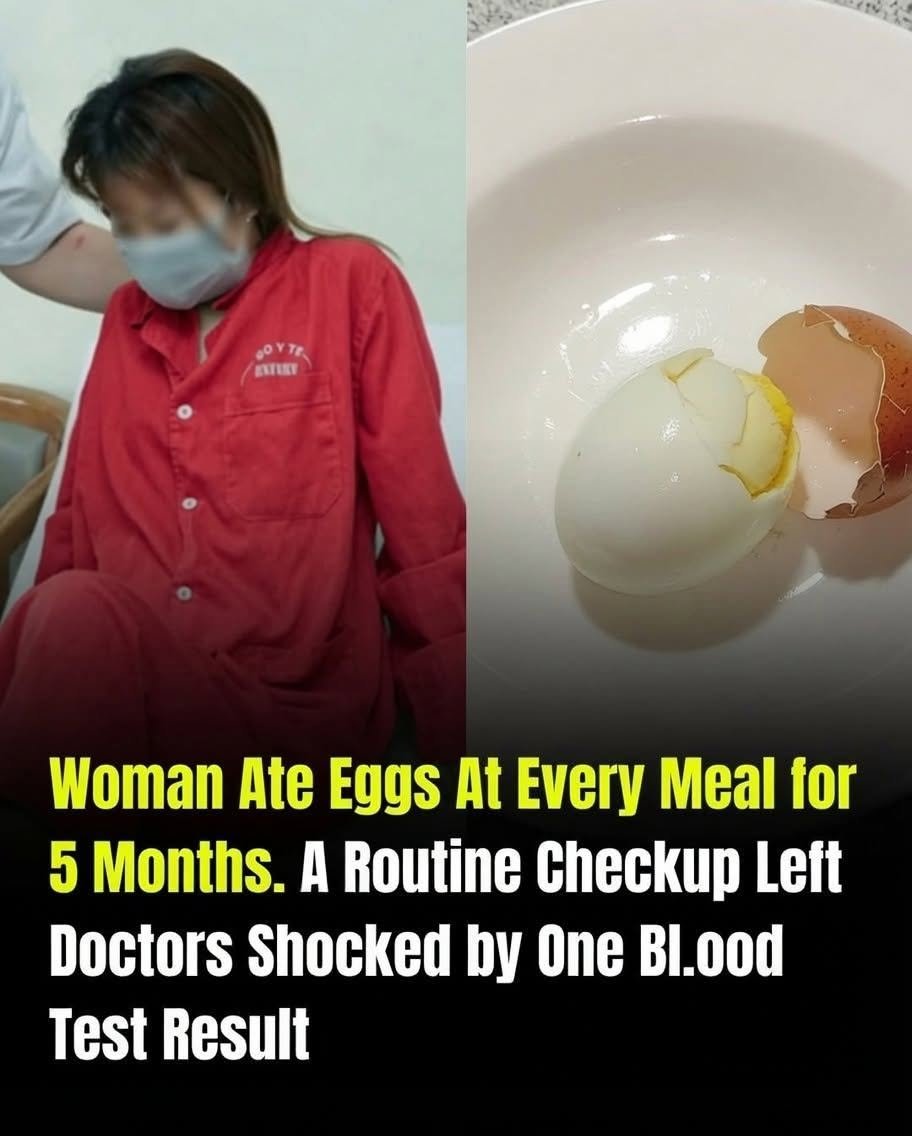
    Eggs are often included in weight-management diets because they provide high-quality protein and can be a convenient, relatively affordable breakfast option. Protein-rich meals may help people feel satisfied, potentially making it easier to control overall calorie intake. However, eating eggs every day does not automatically cause weight loss. A 2023 systematic review and meta-analysis of 32 controlled clinical trials found that whole-egg consumption, overall, had no significant effect on body weight, BMI, waist circumference, or fat-free mass. Interestingly, some subgroups involving calorie-restricted diets and healthy participants showed reductions in BMI, suggesting that eggs may fit effectively into a weight-loss plan when the overall diet supports an energy deficit. Therefore, if someone ate eggs daily for five months and lost weight, the result would likely reflect the complete lifestyle pattern—including total calories, food quality, physical activity, sleep, and consistency—rather than eggs alone.

    Research also suggests that eggs can influence satiety and appetite, which may be useful during a calorie-controlled eating plan. In a controlled study of young adults, eating up to two eggs daily was associated with greater feelings of fullness and satisfaction, although the study lasted only 11 weeks rather than five months. Another randomized trial found that people following an energy-restricted diet who consumed two eggs per day experienced moderate weight loss, but the comparison group also lost weight, demonstrating that calorie restriction itself was an important factor. This distinction is important: eggs can be a nutritious component of a balanced weight-management strategy, but adding eggs on top of an already high-calorie diet is unlikely to produce weight loss by itself. Preparation also matters. Eggs served with vegetables and other nutrient-dense foods can support a balanced meal, while cooking them with large amounts of added fats or pairing them with highly processed foods can substantially increase the meal’s overall calorie content.

    After five months, a person who consistently ate eggs while maintaining an appropriate calorie intake and regular physical activity could potentially experience weight reduction, improved dietary satisfaction, or better adherence to their eating plan—but there is no scientifically reliable “five-month egg transformation” that applies to everyone. Individual responses vary according to age, body composition, activity level, medical conditions, medications, and overall dietary pattern. Egg consumption also deserves individual consideration for people with specific cholesterol or cardiovascular concerns; research on dietary eggs and blood lipids is mixed, and some meta-analyses have reported increases in LDL-related measures with higher egg intake. The healthiest approach is to focus on an overall nutrient-dense eating pattern rather than relying on one food as a weight-loss solution. Disclaimer: This article is for general educational and informational purposes only and does not constitute medical, nutritional, or weight-loss advice. The exact results of eating eggs daily for five months cannot be predicted without knowing an individual’s complete diet and lifestyle. Research findings vary, and health outcomes should not be presented as guaranteed. Always verify health claims through reliable scientific or medical sources and consult a qualified healthcare professional for personalized guidance.