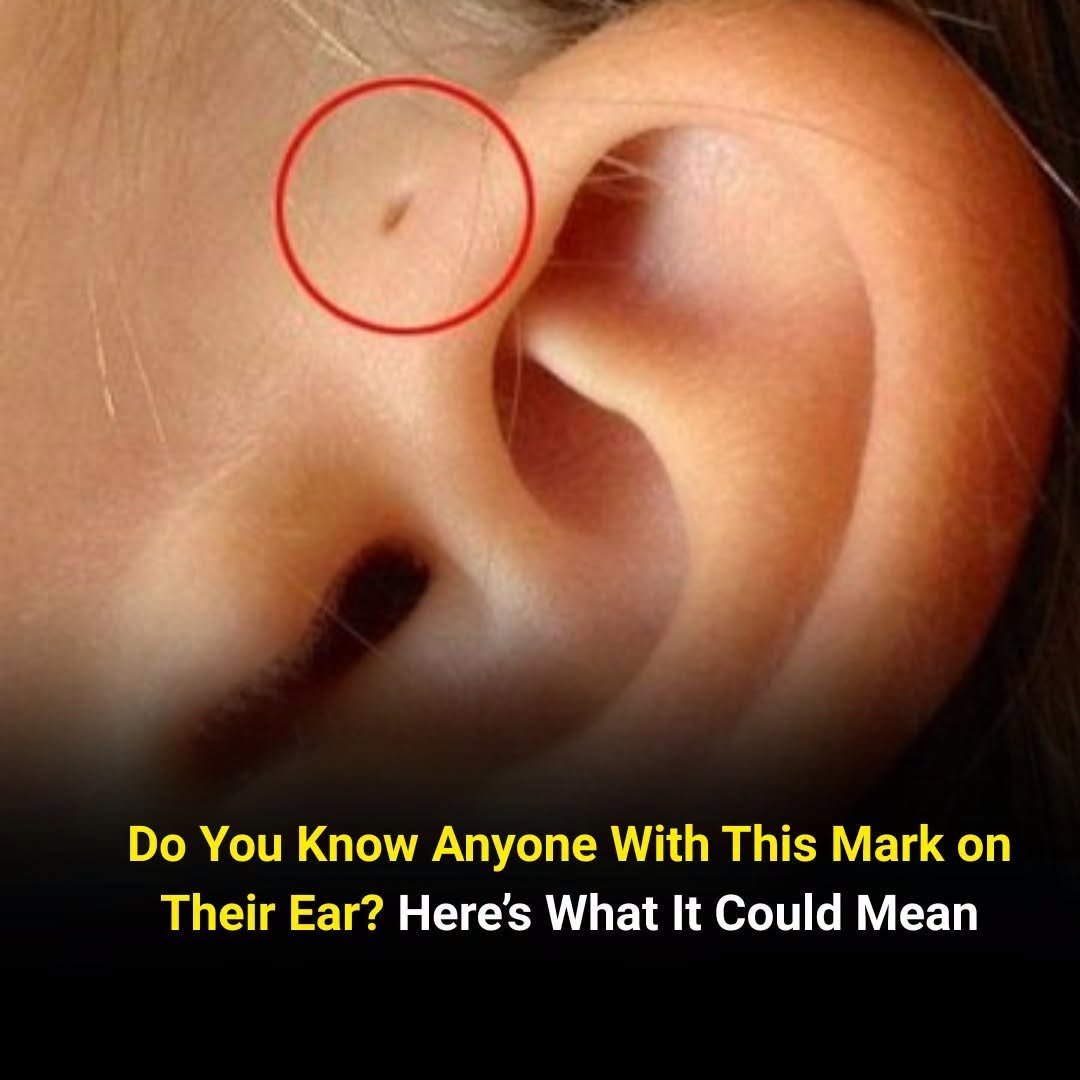
A diagonal crease running across the earlobe may look like an ordinary feature of aging, genetics, or skin structure, but researchers have studied this mark for decades because of a possible connection with heart and cardiovascular health. Often called a diagonal earlobe crease or “Frank’s sign,” it extends diagonally across the lower part of the earlobe. Several observational studies have reported an association between this crease and coronary artery disease. A systematic review and meta-analysis published by researchers in the field found that people with a diagonal earlobe crease appeared to have a higher likelihood of coronary artery disease across the studies examined. Research from Pakistan has also reported a significant association between the crease and angiography-confirmed coronary artery disease. These findings are interesting because the earlobe is easy to examine, potentially making the mark a useful clue during a broader physical assessment.
However, seeing this crease does not mean that someone has heart disease. The evidence is largely observational, and the diagnostic accuracy of the earlobe crease by itself is not strong enough to replace established cardiovascular testing. A systematic review of diagnostic studies concluded that the presence or absence of a diagonal earlobe crease should not, on its own, determine clinical management. Age is another important consideration because earlobe creases become more common as people get older, and age itself is a major cardiovascular risk factor. This means the crease should be viewed as a possible risk marker rather than a diagnosis. If someone notices this feature, the more useful response is to pay attention to established heart-health factors such as blood pressure, cholesterol, blood sugar, smoking status, physical activity, diet, body weight, and family history. These factors provide substantially more meaningful information about cardiovascular risk than a single visible mark.
The surprising lesson is that sometimes a simple physical feature can encourage people to take preventive healthcare more seriously—but it should never create unnecessary fear. If you have a diagonal earlobe crease along with risk factors such as high blood pressure, high cholesterol, diabetes, smoking, obesity, or a strong family history of heart disease, discussing your overall cardiovascular risk with a qualified healthcare professional may be worthwhile. Routine medical evaluations can include appropriate blood-pressure measurements, cholesterol testing, and other assessments based on individual risk. The goal should be prevention rather than self-diagnosis. Disclaimer: This article is provided for general educational and informational purposes only and does not constitute medical advice or a diagnosis. A diagonal earlobe crease is not proof of coronary artery disease, and research regarding its usefulness as a cardiovascular marker remains subject to limitations. Always verify health claims through reliable scientific or medical sources and consult a qualified healthcare professional for personalized cardiovascular assessment.
Leave a Reply