Category: Uncategorized

  • Biological Reality: Deconstructing Synthetic Anatomical Diagrams

    Biological Reality: Deconstructing Synthetic Anatomical Diagrams

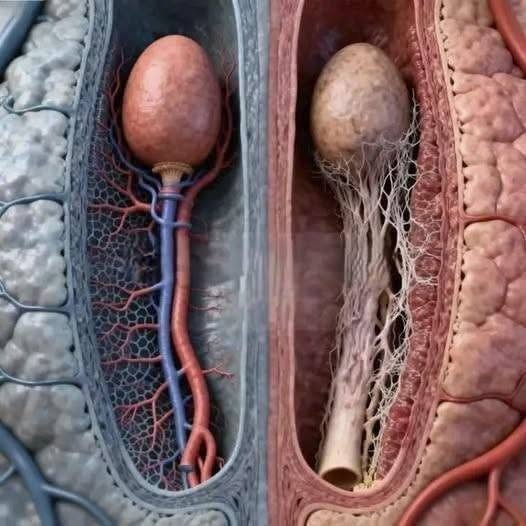
    The split image presents a stylized 3D rendering showing two egg-shaped structures attached to complex vessel networks within bodily cavities—one side highlighting smooth vascular branching and the other displaying a dense, fibrous web. It is paired with an incomplete, provocative prompt: “Did you know that old men have the pe…”

    Despite the attempt to frame this graphic as a medical comparison of male anatomy or age-related biological changes, this diagram is entirely synthetic and anatomically inaccurate.

    Anatomical Misconceptions in the Graphic

    1. Non-Biological Renderings:
      • The structures depicted do not accurately represent real human male anatomy, testicles, blood vessels, or tissue layers.
      • Testicular anatomy consists of seminiferous tubules, epididymis, vas deferens, and specific arterial/venous plexus networks (pampiniform plexus), none of which resemble the smooth “egg-on-a-stem” or fibrous column designs rendered here.
    2. Misrepresented Aging Processes:
      • While aging in men involves gradual hormonal shifts (such as a decrease in serum testosterone) and potential changes in vascular elasticity or microcirculation, it does not cause internal organs to transform into skeletal or webbed fiber structures as suggested by the right panel.
    3. Digital CGI & Stock Art Origins:
      • Images like these are routinely generated using 3D rendering software or generative AI models designed to look superficially “scientific” while fabricating non-existent biological phenomena.

    Deconstructing Medical Misinformation Tactics

    This post follows a well-established clickbait formula commonly used by engagement-farming pages:

    • The Truncated Prompt (“Curiosity Gap”): Cutting off the text mid-sentence (“Did you know that old men have the pe…”) creates an intentional mystery, tricking scrollers into opening the post or checking the comments to finish the sentence.
    • Pseudo-Scientific Visuals: Using high-detail 3D medical style renderings tricks viewers into mistaking artificial CGI graphics for legitimate clinical research or anatomical textbooks.
    • Algorithmic Engagement Harvesting: Frightened, confused, or curious users flooding the comment section to debate what the image represents boosts the post’s visibility across social media recommendation engines.
  • Dermatological Reality: Understanding Warts (HPV Infections)

    Dermatological Reality: Understanding Warts (HPV Infections)

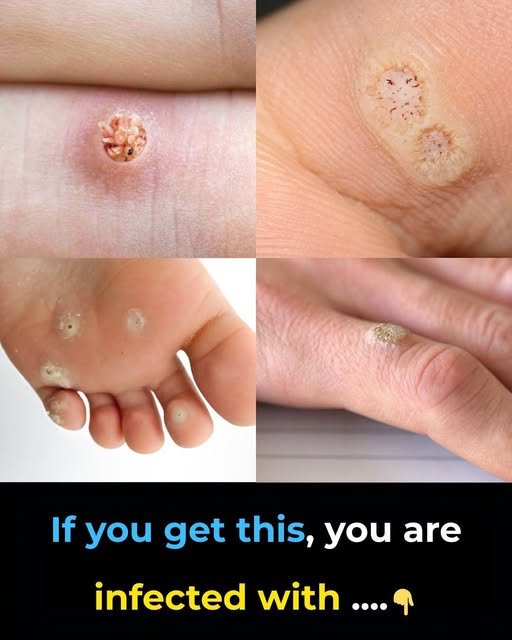
    The image shows a four-panel grid highlighting common skin lesions—specifically warts—with an incomplete, dramatic headline: “If you get this, you are infected with ….”.

    While the headline uses a dramatic “cliffhanger” tone to incite fear, the actual medical reality is very common and manageable: these are standard skin warts caused by strains of the Human Papillomavirus (HPV).

    What Are These Lesions?

    1. Common Warts (Verruca Vulgaris):
      • Shown in the top-left and bottom-right panels, these are rough, raised growths that often appear on hands, fingers, or near nails.
      • The top-left image displays a filiform-like or prominent spiky texture, which occurs when skin cells hyper-proliferate in tiny projections.
    2. Plantar Warts (Verruca Plantaris):
      • Shown in the top-right and bottom-left panels, these occur on the soles of the feet or toes.
      • Tiny Black Dots: The small dark specks visible inside these lesions (often called “wart seeds”) are actually tiny, clotted blood vessels (thrombosed capillaries) that supply blood to the wart.
    3. The Viral Cause:
      • Warts are caused by direct contact with low-risk skin strains of HPV (primarily types 1, 2, 4, 27, or 57).
      • These non-cancerous strains infect only the top layer of skin (epidermis) through tiny cuts or scrapes, leading to rapid cell growth. They are completely distinct from the high-risk mucosal HPV strains associated with cervical cancer.

    How Warts Are Treated

    Most skin warts are benign and often go away on their own as the immune system eventually recognizes and clears the virus, though this can take months or years. Common standard treatments include:

    • Salicylic Acid: Over-the-counter topical treatments that gradually dissolve the layers of infected skin.
    • Cryotherapy: A healthcare provider uses liquid nitrogen to freeze the wart off.
    • Duct Tape Occlusion: Covering the area to break down the skin barrier (often used alongside topical remedies).
    • Minor In-Office Procedures: Electrocautery, laser therapy, or prescription topical immunotherapy for stubborn cases.

    Deconstructing the “Health Panic” Clickbait

    This graphic uses standard digital content-farm tactics designed to generate viral traffic:

    • The Incomplete Headline (“Curiosity Gap”): Leaving the text open-ended with an emoji pointing downward (“infected with ….”) creates artificial suspense, compelling users to click a link or read through comments.
    • Visually Jarring Close-ups: Using macro, high-contrast photos triggers mild aversion (or trypophobia-like responses to clustered textures), forcing scrollers to stop mid-feed.
    • Weaponizing Common Conditions: Because millions of people get warts on their hands or feet at some point in their lives, viewers flock to the comment section to share experiences or express concern. This comment engagement signals high interest to social media algorithms, boosting the post’s reach.
  • Oral Health Reality: Understanding Oral Lesions & Cysts

    Oral Health Reality: Understanding Oral Lesions & Cysts

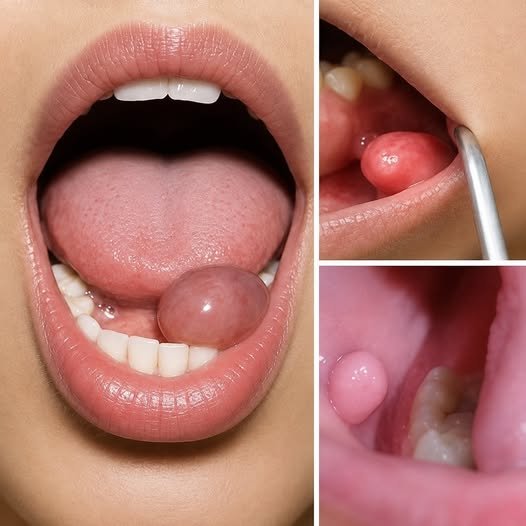
    The composite image shows close-ups of large, smooth, fluid-filled or fleshy bumps in the oral cavity (under the tongue and along the gumline/inner cheek), accompanied by an incomplete, cliffhanger headline: “Here are the first symptoms of…”.

    While sudden swelling in the mouth can cause anxiety, dramatic stock photos like these often depict benign conditions—or digitally rendered/exaggerated clinical examples—rather than immediate, fatal illnesses.

    What Do These Bumps Usually Represent?

    1. Mucoceles (Mucous Retention Cysts):
      • What they are: Harmless, fluid-filled sacs that develop when a minor salivary gland duct gets damaged or blocked (often from accidental cheek or lip biting).
      • Appearance: Smooth, round, translucent, or bluish/pinkish swellings—most commonly found on the lower lip, floor of the mouth, or inner cheeks.
    2. Ranulas:
      • A specific type of large mucocele that forms on the floor of the mouth under the tongue, caused by a blocked major salivary gland (such as the sublingual gland).
    3. Oral Fibromas:
      • Smooth, firm, pinkish growths caused by repeated irritation or friction against a tooth or denture. They are non-cancerous, slow-growing, and benign.
    4. Pyogenic Granulomas or Oral Papillomas:
      • Non-cancerous red or pink nodules on the gums or mucosa, often triggered by hormonal fluctuations, localized irritation, or mild viral activity (like HPV).

    When to Seek Professional Evaluation

    While most isolated oral bumps are non-cancerous cysts or tissue responses to mild trauma, consult a dentist or doctor if you notice:

    • A lump or sore that persists for more than 2 weeks without healing
    • Difficulty swallowing, chewing, or moving your tongue
    • Unexplained bleeding, persistent pain, or rapid growth of the lump
    • Persistent numbness anywhere in your mouth or lower face

    Deconstructing Medical Clickbait Mechanics

    This post employs standard engagement-farming techniques used by social media content farms:

    • The Cliffhanger Hook (“Curiosity Gap”): Truncating the sentence (“Here are the first symptoms of…”) leaves the thought open-ended, driving panic and forcing users to click an external link-in-bio or search the comments for the “missing disease.”
    • Shock-Value Visuals: Using dramatic, high-contrast close-ups (or hyper-realistic AI/stock edits) ensures scrollers pause mid-feed out of disgust or fear.
    • Comment-Section Exploitation: Viewers flooding the comments to express alarm or debate potential diagnoses raises the post’s engagement metrics, pushing it to thousands
  • Nutritional Reality: Mono-Diets and Egg Consumption

    Nutritional Reality: Mono-Diets and Egg Consumption

    The split graphic shows a patient sitting in a clinical setting alongside a plate of peeled hard-boiled eggs, framed by a sensational headline: “Woman Ate Eggs At Every Meal for 5 Months. A Routine Checkup Left Doctors Shocked by One Bl.ood Test Result”.

    While mono-diets (eating a single food or extremely restricted food group for extended periods) can lead to nutritional imbalances, the dramatic narrative presented in this graphic relies on sensationalized storytelling rather than standard dietary science.

    Nutritional Mechanics of Extreme Egg Diets

    1. Dietary Cholesterol vs. Blood Cholesterol:
      • For decades, dietary cholesterol was directly blamed for raising blood cholesterol. Modern cardiovascular research shows that for the vast majority of people, saturated fat and trans fats have a far greater impact on blood cholesterol levels than dietary cholesterol found in egg yolks.
      • However, consuming excessive eggs daily over five months provides a high concentration of protein and fats without dietary fiber, essential plant phytonutrients, or adequate vitamin C.
    2. Risks of Single-Food Mono-Diets:
      • Nutritional Deficiencies: Relying almost exclusively on eggs creates severe gaps in vitamin C, fiber, complex carbohydrates, and key minerals supplied by fruits, vegetables, and whole grains.
      • Gastrointestinal Distress: The complete absence of fiber can lead to severe constipation and disrupted gut microbiome health.
      • Kidney Strain: Extreme protein intake over long durations places additional filtration stress on individuals with underlying, undiagnosed kidney impairment.

    Deconstructing the “Medical Shock” Clickbait Formula

    This post uses textbook content-farm tactics designed to generate viral curiosity:

    • Algorithmic Filter Evasion (“Algospeak”): Writing “Bl.ood” with a period inserted allows the post to bypass automated social platform filters that shadowban or limit the reach of medical health claims.
    • Fabricated Narrative Tension: Combining an extreme timeframe (“5 Months”) with emotional reactions (“Left Doctors Shocked”) constructs a dramatic storyline that entices users to click linked blog posts or link-in-bio portals.
    • Stock Photo Composite: Combining an unrelated, blurred image of a medical patient with generic stock photos of hard-boiled eggs creates an artificial illusion of a real, documented hospital case study.
    • Engagement Inflation: Social media users flood the comments to debate extreme dieting, share personal stories, or ask what the “secret” test result was, driving the post straight to the top of platform recommendation feeds.
  • Architectural History: Curved Window Bars (Rejas)

    Architectural History: Curved Window Bars (Rejas)

    The image shows a building façade featuring wrought-iron security bars on windows, encircled in yellow, with a prominent bulged or belly-like curve extending outward near the bottom. The overlay claims: “I was surprised to learn why some window bars curve at the bottom. Most people don’t know the real reason!”

    These curved wrought-iron grills—traditionally known in Spanish architecture as rejas buche (or “puffed-belly” window bars)—are a functional and historical feature found throughout Southern Europe, Latin America, and Mediterranean regions.

    The Practical Reasons for Curved Window Bars

    While ornamental blacksmithing certainly added aesthetic charm, the outward curve was engineered for specific practical uses:

    1. Flower Pots and Window Boxes:
      • The outward bulge provides a sturdy, secure platform to place flower pots, potted herbs, or decorative plants directly outside the window pane without them taking up interior floor space or falling onto the street below.
    2. Ventilation and Shutters:
      • Traditional European windows used exterior wooden shutters that opened outward. The curved iron cage gave residents room to push open their wooden shutters or reach out to secure them without hitting the security bars.
    3. Sightlines and Social interaction:
      • In historical urban housing, these “belly bars” allowed residents (particularly women working inside or looking out onto the street) to lean forward and look down the alleyway in both directions to see who was passing by, rather than having their view restricted straight ahead by flat vertical bars.
    4. Security with Extra Space:
      • Flat security grates can make room interiors feel enclosed and cramped. The outward curve creates an illusion of depth and extra space while still maintaining a robust, intruder-proof barrier over ground-floor or low-balcony windows.

    Deconstructing “Hidden Architecture” Clickbait

    This post relies on a standard engagement-farming template designed to turn basic architectural history into an intriguing secret:

    • The “Secret Knowledge” Hook: Claiming that “Most people don’t know the real reason” triggers a fear-of-missing-out (FOMO) reaction, nudging scrollers to pause.
    • Visual Circle Cue: Drawing a massive bright yellow circle around the obvious main subject forces the viewer’s eye to lock onto the image and analyze the shape.
    • Comment-Section Crowdsourcing: Because thousands of people have seen these bars in Spain, Italy, Mexico, or New Orleans, hundreds jump into the comments to post their own theories, regional names, or travel stories. This massive comment volume signals high engagement to platform algorithms, boosting the post to a wider audience.
  • Nutritional Reality: What Eating Walnuts Actually Does

    Nutritional Reality: What Eating Walnuts Actually Does

    The photo shows a handful of shelled walnut halves, accompanied by an incomplete, dramatic headline: “Doctors reveal that eating walnuts causes…”.

    Despite the clickbait framing that implies a shocking revelation or danger, medical consensus strongly supports walnuts as a nutrient-dense food with proven cardiovascular, brain, and metabolic benefits when eaten in moderation.

    Proven Health Benefits of Walnuts

    1. Cardiovascular Support: Walnuts are exceptionally high in alpha-linolenic acid (ALA), a plant-based omega-3 fatty acid. Regular consumption helps lower LDL (“bad”) cholesterol, reduce arterial inflammation, and improve overall blood pressure regulation.
    2. Brain Health: Rich in polyphenols, vitamin E, and polyunsaturated fats, walnuts help combat oxidative stress and inflammation in the brain, supporting cognitive function and memory.
    3. Gut Microbiome Health: The prebiotic fibers and antioxidants in walnuts nourish beneficial gut bacteria, promoting a healthy digestive ecosystem.
    4. Metabolic & Weight Management: Despite being energy-dense, the combination of protein, healthy fats, and fiber in walnuts aids satiety, helping control appetite and balance blood sugar levels.

    Potential Drawbacks (In Rare Cases)

    • Caloric Density: Eating excessive amounts can lead to surplus calorie intake if not balanced within a daily diet.
    • Tree Nut Allergies: Walnuts can trigger severe allergic reactions in individuals with tree nut allergies.
    • Digestive Discomfort: Consuming large quantities at once may cause bloating or mild GI distress due to high fiber and fat content.

    Deconstructing Health Clickbait Mechanics

    This post employs standard engagement-farming techniques designed to drive social media traffic:

    • The Incomplete Headline (“Curiosity Gap”): Truncating the statement with an ellipsis (“causes…”) creates suspense, forcing scrollers to click through to an external link or check the comment section to finish the thought.
    • Vague Authority Appeal: Citing unnamed “Doctors” lends an artificial sense of medical urgency and credibility without attributing specific studies or clinical sources.
    • Algorithmic Engagement: Users commenting with guesses, health questions, or corrections boost the post’s visibility across platform algorithms, earning ad revenue for content farms.
  • Botanical Reality: Plant Identification and Value Claims

    Botanical Reality: Plant Identification and Value Claims

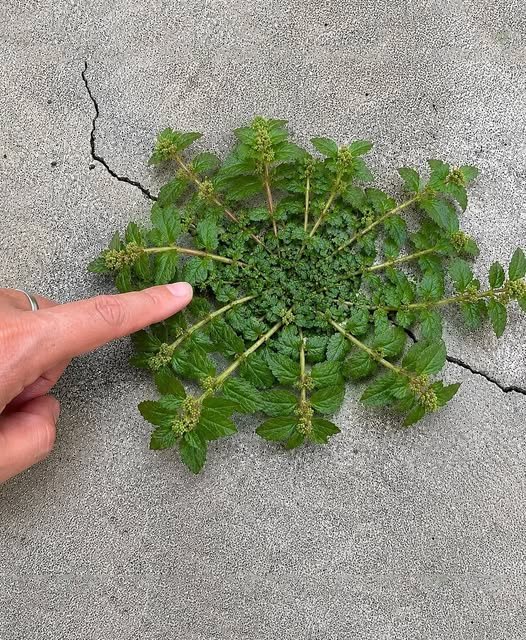
    The photo shows a common sidewalk weed—likely a species of Parietaria (such as Parietaria judaica, commonly known as pellitory-of-the-wall) or a similar opportunistic urban weed—growing out of a concrete crack.

    Despite the hyperbolic claim that “Just one leaf of this plant is worth a gold mine!”, this is a common, wild-growing weed with no significant monetary, rare commercial, or precious value.

    Plant Characteristics & Natural Habitat

    1. Identification:
      • Family: Urticaceae (the nettle family).
      • Growth Pattern: Forms low-growing, radial rosettes or spreading mats that easily invade cracks in pavement, stone walls, and disturbed soil.
      • Leaves & Flowers: Small, light-green, ovate leaves with distinct veining and tiny, non-showy greenish flower clusters along the stems.
    2. Ecological & Medicinal Context:
      • Urban Weed: It is widely considered an invasive or nuisance weed in urban environments across temperate regions worldwide.
      • Traditional Uses vs. Commercial Value: While some species in the nettle family have historical uses in traditional herbal medicine (e.g., mild diuretics or poultices), they grow abundantly in the wild and hold virtually zero commercial market value.
      • Allergenic Potential: Airborne pollen from Parietaria species is a well-known trigger for seasonal respiratory allergies and hay fever in many regions.

    Deconstructing “Miracle Plant” Clickbait

    This image uses a textbook content-farm formula designed to exploit curiosity:

    • Extreme Hyperbole: Claiming an everyday weed is “worth a gold mine” creates an immediate financial sensation that entices viewers to stop scrolling.
    • The “Pointing Finger” Framing: Placing a finger near the plant simulates a scientific discovery or field guide demonstration, lending an artificial sense of authority to the image.
    • Curiosity Gap: Omitting the name or actual properties of the plant forces scrollers into the comment section to ask what it is or debate its supposed “magical” benefits.
    • Algorithmic Engagement: Massive volumes of comments arguing over the plant’s identity or mocking the exaggerated claim boost the post’s visibility across social media algorithms.
  • Medical Reality: Recognizing Vitamin B12 Deficiency

    Medical Reality: Recognizing Vitamin B12 Deficiency

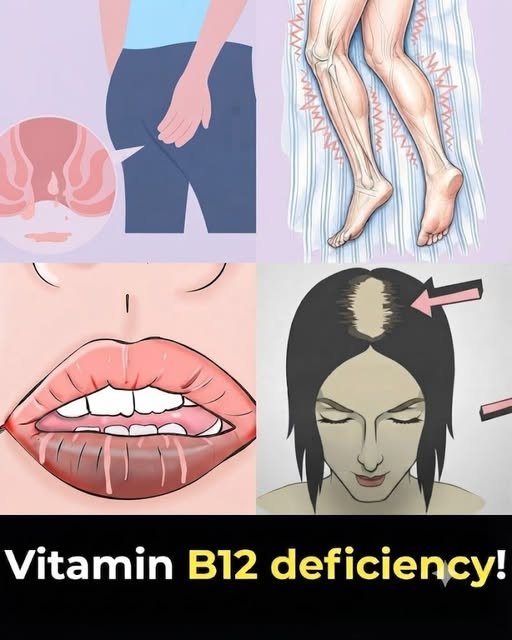
    The graphic presents four distinct illustrations—including leg tingling/restlessness, mouth inflammation, patchy hair loss, and an unrelated hemorrhoid/rectal diagram—under the bold header “Vitamin B12 deficiency!” paired with a prompt asking scrollers if they might be low in the nutrient.

    While Vitamin B12 is essential for nerve function, red blood cell production, and DNA synthesis, infographics like this often mix legitimate neurological and oral symptoms with completely unrelated physical conditions.

    Actual Symptoms of Vitamin B12 Deficiency

    When the body lacks adequate Vitamin B12, red blood cell production drops (megaloblastic anemia) and nerve damage can occur:

    1. Neurological & Sensory Symptoms:
      • Paresthesia: A “pins and needles” tingling, burning, or numbness in the hands, feet, and legs (depicted by the vibrating lines around the legs in the top-right panel).
      • Balance Issues & Muscle Weakness: Difficulty walking, poor coordination, or generalized muscle weakness.
      • Cognitive Changes: Brain fog, memory loss, confusion, and mood alterations like irritability or depression.
    2. Oral & Skin Symptoms:
      • Glossitis & Mouth Sores: A swollen, red, smooth, or sore tongue (glossitis) and angular cheilitis (painful cracks at the corners of the mouth, depicted in the bottom-left panel).
      • Pale or Jaundice Skin: A pale or slightly yellowish tinge to the skin and whites of the eyes due to low red blood cell levels.
    3. General Anemia Symptoms:
      • Chronic fatigue, shortness of breath, dizziness, and heart palpitations.

    Misleading Elements in the Image

    • Unrelated Visuals (Top-Left Panel): The top-left diagram clearly illustrates hemorrhoids or anal fissures, which have no physiological link to Vitamin B12 deficiency. This misattribution is common in recycled stock-image collages created by non-medical content farms.
    • Alopecia vs. B12 (Bottom-Right Panel): Severe nutritional deficiencies can cause general hair thinning, but patchy bald spots (like Alopecia Areata shown here) are typically autoimmune conditions, not direct indicators of B12 deficiency.

    Deconstructing Health Clickbait & Engagement Tactics

    This graphic relies on well-known engagement-farming techniques:

    • Sensationalized Symptom Stacking: Grouping common, widespread issues (fatigue, mouth sores, leg sensations) alongside alarming diagrams increases the likelihood that a user will identify with at least one symptom and believe they are sick.
    • Reused / Recycled Stock Art: Combining unrelated medical diagrams into a single composite image creates a high-contrast visual puzzle that encourages scrollers to pause and analyze.
    • The “Could You Be Low?” Curiosity Hook: Posing a diagnostic question instead of providing structured clinical facts leads users to click external link-trees or leave comments asking for medical advice.
    • Algorithmic Boost: Shares, saves, and comment disputes over the inaccurate illustrations boost the post’s reach across platform algorithms.
  • Medical Reality: Understanding Hives (Urticaria)

    Medical Reality: Understanding Hives (Urticaria)

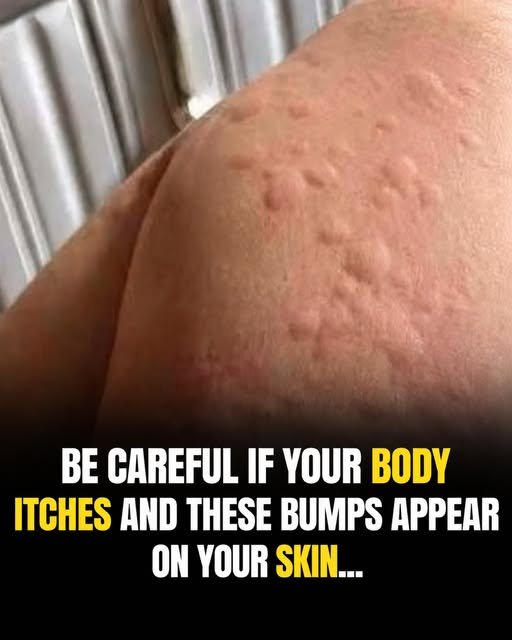
    The image shows raised, swollen, itchy red bumps on the skin—a classic presentation of hives (medically known as urticaria)—paired with alarmist text warning scrollers to “BE CAREFUL IF YOUR BODY ITCHES AND THESE BUMPS APPEAR ON YOUR SKIN…”.

    While sudden skin outbreaks can be uncomfortable, hives are a extremely common biological reaction rather than a sudden, mysterious medical emergency.

    What Are Hives and What Causes Them?

    1. The Biological Mechanism:
      • Hives occur when specialized immune cells (mast cells) release histamine and other inflammatory chemicals into the skin.
      • Histamine causes blood vessels to dilate and leak fluid into surrounding tissues, creating raised, smooth, itchy swellings called welts or wheals.
    2. Common Triggers:
      • Allergens: Certain foods (nuts, shellfish, eggs), medications (antibiotics, NSAIDs), insect stings, or latex.
      • Physical Factors: Extreme heat or cold, sunlight (solar urticaria), friction/pressure (dermatographia), or sweating.
      • Infections: Viral illnesses (like the common cold, flu, or COVID-19) frequently trigger hives in both adults and children.
      • Stress: Emotional stress or physical strain can trigger or worsen histamine release.
    3. Typical Treatment:
      • Most mild cases resolve on their own within hours to days. Over-the-counter antihistamines help block histamine activity and relieve itching. Cold compresses also soothe skin irritation.

    When Are Hives Actually Dangerous?

    While hives themselves are benign, they can occasionally be a symptom of a severe, life-threatening allergic reaction called anaphylaxis. Seek immediate emergency medical care if hives occur alongside:

    • Difficulty breathing, shortness of breath, or wheezing
    • Swelling of the tongue, lips, throat, or face (angioedema)
    • Dizziness, lightheadedness, or feeling faint
    • Nausea, vomiting, or severe abdominal pain

    Deconstructing Health-Panic Clickbait

    This post follows the standard formula used by content farms to drive viral reach:

    • Ominous Ellipsis (“…”): Leaving the text incomplete (“BE CAREFUL IF…”) intentionally creates a fear-based curiosity gap, forcing users to click an external link to find out what “deadly condition” they might have.
    • Universal Symptoms: Using extremely common symptoms—itching and skin bumps—ensures that almost every viewer can relate, raising engagement as panicked users check their own skin.
    • Engagement Harvesting: Frightened scrollers save, share, and comment on the post to ask for medical advice, which social media algorithms reward with widespread exposure.
  • Biological & Chemical Reality: Bleach-Like Discoloration on Underwear

    Biological & Chemical Reality: Bleach-Like Discoloration on Underwear

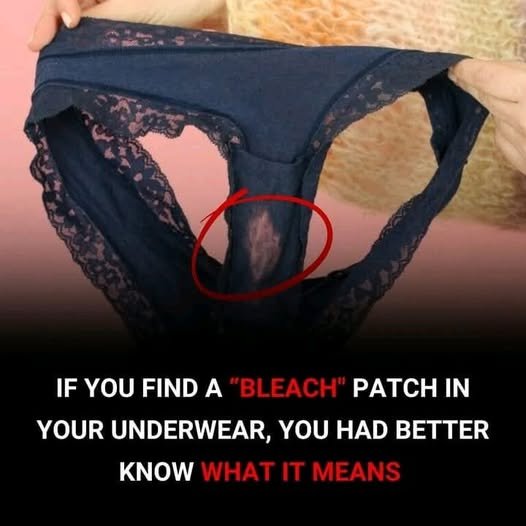
    The image highlights a faded, orange-to-yellow discolored patch in the gusset of dark fabric underwear, framed with alarmist text: “IF YOU FIND A ‘BLEACH’ PATCH IN YOUR UNDERWEAR, YOU HAD BETTER KNOW WHAT IT MEANS”.

    Despite the sensationalized tone implying an infection or hygiene problem, finding a lighter or “bleached” patch on dark undergarments is a completely normal, healthy chemical reaction caused by natural vaginal discharge.

    The Science of Vaginal Discharge and Fabric Discoloration

    1. Natural Acidity (pH Levels):
      • A healthy vagina naturally maintains an acidic pH level, typically ranging between 3.8 and 4.5.
      • This acidic environment is maintained by beneficial bacteria (primarily Lactobacillus) that produce lactic acid to protect against harmful pathogens, yeast overgrowth, and bacterial vaginosis.
    2. Chemical Bleaching Effect on Fabric Dyes:
      • When normal, acidic vaginal discharge comes into contact with fabric dyes (especially dark blue, black, or red cotton) over extended periods, the acid chemically reacts with the dye molecules, breaking them down.
      • This process permanently strips or fades the dye, leaving behind a lighter orange, yellow, or pinkish patch that looks identical to a tiny drop of household bleach.
    3. Indication of Self-Cleaning Function:
      • Finding these discolored spots is actually proof that the body’s natural self-cleaning mechanisms are working correctly to maintain a protective, acidic micro-environment.

    Deconstructing “Health Alarmism” Clickbait

    This graphic uses classic sensationalized tactics designed to weaponize health anxiety and taboos:

    • Fear-Mongering Tone: Phrasing like “YOU HAD BETTER KNOW WHAT IT MEANS” creates an artificial sense of urgency and medical concern over a routine biological phenomenon.
    • Taboo Exploitation: Capitalizing on the social stigma and lack of education surrounding basic reproductive health leads scrollers to worry that their body is abnormal or “dirty.”
    • Curiosity Gap Routing: Framing normal physiology as a ominous mystery encourages users to click through pinned links or comment sections to find out what “disease” they allegedly have.
    • Algorithmic Engagement: Hundreds of users jump into the comments—either seeking reassurance, sharing embarrassment, or explaining the basic science—which platform algorithms reward with widespread distribution.