Author: Mohsin king

  • Discover 10 Habits Japanese Women Follow to Stay Healthy, Slim, and Long-Lived

    Discover 10 Habits Japanese Women Follow to Stay Healthy, Slim, and Long-Lived

    Japanese women are often associated with healthy aging, but there is no single secret routine that guarantees a slim body or a long life. Instead, traditional Japanese lifestyle patterns emphasize balanced meals, moderation, regular movement, and consistent daily routines. Ten habits commonly associated with these patterns include 1) eating plenty of vegetables, 2) including soy and legumes, 3) choosing fish regularly, 4) eating a variety of foods, 5) controlling portions, 6) eating slowly and mindfully, 7) staying physically active throughout the day, 8) limiting highly processed foods, 9) maintaining regular meal routines, and 10) protecting social connections and a sense of purpose. Japan’s official dietary guidance encourages balanced meals combining staple foods, protein-rich main dishes, and vegetables or other side dishes, while also recommending regular physical activity and avoiding excessive dieting.

    Food quality is an especially important part of this picture. Traditional Japanese and Okinawan dietary patterns have generally emphasized vegetables, legumes, soy-based foods, seafood, root vegetables, and other nutrient-dense ingredients, while keeping saturated fat, refined foods, and excessive sugar more limited. Research on the traditional Okinawan diet has associated this nutrient-dense pattern with healthy aging, although longevity is influenced by many factors beyond food alone. Another interesting habit is mindful eating—taking time to enjoy food and stopping before becoming excessively full. Japanese dietary guidance specifically recommends eating slowly and chewing well, while traditional Okinawan culture is often associated with the concept of eating until comfortably satisfied rather than completely full. Regular movement is equally important: walking, household activities, gardening, and other forms of everyday activity can help maintain mobility and support healthy weight management without requiring extreme workouts.

    The biggest lesson is that healthy aging usually comes from dozens of small habits practiced consistently, not from one miracle food or secret diet. A practical approach inspired by Japanese traditions could include building meals around vegetables and protein, choosing whole or minimally processed foods, eating reasonable portions, drinking water or unsweetened beverages, walking regularly, sleeping adequately, and maintaining meaningful relationships. Japan’s current nutrition standards continue to emphasize balanced nutrition rather than extreme restriction. These habits may support overall health, but they cannot guarantee that someone will remain slim or live to a particular age. Disclaimer: This article is for general educational and informational purposes only and does not constitute medical diagnosis, treatment, or personalized nutritional advice. “Japanese women” are not a single group with identical habits, and claims about their lifestyle should not be treated as universal facts. Some online longevity and weight-loss claims may be exaggerated or unauthenticated, so important health information should always be verified through reliable sources and qualified healthcare professionals.
  • Do Your Leg Cramps Strike Most Often at Night, After Exercise, or While Resting?

    Do Your Leg Cramps Strike Most Often at Night, After Exercise, or While Resting?

    Leg cramps are sudden, involuntary muscle contractions that can cause intense pain for several seconds or minutes. When they happen can sometimes provide useful clues, although timing alone cannot identify the exact cause. Nighttime leg cramps are especially common and may occur while resting or sleeping, often affecting the calf or foot. They can become more frequent with age and may be associated with prolonged sitting, muscle fatigue, certain medications, or other health factors. (mayoclinic.org) Cramps after exercise can occur when muscles are fatigued or repeatedly used, particularly during strenuous or unfamiliar activity. Dehydration may contribute in some situations, but cramps are not always caused simply by a lack of water or electrolytes. (orthoinfo.aaos.org) Because there are many possible causes, recurring cramps deserve attention rather than automatically being blamed on dehydration.

    If cramps occur mainly at night, gentle stretching before bed and regular physical activity may help some people. During an active cramp, slowly stretching and massaging the affected muscle can encourage it to relax. (mayoclinic.org) When cramps repeatedly follow exercise, consider whether the activity has recently become more intense, whether adequate recovery is being allowed, and whether you are exercising in hot conditions. Proper hydration is important, but taking large amounts of electrolyte supplements without a clear reason is not necessarily beneficial and can sometimes be harmful. Certain medications, including some used for blood pressure or cholesterol, may also be associated with muscle cramps in some people. (mayoclinic.org) Keeping track of when cramps occur, what you were doing beforehand, and how long they last can provide useful information for a healthcare professional.

    Most occasional leg cramps are uncomfortable rather than dangerous, but frequent or severe episodes should not simply be ignored. Seek medical advice if cramps are persistent, repeatedly disturb your sleep, occur with significant muscle weakness or swelling, or begin after starting a new medication. Sudden leg swelling, warmth, redness, and significant pain—particularly when affecting only one leg—can have causes other than an ordinary muscle cramp and warrant prompt medical assessment. (nhs.uk) The best treatment depends on the underlying cause, so persistent cramps should be evaluated rather than treated with random supplements or home remedies. Disclaimer: This article is for general educational and informational purposes only and does not constitute medical diagnosis, treatment, or personalized health advice. Leg cramps have many possible causes, and the timing of cramps alone cannot determine a diagnosis. Some online health claims may be general, exaggerated, or unauthenticated. Always verify important health information through reliable medical sources and consult a qualified healthcare professional if cramps are frequent, severe, or accompanied by other concerning symptoms.

  • This One “Superfood” Could Tackle Major Health Issues—Here’s What You Need to Know

    This One “Superfood” Could Tackle Major Health Issues—Here’s What You Need to Know

    The word “superfood” sounds powerful, but it is important to separate nutrition from exaggerated health claims. There is no scientifically defined food category called a superfood, and no single ingredient can provide every nutrient or prevent or treat every disease. Foods such as berries, leafy greens, nuts, fatty fish, whole grains, and other minimally processed foods can be especially nutrient-dense and may contribute to better long-term health when included in a balanced eating pattern. For example, berries provide fiber and beneficial plant compounds, while nuts provide protein and healthier unsaturated fats. The important point is that these foods work as part of an overall healthy diet, rather than acting like medicines that can independently “tackle” major diseases.

    A nutritious food can support several aspects of health because it supplies a combination of fiber, vitamins, minerals, healthy fats, protein, and plant compounds. Diets rich in vegetables and fruits are associated with a lower risk of cardiovascular disease and stroke, while healthy dietary patterns such as Mediterranean- and DASH-style diets have demonstrated benefits for cardiovascular and metabolic health. However, nutrition science does not support the idea that eating one particular food can cure diabetes, eliminate high blood pressure, reverse cancer, or repair damaged organs. Even foods frequently promoted as superfoods should be consumed in appropriate portions and alongside a variety of other nutritious choices. Harvard experts specifically recommend focusing on a “super plate” rather than relying on individual superfoods, because dietary variety helps provide the broad range of nutrients the body requires.

    The most effective approach is therefore to make healthy eating a consistent habit instead of searching for a miracle ingredient. Fill meals with colorful vegetables and fruits, whole grains, legumes, nuts or seeds, and appropriate sources of protein, while keeping highly processed foods, excessive added sugars, saturated fats, and sodium in moderation. If a particular food is being promoted as a treatment for a serious health condition, check the evidence before changing prescribed medication or medical care. Food can play an important role in prevention and overall wellness, but it should complement—not replace—appropriate healthcare. Disclaimer: This article is for general educational and informational purposes only and does not constitute medical diagnosis, treatment, or personalized nutritional advice. “Superfood” is not a medically recognized treatment category, and no single food has been proven to tackle all major health problems. Some online claims may be exaggerated, misleading, or unauthenticated, so always verify important health information through reliable medical sources and consult a qualified healthcare professional.

  • Ovarian Cancer Can Be Difficult to Detect — Here Are 8 Symptoms to Watch For

    Ovarian Cancer Can Be Difficult to Detect — Here Are 8 Symptoms to Watch For

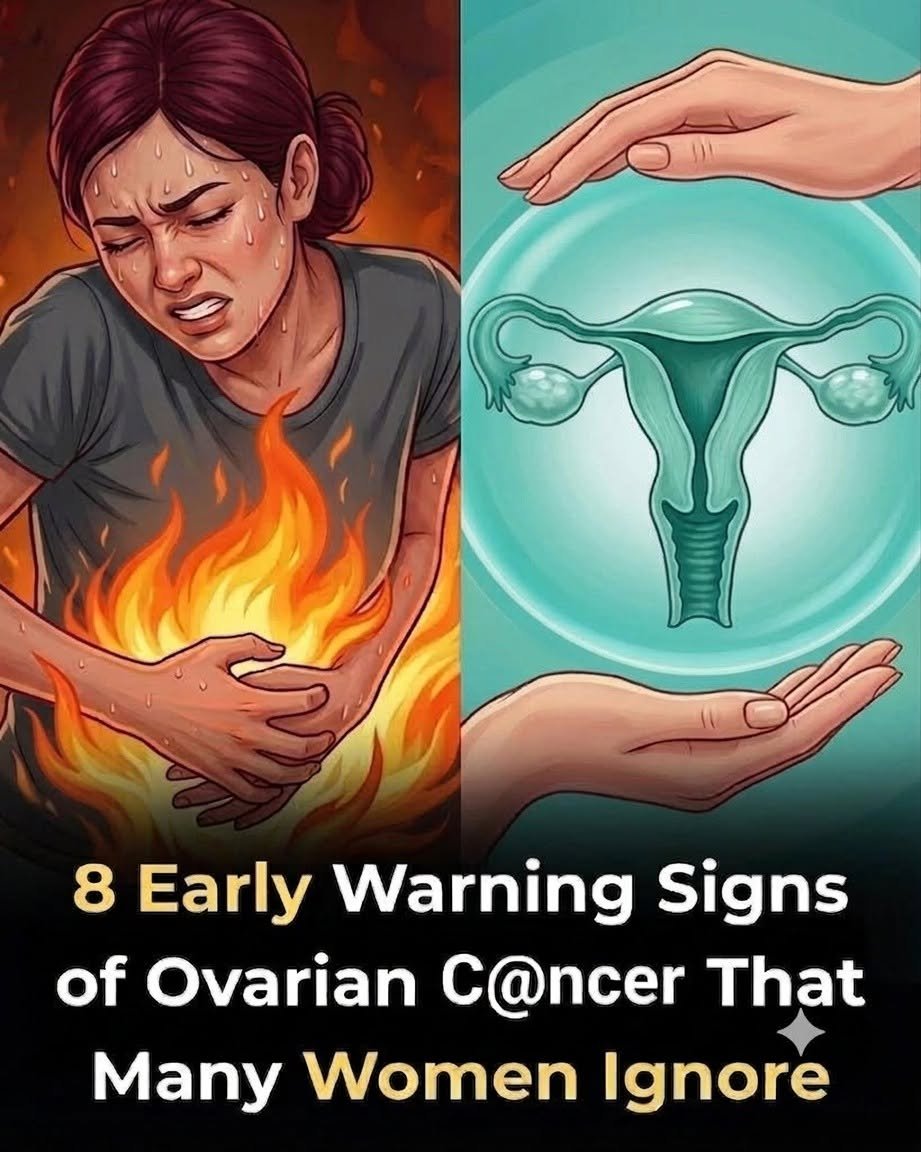
    Ovarian cancer can sometimes be difficult to recognize because its symptoms may be subtle, persistent, and easily confused with common digestive or urinary problems. Important symptoms to watch for include persistent bloating or abdominal swelling, pelvic or abdominal pain or pressure, feeling full unusually quickly, reduced appetite or difficulty eating, needing to urinate more frequently or urgently, constipation or diarrhea, persistent back pain, and unusual vaginal bleeding or discharge. These symptoms do not automatically mean ovarian cancer—many common conditions can cause the same problems—but a change that is unusual for you and continues or becomes more frequent should not simply be dismissed. The NHS notes that ovarian cancer occurs more commonly in women over 50, although anyone with ovaries can develop it.

    One particularly important clue is persistence and frequency. The CDC advises speaking with a doctor if unusual vaginal bleeding occurs, while other symptoms that continue for two weeks or longer and are not normal for you should also be evaluated. A woman might initially assume repeated bloating is indigestion or that urinary urgency is simply part of getting older, but recurring symptoms deserve a closer look. Other possible symptoms include ongoing tiredness and unexplained weight loss. There is currently no simple, reliable routine screening test for ovarian cancer in women who have no symptoms, and a Pap test does not screen for ovarian cancer. When symptoms raise concern, a healthcare professional may consider examinations, blood tests such as CA-125, and ultrasound or other imaging depending on the individual situation.

    The most important message is know what is normal for your body and don’t ignore persistent changes. Keeping a simple record of when symptoms occur, how often they happen, and whether they are becoming more frequent can help when discussing them with a healthcare professional. A family history of ovarian, breast, uterine, or colorectal cancer may also be important to mention because certain inherited genetic changes can increase risk. Early evaluation does not mean you have cancer; it simply helps determine the real cause of the symptoms and, when necessary, allows treatment to begin sooner. Disclaimer: This article is for general educational and informational purposes only and does not constitute medical diagnosis, treatment, or personalized medical advice. The symptoms described can result from many conditions other than ovarian cancer, and having one or more of them does not mean you have cancer. Some health information online may be general, exaggerated, or unauthenticated, so important claims should always be verified through reliable medical sources and a qualified healthcare professional.

  • Doing This Simple Thing Before Sleep May Decrease Your Risk of Heart Attack

    Doing This Simple Thing Before Sleep May Decrease Your Risk of Heart Attack

    One of the simplest things you can do before bed is stick to a consistent sleep schedule. Going to bed and waking up at roughly the same times each day may support better sleep quality and cardiovascular health. The American Heart Association recognizes healthy sleep as an important component of heart health, with most adults needing around 7–9 hours of sleep per night. Research reviewed by the AHA has linked irregular sleep timing and poor sleep quality with higher cardiovascular risk factors, including high blood pressure and other metabolic problems. This does not mean that setting an exact bedtime will immediately prevent a heart attack, but maintaining regular, restorative sleep can be one part of a broader heart-healthy lifestyle.

    A useful bedtime habit is to set a regular “wind-down” time rather than waiting until you are exhausted to go to sleep. Dim the lights, reduce stimulating activities, keep your bedroom comfortable, and try to follow a similar bedtime routine every night. The AHA notes that consistent bedtimes and healthy sleep habits are associated with better cardiovascular health. Research also suggests that inconsistent sleep schedules may be associated with higher blood-pressure risk, even when someone gets an adequate number of hours overall. In addition, avoiding habits that interfere with sleep—such as excessive caffeine late in the day, heavy meals immediately before bed, or prolonged screen use when it keeps you awake—may make it easier to achieve uninterrupted rest. If you regularly snore loudly, wake up gasping, or remain extremely tired during the day despite sleeping enough, discussing possible sleep problems with a healthcare professional is worthwhile.

    The bigger message is that sleep should be treated as part of heart-health care, not simply as downtime. Adequate and consistent sleep can support healthy blood pressure, metabolism, mood, and overall cardiovascular health, while poor or irregular sleep is associated with increased cardiovascular risk. However, sleep alone cannot eliminate the risk of heart attack. Maintaining healthy blood pressure and cholesterol, staying physically active, eating a balanced diet, avoiding tobacco, and managing conditions such as diabetes are also important. Disclaimer: This article is for general educational and informational purposes only and does not constitute medical diagnosis, treatment, or personalized health advice. Consistent sleep may support cardiovascular health, but it has not been proven to independently prevent heart attacks. Health risks vary between individuals, and some information online may be general, exaggerated, or unauthenticated. Always verify important health claims through reliable medical sources and consult a qualified healthcare professional for personalized guidance.

  • Most People Only Use These Buttons for Volume — But They Can Do 6 Much Smarter Things!

    Most People Only Use These Buttons for Volume — But They Can Do 6 Much Smarter Things!

    The volume buttons on a smartphone can do much more than simply make music louder or quieter. Their exact functions depend on your phone model and software, but many devices support useful shortcuts. First, the volume buttons can act as a camera shutter, allowing you to take photos without tapping the screen—particularly useful when holding the phone with one hand. Some phones also let you use a volume-button combination to capture screenshots; on many Android devices, pressing Power + Volume Down takes a screenshot. Second, certain Android phones allow volume keys to trigger accessibility shortcuts, such as magnification, TalkBack, or other accessibility features. Google explains that users can configure both volume keys as a shortcut and hold them together to activate an assigned feature. Third, some manufacturers provide additional customizable volume-button gestures, including launching the camera or other functions. For example, Xiaomi documents shortcuts that can use volume buttons for camera-related actions and screenshots.

    Fourth, volume buttons can sometimes become useful when your hands are wet, gloved, or unable to interact comfortably with the touchscreen. Using a physical button can make certain actions faster and more convenient. Fifth, depending on the device and app, the buttons can control media playback or camera functions rather than simply changing the general volume. Apple, for example, documents that iPhone volume buttons primarily control audio volume, while camera functionality can also use physical controls depending on the model and app. Sixth, Android’s Accessibility Menu provides another way to control important phone functions, including screenshots, screen locking, Google Assistant, brightness, and volume, giving users alternative physical or on-screen controls. These features aren’t universal, so a shortcut that works on one Samsung, Xiaomi, Google Pixel, Motorola, or iPhone model may behave differently on another. Checking your phone’s Settings > Accessibility, Gestures, or Button shortcuts is the safest way to discover which options your specific device supports.

    The real takeaway is that your phone’s physical buttons may be more powerful than you realize. Instead of repeatedly navigating menus, you may be able to use button combinations for screenshots, camera controls, accessibility features, and other shortcuts. Just remember that there is no single set of “six secret functions” that works on every smartphone—the available options depend on the manufacturer, operating system, and model. If you want to discover hidden shortcuts, check your device’s official support documentation rather than relying on viral posts that may describe features from a different phone. Disclaimer: This article is for general educational and informational purposes only. Smartphone features and button shortcuts vary by model, operating system, and software version, and some online technology claims may be outdated or unauthenticated. Always verify specific instructions through your phone manufacturer’s official documentation before changing device settings.

  • These 5 Early Signs Could Indicate Fatty Liver — Don’t Ignore Them

    These 5 Early Signs Could Indicate Fatty Liver — Don’t Ignore Them

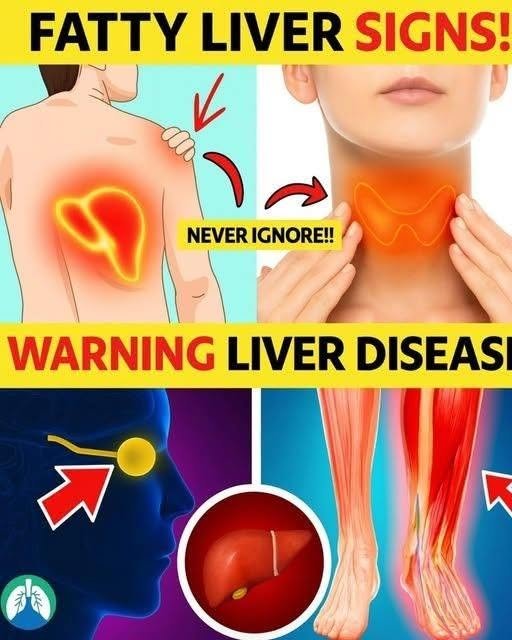
    Fatty liver disease, now commonly called metabolic dysfunction-associated steatotic liver disease (MASLD) when related to metabolic factors, can be surprisingly difficult to recognize because it often causes few or no symptoms in its early stages. When symptoms do occur, five possible clues include persistent tiredness, feeling generally unwell, discomfort or pain in the upper-right area of the abdomen, unexplained changes in appetite, and increasing abdominal discomfort or fullness. NIDDK identifies fatigue and discomfort in the upper-right abdomen among the symptoms that may occur with fatty liver disease. However, these symptoms are not specific to fatty liver and can have many other causes. This is why it is risky to diagnose the condition simply by matching symptoms with an online checklist.

    Another important point is that some noticeable symptoms—such as itchy skin, swelling in the legs or abdomen, yellowing of the skin or eyes, or spider-like blood vessels—are more associated with advanced liver disease, MASH, or cirrhosis rather than simple early fatty liver. Risk factors may provide more useful clues than symptoms alone. MASLD is more common among people with overweight or obesity, insulin resistance or type 2 diabetes, high triglycerides or cholesterol, high blood pressure, and metabolic syndrome. Because early fatty liver may be silent, doctors may discover it through routine blood tests or imaging performed for another reason. Diagnosis can involve liver enzyme and function tests, blood-sugar testing, lipid testing, and imaging such as ultrasound or elastography when appropriate.

    The encouraging news is that fatty liver can often be improved through evidence-based lifestyle changes, particularly when addressed before significant liver scarring develops. A nutritious eating pattern, regular physical activity, healthy weight management, and control of conditions such as diabetes, high blood pressure, and abnormal cholesterol can all be important parts of management. Mayo Clinic notes that lifestyle changes and weight loss are central to preventing and managing MASLD, and that a healthy dietary pattern such as the Mediterranean diet can help reduce liver fat and inflammation. If you have persistent fatigue, abdominal discomfort, metabolic risk factors, or abnormal liver tests, speak with a qualified healthcare professional rather than relying on symptoms alone. Disclaimer: This article is for general educational and informational purposes only and does not constitute medical diagnosis, treatment, or personalized health advice. Fatty liver often produces no obvious early symptoms, and the signs mentioned above can have many other causes. Some health claims online may be general, exaggerated, or unauthenticated, so always verify important information through reliable medical sources and consult a qualified healthcare professional for proper evaluation.

  • hese Foot Symptoms May Sometimes Signal Liver Problems

    hese Foot Symptoms May Sometimes Signal Liver Problems

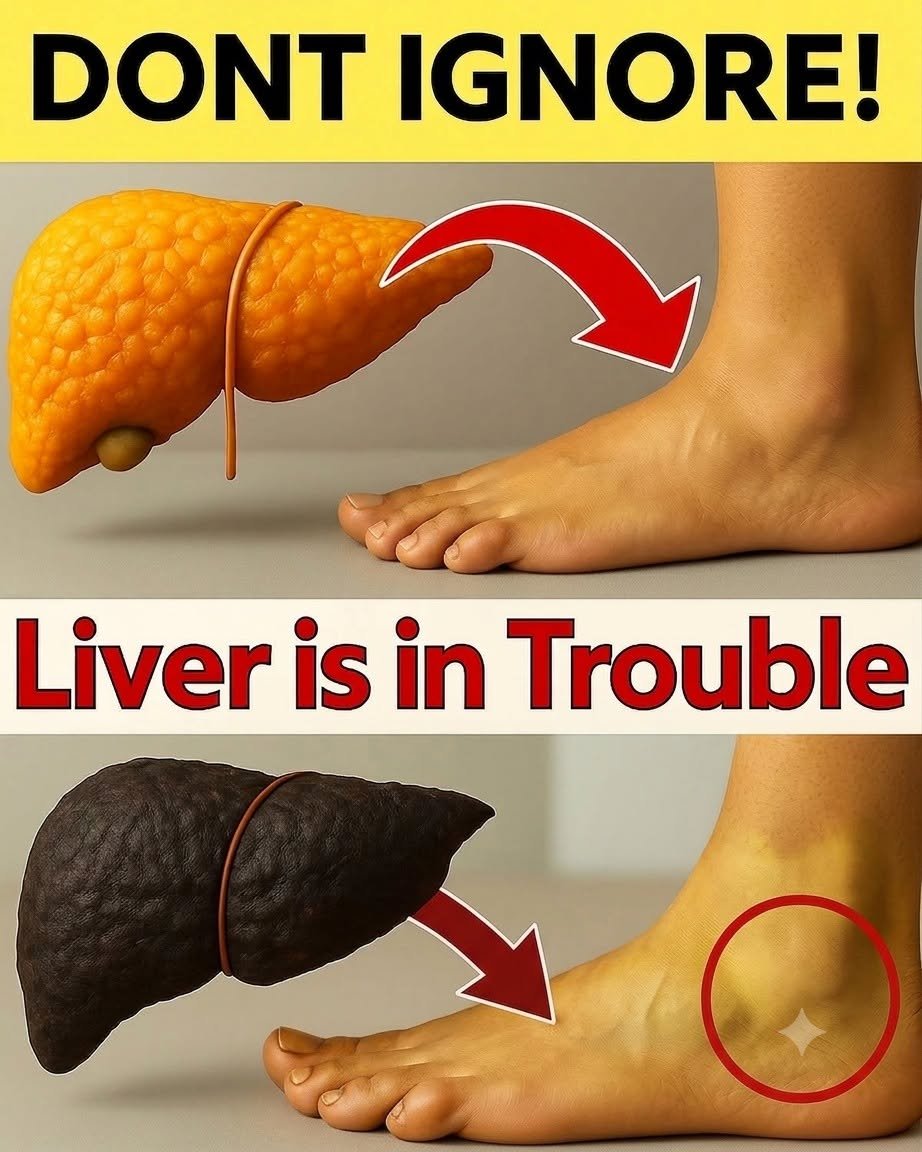
    Changes in your feet are usually caused by everyday issues such as prolonged standing, footwear, circulation problems, injuries, or fluid retention, but persistent swelling in the feet and ankles can sometimes occur with advanced liver disease. When the liver is significantly damaged, changes in blood flow and reduced production of certain proteins can contribute to fluid accumulating in the tissues, producing swelling known as edema. Mayo Clinic lists swelling in the legs and ankles among possible symptoms of liver problems, while the NHS notes that advanced cirrhosis can cause swollen legs, ankles, and feet. Other changes that may accompany liver-related problems include persistent itching, yellowing of the skin or eyes, unusual tiredness, easy bruising, abdominal swelling, dark urine, or pale stools. Importantly, foot swelling alone does not mean you have liver disease, because edema can also result from heart, kidney, vein, medication, or other health conditions.

    One symptom worth noticing is swelling that repeatedly affects both feet or ankles, particularly when it occurs alongside other unexplained changes. Liver-related edema may become more noticeable as the day progresses, and pressing the swollen area can sometimes leave a temporary indentation in the skin. Advanced liver conditions may also cause generalized itching, which can sometimes be particularly bothersome at night. However, many liver diseases produce no obvious symptoms during their early stages, meaning a person should not rely on foot appearance as a way to determine whether the liver is healthy. If swelling persists or appears together with jaundice, significant fatigue, abdominal swelling, unexplained weight loss, easy bruising, confusion, or changes in urine or stool color, it is sensible to arrange a medical evaluation. Doctors can use medical history, physical examination, blood tests, and sometimes imaging to investigate possible liver problems.

    The key message is to notice persistent changes without jumping to conclusions. A sudden swollen foot can have many causes, and swelling in only one leg—especially when accompanied by pain, warmth, or redness—may require urgent assessment for causes unrelated to the liver. On the other hand, persistent swelling affecting both feet, particularly with other signs of liver dysfunction, should not simply be ignored. Early medical evaluation can help identify the underlying cause and determine whether treatment is needed. Maintaining a healthy weight, managing conditions such as diabetes when present, and following appropriate medical advice can support long-term liver health. Disclaimer: This article is for general educational and informational purposes only and does not constitute medical diagnosis, treatment, or personalized health advice. Foot or ankle symptoms have many possible causes, and swelling alone cannot diagnose liver disease. Some information online may be general, exaggerated, or unauthenticated. Always verify important health information through reliable medical sources and consult a qualified healthcare professional about persistent, worsening, or unusual symptoms.

  • The Hidden Mistake Many People Make When Handling Eggs at Home

    The Hidden Mistake Many People Make When Handling Eggs at Home

    One of the most overlooked egg-safety mistakes is washing commercially purchased eggs at home before putting them in the refrigerator. It may seem like washing would make the shells cleaner and safer, but U.S. food-safety guidance specifically advises against washing store-bought eggs. Commercially processed eggs are already washed and sanitized under controlled conditions, and additional washing at home can increase the risk of contamination because water may move bacteria through the porous shell. Another important habit is keeping refrigerated eggs consistently cold. USDA guidance recommends storing eggs at 40°F (4°C) or below, preferably in their original carton and in the coldest part of the refrigerator rather than the door. These simple practices can reduce the opportunity for harmful bacteria such as Salmonella to multiply.

    Another common mistake is cross-contamination. Raw eggs can potentially carry harmful bacteria, so hands, utensils, countertops, and other surfaces that come into contact with raw egg should be washed thoroughly with hot, soapy water. Cracked eggs also deserve caution because cracks can provide an opportunity for bacteria to enter. When preparing eggs, cooking them until the whites and yolks are firm is a straightforward food-safety measure recommended by government guidance. If a recipe requires raw or lightly cooked eggs, using pasteurized eggs or pasteurized egg products can reduce the risk associated with Salmonella. This is especially important for people more vulnerable to serious foodborne illness, including young children, older adults, pregnant women, and people with weakened immune systems.

    Finally, don’t leave eggs or cooked egg dishes sitting out for hours. USDA guidance says refrigerated eggs should not remain at room temperature for more than two hours, and cooked egg dishes should be refrigerated promptly and generally used within three to four days. Hard-cooked eggs can generally be refrigerated for up to one week. The safest routine is simple: keep eggs refrigerated, avoid washing commercially processed shells at home, wash your hands and kitchen surfaces after handling raw eggs, prevent cross-contamination, and cook eggs thoroughly when appropriate. These habits allow you to enjoy eggs while reducing avoidable food-safety risks. Disclaimer: This article is for general educational and informational purposes only and does not constitute medical, nutritional, or food-safety advice. Egg-handling practices can vary by country and local regulations, and some information online may be general or unauthenticated. Always verify important food-safety information through reliable official sources and follow the instructions on your egg packaging.

  • Bulging Veins: When They’re Harmless and When They Could Signal a Problem

    Bulging Veins: When They’re Harmless and When They Could Signal a Problem

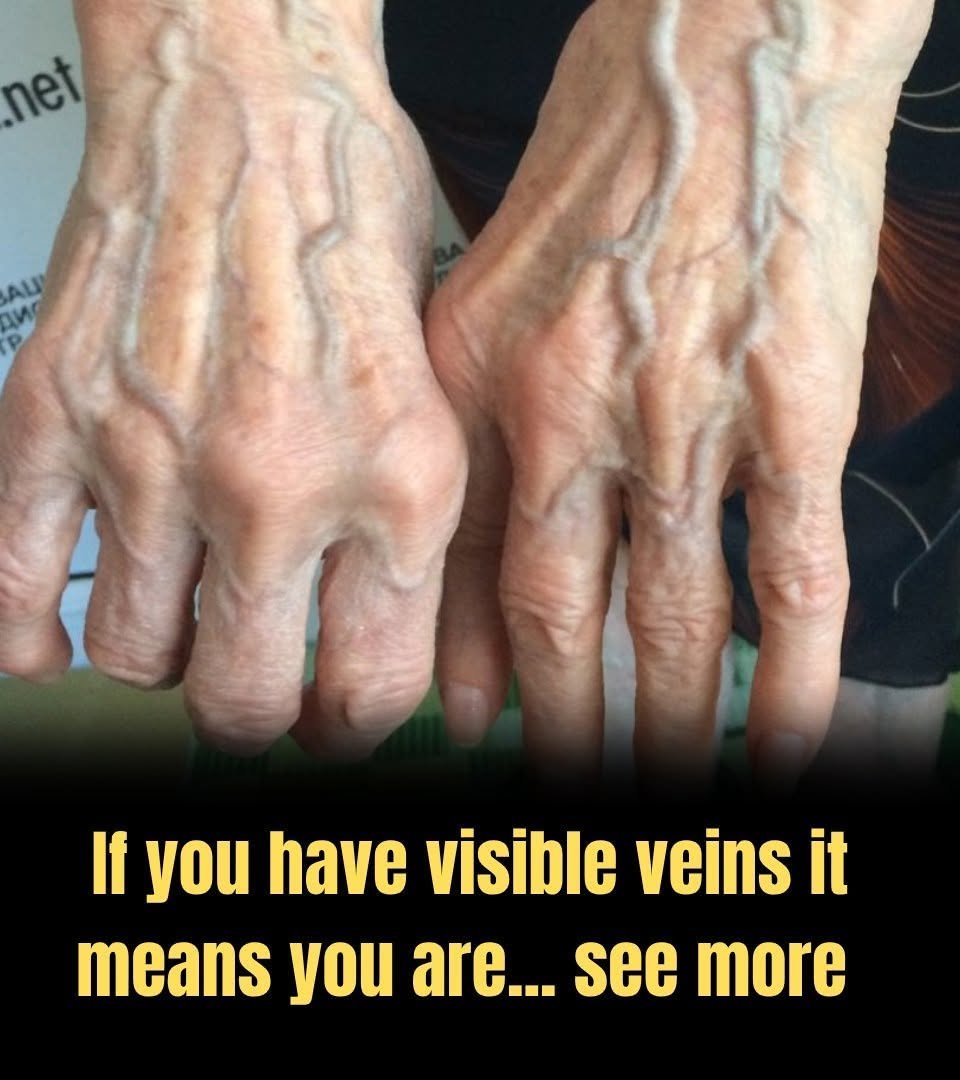
    Seeing veins become more noticeable or bulge beneath the skin can be unsettling, but visible veins are not automatically a sign of serious disease. Spider veins and other small visible veins are often harmless, while varicose veins are enlarged, twisted veins that commonly appear on the legs. They occur when valves inside veins do not work properly, allowing blood to flow backward and build pressure within the vein. Varicose veins are common and often cause no major complications. Some people may notice aching, heaviness, itching, swelling around the ankles, or changes in the skin, particularly after standing for long periods. Age, pregnancy, family history, excess weight, and prolonged sitting or standing can increase the likelihood of developing them.

    However, a suddenly swollen or painful vein deserves more attention. A vein that becomes hard, tender, warm, or surrounded by red or darkened skin may indicate inflammation or a superficial blood clot and should be medically assessed. More concerning symptoms can occur with deep vein thrombosis (DVT), which may cause swelling, pain, skin discoloration, and visibly swollen veins—usually affecting one leg. Persistent skin changes, ulcers, bleeding from varicose veins, or significant swelling are also reasons to seek medical advice. Importantly, having visible varicose veins does not mean a person has a dangerous blood clot; most varicose veins are not associated with serious complications. A healthcare professional can examine the affected area and, when necessary, use an ultrasound scan to evaluate blood flow and determine the cause.

    The most important warning signs are sudden symptoms and breathing or chest problems. If one leg suddenly becomes swollen, painful, warm, or discolored, prompt medical evaluation is appropriate because DVT needs to be ruled out. If leg symptoms occur together with sudden difficulty breathing, chest pain, coughing up blood, severe dizziness, or fainting, emergency medical care is required because a clot may have traveled to the lungs. For ordinary varicose veins without concerning symptoms, regular walking, avoiding prolonged standing or sitting, maintaining a healthy weight, and elevating the legs when resting may help circulation and discomfort. Disclaimer: This article is for general educational and informational purposes only and does not constitute medical diagnosis, treatment, or personalized medical advice. Bulging veins have many possible causes, and their appearance alone cannot determine whether a condition is harmless or serious. Some information online may be general, exaggerated, or unauthenticated, so always verify important health claims through reliable medical sources and consult a qualified healthcare professional about new, painful, rapidly changing, or persistent vein symptoms.