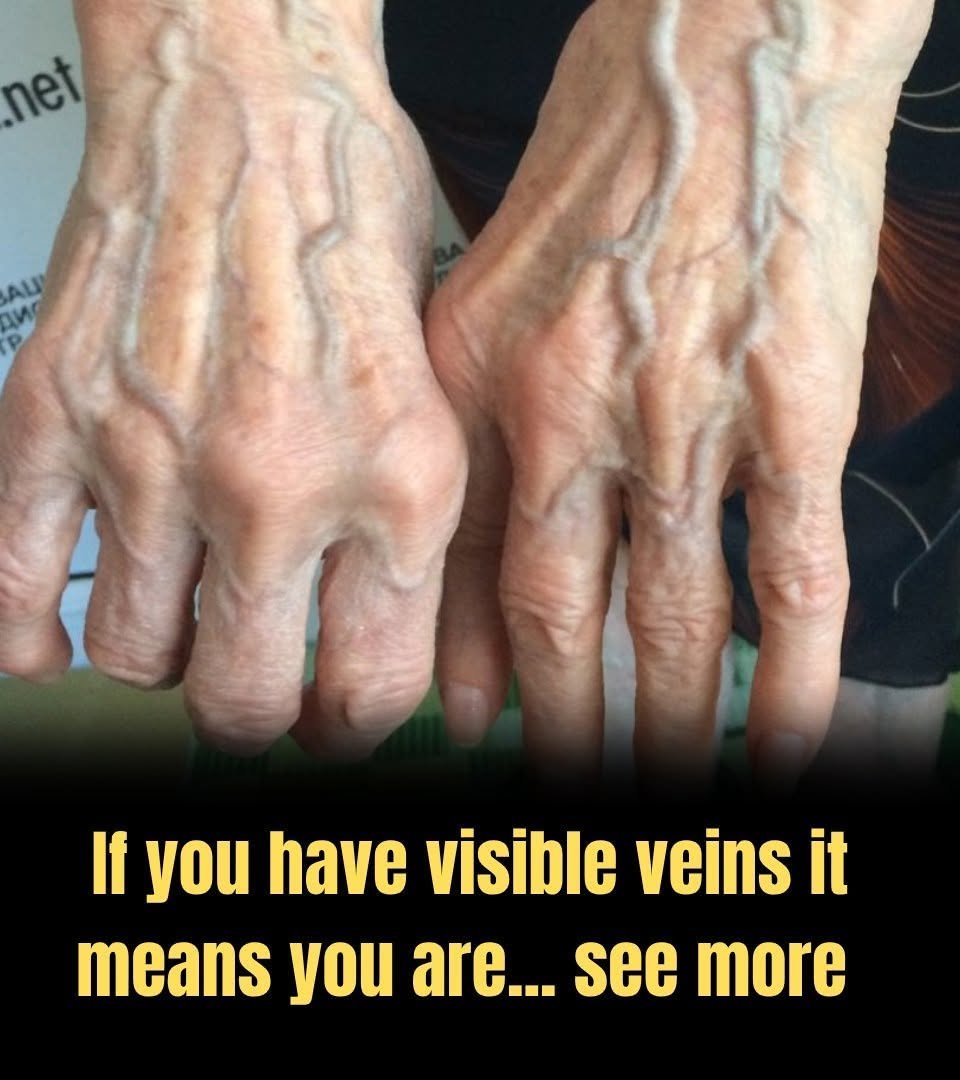
Seeing veins become more noticeable or bulge beneath the skin can be unsettling, but visible veins are not automatically a sign of serious disease. Spider veins and other small visible veins are often harmless, while varicose veins are enlarged, twisted veins that commonly appear on the legs. They occur when valves inside veins do not work properly, allowing blood to flow backward and build pressure within the vein. Varicose veins are common and often cause no major complications. Some people may notice aching, heaviness, itching, swelling around the ankles, or changes in the skin, particularly after standing for long periods. Age, pregnancy, family history, excess weight, and prolonged sitting or standing can increase the likelihood of developing them.
However, a suddenly swollen or painful vein deserves more attention. A vein that becomes hard, tender, warm, or surrounded by red or darkened skin may indicate inflammation or a superficial blood clot and should be medically assessed. More concerning symptoms can occur with deep vein thrombosis (DVT), which may cause swelling, pain, skin discoloration, and visibly swollen veins—usually affecting one leg. Persistent skin changes, ulcers, bleeding from varicose veins, or significant swelling are also reasons to seek medical advice. Importantly, having visible varicose veins does not mean a person has a dangerous blood clot; most varicose veins are not associated with serious complications. A healthcare professional can examine the affected area and, when necessary, use an ultrasound scan to evaluate blood flow and determine the cause.
The most important warning signs are sudden symptoms and breathing or chest problems. If one leg suddenly becomes swollen, painful, warm, or discolored, prompt medical evaluation is appropriate because DVT needs to be ruled out. If leg symptoms occur together with sudden difficulty breathing, chest pain, coughing up blood, severe dizziness, or fainting, emergency medical care is required because a clot may have traveled to the lungs. For ordinary varicose veins without concerning symptoms, regular walking, avoiding prolonged standing or sitting, maintaining a healthy weight, and elevating the legs when resting may help circulation and discomfort. Disclaimer: This article is for general educational and informational purposes only and does not constitute medical diagnosis, treatment, or personalized medical advice. Bulging veins have many possible causes, and their appearance alone cannot determine whether a condition is harmless or serious. Some information online may be general, exaggerated, or unauthenticated, so always verify important health claims through reliable medical sources and consult a qualified healthcare professional about new, painful, rapidly changing, or persistent vein symptoms.
Leave a Reply