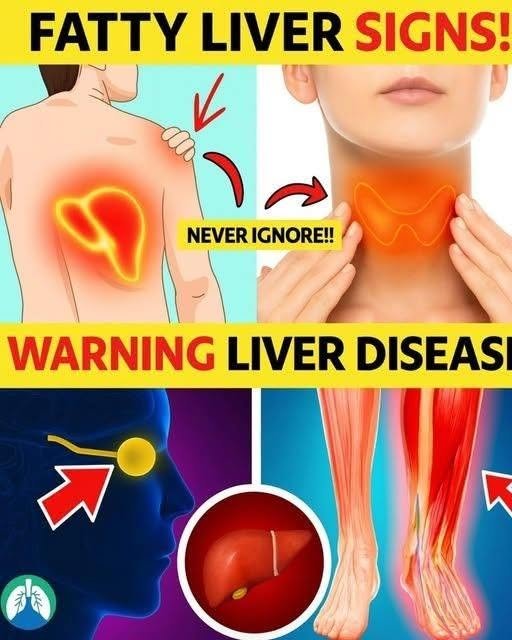
Fatty liver disease, now commonly called metabolic dysfunction-associated steatotic liver disease (MASLD) when related to metabolic factors, can be surprisingly difficult to recognize because it often causes few or no symptoms in its early stages. When symptoms do occur, five possible clues include persistent tiredness, feeling generally unwell, discomfort or pain in the upper-right area of the abdomen, unexplained changes in appetite, and increasing abdominal discomfort or fullness. NIDDK identifies fatigue and discomfort in the upper-right abdomen among the symptoms that may occur with fatty liver disease. However, these symptoms are not specific to fatty liver and can have many other causes. This is why it is risky to diagnose the condition simply by matching symptoms with an online checklist.
Another important point is that some noticeable symptoms—such as itchy skin, swelling in the legs or abdomen, yellowing of the skin or eyes, or spider-like blood vessels—are more associated with advanced liver disease, MASH, or cirrhosis rather than simple early fatty liver. Risk factors may provide more useful clues than symptoms alone. MASLD is more common among people with overweight or obesity, insulin resistance or type 2 diabetes, high triglycerides or cholesterol, high blood pressure, and metabolic syndrome. Because early fatty liver may be silent, doctors may discover it through routine blood tests or imaging performed for another reason. Diagnosis can involve liver enzyme and function tests, blood-sugar testing, lipid testing, and imaging such as ultrasound or elastography when appropriate.
The encouraging news is that fatty liver can often be improved through evidence-based lifestyle changes, particularly when addressed before significant liver scarring develops. A nutritious eating pattern, regular physical activity, healthy weight management, and control of conditions such as diabetes, high blood pressure, and abnormal cholesterol can all be important parts of management. Mayo Clinic notes that lifestyle changes and weight loss are central to preventing and managing MASLD, and that a healthy dietary pattern such as the Mediterranean diet can help reduce liver fat and inflammation. If you have persistent fatigue, abdominal discomfort, metabolic risk factors, or abnormal liver tests, speak with a qualified healthcare professional rather than relying on symptoms alone. Disclaimer: This article is for general educational and informational purposes only and does not constitute medical diagnosis, treatment, or personalized health advice. Fatty liver often produces no obvious early symptoms, and the signs mentioned above can have many other causes. Some health claims online may be general, exaggerated, or unauthenticated, so always verify important information through reliable medical sources and consult a qualified healthcare professional for proper evaluation.
Leave a Reply