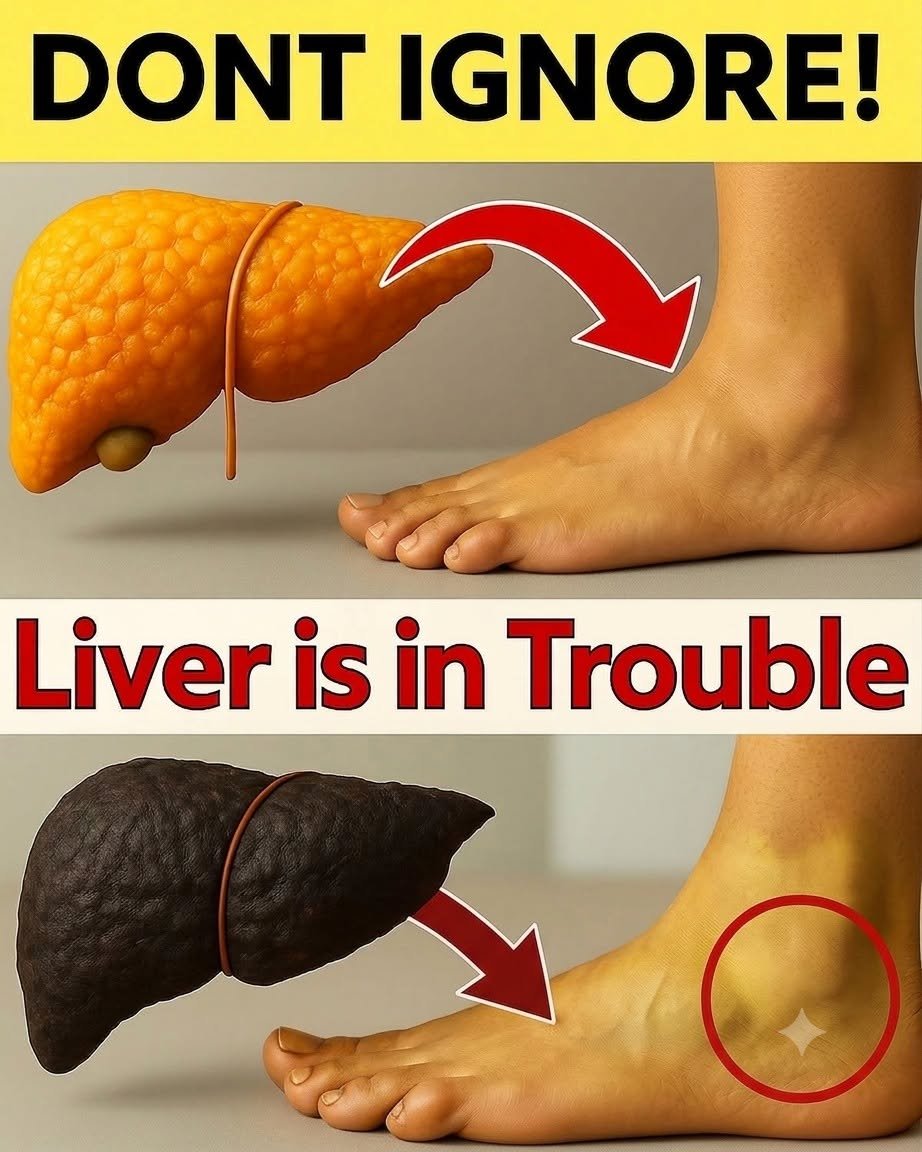
Changes in your feet are usually caused by everyday issues such as prolonged standing, footwear, circulation problems, injuries, or fluid retention, but persistent swelling in the feet and ankles can sometimes occur with advanced liver disease. When the liver is significantly damaged, changes in blood flow and reduced production of certain proteins can contribute to fluid accumulating in the tissues, producing swelling known as edema. Mayo Clinic lists swelling in the legs and ankles among possible symptoms of liver problems, while the NHS notes that advanced cirrhosis can cause swollen legs, ankles, and feet. Other changes that may accompany liver-related problems include persistent itching, yellowing of the skin or eyes, unusual tiredness, easy bruising, abdominal swelling, dark urine, or pale stools. Importantly, foot swelling alone does not mean you have liver disease, because edema can also result from heart, kidney, vein, medication, or other health conditions.
One symptom worth noticing is swelling that repeatedly affects both feet or ankles, particularly when it occurs alongside other unexplained changes. Liver-related edema may become more noticeable as the day progresses, and pressing the swollen area can sometimes leave a temporary indentation in the skin. Advanced liver conditions may also cause generalized itching, which can sometimes be particularly bothersome at night. However, many liver diseases produce no obvious symptoms during their early stages, meaning a person should not rely on foot appearance as a way to determine whether the liver is healthy. If swelling persists or appears together with jaundice, significant fatigue, abdominal swelling, unexplained weight loss, easy bruising, confusion, or changes in urine or stool color, it is sensible to arrange a medical evaluation. Doctors can use medical history, physical examination, blood tests, and sometimes imaging to investigate possible liver problems.
The key message is to notice persistent changes without jumping to conclusions. A sudden swollen foot can have many causes, and swelling in only one leg—especially when accompanied by pain, warmth, or redness—may require urgent assessment for causes unrelated to the liver. On the other hand, persistent swelling affecting both feet, particularly with other signs of liver dysfunction, should not simply be ignored. Early medical evaluation can help identify the underlying cause and determine whether treatment is needed. Maintaining a healthy weight, managing conditions such as diabetes when present, and following appropriate medical advice can support long-term liver health. Disclaimer: This article is for general educational and informational purposes only and does not constitute medical diagnosis, treatment, or personalized health advice. Foot or ankle symptoms have many possible causes, and swelling alone cannot diagnose liver disease. Some information online may be general, exaggerated, or unauthenticated. Always verify important health information through reliable medical sources and consult a qualified healthcare professional about persistent, worsening, or unusual symptoms.
Leave a Reply