Author: Mohsin king

  • 25-Year-Old Man Suffers Kidney Failure After Just One Bite

    25-Year-Old Man Suffers Kidney Failure After Just One Bite

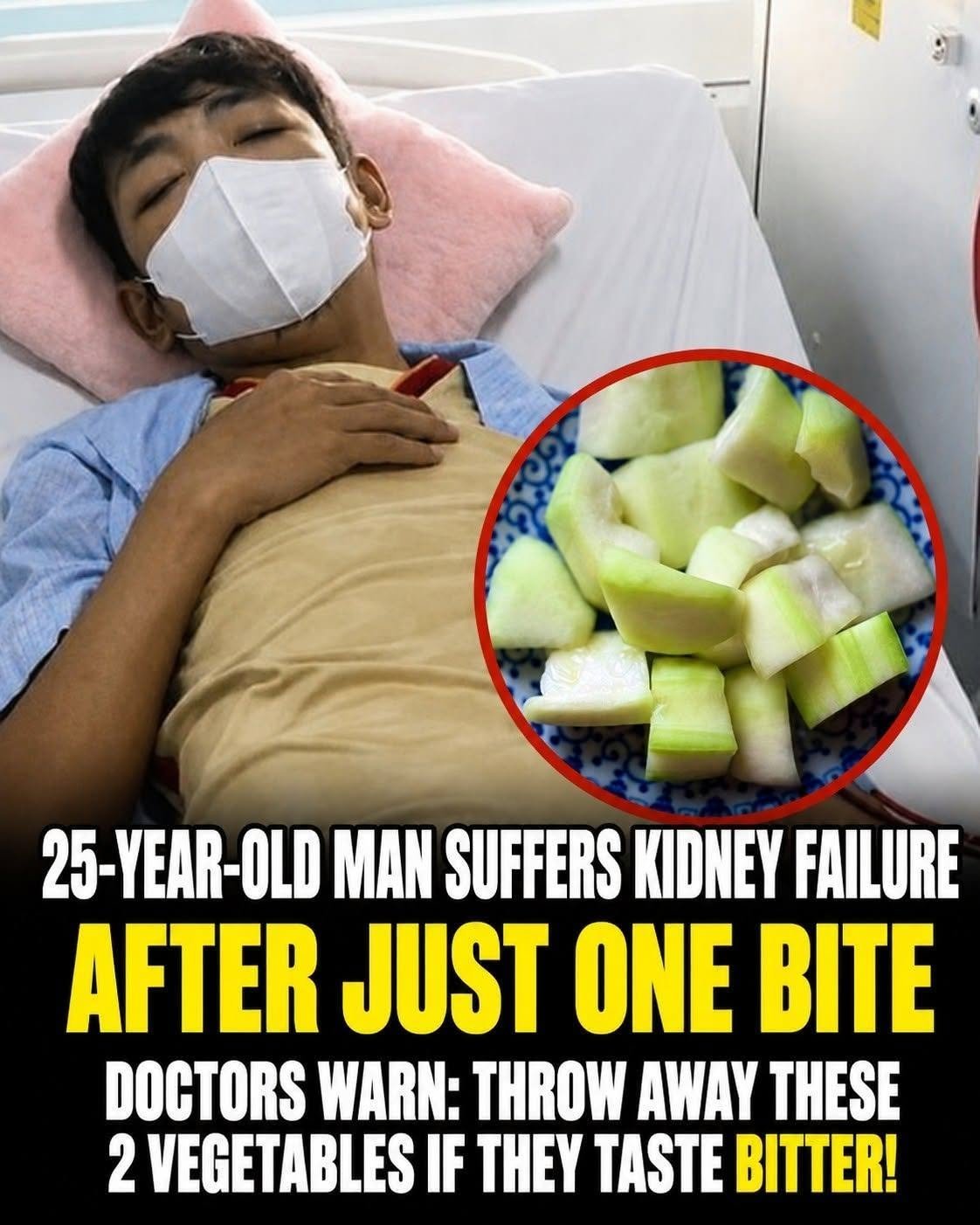
    A headline claiming that a 25-year-old man suffered kidney failure after “just one bite” is shocking, but the important point is that a single bite of ordinary food does not normally cause kidney failure. A serious exception can occur when food is contaminated with certain strains of Shiga toxin-producing E. coli (STEC). These bacteria can produce toxins that damage blood cells and the kidneys, potentially causing a dangerous complication called hemolytic uremic syndrome (HUS). The CDC confirms that HUS can lead to kidney failure, permanent health problems, and even death. The risk is therefore related to contamination and the specific microorganism involved—not simply the number of bites a person takes.

    STEC infections commonly cause severe stomach cramps, diarrhea that may become bloody, vomiting, and sometimes fever. Symptoms can begin several days after exposure rather than immediately after eating the contaminated food, so a person may not initially connect their illness to a particular meal. In some cases, HUS develops after the intestinal symptoms begin to improve. Warning signs can include unusual tiredness, pale skin, unexplained bruising, blood in the urine, and especially markedly reduced urination or inability to urinate. HUS is a medical emergency because kidney function can deteriorate significantly and some patients may require hospitalization and dialysis.

    The best protection is safe food handling and prompt medical attention when serious symptoms appear. Cook foods thoroughly when appropriate, prevent cross-contamination between raw and ready-to-eat foods, wash produce properly, use safe drinking water, and follow recommended food-storage practices. If someone develops bloody diarrhea, severe abdominal pain, persistent vomiting, dehydration, or significantly reduced urination, they should seek medical care promptly rather than relying on home remedies. It is also important not to automatically take anti-diarrheal medicines or antibiotics when STEC infection is suspected; the CDC warns that some treatments can increase the risk of HUS. Disclaimer: This article is for general educational and informational purposes only and does not constitute medical diagnosis, treatment, or personalized health advice. The specific 25-year-old man’s story in the headline could not be independently verified, so the exact food, cause, and outcome should not be presented as established fact. Health stories online may be exaggerated, misleading, or unauthenticated; always verify important claims through reliable medical sources and consult a qualified healthcare professional for concerning symptoms.
  • One Sleeping Position Could Potentially Increase Stroke Risk Among Seniors

    One Sleeping Position Could Potentially Increase Stroke Risk Among Seniors

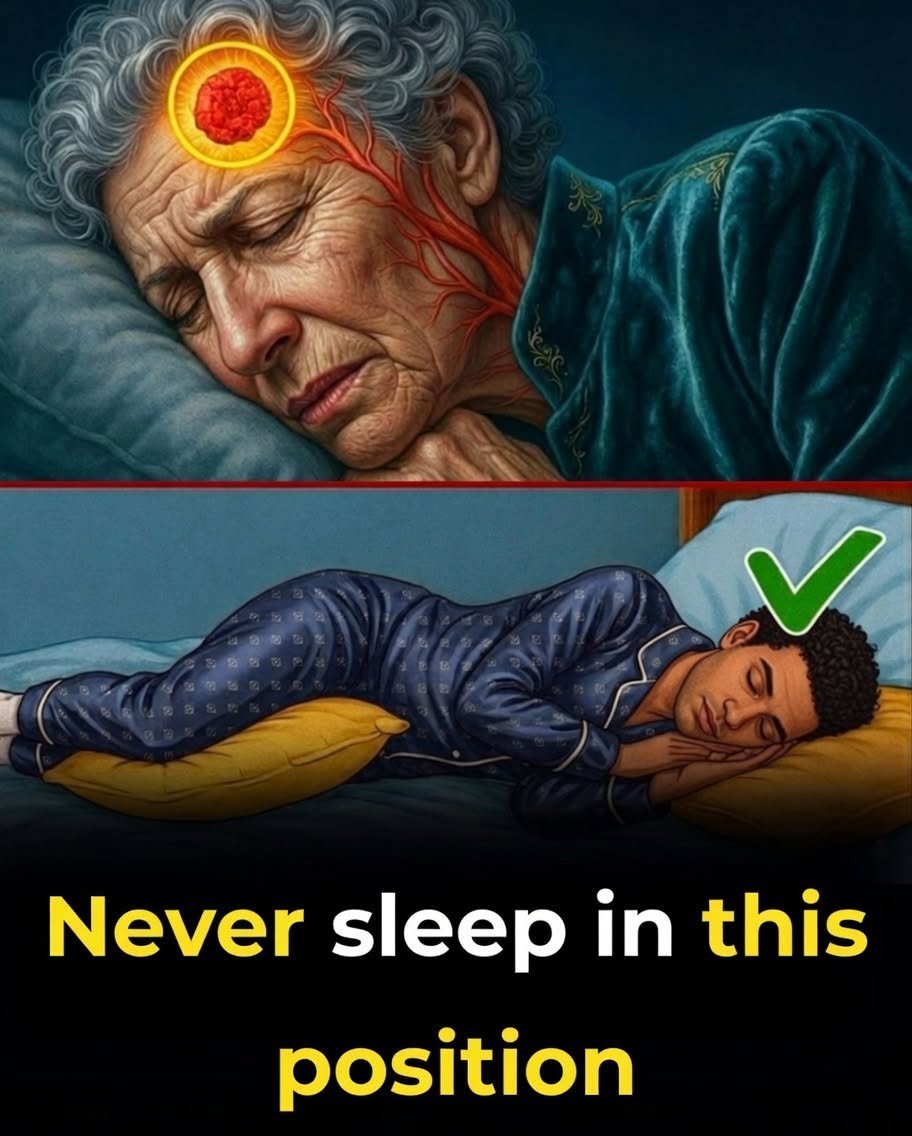
    The sleeping position most often discussed in relation to stroke risk is lying flat on your back, or the supine position. However, it would be misleading to say that sleeping on your back directly causes a stroke. Research suggests that this position can worsen obstructive sleep apnea in some people, particularly when the airway becomes more likely to collapse during sleep. Sleep apnea repeatedly interrupts breathing and can contribute to oxygen fluctuations, blood-pressure changes, and cardiovascular stress. The American Heart Association notes that sleep apnea is a recognized stroke risk factor and that many people experience worse apnea when sleeping on their backs compared with their sides.

    For seniors, this becomes particularly relevant when loud snoring, gasping, choking during sleep, morning headaches, excessive daytime sleepiness, or repeated nighttime awakenings are present. Studies involving people who have already experienced a stroke have found that obstructive sleep apnea can be strongly position-dependent, with breathing abnormalities often becoming more severe while lying on the back. Sleeping on the side may reduce airway obstruction for many people with positional sleep apnea, but that does not mean every older adult should force themselves into one specific sleeping position. Medical guidance emphasizes individual circumstances, comfort, mobility, respiratory conditions, and other health factors when determining appropriate positioning.

    The most important message is therefore not to fear a particular sleeping posture, but to recognize possible sleep apnea and other stroke risk factors. If an older adult regularly snores loudly, stops breathing during sleep, wakes choking or gasping, or remains unusually tired during the day, discussing these symptoms with a healthcare professional may be worthwhile. Managing established risk factors such as high blood pressure, diabetes, smoking, and sleep apnea can be far more important than simply changing sleep position. Disclaimer: This article is for general educational and informational purposes only and does not constitute medical diagnosis, treatment, or personalized health advice. Sleeping on your back does not automatically cause a stroke, and evidence linking sleep position to stroke risk is largely connected to sleep apnea rather than the position itself. Online health claims may be exaggerated, misleading, or unauthenticated, so always verify important information through reliable medical sources and consult a qualified healthcare professional about persistent sleep or breathing problems.

  • 25-Year-Old Woman Dies After Misusing a Thermos Cup — What You Should Know

    25-Year-Old Woman Dies After Misusing a Thermos Cup — What You Should Know

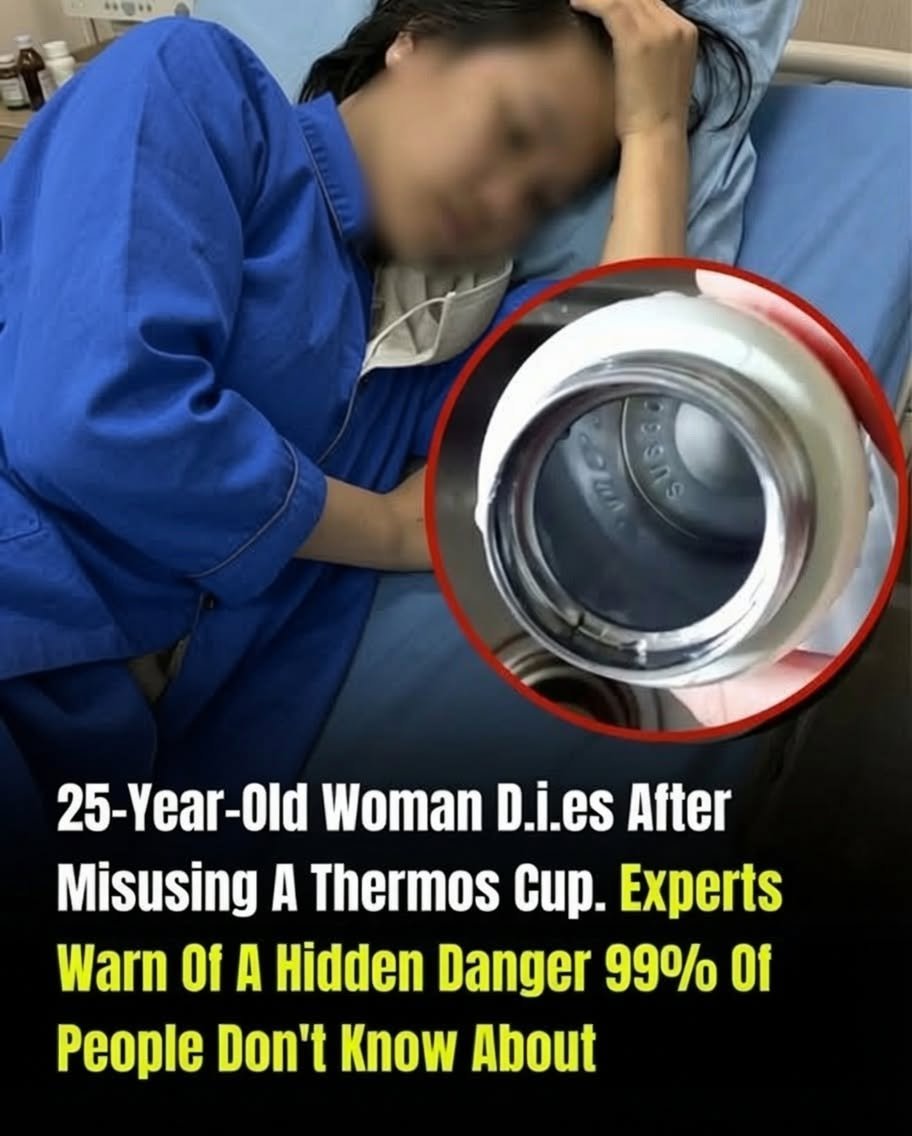
    A dramatic claim that a 25-year-old woman died after “misusing a thermos cup” should be treated with caution because the specific story could not be independently verified from reliable medical or news sources. A thermos or insulated cup itself is not inherently dangerous when it is manufactured for food and beverage use and handled according to the manufacturer’s instructions. However, improper use of any reusable drink container can create hygiene or injury concerns. For example, repeatedly storing beverages without thoroughly cleaning the lid, gasket, straw, or other hard-to-reach components can allow microorganisms to accumulate. Using a container for liquids or substances it was not designed to hold can also create avoidable safety risks. The dramatic headline should therefore not be interpreted as proof that ordinary thermos cups cause fatal illness.

    One genuine concern with reusable cups is cleanliness and temperature control. Warm, moist environments can support microbial growth when residues are left inside a bottle or around seals and drinking mechanisms. Regular washing with appropriate detergent, careful cleaning of removable parts, and complete drying can reduce this risk. It is also important to follow the product’s instructions regarding hot liquids, because pressure can potentially build up in sealed containers depending on the design and contents. A thermos should never be treated as a substitute for safe food and beverage handling. If a cup develops cracks, damaged seals, persistent odors, mold, or other contamination that cannot be removed, replacing it is a sensible precaution. The available evidence found during research does not establish that a particular misuse of a thermos caused the death described in the headline, so repeating an unverified cause as fact would be misleading.

    The most useful takeaway is simple: use reusable drinkware as intended, keep it clean, and don’t believe frightening social-media claims without verification. Choose food-safe containers, avoid storing beverages for unnecessarily long periods, clean the lid and seals thoroughly, and follow the manufacturer’s instructions for hot or carbonated drinks. If someone develops severe vomiting, breathing difficulty, confusion, loss of consciousness, or another serious symptom after consuming something from any container, seek urgent medical care rather than assuming the container itself is responsible. Disclaimer: This article is for general educational and consumer-safety information only and does not constitute medical advice. The specific claim involving a 25-year-old woman could not be authenticated through reliable sources, so the alleged cause of death should not be presented as established fact. Online health stories may be exaggerated, misleading, or unauthenticated; always verify important claims through reliable medical, public-health, or manufacturer sources.

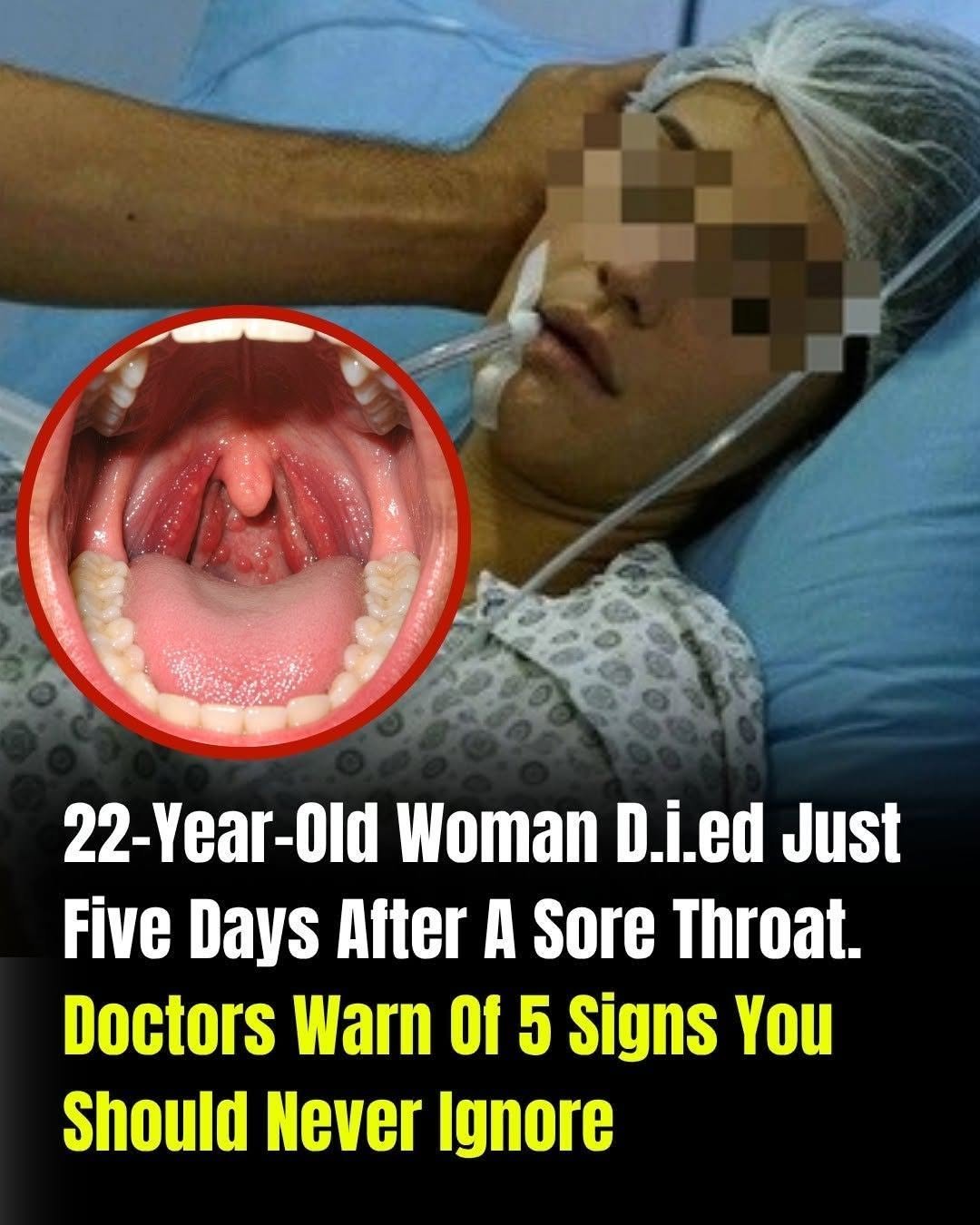
  • She Thought It Was Just a Sore Throat. Five Days Later, She Was Dead

    She Thought It Was Just a Sore Throat. Five Days Later, She Was Dead

    A sore throat is extremely common and is usually caused by a viral infection such as a cold or flu, with most cases improving within about a week. However, in rare situations, a seemingly ordinary throat complaint can be the first sign of a serious infection or rapidly developing complication. Epiglottitis, for example, involves dangerous swelling of the epiglottis—the structure that helps protect the airway. In adults, symptoms can develop over several days and may include severe sore throat, fever, muffled or hoarse voice, painful or difficult swallowing, drooling, and difficulty breathing. Because swelling can eventually obstruct the airway, epiglottitis is considered a medical emergency.

    Another serious possibility is sepsis, which occurs when the body’s extreme response to an infection causes potentially life-threatening organ dysfunction. Almost any infection can lead to sepsis, and it can progress rapidly without treatment. Warning signs can include confusion, extreme pain or discomfort, fever or chills, clammy skin, very rapid breathing, or a dramatic deterioration in a person’s condition. This does not mean that an ordinary sore throat is likely to become fatal—most are not—but it explains why rapidly worsening symptoms should never be dismissed simply because they started with throat discomfort. A particularly severe sore throat accompanied by difficulty swallowing or breathing, drooling, a high-pitched breathing sound, or rapidly worsening illness requires urgent medical assessment.

    The most important lesson is not to panic over every sore throat, but to recognize emergency warning signs. If someone suddenly struggles to breathe, cannot swallow saliva, begins drooling, develops noisy or high-pitched breathing, becomes confused, or deteriorates rapidly, emergency medical care is needed rather than waiting for a home remedy to work. Early professional assessment can make a critical difference when a serious infection or airway problem is developing. Disclaimer: This article is for general educational and informational purposes only and does not constitute medical diagnosis, treatment, or personalized health advice. The specific story suggested by this headline has not been independently established here, and a sore throat alone does not mean a life-threatening condition is present. Health stories shared online may be exaggerated, incomplete, or unauthenticated, so always verify important claims through reliable medical sources and consult a qualified healthcare professional. If breathing or swallowing becomes difficult, seek emergency medical care immediately.

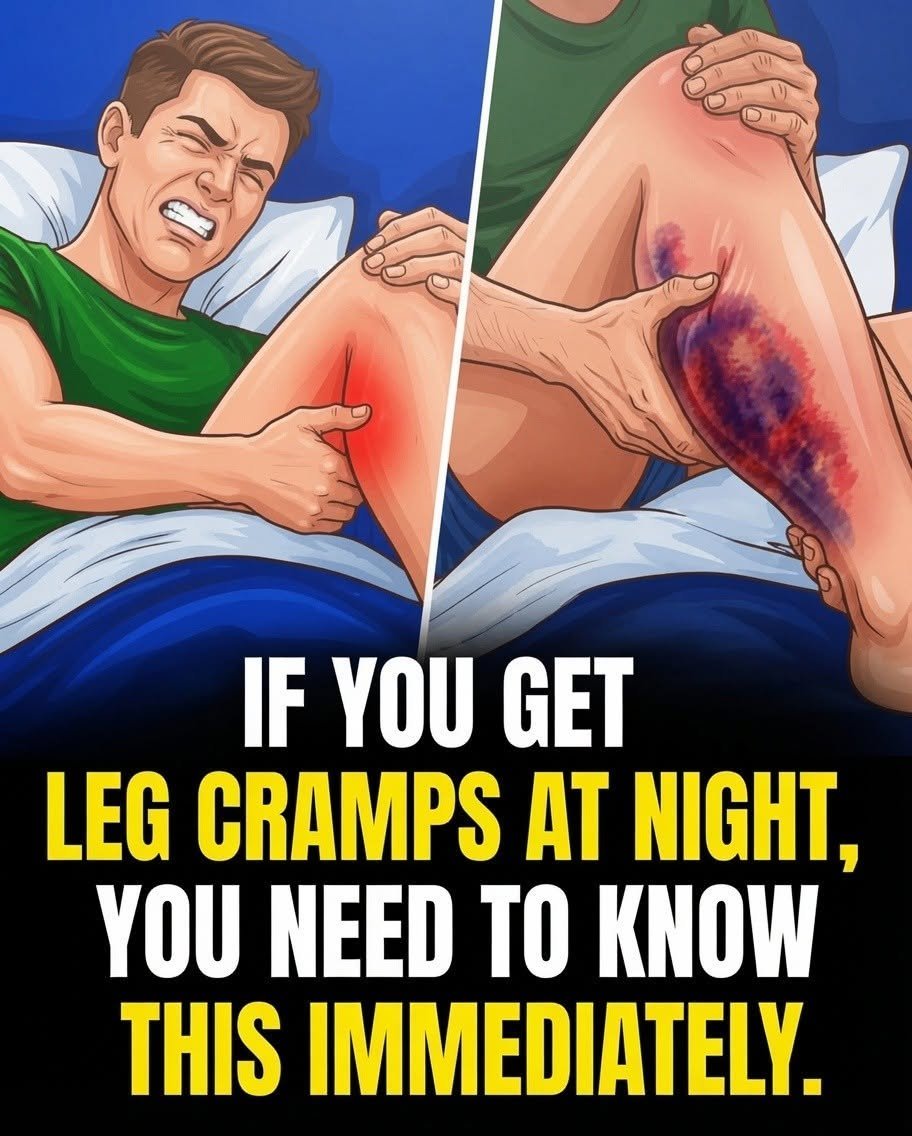
  • Don’t Ignore Leg Cramps at Night — Here’s What You Should Know

    Don’t Ignore Leg Cramps at Night — Here’s What You Should Know

    Nighttime leg cramps are common and usually harmless, but they can be painful enough to suddenly wake you from sleep. A cramp happens when a muscle contracts involuntarily, most often in the calf, although the feet and thighs can also be affected. The episode may last from a few seconds to around 10 minutes, and the muscle can remain sore afterward. Common contributors include strenuous exercise, dehydration, pregnancy, aging, and certain medicines such as some diuretics and statins. In many cases, however, the exact cause is never identified.

    When a cramp strikes, gently stretching and massaging the affected muscle may help it relax. Standing up and putting weight on the affected leg can also provide relief. Regular calf-stretching exercises, particularly before bedtime, may help reduce how frequently cramps occur. If cramps repeatedly disturb your sleep, last longer than 10 minutes, or occur alongside numbness or swelling, it is worth speaking with a healthcare professional. Persistent cramps can sometimes be associated with medications, fluid imbalance, metabolic conditions, nerve problems, or circulation-related issues, so recurring symptoms should not simply be blamed on a lack of one particular vitamin or mineral.

    The key is to look at the whole pattern rather than one symptom. Occasional nighttime cramps may not indicate anything serious, but frequent or increasingly painful episodes deserve attention, especially if you also experience weakness, persistent numbness, swelling, changes in skin color, or difficulty walking. Do not stop a prescribed medication or begin high-dose supplements simply because you suspect they are responsible; discuss the issue with a qualified healthcare professional first. Disclaimer: This article is for general educational and informational purposes only and does not constitute medical diagnosis, treatment, or personalized health advice. Nighttime leg cramps have many possible causes, and cramps alone cannot diagnose an underlying disease. Online health claims may be exaggerated, misleading, or unauthenticated, so always verify important information through reliable medical sources and consult a qualified healthcare professional about persistent or concerning symptoms.

  • If Your Veins Are Visible, Here’s What It May Mean…

    If Your Veins Are Visible, Here’s What It May Mean…

    Visible veins are often completely normal, especially in people with naturally thin skin, lower body fat, lighter skin tones, or a physically active lifestyle. Exercise can temporarily make veins more prominent because increased blood flow and changes in muscle volume bring superficial veins closer to the skin’s surface. Heat can also make veins appear more noticeable because blood vessels expand to help the body release heat. As people age, skin gradually becomes thinner and loses some elasticity, which can make veins easier to see as well. (clevelandclinic.org) Therefore, simply noticing blue or green veins on your hands, arms, legs, or feet does not automatically indicate poor circulation or another disease.

    However, the appearance of veins matters when it represents a new or significant change. Enlarged, twisted veins in the legs may be varicose veins, which can develop when valves inside the veins do not work properly and blood pools in the lower limbs. (nhlbi.nih.gov) Spider veins are smaller and usually harmless, although they can sometimes accompany underlying venous problems. Pay closer attention if visible veins are accompanied by swelling, aching, heaviness, warmth, skin discoloration, itching, or changes that are becoming progressively worse. A suddenly prominent vein together with swelling or pain in one leg can require prompt medical assessment because a blood clot is another possible cause of leg symptoms. (nhs.uk)

    There is generally no reason to panic simply because your veins are visible. If they have always looked that way and there are no other symptoms, prominent superficial veins are often just a normal feature of your anatomy. If they suddenly become much more noticeable or develop alongside pain, swelling, skin changes, or other unusual symptoms, a healthcare professional can determine whether further evaluation is needed. Disclaimer: This article is for general educational and informational purposes only and does not constitute medical diagnosis, treatment, or personalized health advice. Visible veins have many harmless explanations, and their appearance alone cannot diagnose a circulation problem, blood clot, or other illness. Online health claims may be exaggerated, misleading, or unauthenticated, so always verify important information through reliable medical sources and seek professional evaluation for sudden or concerning changes.

  • You May Be Underestimating Oregano — Discover the Potential Benefits of This Powerful Herb…

    You May Be Underestimating Oregano — Discover the Potential Benefits of This Powerful Herb…

    Oregano may be one of the most underestimated herbs in the kitchen. Often used simply to add flavor to vegetables, soups, sauces, and other meals, oregano contains naturally occurring compounds such as carvacrol, thymol, flavonoids, and phenolic acids that have attracted scientific interest. Research has identified antioxidant and antimicrobial activity associated with oregano and its compounds, although much of the evidence comes from laboratory or animal studies rather than large human clinical trials. Antioxidants help protect cells from oxidative stress, which is why herbs and spices containing these compounds are being investigated as part of healthy dietary patterns. Adding oregano to meals can therefore be a flavorful way to increase the variety of plant-based compounds in your diet without relying heavily on salt or calorie-dense sauces.

    Oregano has also been studied for its potential digestive, anti-inflammatory, antimicrobial, and metabolic benefits. Some laboratory research suggests that compounds found in oregano may influence inflammatory pathways and microorganisms, while preliminary studies have explored possible effects on blood sugar and gastrointestinal health. However, these findings should not be interpreted as proof that oregano can treat diabetes, infections, cancer, digestive disorders, or other medical conditions. The National Library of Medicine notes that oregano has demonstrated several biological activities in experimental research, but their clinical significance in humans has not been established. This distinction is especially important when comparing ordinary culinary oregano with concentrated oregano oil or supplements, because extracts can contain substantially higher amounts of active compounds than the quantities normally consumed as a seasoning.

    For most people, using oregano as a culinary herb is a simple and sensible way to add flavor and variety to meals. However, taking concentrated oregano oil or high-dose supplements is a different matter and should not be treated as equivalent to sprinkling dried oregano on food. Higher doses may cause digestive discomfort or other side effects, and herbal supplements can interact with medications or may not be appropriate for people with certain medical conditions. Disclaimer: This article is for general educational and informational purposes only and does not constitute medical diagnosis, treatment, or personalized health advice. Research on oregano’s potential health benefits is promising in some areas but remains limited, particularly in humans. Oregano should not replace prescribed treatment, and health claims online may be exaggerated, misleading, or unauthenticated. Always verify important information through reliable medical sources and consult a qualified healthcare professional before using concentrated herbal supplements.

  • Stop Feeding Your Children These 5 Foods Immediately — Here’s What Parents Should Know

    Stop Feeding Your Children These 5 Foods Immediately — Here’s What Parents Should Know

    The word “immediately” can make this headline sound frightening, but most foods do not need to be completely banned from every child’s diet. The bigger concern is regularly giving children foods that are very high in added sugar, sodium, or heavily processed ingredients, while leaving less room for nutrient-dense foods. Sugary drinks, candy, sweet snacks, highly processed meats, and heavily salted packaged foods are examples worth limiting. The CDC recommends that young children avoid added sugars and foods high in salt, while emphasizing vegetables, fruits, whole grains, protein foods, and other nutrient-rich choices. Excessive added sugar is associated with problems including unhealthy weight gain and tooth decay, while high-sodium diets can contribute to increased blood pressure.

    Parents should also be aware that some foods are dangerous because of choking rather than nutrition. For babies and young children, whole grapes, whole nuts, popcorn, hard raw vegetables, chunks of meat, hot dogs, hard candy, and spoonfuls of thick nut butter can present choking hazards if served in inappropriate shapes or textures. The CDC recommends preparing foods according to a child’s developmental abilities—for example, cutting round foods into small pieces and cooking hard fruits or vegetables until they are soft enough to mash. There are also age-specific foods that should be avoided: children younger than 12 months should not receive honey because of the risk of infant botulism, and unpasteurized milk, juice, yogurt, or cheese can expose young children to harmful bacteria.

    Rather than suddenly removing everything a child enjoys, focus on better everyday choices and moderation. Replace sugary beverages with water or unsweetened options, offer whole fruits instead of juice when appropriate, choose lower-sodium packaged foods, and include vegetables, whole grains, protein, and nutritious dairy or fortified alternatives. For infants and toddlers, food texture and preparation are just as important as nutritional quality. Remember that children’s nutritional requirements vary significantly by age, growth, allergies, and medical conditions, so a pediatrician or registered dietitian can provide individualized guidance when needed. Disclaimer: This article is for general educational and nutritional information only and does not constitute medical or personalized dietary advice. The five categories discussed are not universally “forbidden” foods for every child, and recommendations vary by age. Always verify important information through reliable pediatric and public-health sources and consult a qualified healthcare professional regarding your child’s specific dietary needs.

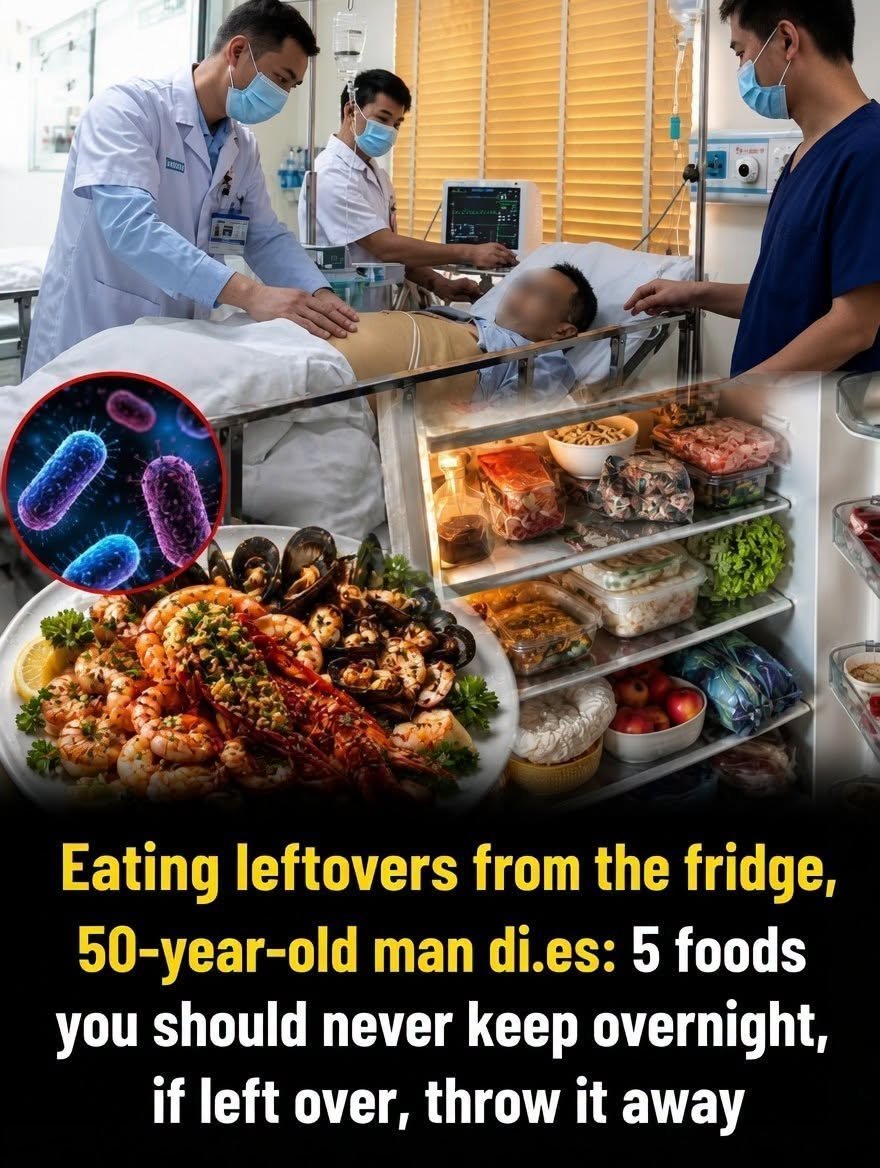
  • One Common Refrigerator Habit Could Put Your Health at Risk

    One Common Refrigerator Habit Could Put Your Health at Risk

    One of the most common refrigerator mistakes is keeping perishable leftovers for too long. A refrigerator slows bacterial growth, but it does not stop it completely. The USDA recommends using most cooked leftovers within 3–4 days when they have been properly refrigerated at 40°F (4°C) or below. Food should generally be refrigerated within two hours of cooking or serving, or within one hour when temperatures are above 90°F (32°C). (fsis.usda.gov) Waiting several days beyond the recommended storage period can increase the risk of foodborne illness, even when the food still appears normal.

    Another common mistake is relying on smell, appearance, or taste to decide whether refrigerated food is safe. Harmful bacteria do not necessarily change the color, smell, texture, or flavor of food, so tasting questionable leftovers is not a reliable safety test. The FDA recommends keeping refrigerators at 40°F (4°C) or below and using a refrigerator thermometer to confirm the temperature. (fda.gov) Large quantities of hot food should also be divided into smaller, shallow containers so they cool more rapidly. Keeping foods covered and preventing raw meat, poultry, seafood, and eggs from contaminating ready-to-eat foods are additional important steps for reducing cross-contamination.

    A simple refrigerator routine can make a significant difference: label leftovers with the date, keep the refrigerator cold, store raw foods separately, clean spills promptly, and freeze foods that will not be eaten within the recommended period. (foodsafety.gov) This is especially important for older adults, young children, pregnant people, and individuals with weakened immune systems because foodborne infections can be more serious for them. When you are uncertain about a leftover’s storage history, it is safer to discard it than to take a chance. Disclaimer: This article is for general educational and food-safety purposes only and does not constitute medical advice. Storage times can vary depending on the food, preparation method, handling, and refrigerator temperature. Online food-safety claims may be exaggerated, misleading, or unauthenticated, so always verify important information through reliable government or food-safety sources.

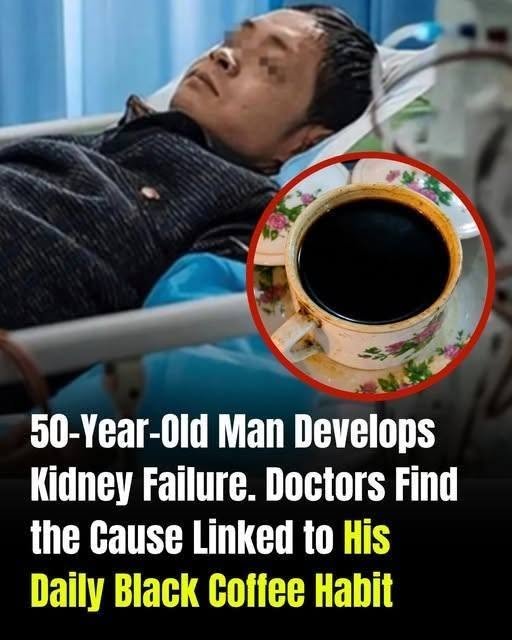
  • 50-Year-Old Man Develops Kidney Failure — Doctors Find the Cause Linked to the Black Coffee He Drank Every Day

    50-Year-Old Man Develops Kidney Failure — Doctors Find the Cause Linked to the Black Coffee He Drank Every Day

    A dramatic headline claiming that daily black coffee caused kidney failure should be approached with caution because current medical evidence does not establish ordinary black coffee as a direct cause of kidney failure. In fact, research has often found either no harmful association or a potentially lower risk of chronic kidney disease among moderate coffee drinkers. A large prospective study involving more than 14,000 adults found that higher coffee consumption was associated with a lower risk of developing chronic kidney disease, although the researchers emphasized that the observational design could not prove cause and effect. The National Kidney Foundation likewise states that coffee can generally be consumed in moderation by people with kidney disease, although individual dietary requirements may differ.

    That does not mean every amount of coffee is appropriate for everyone. Caffeine can temporarily raise blood pressure, which may matter for people struggling to control hypertension, and people with established kidney disease may have specific limits on potassium, phosphorus, fluids, or other nutrients depending on their condition. What is added to coffee can also matter: milk, creamers, syrups, and large amounts of sugar may substantially change its nutritional profile. More importantly, kidney failure usually develops because of underlying conditions such as diabetes, high blood pressure, cardiovascular disease, certain inherited disorders, infections, medications, or other kidney injuries—not simply because someone drinks black coffee. Current research remains complex; a 2026 review concluded that moderate caffeine intake is probably safe for many people with chronic kidney disease, while stronger evidence is still needed.

    If someone experiences declining kidney function, doctors generally need to investigate the actual underlying cause rather than automatically blaming one beverage. Blood and urine testing, blood-pressure assessment, medical history, medication review, and sometimes imaging can help determine what is happening. People with diabetes, high blood pressure, or other kidney-risk factors should have appropriate medical monitoring and should not stop prescribed medication because of claims circulating online. Disclaimer: This article is for general educational and informational purposes only and does not constitute medical diagnosis, treatment, or personalized dietary advice. The specific 50-year-old man’s story in the headline could not be independently verified, and current evidence does not support the claim that ordinary black coffee directly causes kidney failure. Online health stories may be exaggerated, misleading, or unauthenticated, so always verify important information through reliable medical sources and consult a qualified healthcare professional.