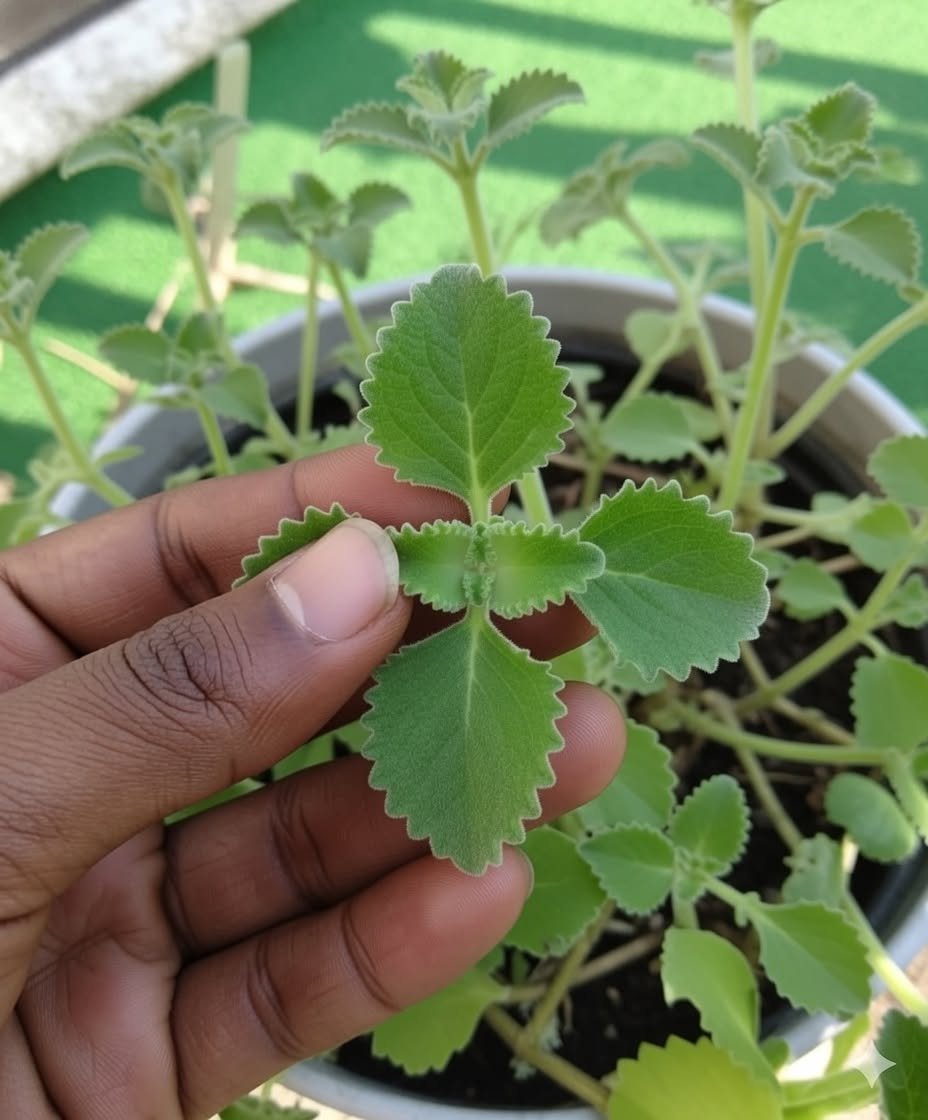
Oregano may be one of the most underestimated herbs in the kitchen. Often used simply to add flavor to vegetables, soups, sauces, and other meals, oregano contains naturally occurring compounds such as carvacrol, thymol, flavonoids, and phenolic acids that have attracted scientific interest. Research has identified antioxidant and antimicrobial activity associated with oregano and its compounds, although much of the evidence comes from laboratory or animal studies rather than large human clinical trials. Antioxidants help protect cells from oxidative stress, which is why herbs and spices containing these compounds are being investigated as part of healthy dietary patterns. Adding oregano to meals can therefore be a flavorful way to increase the variety of plant-based compounds in your diet without relying heavily on salt or calorie-dense sauces.
Oregano has also been studied for its potential digestive, anti-inflammatory, antimicrobial, and metabolic benefits. Some laboratory research suggests that compounds found in oregano may influence inflammatory pathways and microorganisms, while preliminary studies have explored possible effects on blood sugar and gastrointestinal health. However, these findings should not be interpreted as proof that oregano can treat diabetes, infections, cancer, digestive disorders, or other medical conditions. The National Library of Medicine notes that oregano has demonstrated several biological activities in experimental research, but their clinical significance in humans has not been established. This distinction is especially important when comparing ordinary culinary oregano with concentrated oregano oil or supplements, because extracts can contain substantially higher amounts of active compounds than the quantities normally consumed as a seasoning.
For most people, using oregano as a culinary herb is a simple and sensible way to add flavor and variety to meals. However, taking concentrated oregano oil or high-dose supplements is a different matter and should not be treated as equivalent to sprinkling dried oregano on food. Higher doses may cause digestive discomfort or other side effects, and herbal supplements can interact with medications or may not be appropriate for people with certain medical conditions. Disclaimer: This article is for general educational and informational purposes only and does not constitute medical diagnosis, treatment, or personalized health advice. Research on oregano’s potential health benefits is promising in some areas but remains limited, particularly in humans. Oregano should not replace prescribed treatment, and health claims online may be exaggerated, misleading, or unauthenticated. Always verify important information through reliable medical sources and consult a qualified healthcare professional before using concentrated herbal supplements.
Leave a Reply