Author: Mohsin king

  • Doctors Explain the Potential Benefits of Starting Your Day With Eggs

    Doctors Explain the Potential Benefits of Starting Your Day With Eggs

    Starting the morning with eggs can be a convenient way to add high-quality protein and important nutrients to breakfast. Eggs provide protein along with nutrients such as vitamin B12, riboflavin, vitamin D, selenium, and choline. Choline is particularly important because the brain and nervous system use it for functions involving memory, mood, muscle control, and cell membranes. (ods.od.nih.gov) Protein at breakfast may also help create a more satisfying meal, especially when eggs are paired with fiber-rich foods such as vegetables, whole grains, or fruit. Rather than viewing eggs as a magic morning food, it is more accurate to consider them a nutrient-dense component of a balanced breakfast.

    Eggs can also fit into a heart-conscious eating pattern for many healthy people. The American Heart Association’s 2026 dietary guidance emphasizes overall eating patterns rather than focusing on a single nutrient, recommending vegetables, fruits, whole grains, healthy protein sources, minimally processed foods, and unsaturated fats while limiting saturated fat and added sugars. (heart.org) This means the health impact of an egg breakfast depends partly on what accompanies it. Eggs served with vegetables and whole grains are quite different nutritionally from eggs regularly combined with processed meats, large amounts of butter, refined carbohydrates, and high-sodium foods. The AHA notes that for most people, dietary cholesterol is no longer the primary target for reducing cardiovascular risk, although people with certain cholesterol disorders or other health conditions may need individualized advice. (heart.org)

    If you enjoy eggs in the morning, simple preparation can make them an excellent part of a balanced meal. Boiled, poached, or lightly cooked eggs can be paired with vegetables, beans, avocado, or whole-grain toast to increase fiber and overall nutrient variety. There is no requirement to eat eggs every day, and people with diabetes, high LDL cholesterol, or particular cardiovascular risks should discuss their individual egg intake with a healthcare professional rather than following a one-size-fits-all rule. (heart.org) Disclaimer: This article is for general educational and nutritional information only and does not constitute medical diagnosis, treatment, or personalized dietary advice. Eggs can be part of a healthy diet for many people, but their ideal amount and preparation depend on the individual’s overall diet and health status. Always verify important nutrition claims through reliable medical sources and consult a qualified healthcare professional for personalized guidance.


  • What Happens to Your Body If You Regularly Drink Ginger and Red Date Tea in the Morning?

    What Happens to Your Body If You Regularly Drink Ginger and Red Date Tea in the Morning?

    Ginger and red date (jujube) tea can be a flavorful morning beverage, but its effects are best understood as nutritional possibilities rather than guaranteed health benefits. Ginger has been studied for nausea, menstrual discomfort, osteoarthritis symptoms, and several metabolic markers, with the strongest evidence involving certain forms of ginger supplementation rather than ordinary tea. Red dates provide nutrients such as potassium and vitamin C, while research on their potential metabolic benefits is still relatively limited. A 2024 systematic review found possible improvements in some cholesterol and triglyceride measures, but only four eligible clinical trials were available, so stronger research is still needed. Drinking the tea in the morning itself is not known to create a special “detox” effect; the main benefit may simply be replacing a sugary or less nutritious beverage with a warm, flavorful drink.

    Regular ginger tea may be particularly appealing to people who experience mild digestive discomfort or occasional nausea, because ginger has demonstrated anti-nausea effects in several studies. It also contains bioactive compounds with antioxidant and anti-inflammatory activity, although laboratory findings should not be interpreted as proof that ginger tea prevents disease. The red dates add natural sweetness and nutrients, but dried varieties can contain considerably more concentrated natural sugar than fresh fruit. If the tea is prepared with several dried dates or additional sugar or honey, the calorie and carbohydrate content can rise quickly. Therefore, people managing blood sugar or trying to reduce added sugars may want to keep portions modest and avoid turning the drink into a heavily sweetened beverage.

    There are also reasons not to overdo it. Ginger can cause abdominal discomfort, heartburn, diarrhea, or irritation of the mouth and throat, particularly at higher doses. People taking blood-thinning or other medications should ask their healthcare professional before regularly consuming concentrated ginger preparations because herbs can interact with medicines. Red dates are generally considered safe as a food, but evidence for medicinal effects remains limited, and some medications may interact with jujube products. For most healthy adults, a moderate homemade tea containing a small amount of ginger and a few red dates can be part of a varied diet, but it should not replace prescribed treatment or be promoted as a cure or detox. Disclaimer: This article is for general educational and nutritional information only and does not constitute medical diagnosis, treatment, or personalized dietary advice. Research on ginger and especially red-date tea is still developing, and benefits can vary depending on preparation, quantity, and individual health. Always verify important health claims through reliable medical sources and consult a qualified healthcare professional if you take medications or have an existing medical condition.

  • These Common Bedroom Habits Might Secretly Raise Your Risk of Cervical Cancer

    These Common Bedroom Habits Might Secretly Raise Your Risk of Cervical Cancer

    Cervical cancer is not caused simply by ordinary bedroom habits. Persistent infection with high-risk types of human papillomavirus (HPV) causes virtually all cervical cancers, and HPV is commonly transmitted through sexual contact. Most HPV infections clear naturally within a year or two, but infections that persist for years can cause abnormal cervical cells that may eventually develop into cancer. Certain sexual patterns can increase the likelihood of HPV exposure, including becoming sexually active at a younger age and having multiple sexual partners. This does not mean that someone with these experiences will develop cancer—HPV is extremely common, and most infected people never develop cervical cancer.

    Another important bedroom-related factor is smoking or exposure to secondhand tobacco smoke. Research shows that smoking increases cervical cancer risk, particularly among women who have HPV, and the risk rises with greater smoking exposure. Long-term use of oral contraceptives has also been associated with increased cervical cancer risk, although contraception has important benefits and should not be stopped without discussing alternatives with a healthcare professional. Using condoms can reduce the likelihood of HPV transmission, but they cannot provide complete protection because HPV can infect areas not covered by a condom.

    The most important protection is HPV vaccination and regular cervical cancer screening. HPV vaccination helps prevent infection with cancer-causing HPV types, while HPV testing and Pap testing can identify high-risk infections and abnormal cells before they become invasive cancer. If you experience unusual vaginal bleeding, bleeding after sex, persistent unusual discharge, pelvic pain, or pain during intercourse, arrange a medical evaluation rather than assuming the symptoms are caused by an infection or irritation. Disclaimer: This article is for general educational and health information only and does not constitute medical diagnosis, treatment, or personalized advice. Ordinary sexual activity does not automatically cause cervical cancer, and risk is influenced by multiple factors, especially persistent high-risk HPV infection. Always verify important health information through reliable medical sources and consult a qualified healthcare professional about screening, vaccination, symptoms, or individual risk.

  • Cabbage Is Good, but These People Should Be Careful Eating It

    Cabbage Is Good, but These People Should Be Careful Eating It

    Cabbage is a nutritious vegetable that provides fiber, vitamin C, vitamin K, folate, and other beneficial plant compounds, making it a useful part of many balanced diets. However, it is misleading to say that certain groups must absolutely never eat cabbage. For most people, cabbage is safe and healthy when eaten in reasonable amounts. Still, some individuals may need to limit it or discuss their intake with a healthcare professional. People taking the blood-thinning medication warfarin, for example, need to keep their vitamin K intake relatively consistent because sudden changes in vitamin K consumption can affect anticoagulation control. (ods.od.nih.gov) This does not necessarily mean avoiding cabbage altogether; rather, people taking warfarin should follow their clinician’s advice and maintain a consistent dietary pattern.

    Cabbage can also cause gas, bloating, and abdominal discomfort, particularly when eaten in large amounts. This happens partly because cabbage contains fermentable carbohydrates and fiber that gut bacteria break down. People with irritable bowel syndrome (IBS) or certain digestive sensitivities may find that cabbage worsens symptoms, although tolerance varies from person to person. (monashfodmap.com) Another consideration involves the thyroid. Cabbage belongs to the cruciferous vegetable family and contains compounds called glucosinolates. In people with adequate iodine intake, eating normal amounts of cruciferous vegetables is generally not considered a thyroid problem. The concern is more relevant to very large quantities, particularly when overall iodine intake is low. (ods.od.nih.gov) Cooking cabbage can also reduce some of these compounds, while still preserving many of its nutritional benefits.

    For most people, the better message is “eat cabbage wisely,” not “never eat cabbage.” If you take warfarin, have a digestive condition that reacts strongly to high-fiber foods, have been advised to monitor potassium or other nutrients, or have a thyroid condition with specific dietary restrictions, ask your healthcare professional how cabbage fits into your diet. Introducing smaller portions and gradually increasing fiber may help people who experience bloating. There is no strong evidence that ordinary servings of cabbage are inherently dangerous for healthy people. Disclaimer: This article is for general educational and nutritional information only and does not constitute medical diagnosis, treatment, or personalized dietary advice. Cabbage is generally a nutritious food, and most people do not need to avoid it. Individual medical conditions, medications, and dietary requirements can change what is appropriate, so always verify important health information through reliable sources and consult a qualified healthcare professional when necessary.

  • It Was Spotted 35,000 Feet Deep in the Mariana Trench

    It Was Spotted 35,000 Feet Deep in the Mariana Trench

    At roughly 35,000 feet (10.6 kilometers) below the ocean surface, the Mariana Trench is one of the most extreme environments on Earth. There is complete darkness, near-freezing water, scarce food, and crushing pressure. Yet scientists have discovered that life exists even at these extraordinary depths. In the Sirena Deep, around 35,000 feet down, researchers have recorded remarkable organisms including giant single-celled amoebas known as xenophyophores. During deep-sea expeditions, cameras have also captured microbial communities and other organisms living on or near the seafloor. (schmidtocean.org) These discoveries have challenged the old idea that the deepest parts of the ocean are completely lifeless.

    One particularly fascinating discovery involved fuzzy microbial-looking structures attached to rocks in the Sirena Deep. Scientists believed the formations could represent communities of bacteria adapted to the harsh environment. The surrounding conditions are extraordinary: the pressure at these depths is more than 1,000 times greater than atmospheric pressure at sea level, while temperatures remain only slightly above freezing. (nationalgeographic.com) Researchers have also observed scavenging amphipods and other specialized creatures in the deepest areas. Rather than relying on sunlight, many deep-sea organisms depend on organic material sinking from upper waters or on chemical processes that support microbial communities. (ausmarinescience.com)

    The Mariana Trench continues to surprise scientists because every expedition can reveal something unexpected. Challenger Deep, the deepest known point of the world’s oceans, reaches approximately 35,797 feet (10,911 meters), according to the Woods Hole Oceanographic Institution. (whoi.edu) Finding life under such extreme pressure helps researchers understand the limits of biology on Earth and may even provide clues about whether life could survive in similarly harsh environments elsewhere in the solar system. What looks like an empty, black abyss from above is actually an ecosystem filled with organisms that have evolved extraordinary ways to survive. Disclaimer: This article is for general educational information only. Deep-sea discoveries and interpretations can change as scientists collect and analyze additional evidence. Always verify remarkable scientific claims through reliable scientific institutions and research sources.

  • The Green Ring Around a Hard-Boiled Egg Isn’t What Most People Think

    The Green Ring Around a Hard-Boiled Egg Isn’t What Most People Think

    If you have ever peeled a hard-boiled egg and noticed a greenish-gray ring around the yolk, there is usually no reason to panic. That unusual color is typically caused by a harmless chemical reaction between sulfur naturally present in the egg white and iron in the yolk. When an egg is cooked for too long or at excessively high heat, these compounds can react and form ferrous sulfide, producing the familiar green ring. The U.S. Department of Agriculture explains that this discoloration can occur when eggs are overcooked or cooked at excessively high temperatures. (fsis.usda.gov) So the green color is generally not a sign that the egg contains mold, worms, or dangerous parasites. It is primarily a cooking-related chemical change.

    The good news is that an egg with this ring is generally safe to eat when it has been properly cooked and handled. The color may affect appearance and, if the egg is significantly overcooked, the yolk can become slightly dry or develop a less pleasant texture, but the ring itself is not considered a food-safety hazard. The USDA recommends cooking eggs until both the yolk and white are firm, and then refrigerating cooked eggs promptly. (fsis.usda.gov) Hard-cooked eggs should generally be refrigerated and used within one week. (fsis.usda.gov) The green ring should therefore be distinguished from genuine signs of spoilage, such as an unpleasant sulfurous odor, slimy texture, or other obvious deterioration.

    If you want bright yellow yolks, the solution is simple: avoid overcooking the eggs and cool them promptly after cooking. Place the cooked eggs in cold or ice water after removing them from heat, which helps stop the cooking process and can make peeling easier. The exact cooking time depends on egg size, starting temperature, altitude, and cooking method, so rather than relying on one universal number, focus on achieving a fully set white and yolk. If an egg has been left unrefrigerated for an extended period or appears spoiled, discard it rather than trying to judge safety by color alone. Disclaimer: This article is for general educational and food-safety information only and does not constitute medical or dietary advice. A green ring around a properly cooked hard-boiled egg is generally harmless and does not by itself indicate spoilage. Always follow reliable food-safety guidance for cooking, refrigeration, and storage of eggs.

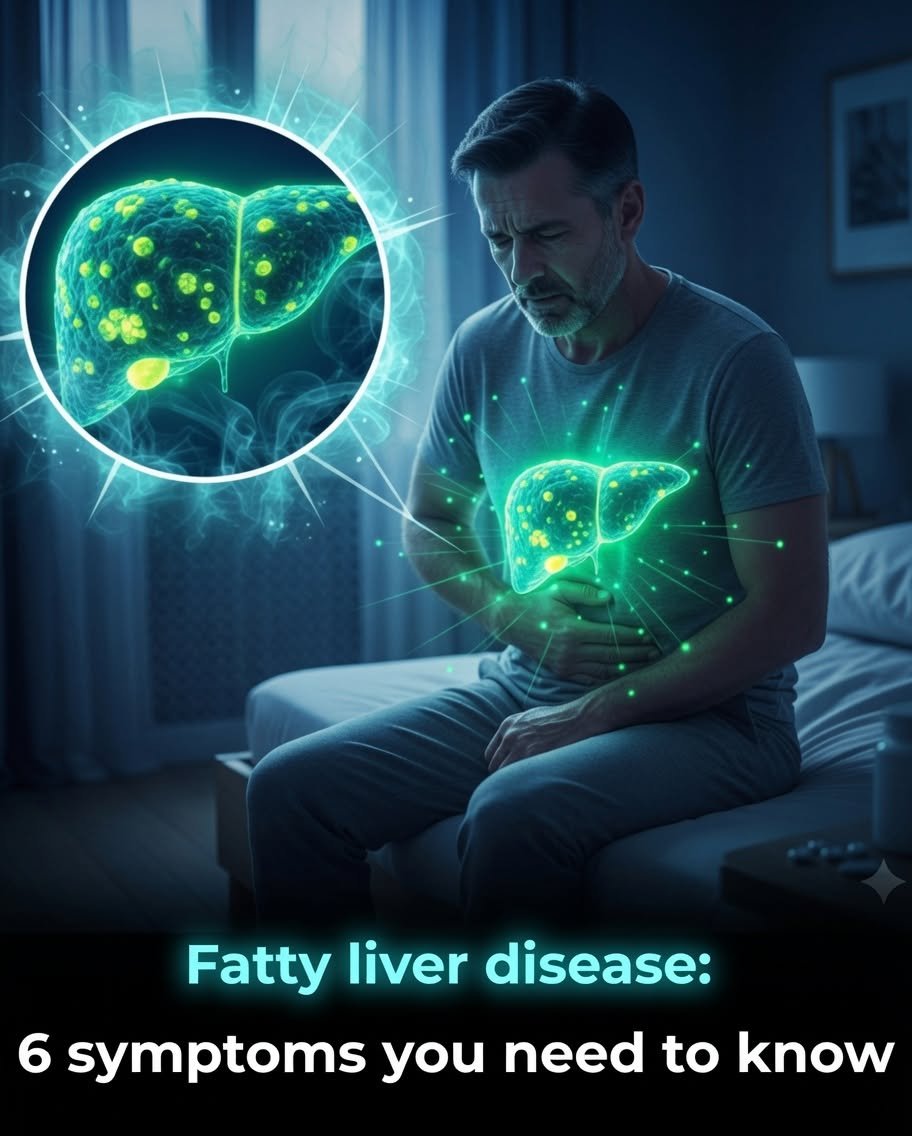
  • Fatty Liver Disease Often Starts Quietly—Watch for These 6 Symptoms

    Fatty Liver Disease Often Starts Quietly—Watch for These 6 Symptoms

    Fatty liver disease, now commonly referred to as metabolic dysfunction-associated steatotic liver disease (MASLD) when linked to metabolic factors, can develop with remarkably few symptoms. In fact, many people discover they have it only after routine blood tests or imaging for another reason. When symptoms do occur, six changes worth paying attention to are 1) persistent fatigue, 2) feeling generally unwell, 3) discomfort or pain in the upper-right abdomen, 4) reduced appetite, 5) unexplained itching, and 6) yellowing of the skin or whites of the eyes. The first three are more typical of fatty liver itself, while itching and jaundice are more concerning for advanced liver disease or complications rather than simple fat accumulation. Importantly, none of these symptoms proves that someone has fatty liver, because many other conditions can cause similar complaints.

    Certain people have a higher risk, particularly those with overweight or obesity, type 2 diabetes, insulin resistance, high triglycerides or cholesterol, high blood pressure, or metabolic syndrome. As fatty liver progresses in some individuals, inflammation and scarring can develop. Advanced liver disease may cause additional signs such as swelling of the abdomen or legs, spider-like blood vessels, muscle loss, confusion, or significant yellowing of the skin and eyes. Because symptoms are often absent or nonspecific, doctors may use medical history, physical examination, blood tests, and imaging to investigate suspected fatty liver. An ultrasound can show fat in the liver, while blood-test results and additional assessments may help determine whether significant liver fibrosis is present.

    The good news is that early fatty liver can often be improved through lifestyle changes, particularly when excess weight or metabolic health problems contribute to it. Doctors may recommend gradual weight loss when appropriate, regular physical activity, portion control, and a balanced eating pattern rich in vegetables, fruits, whole grains, and healthier unsaturated fats while limiting excess saturated fat and sugary drinks. If you have persistent fatigue, upper-right abdominal discomfort, unexplained jaundice, swelling, or known risk factors for fatty liver, speak with a healthcare professional rather than trying to diagnose yourself from symptoms. Disclaimer: This article is for general educational and health information only and does not constitute medical diagnosis, treatment, or personalized advice. Fatty liver often causes no symptoms, and the symptoms listed can have many other causes. Always verify important health information through reliable medical sources and consult a qualified healthcare professional for appropriate testing and guidance.

  • Drinking Coffee? Avoid These 6 Foods for Better Digestion and Nutrient Absorption

    Drinking Coffee? Avoid These 6 Foods for Better Digestion and Nutrient Absorption

    Coffee can be part of a healthy diet for many people, but what you eat around your coffee may matter depending on your digestion and nutritional needs. Coffee and caffeine can stimulate stomach activity, and some people experience heartburn, reflux, bloating, or bowel changes after drinking it. Six categories worth considering are iron-rich foods, very spicy foods, highly acidic foods, high-fat fried foods, large amounts of added sugar, and certain mineral-rich supplements taken alongside coffee. The most evidence-based concern is iron: coffee contains polyphenols that can reduce the absorption of non-heme iron when consumed around a meal. A controlled study found that coffee taken with a meal significantly reduced iron absorption, while delaying coffee by about an hour reduced the effect. (pubmed.ncbi.nlm.nih.gov) This does not mean healthy people must stop eating iron-rich foods or drinking coffee; it may simply be worth separating coffee from iron-focused meals or supplements if iron deficiency is a concern.

    People who experience acid reflux or sensitive digestion may also want to be selective about what they pair with coffee. Spicy foods, high-fat meals, chocolate, and acidic foods can aggravate reflux symptoms in some individuals, although triggers vary considerably from person to person. The National Institute of Diabetes and Digestive and Kidney Diseases recommends identifying and avoiding foods or drinks that worsen an individual’s GERD symptoms rather than assuming that every person needs the same restrictions. (niddk.nih.gov) Adding large amounts of sugar or calorie-dense creamers can also turn an otherwise simple drink into a much higher-calorie beverage. If coffee causes stomach discomfort, try drinking a smaller amount, avoiding it on an empty stomach, or switching to a less acidic preparation. Importantly, there is no universal list of six foods that everyone must avoid with coffee; the appropriate choices depend on your symptoms, diet, and health status.

    For better nutrient absorption, the most practical strategy is to focus on the overall eating pattern rather than fearing specific food combinations. If you have iron-deficiency anemia or low iron stores, discuss coffee timing with your healthcare professional and consider separating coffee from iron-rich meals or prescribed iron supplements. Vitamin C-rich foods such as citrus fruits, peppers, tomatoes, and broccoli can help improve absorption of non-heme iron when eaten as part of the same meal. (ods.od.nih.gov) If coffee consistently causes severe heartburn, abdominal pain, diarrhea, vomiting, or other persistent digestive symptoms, speak with a healthcare professional rather than simply eliminating multiple nutritious foods. Disclaimer: This article is for general nutritional and digestive-health information only and does not constitute medical diagnosis, treatment, or personalized dietary advice. Coffee does not automatically interfere with all nutrients, and most people do not need to avoid specific foods simply because they drink coffee. Always verify nutrition claims through reliable medical sources and consult a qualified healthcare professional if you have iron deficiency, persistent digestive symptoms, or another medical condition.

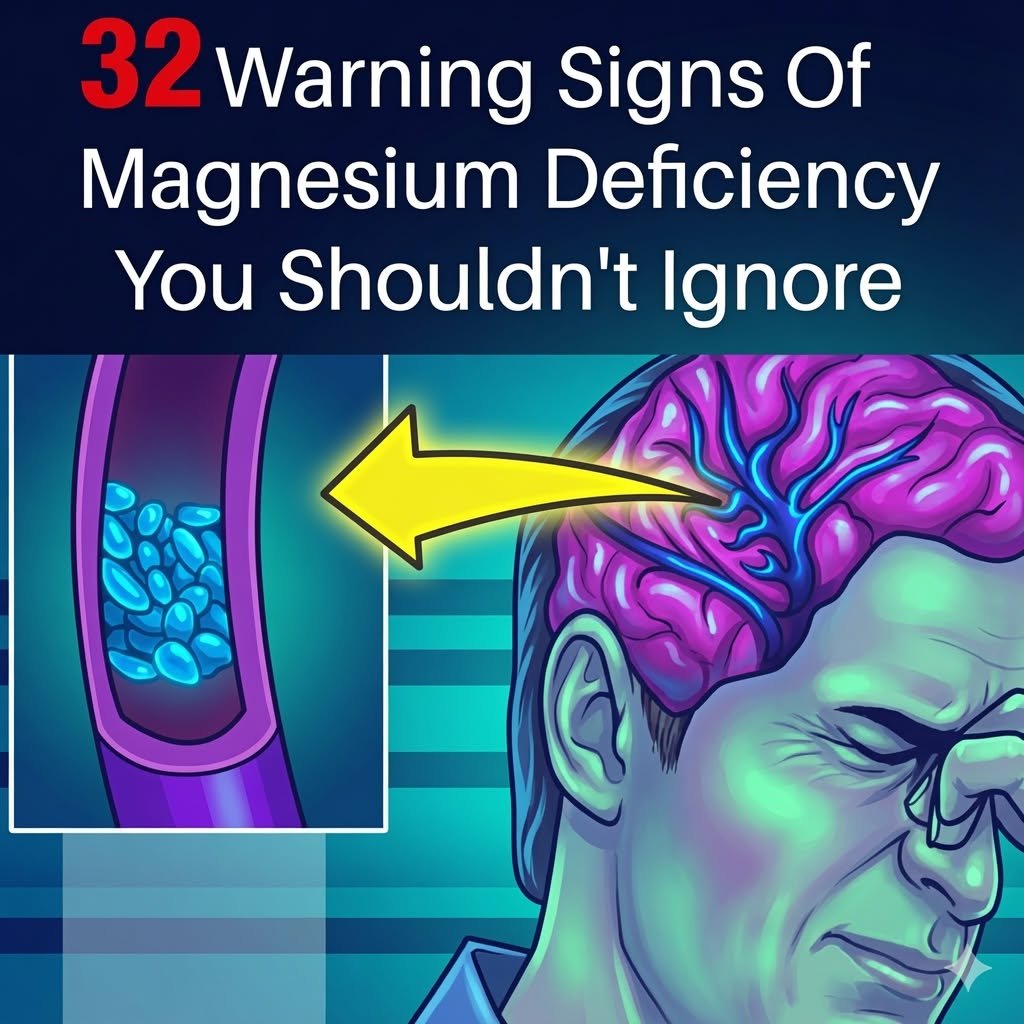
  • Magnesium Deficiency Can Impact Your Entire Body — 32 Warning Signs You Shouldn’t Ignore

    Magnesium Deficiency Can Impact Your Entire Body — 32 Warning Signs You Shouldn’t Ignore

    Magnesium is an essential mineral involved in muscle and nerve function, blood-sugar regulation, blood-pressure control, and the production of protein, bone, and DNA. Although mild dietary inadequacy may cause no obvious symptoms, significant magnesium deficiency can affect multiple body systems. Potential warning signs associated with magnesium deficiency include 1) loss of appetite, 2) nausea, 3) vomiting, 4) fatigue, 5) weakness, 6) numbness, 7) tingling or “pins and needles,” 8) muscle cramps, 9) muscle spasms, 10) muscle twitching, 11) tremors, 12) increased reflexes, 13) abnormal muscle contractions, 14) sleepiness or lethargy, 15) personality changes, 16) irritability or other neurological changes, 17) abnormal heart rhythms, 18) coronary spasms, 19) tetany or involuntary muscle tightening, 20) seizures, and 21) symptoms related to accompanying low calcium or potassium levels. Severe deficiency can disturb other electrolytes and become medically serious. It is important to understand that this is not a diagnostic checklist: many of these symptoms are common and can result from dehydration, medication effects, other nutrient deficiencies, thyroid disorders, neurological conditions, or numerous other causes.

    Certain people are more likely to develop clinically significant magnesium deficiency. These include people with gastrointestinal conditions that interfere with absorption, chronic diarrhea, type 2 diabetes, long-term heavy alcohol use, and some older adults. Certain medicines can also contribute, including some diuretics and long-term use of proton-pump inhibitors, while some chemotherapy and other medications can increase magnesium loss. The remaining signs sometimes attributed to magnesium deficiency online—such as headaches, anxiety, poor concentration, constipation, high blood pressure, irregular sleep, or generalized body aches—should be treated cautiously because they are not specific enough to establish deficiency on their own. A blood magnesium measurement is commonly used when hypomagnesemia is suspected, although clinicians may also assess calcium, potassium, kidney function, medications, diet, and the underlying cause. Simply having one or several symptoms does not mean you need a magnesium supplement.

    The safest approach is to get magnesium primarily from a varied diet rather than automatically taking high-dose supplements. Foods such as leafy green vegetables, nuts, seeds, whole grains, beans, and other legumes can provide meaningful amounts of magnesium. For adults, the recommended intake is generally around 310–420 mg per day depending on age and sex, while the tolerable upper limit for magnesium from supplements and medications is 350 mg per day for adults unless a healthcare professional recommends otherwise. Excess supplemental magnesium can cause diarrhea, nausea, and abdominal cramping, while extremely high amounts can cause dangerous low blood pressure, breathing problems, abnormal heart rhythms, and cardiac arrest. Disclaimer: This article is for general educational and nutritional information only and does not constitute medical diagnosis, treatment, or personalized advice. Magnesium deficiency cannot be diagnosed from symptoms alone, and many listed symptoms have other possible causes. Severe weakness, seizures, significant muscle spasms, or abnormal heart rhythms require prompt medical evaluation. Always verify health information through reliable medical sources and consult a qualified healthcare professional before starting magnesium supplements, particularly if you take medications or have kidney problems.

  • Looking for Constipation Relief? Try These Simple and Effective Home Solutions…

    Looking for Constipation Relief? Try These Simple and Effective Home Solutions…

    Constipation can be uncomfortable, but simple lifestyle changes often help when the problem is mild and temporary. Common signs include having fewer than three bowel movements per week, passing hard or dry stools, straining, or feeling that your bowel movement was incomplete. One of the most useful approaches is gradually increasing dietary fiber. Adults generally need around 22–34 grams of fiber daily, depending on age and sex. Good choices include oats and other whole grains, beans and lentils, pears, apples with their skin, berries, vegetables, nuts, and seeds. Increase fiber slowly rather than suddenly, because a rapid increase can cause gas and bloating. Drinking enough fluids is also important because water and other liquids help fiber work more effectively and can make stools softer and easier to pass.

    Movement can also support regular bowel habits. A daily walk or other comfortable physical activity may help keep your digestive system moving, particularly if constipation is related to a sedentary routine. Try not to repeatedly ignore the urge to have a bowel movement, and consider establishing a consistent bathroom routine, such as allowing yourself unhurried time after a meal. Keeping track of your bowel movements, foods, fluids, and medications can also help you identify patterns. Some medicines and supplements—including certain antacids, iron supplements, opioid pain medicines, and some other prescription drugs—can contribute to constipation, so if the problem began after starting a medication, speak with your healthcare professional rather than stopping it yourself.

    Most importantly, don’t rely on home remedies indefinitely if constipation persists or keeps returning. Seek medical advice if self-care does not improve your symptoms. You should seek prompt medical attention if constipation occurs with rectal bleeding or blood in the stool, constant abdominal pain, inability to pass gas, vomiting, fever, unexplained weight loss, or significant lower-back pain. These symptoms can sometimes indicate a condition requiring medical evaluation. For ordinary constipation, focus on gradual fiber intake, adequate hydration, regular movement, and healthy bathroom habits rather than aggressive “detox” remedies or excessive laxative use. Disclaimer: This article is for general educational and health information only and does not constitute medical diagnosis, treatment, or personalized medical advice. Constipation can have many causes, and the appropriate treatment varies from person to person. Always verify important health information through reliable medical sources and consult a qualified healthcare professional if symptoms persist, worsen, or occur with warning signs.