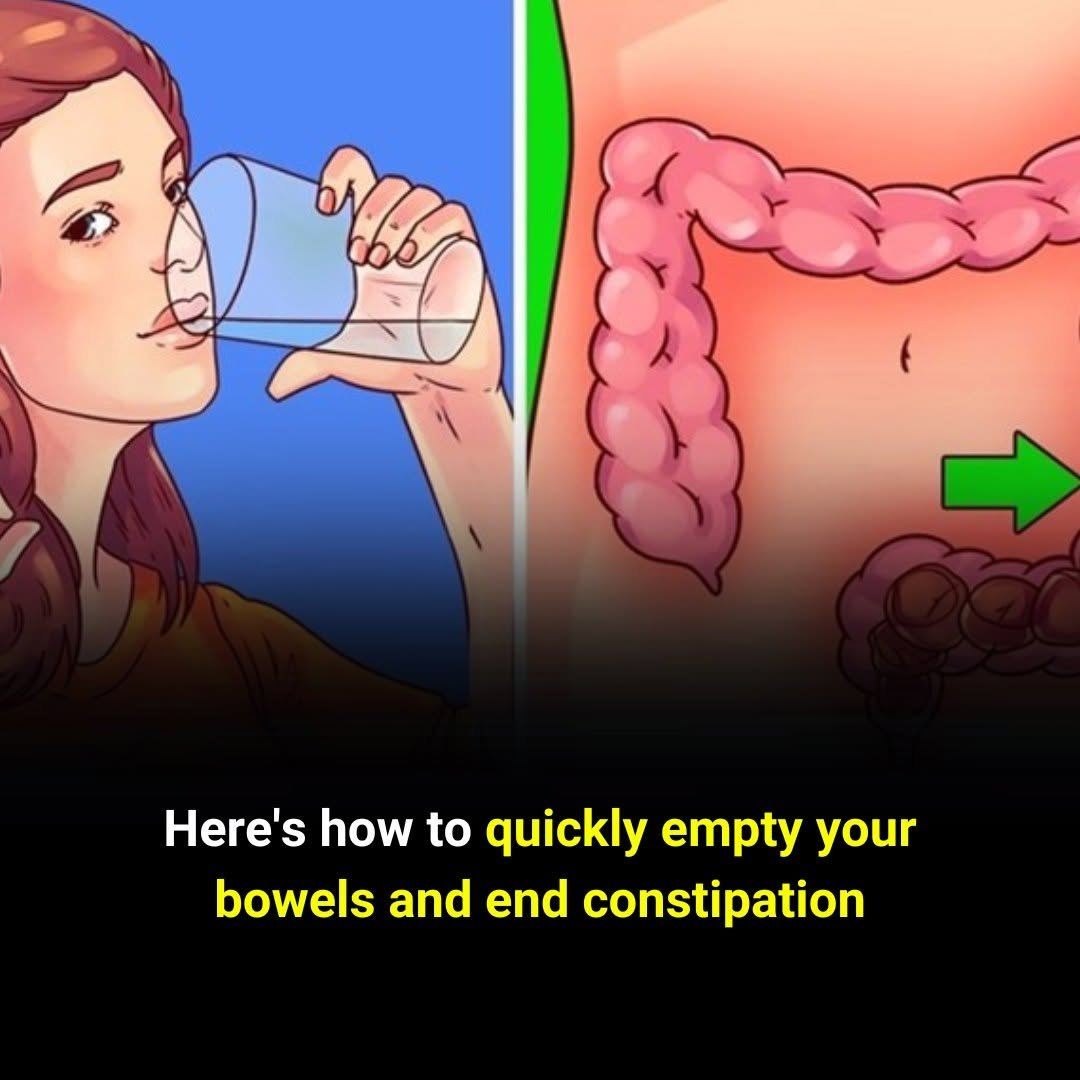
Constipation can be uncomfortable, but simple lifestyle changes often help when the problem is mild and temporary. Common signs include having fewer than three bowel movements per week, passing hard or dry stools, straining, or feeling that your bowel movement was incomplete. One of the most useful approaches is gradually increasing dietary fiber. Adults generally need around 22–34 grams of fiber daily, depending on age and sex. Good choices include oats and other whole grains, beans and lentils, pears, apples with their skin, berries, vegetables, nuts, and seeds. Increase fiber slowly rather than suddenly, because a rapid increase can cause gas and bloating. Drinking enough fluids is also important because water and other liquids help fiber work more effectively and can make stools softer and easier to pass.
Movement can also support regular bowel habits. A daily walk or other comfortable physical activity may help keep your digestive system moving, particularly if constipation is related to a sedentary routine. Try not to repeatedly ignore the urge to have a bowel movement, and consider establishing a consistent bathroom routine, such as allowing yourself unhurried time after a meal. Keeping track of your bowel movements, foods, fluids, and medications can also help you identify patterns. Some medicines and supplements—including certain antacids, iron supplements, opioid pain medicines, and some other prescription drugs—can contribute to constipation, so if the problem began after starting a medication, speak with your healthcare professional rather than stopping it yourself.
Most importantly, don’t rely on home remedies indefinitely if constipation persists or keeps returning. Seek medical advice if self-care does not improve your symptoms. You should seek prompt medical attention if constipation occurs with rectal bleeding or blood in the stool, constant abdominal pain, inability to pass gas, vomiting, fever, unexplained weight loss, or significant lower-back pain. These symptoms can sometimes indicate a condition requiring medical evaluation. For ordinary constipation, focus on gradual fiber intake, adequate hydration, regular movement, and healthy bathroom habits rather than aggressive “detox” remedies or excessive laxative use. Disclaimer: This article is for general educational and health information only and does not constitute medical diagnosis, treatment, or personalized medical advice. Constipation can have many causes, and the appropriate treatment varies from person to person. Always verify important health information through reliable medical sources and consult a qualified healthcare professional if symptoms persist, worsen, or occur with warning signs.
Leave a Reply