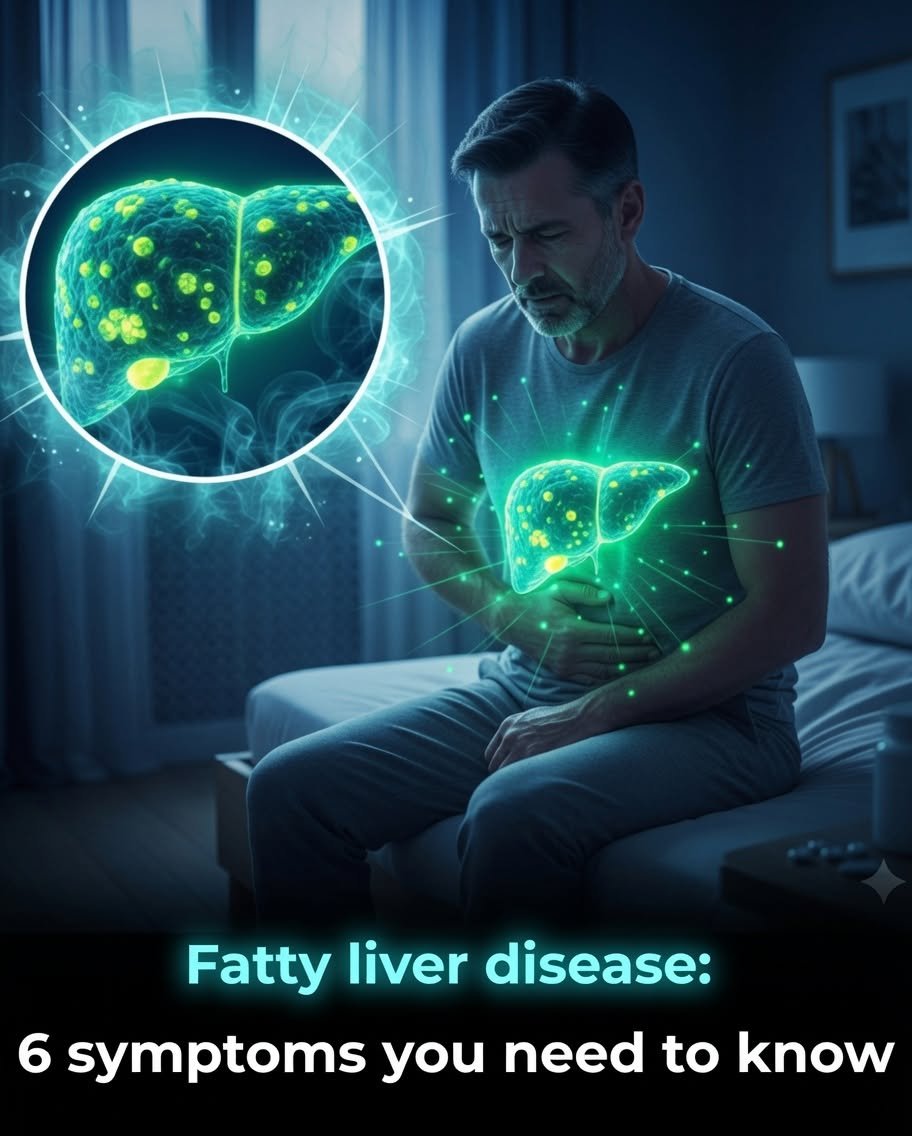
Fatty liver disease, now commonly referred to as metabolic dysfunction-associated steatotic liver disease (MASLD) when linked to metabolic factors, can develop with remarkably few symptoms. In fact, many people discover they have it only after routine blood tests or imaging for another reason. When symptoms do occur, six changes worth paying attention to are 1) persistent fatigue, 2) feeling generally unwell, 3) discomfort or pain in the upper-right abdomen, 4) reduced appetite, 5) unexplained itching, and 6) yellowing of the skin or whites of the eyes. The first three are more typical of fatty liver itself, while itching and jaundice are more concerning for advanced liver disease or complications rather than simple fat accumulation. Importantly, none of these symptoms proves that someone has fatty liver, because many other conditions can cause similar complaints.
Certain people have a higher risk, particularly those with overweight or obesity, type 2 diabetes, insulin resistance, high triglycerides or cholesterol, high blood pressure, or metabolic syndrome. As fatty liver progresses in some individuals, inflammation and scarring can develop. Advanced liver disease may cause additional signs such as swelling of the abdomen or legs, spider-like blood vessels, muscle loss, confusion, or significant yellowing of the skin and eyes. Because symptoms are often absent or nonspecific, doctors may use medical history, physical examination, blood tests, and imaging to investigate suspected fatty liver. An ultrasound can show fat in the liver, while blood-test results and additional assessments may help determine whether significant liver fibrosis is present.
The good news is that early fatty liver can often be improved through lifestyle changes, particularly when excess weight or metabolic health problems contribute to it. Doctors may recommend gradual weight loss when appropriate, regular physical activity, portion control, and a balanced eating pattern rich in vegetables, fruits, whole grains, and healthier unsaturated fats while limiting excess saturated fat and sugary drinks. If you have persistent fatigue, upper-right abdominal discomfort, unexplained jaundice, swelling, or known risk factors for fatty liver, speak with a healthcare professional rather than trying to diagnose yourself from symptoms. Disclaimer: This article is for general educational and health information only and does not constitute medical diagnosis, treatment, or personalized advice. Fatty liver often causes no symptoms, and the symptoms listed can have many other causes. Always verify important health information through reliable medical sources and consult a qualified healthcare professional for appropriate testing and guidance.
Leave a Reply