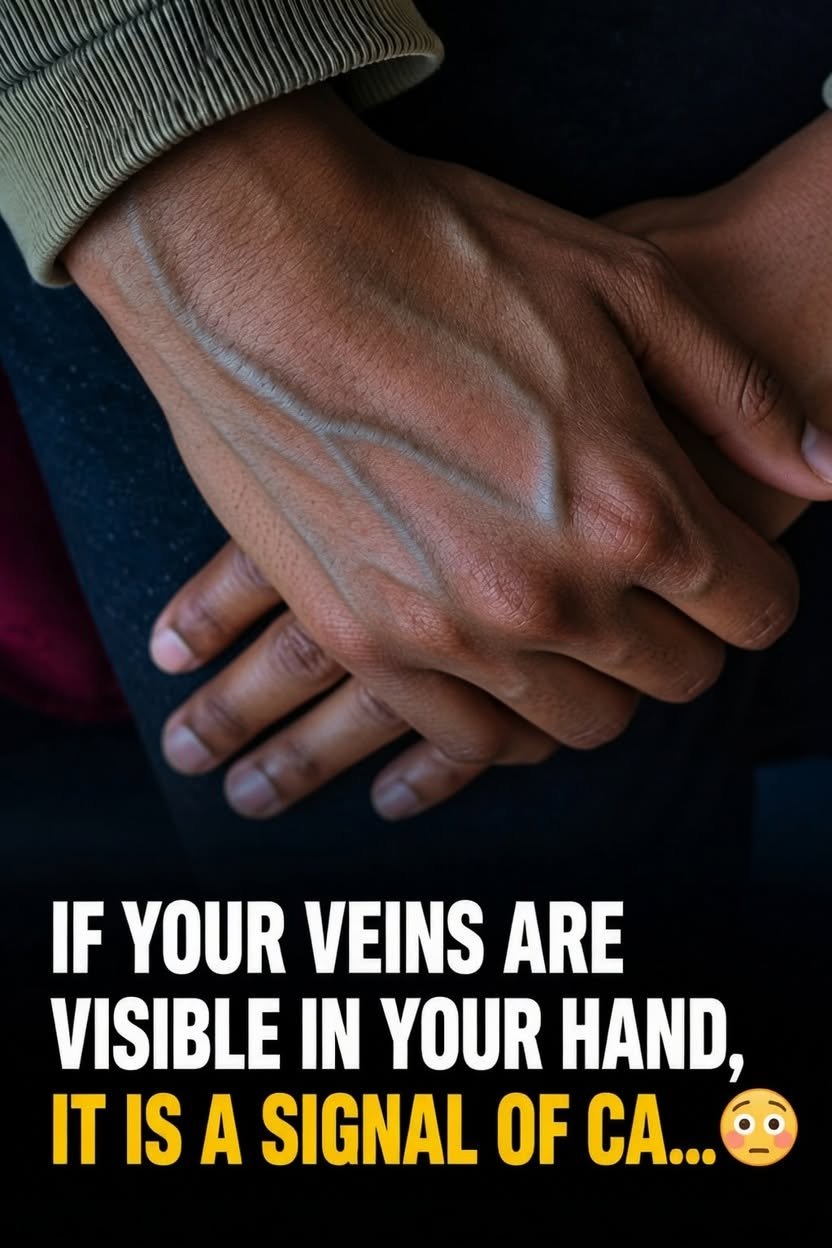
Visible veins can look alarming, but in many cases they are simply a normal feature of your body. Veins can become more noticeable when body fat decreases, muscle mass increases, you exercise intensely, or your skin becomes thinner with age. Genetics also plays an important role, so some people naturally have prominent veins on their hands, arms, legs, or feet. During exercise, increased blood flow can temporarily make superficial veins appear larger, while lower body-fat levels can make them easier to see beneath the skin. Therefore, prominent veins do not automatically indicate poor circulation, heart disease, or another serious medical problem. However, a new or significant change in the appearance of your veins is worth paying attention to, particularly when it occurs alongside pain, swelling, warmth, or changes in skin color.
One common explanation for enlarged, twisted veins in the legs is varicose veins. These develop when valves inside the veins do not function properly, allowing blood to pool and increase pressure within the vessel. They can appear blue or purple and may cause aching, heaviness, itching, swelling, or discomfort that becomes worse after prolonged standing or sitting. Risk factors include increasing age, family history, pregnancy, excess weight, and spending long periods sitting or standing. Most varicose veins are not dangerous, but persistent symptoms, skin changes, bleeding, or sores that do not heal should be assessed by a healthcare professional. Maintaining regular physical activity, avoiding prolonged inactivity, maintaining a healthy weight, and elevating the legs when appropriate may help support healthy circulation and reduce symptoms.
The situation becomes more urgent when prominent veins appear suddenly together with swelling, pain, warmth, redness, or discoloration in one arm or leg. These symptoms can occur with deep vein thrombosis (DVT), a blood clot that develops in a deep vein and can potentially travel to the lungs. If possible blood-clot symptoms are accompanied by sudden shortness of breath, chest pain, coughing up blood, severe lightheadedness, or fainting, emergency medical attention is required because these can be signs of a pulmonary embolism. The key message is that visible veins alone are often harmless, but new, painful, swollen, or rapidly changing veins should not be ignored. Disclaimer: This article is for general educational and informational purposes only and does not constitute medical advice, diagnosis, or treatment. Visible veins can have many causes, and their appearance alone cannot establish a diagnosis. Always verify health information through reliable medical sources and consult a qualified healthcare professional for persistent or concerning symptoms.
Leave a Reply