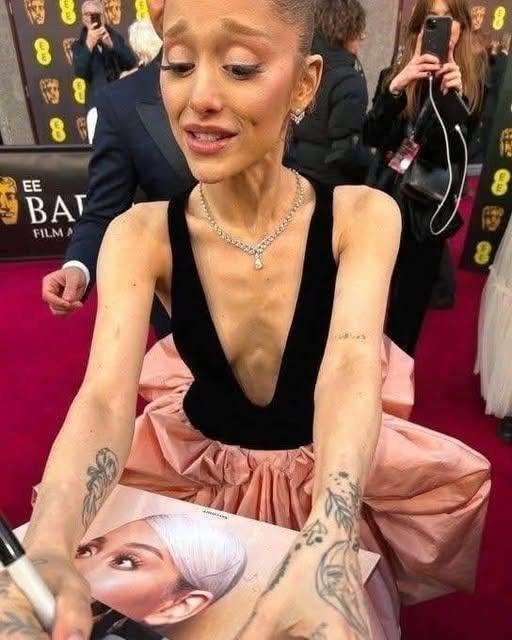
Digital media platforms frequently feature public event photographs of globally recognized entertainment figures paired with alarming, incomplete headlines—such as alleging that singer and actress Ariana Grande has suddenly broken her silence to confirm a positive test result. These viral graphics are specifically engineered to provoke intense pop-culture curiosity, medical anxiety, and rapid online comment sharing rather than reporting verified, evidence-based news.
From a media literacy and digital forensics perspective, the visual material paired with these posts typically originates from high-profile public appearances, such as the EE BAFTA Film Awards red carpet. Content-farming networks systematically take real press imagery and apply digital filters, lighting alterations, or uncanny facial edits to exaggerate physical features. They then attach open-ended, sensationalized phrasing—such as “tested positive for…” left deliberately incomplete—to trick readers into assuming critical medical diagnoses or personal emergencies. This manipulative strategy is designed to drive social media users toward ad-monetized websites or engagement traps that contain no underlying substantiation.
Evaluating digital pop-culture reporting effectively requires cross-referencing health and personal claims through official statements, primary press representatives, or established journalistic institutions rather than trusting sensationalized social media teasers. Recognizing how digital content creators alter visual media to exploit public interest remains crucial for navigating online information. If you are interested in verified updates regarding public figures, consulting primary press releases and accredited news organizations provides clear, objective, and accurate context.
Leave a Reply