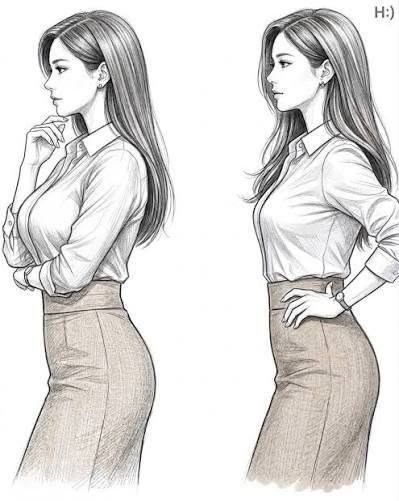
Digital media platforms frequently feature stylized illustrations or comparison drawings paired with incomplete, sensationalized headlines—such as claiming that a woman’s breast size correlates directly with internal anatomy, fertility, or intimate physiological traits. These viral posts are specifically engineered to provoke curiosity, body anxiety, and rapid online comment sharing rather than providing accurate, evidence-based anatomical or medical education.
From a clinical anatomy and endocrinology perspective, breast size is primarily determined by a combination of genetics, overall body fat distribution, glandular tissue proportion, and hormonal influences throughout life. External body proportions have no scientific or anatomical correlation with internal reproductive structures, physiological functionality, or personal traits. Sensationalized online content routinely invents pseudo-scientific correlations and relies on incomplete text prompts to manufacture curiosity, drive clicks, and maximize digital engagement metrics.
Promoting health literacy and body positivity involves understanding human anatomical variation through established medical science rather than unverified internet myths. Body structure and physical development are most accurately evaluated through evidence-based medical literature and professional healthcare consultations. If you have questions regarding reproductive health, hormonal balance, or physical development, consulting a qualified physician or gynecologist provides clear, safe, and accurate guidance.
Leave a Reply