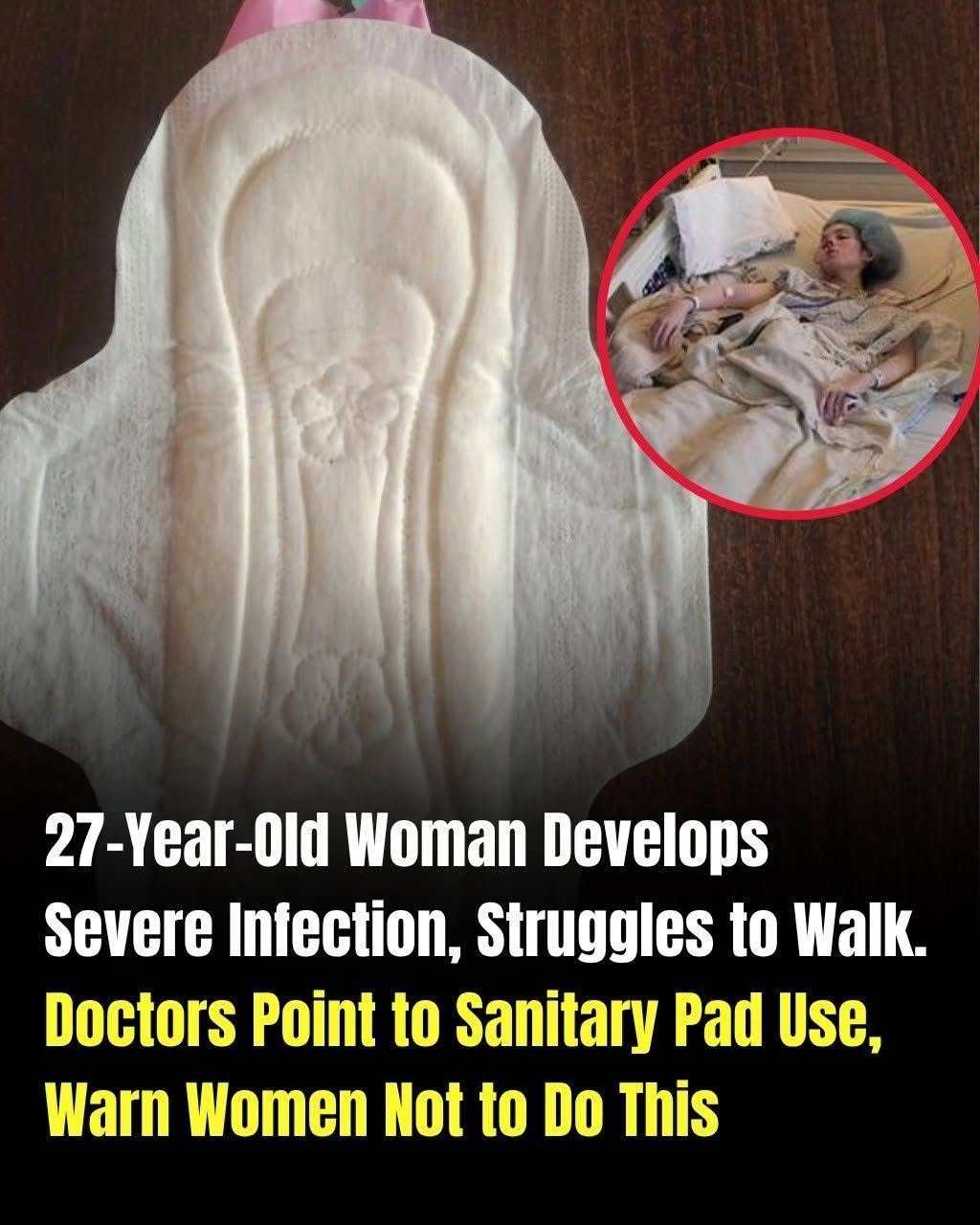
Digital media platforms frequently feature stark medical imagery—such as a sanitary pad paired with an inset hospital bed photo—accompanied by sensationalized headlines like “27-Year-Old Woman Develops Severe Infection, Struggles to Walk. Doctors Point to Sanitary Pad Use, Warn Women Not to Do This”. These viral posts rely on severe scaremongering, bodily anxiety hooks, and generalized medical warnings to bypass content moderation filters, incite intense fear regarding routine menstrual products, and drive rapid social media sharing and ad-monetized click-through rates rather than offering accurate gynecological or infectious disease education.
From a gynecological and infectious disease perspective, sanitary pads are safe, standard menstrual hygiene products that do not inherently cause severe systemic infections or mobility-limiting complications when used correctly. While severe conditions like Toxic Shock Syndrome (TSS)—often linked to bacterial toxins from Staphylococcus aureus or Streptococcus pyogenes—are most commonly associated with prolonged tampon use or improper internal device management, severe infections related to external sanitary pads typically stem from extreme neglect, prolonged wear beyond recommended hygiene windows in unsanitary conditions, or pre-existing dermatological breaks that allow secondary bacterial colonization. Content-farming networks systematically take rare, exceptional medical cases or hygiene negligence scenarios and generalize them into terrifying warnings against basic sanitary products to manipulate platform algorithms and maximize digital ad revenue.
Practicing effective menstrual hygiene and safeguarding reproductive health relies on standard hygiene practices and evidence-based clinical guidance rather than avoiding sanitary pads out of fear. Recommended protocols include changing external pads regularly (every 4 to 6 hours depending on flow), washing hands thoroughly before and after handling menstrual products, maintaining proper genital hygiene, and seeking prompt medical evaluation for unusual pain, swelling, rashes, or systemic symptoms like fever. Understanding how clickbait algorithms weaponize reproductive health concerns helps consumers approach online medical claims with critical media literacy. For verified guidance on feminine hygiene, gynecological health, or infection prevention, consulting board-certified obstetrician-gynecologists (OB-GYNs) or primary care physicians provides authoritative, scientifically grounded care.
Leave a Reply