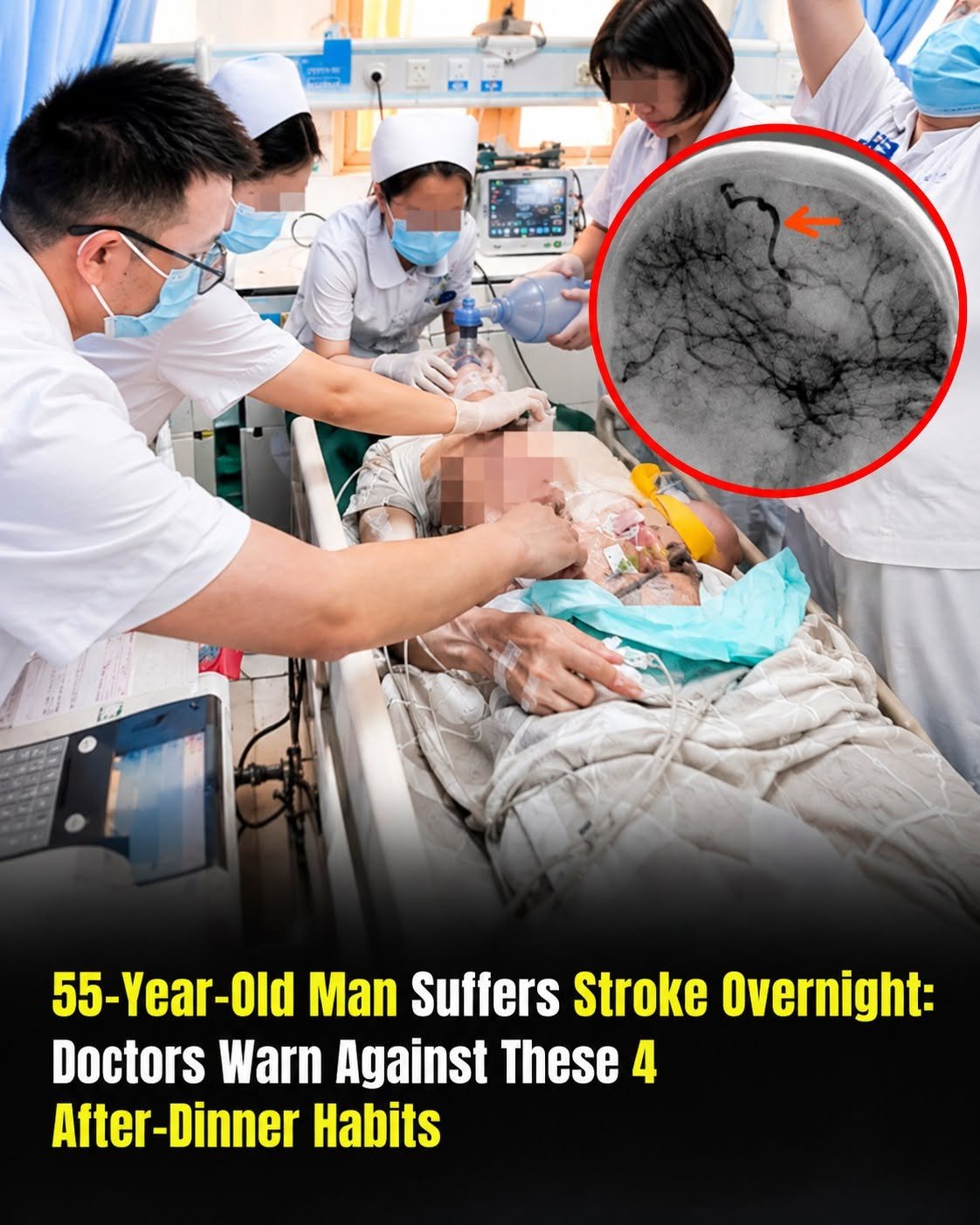
Digital media platforms frequently feature dramatic hospital photography paired with alarmist clickbait headlines—such as claiming that specific after-dinner evening habits routinely trigger sudden overnight strokes in middle-aged adults. These viral posts are specifically engineered to provoke health anxiety, fear, and rapid online sharing rather than providing accurate, evidence-based clinical or neurological education.
From a clinical neurology and cardiovascular medicine perspective, strokes are complex medical emergencies typically caused by acute cerebrovascular ischemia (blood clots blocking blood vessels in the brain) or hemorrhage. While long-term cardiovascular health is heavily influenced by cumulative lifestyle factors—such as maintaining healthy blood pressure, managing diabetes, avoiding smoking, eating a balanced diet, and exercising regularly—a single minor evening routine does not directly or universally cause sudden stroke in the manner sensationalized online. Content farms frequently exploit frightening medical scenarios to maximize digital engagement metrics and ad revenue.
Promoting long-term cardiovascular and cerebrovascular health involves managing established medical risk factors, attending routine clinical checkups, maintaining balanced daily habits, and relying on professional medical guidance rather than alarming internet generalizations. Personal health decisions should always be grounded in verified scientific data and professional clinical evaluations. If you experience sudden neurological symptoms—such as facial drooping, arm weakness, or speech difficulties—seeking immediate emergency medical care is critical.
Leave a Reply