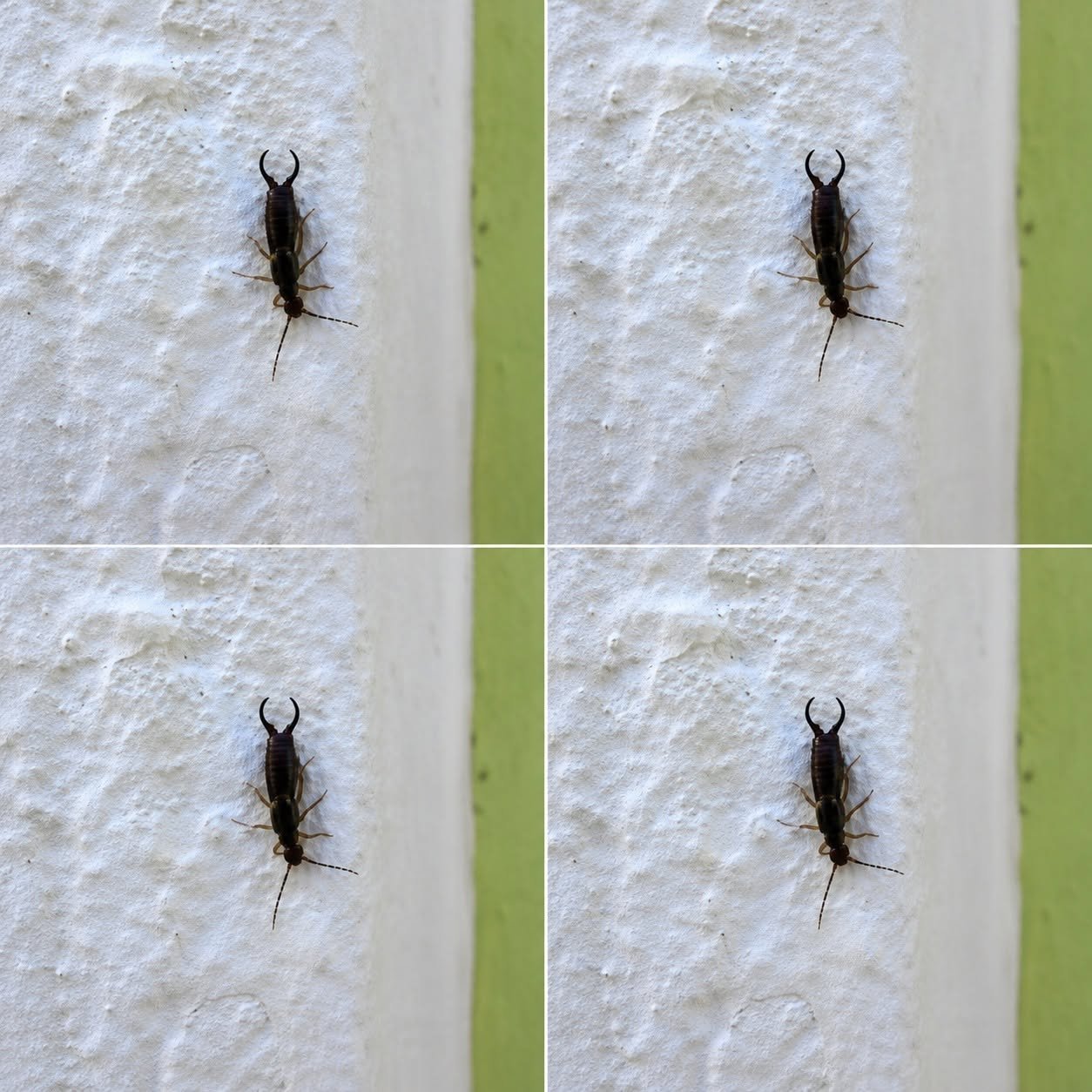
Digital media platforms frequently feature tiled macro-photography of unfamiliar insects—such as an earwig crawling on a light-colored wall—paired with ominous, suspense-driven headlines like “Warning! If you have found this insect in your home, it’s a sign that you need to…”. These viral posts rely on domestic hazard hooks, insect phobia exploitation, and cliffhanger sentence truncation to bypass content moderation filters, incite alarm and heavy speculation in comment sections, and drive rapid social media sharing and ad-monetized click-through rates rather than offering accurate entomological or pest control education.
817540392_1412634954294537_5092225309393388657_n.jpg+ 1
From an entomology and pest management perspective, the insect pictured is an earwig (order Dermaptera), easily recognizable by the distinctive pincer-like appendages (cerci) at their rear. Earwigs are naturally occurring moisture-loving insects that thrive in damp, dark environments such as beneath mulch, garden stones, decaying organic matter, and leaf litter. When outdoor weather conditions become excessively dry, rainy, or cold, earwigs occasionally wander indoors seeking shelter and humidity. Despite old folklore and their intimidating appearance, earwigs do not pose a toxic danger to humans, do not carry diseases, and do not infest household structures like termites; their presence simply indicates localized moisture or nearby entry points around a foundation. Content-farming networks systematically take common, harmless household bugs and reframe them as catastrophic warning signs to manipulate recommendation algorithms and maximize digital ad revenue.
817540392_1412634954294537_5092225309393388657_n.jpg+ 2
Managing household insect encounters and maintaining a pest-free living space effectively relies on basic environmental maintenance and exclusion practices rather than succumbing to viral internet panic. Standard pest management protocols focus on reducing indoor humidity, sealing foundation cracks, repairing leaky pipes, clearing mulch and damp debris away from exterior walls, and using basic weather stripping on doors and windows. Understanding how engagement algorithms weaponize insect aversion helps consumers approach online pest warnings with critical media literacy. For verified guidance on pest control, identification, or extermination services, consulting licensed pest management professionals or agricultural extension offices provides authoritative, scientifically grounded solutions.
817540392_1412634954294537_5092225309393388657_n.jpg+ 2
Leave a Reply