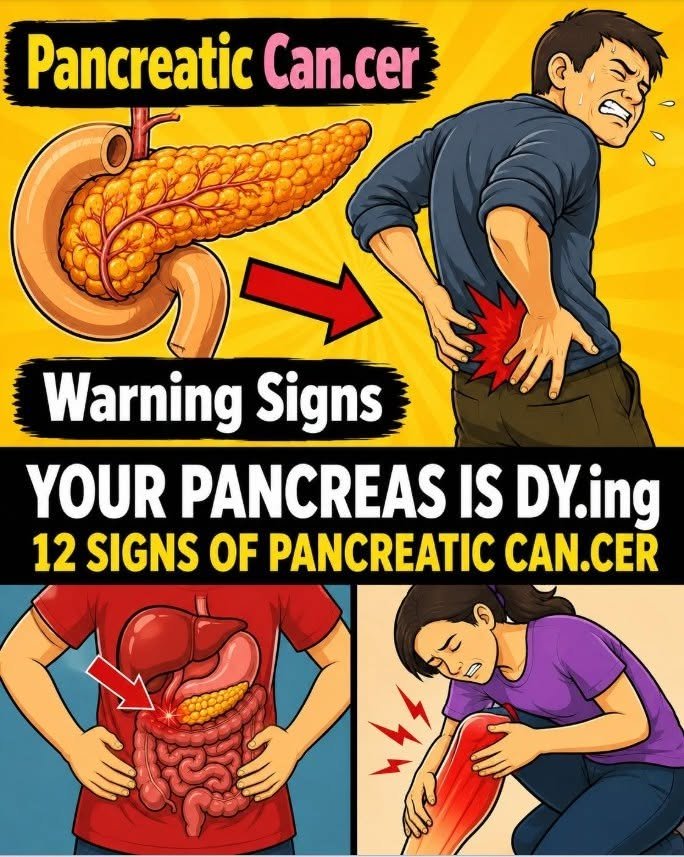
Digital media platforms frequently feature sensationalized medical illustrations paired with alarming clickbait headlines—such as claiming that “your pancreas is dy.ing” or listing generic symptoms as immediate “danger signals” of pancreatic cancer. These viral posts systematically rely on intentionally altered spelling (e.g., “Can.cer” or “DY.ing”) to bypass social media content filters while exploiting health anxieties, provoking panic, and driving rapid online comment sharing.
From a clinical gastroenterology and oncology perspective, early-stage pancreatic disease—including pancreatic ductal adenocarcinoma or chronic pancreatitis—often presents subtly and non-specifically. Clinical warning signs may include painless jaundice (yellowing of the skin and eyes), persistent upper abdominal pain radiating to the back, unexplained weight loss, new-onset diabetes, pale or floating stools, and dark urine. However, vague symptoms such as generalized leg pain or occasional back discomfort are common to numerous benign physical conditions and do not serve as standalone diagnostic proof of terminal organ failure. Content-farming networks systematically oversimplify complex diagnostic oncology into alarming, absolute claims to maximize digital engagement metrics, clicks, and ad revenue.
Maintaining pancreatic and overall digestive health requires regular clinical wellness checks, avoiding risk factors like tobacco use and heavy alcohol consumption, adhering to a balanced diet, and seeking professional medical evaluations for persistent or unexplained symptoms. Diagnostic confirmation of pancreatic conditions relies on formal medical imaging (such as contrast-enhanced CT scans or MRIs), blood biomarkers (such as CA 19-9), and tissue biopsy under physician oversight rather than online self-diagnosis. If you experience persistent abdominal discomfort, jaundice, or unexplained weight loss, consulting a licensed physician, gastroenterologist, or oncologist provides safe, evidence-based care.
Leave a Reply