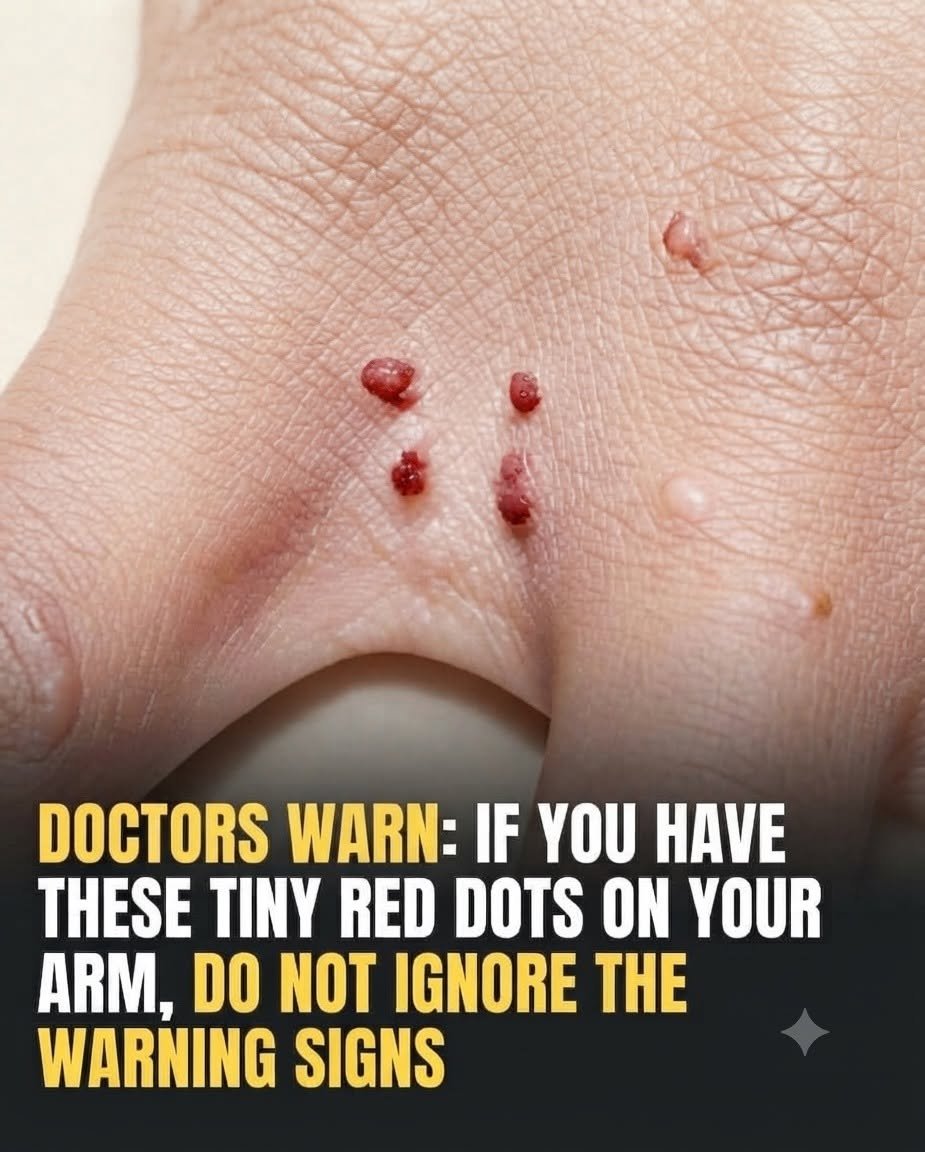
Digital media platforms frequently feature macro close-up photography of small vascular cutaneous lesions—such as bright red papules or dots on the arms, torso, or hands—paired with alarming headlines warning viewers not to ignore immediate health signs. These viral posts routinely rely on sensationalized medical framing, exaggerated physiological warnings, and open-ended curiosity hooks to provoke personal health anxieties, drive user interactions, and maximize social media engagement metrics rather than offering evidence-based dermatological guidance.
From a clinical dermatology and vascular pathology perspective, small, bright red or purple spots appearing on the skin are most commonly benign vascular proliferations known as cherry angiomas (Campbell de Morgan spots). Cherry angiomas consist of harmless, densely clustered capillaries near the skin’s surface; they are non-cancerous, asymptomatic, and frequently increase in frequency due to natural genetic factors, age, or minor hormonal shifts. Other benign causes for small red spots include petechiae (microscopic capillary bleeding often caused by light friction or coughing) or mild contact dermatitis. While a sudden, rapid eruption of widespread vascular lesions or purpura can occasionally indicate underlying systemic issues—such as severe thrombocytopenia or vascular disorders—isolated cherry angiomas are extremely common and medically harmless. Content-farming networks systematically misrepresent these common, non-threatening dermatological findings as severe organ warnings to maximize click-through rates and advertising revenue.
Managing skin health effectively requires observing changes over time using clinical assessment protocols—such as monitoring for rapid size enlargement, irregular borders, bleeding, or color asymmetry—rather than engaging in internet-driven medical alarmism. Professional dermatological evaluation utilizes dermoscopy to rapidly distinguish benign vascular growths from conditions requiring intervention. If you notice rapidly spreading cutaneous spots, unexplained systemic bruising, persistent bleeding, or changes in existing skin lesions, consulting a licensed physician or dermatologist provides accurate, individualized, and evidence-based care.
Leave a Reply