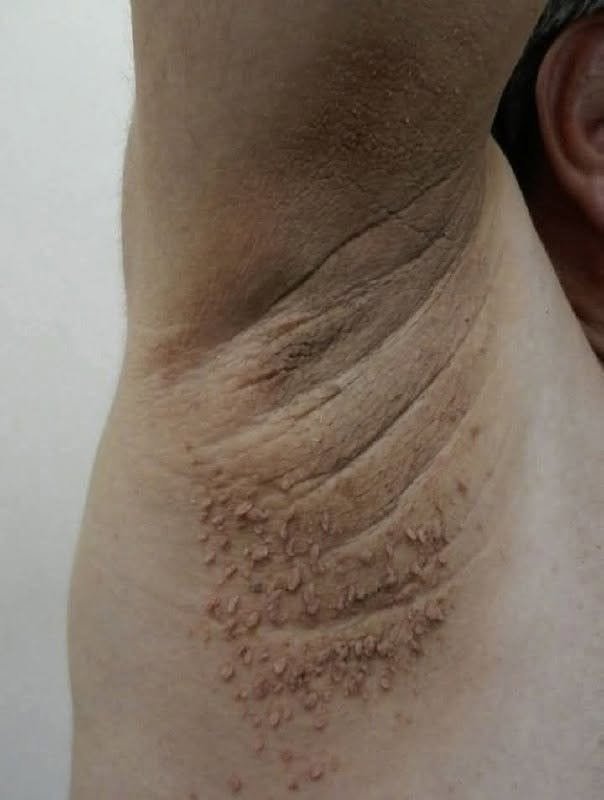
Digital media platforms frequently feature close-up photographs of localized skin changes—such as hyperpigmented, velvety skin folds or small cutaneous growths in the underarm—paired with cut-off clickbait sentences warning that these are early signs of severe diseases. These viral posts are intentionally designed to provoke medical anxiety, capture user attention, and drive rapid online comment sharing rather than providing accurate, evidence-based dermatological education.
From a clinical dermatology and endocrinology perspective, the physical presentation shown in the image involves a combination of hyperpigmentation and cutaneous changes commonly associated with conditions like acanthosis nigricans and skin tags (acrochordons). Acanthosis nigricans is characterized by dark, velvety thickening of the skin, most frequently appearing in body folds such as the axillae (armpits), neck, and groin. Clinically, it is most often linked to metabolic insulin resistance, hyperinsulinemia, obesity, or endocrine disorders like type 2 diabetes or polycystic ovary syndrome (PCOS). While less common, rapid-onset or extensive acanthosis nigricans can occasionally serve as a cutaneous marker for underlying internal malignancy. However, content-farming networks routinely exploit these medical associations to generate alarming, generalized clickbait that sensationalizes common metabolic or benign dermatological findings.
Proper evaluation of skin texture changes and hyperpigmentation requires professional clinical assessment, fasting blood glucose testing, or HbA1c panels rather than internet self-diagnosis. Managing underlying metabolic contributors through lifestyle modifications, blood sugar control, and dermatological care ensures effective, long-term health outcomes. If you notice persistent skin darkening, velvety texture changes, or new skin growths, consulting a licensed physician, dermatologist, or endocrinologist provides safe, accurate, and individualized medical guidance.
Leave a Reply