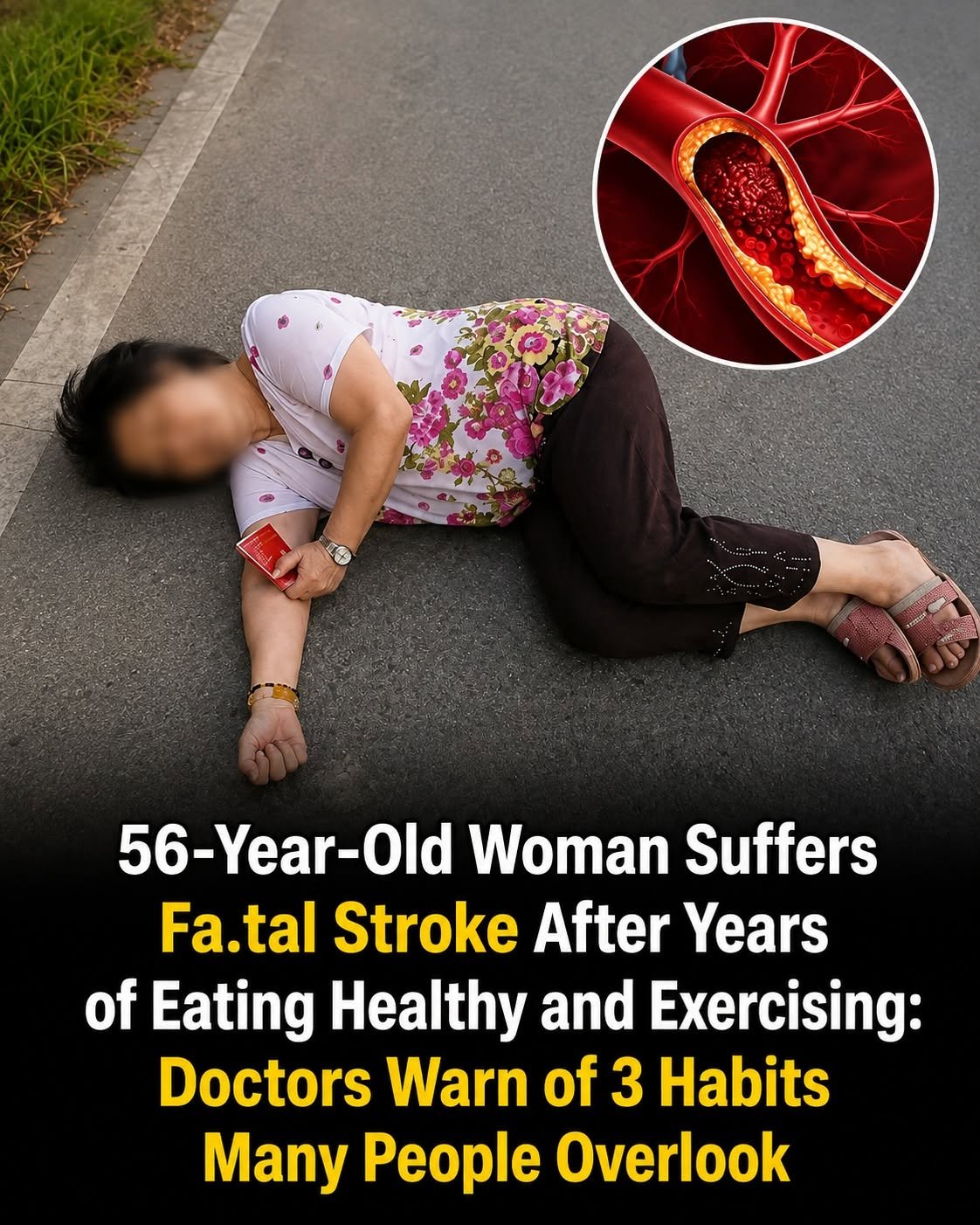
Digital media platforms frequently feature sensationalized accident graphics paired with alarming clickbait headlines—such as claiming that a 56-year-old woman suffered a fatal stroke despite years of healthy eating and exercise due to “overlooked habits”. These viral posts systematically rely on deliberate spelling evasions (e.g., “Fa.tal”) to bypass automated content moderation while exploiting health anxieties, provoking shock, and driving rapid online comment sharing rather than providing accurate, evidence-based medical education.
From a clinical neurology and cardiovascular perspective, stroke etiology is complex and multifactorial. While regular physical activity and a balanced diet significantly reduce overall cardiovascular risk, they do not completely eliminate the possibility of a cerebrovascular event. Non-modifiable risk factors—such as genetic predispositions, congenital vascular malformations, cerebral aneurysms, advanced age, or undiagnosed cardiac arrhythmias like atrial fibrillation—can trigger ischemic or hemorrhagic strokes independent of exercise routines. Additionally, unmanaged hypertension, chronic stress, or subclinical hypercoagulability can persist undetected despite healthy lifestyle habits. Content-farming networks routinely weaponize tragic or fabricated medical scenarios into sensationalized “secret habit warnings” to maximize digital engagement metrics, click-through rates, and ad revenue.
Maintaining cardiovascular and cerebrovascular health requires comprehensive risk management beyond diet and exercise alone. This includes routine blood pressure monitoring, screening for lipid abnormalities and atrial fibrillation, managing stress, avoiding tobacco, and seeking prompt evaluation for neurological symptoms (such as sudden facial drooping, arm weakness, or speech difficulty). Cardiovascular disease prevention relies on individualized clinical diagnostic assessments rather than unverified online advice. If you have concerns about your stroke risk factors, personal medical history, or preventive health management, consulting a licensed physician, neurologist, or cardiologist provides safe, evidence-based care.
Leave a Reply