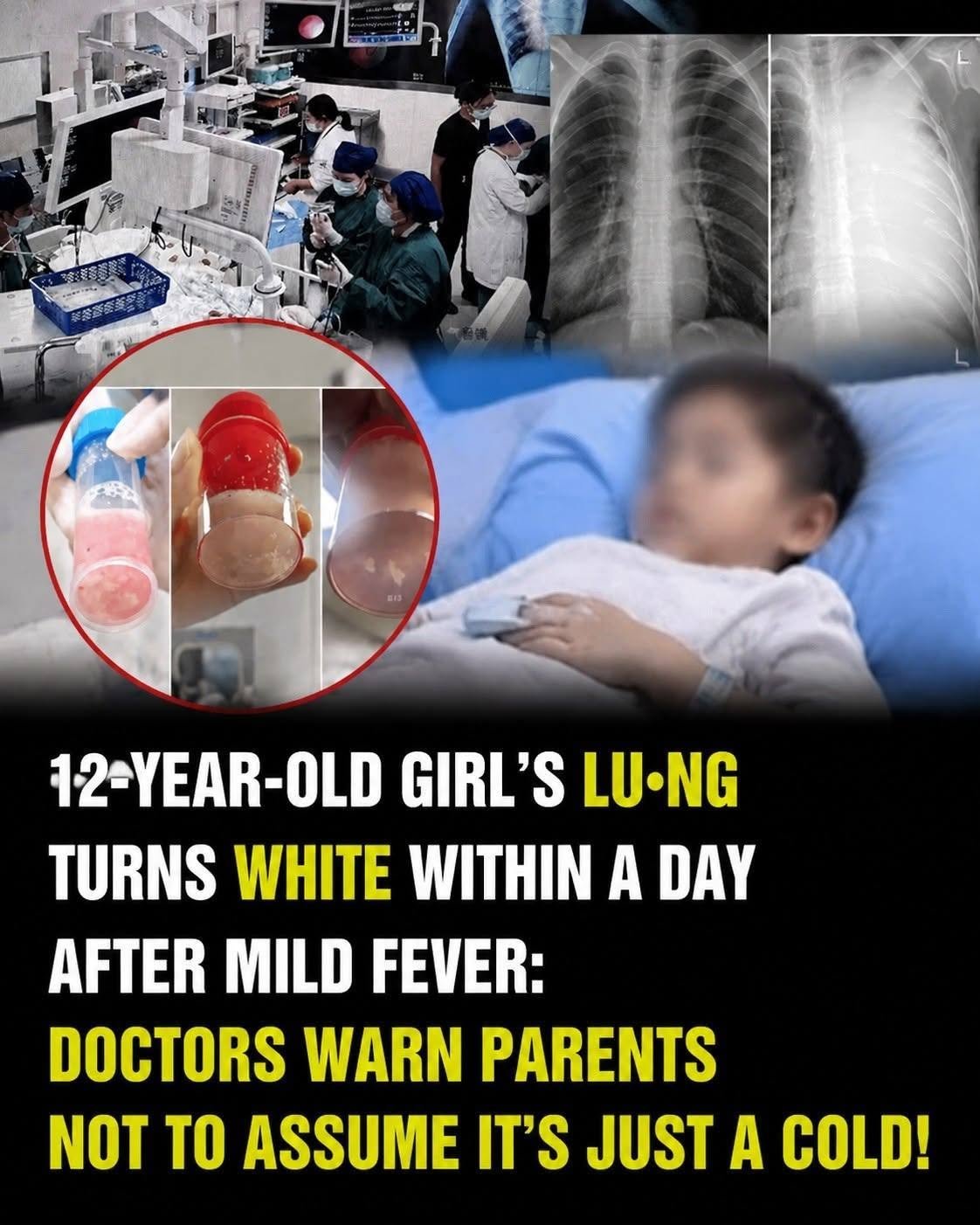
Children can sometimes become seriously ill much faster than parents expect, particularly when an infection develops into a severe complication such as sepsis. Early symptoms may initially resemble an ordinary viral illness, including fever, vomiting, diarrhea, cough, sore throat, or unusual tiredness. As a serious illness progresses, however, a child may develop warning signs such as very rapid or difficult breathing, pale or bluish skin, unusual sleepiness, confusion, or a rash that does not fade when pressed. Because young children cannot always explain what they are experiencing, changes in behavior can be especially important. A child who suddenly becomes much less responsive, stops feeding normally, or seems dramatically different from usual deserves prompt attention rather than being assumed to have a routine illness.
Parents and caregivers should pay particular attention to breathing, responsiveness, hydration, skin color, temperature, and unusual rashes. NHS guidance advises urgent medical attention when a child is breathing very fast or struggling to breathe, becomes difficult to wake, has a seizure, develops pale, blue, grey, or mottled skin, or develops a rash that does not fade when pressure is applied. Reduced urination can also be a warning sign of dehydration or serious illness. Importantly, a child does not need to have every warning sign before medical help is sought. Sepsis can develop rapidly, and official guidance emphasizes trusting your instincts when a child appears much sicker than expected or is deteriorating despite treatment. These symptoms do not automatically mean sepsis—many illnesses can produce similar signs—but they should never be ignored.
The most important lesson is not to wait for a child to become extremely ill before seeking help. If a child suddenly deteriorates, has severe breathing difficulty, stops responding normally, has a seizure, develops blue or mottled skin, or develops a non-fading rash, emergency medical evaluation is appropriate. Parents know their child’s normal behavior better than anyone, so a significant and unexplained change can be an important reason to seek professional advice. Early assessment allows doctors to determine whether the illness is mild or requires urgent treatment. Disclaimer: This article is for general educational and informational purposes only and does not constitute medical diagnosis, treatment, or personalized medical advice. A rapidly worsening condition in a child can have many possible causes, and the symptoms described do not establish a diagnosis. Some online health information may be general or unauthenticated, so important claims should be verified through reliable medical sources and qualified healthcare professionals. If a child appears seriously ill or is deteriorating rapidly, seek emergency medical care immediately.
Leave a Reply