Blog

  • What’s the Small Round Hole on Your Nail Clipper For?

    What’s the Small Round Hole on Your Nail Clipper For?

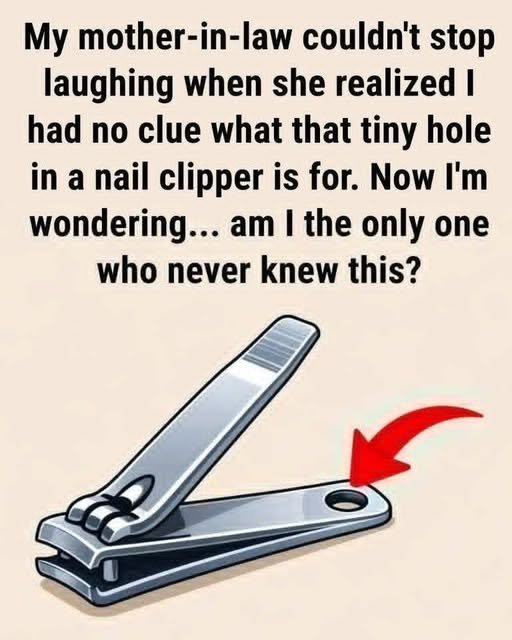
    Have you ever looked closely at a nail clipper and wondered why it has that tiny round hole? It may seem like an unnecessary detail, but on many common nail-clipper designs, small openings are connected to the clipper’s construction and portability. Nail clippers work as simple lever tools: pressing the handles forces the two cutting edges together, allowing you to trim the nail with relatively little effort. The round opening may be associated with the pivot or folded components of the clipper, depending on its design. On some models, similar holes are also incorporated into the body so the tool can be attached to a small chain, key ring, or other holder, making it less likely to be misplaced.

    The exact purpose can vary because not every nail clipper is designed in exactly the same way. Some models have a hole that is primarily structural, while others intentionally include openings for attachment or storage. Older and specialized clippers may also have additional features that aren’t found on modern inexpensive versions. This is a good example of how everyday objects can contain small design details that most people never stop to examine. What appears to be a random hole may actually be a practical feature related to how the tool is assembled, carried, or stored.

    So the next time you pick up your nail clipper, take a closer look at its construction. That little opening isn’t necessarily a secret feature with a dramatic purpose—it is usually there for a specific mechanical or practical reason, depending on the model. If you want to know exactly what the hole on your clipper does, a clear photograph of the entire clipper, especially the hole and its surrounding parts, would make identification much more accurate. Disclaimer: This article provides general information because nail-clipper designs differ between manufacturers and models. The precise purpose of a particular hole should be confirmed from the clipper’s design or manufacturer information rather than assumed from appearance alone.
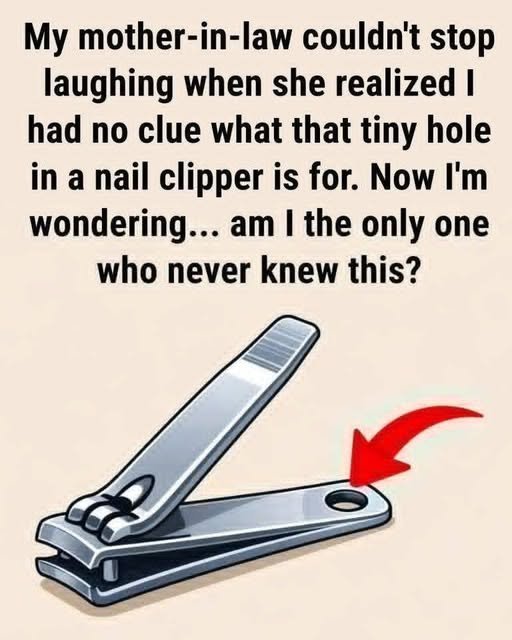
  • The small round hole on many nail clippers is usually not a hidden button or sharpening feature. It is part of the clipper’s metal construction and can serve as an opening around the pivot/rivet mechanism that holds the cutting arms together. On some designs, the hole can also be useful for attaching or positioning the clipper on a key ring or small chain.

    The small round hole on many nail clippers is usually not a hidden button or sharpening feature. It is part of the clipper’s metal construction and can serve as an opening around the pivot/rivet mechanism that holds the cutting arms together. On some designs, the hole can also be useful for attaching or positioning the clipper on a key ring or small chain.

    Nail clippers are built around a simple lever mechanism: when you squeeze the handles, the upper and lower cutting edges move together and create enough force to trim the nail. The small openings and grooves you see are often related to the way the clipper is assembled, folded, or attached to other parts. Because manufacturers use slightly different designs, the exact purpose of a particular hole can vary from one clipper to another.

    So, if you’ve ever wondered why that tiny hole is there, it’s generally a practical part of the clipper’s design rather than a mysterious extra function. If you send me a photo of your specific nail clipper, I can identify exactly what that particular hole is designed for. Disclaimer: This explanation is general because nail-clippers vary by manufacturer and design. The exact function should be confirmed from the specific model or manufacturer information.

  • Be Very Careful: If You Get This, Does It Mean You’re Infected?

    Be Very Careful: If You Get This, Does It Mean You’re Infected?

    A sudden change in the body can understandably cause concern, especially when a viral headline claims that one particular symptom automatically means “you are infected with…” something serious. In reality, most symptoms are not specific enough to identify a particular infection on their own. Fever, fatigue, itching, rashes, swollen glands, coughing, headaches, stomach problems, or changes in the skin can have many different causes, including ordinary viral illnesses, allergies, medications, dehydration, irritation, or other medical conditions. The appearance of one symptom does not automatically establish an infection, and diagnosis generally requires looking at the person’s complete symptoms, medical history, possible exposure, and sometimes laboratory testing.

    Some infections can produce recognizable patterns, but even these usually require professional assessment for confirmation. For example, certain infections may cause characteristic rashes, while others primarily affect the respiratory or digestive system. Timing and exposure are important clues, but they are not proof by themselves. If a symptom appears after contact with someone who was ill, contaminated food or water, an insect bite, or another possible exposure, that information can help a healthcare professional determine what testing or treatment may be appropriate. Trying to diagnose an infection from a social-media photograph or headline can easily lead to unnecessary fear—or, just as importantly, false reassurance.

    The safest response depends on what “this” actually refers to. If the symptom is severe, rapidly worsening, or accompanied by difficulty breathing, confusion, fainting, severe dehydration, or other alarming changes, prompt medical evaluation is important. Otherwise, persistent or unexplained symptoms should still be discussed with a qualified healthcare professional rather than treated according to an internet post. Disclaimer: The original headline is incomplete and does not identify the symptom or infection being claimed, so no specific diagnosis can be confirmed. This article is general educational information, not medical advice. Always verify infection-related claims through reliable medical sources and qualified healthcare professionals before assuming that a particular symptom means you are infected.

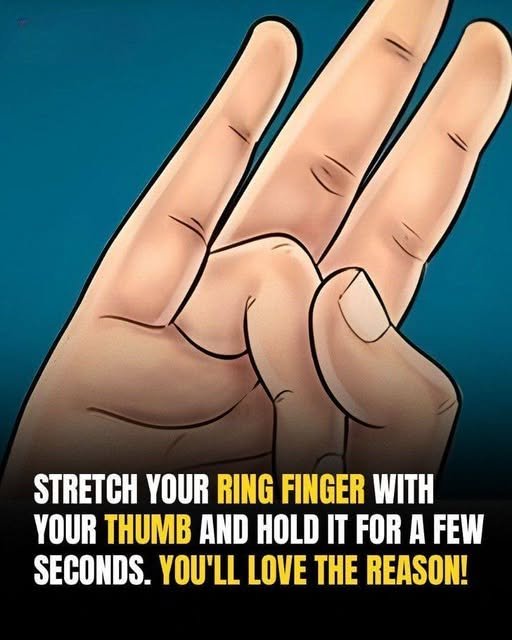
  • Stretch Your Ring Finger With Your Thumb and Hold It — Discover the Surprising Benefits

    Stretch Your Ring Finger With Your Thumb and Hold It — Discover the Surprising Benefits

    A simple hand exercise involving the ring finger and thumb has recently attracted attention online, with claims that holding the position can produce surprising effects throughout the body. The exercise is easy to perform: gently extend or position the ring finger while using the thumb to apply light pressure, then hold the position for several seconds before relaxing. Hand and finger exercises are commonly used to maintain mobility, flexibility, coordination, and range of motion, particularly when the hands feel stiff after repetitive activities. However, viral posts sometimes go much further, suggesting that a particular finger position can “activate” organs, balance hormones, remove toxins, or treat serious diseases. There is currently no good evidence that simply holding a ring-finger position can provide those dramatic medical effects.

    There can nevertheless be a reasonable benefit to gentle finger movement. The hands contain numerous small joints, tendons, muscles, and connective tissues that work together for everyday activities such as typing, writing, gripping, cooking, and using a phone. Regular movement can help maintain flexibility and may feel relaxing when the fingers are stiff. The key is to perform the exercise gently rather than forcing the joint. Stop if you experience pain, numbness, tingling, swelling, or unusual weakness. People recovering from hand injuries, surgery, arthritis, nerve problems, or other conditions should ask a qualified healthcare professional or physiotherapist which exercises are appropriate for them rather than following an unexplained viral technique.

    The most interesting part of this trend is how quickly a simple movement can become associated with extraordinary health claims. A finger exercise can be a harmless addition to a general mobility routine, but it should not be presented as a substitute for medical treatment. If your hands are persistently painful, numb, weak, swollen, or difficult to move, the underlying cause deserves proper evaluation. Disclaimer: This article is for general educational purposes and does not establish that the described finger exercise treats or prevents any disease. Claims about detoxification, organ healing, hormone regulation, or other dramatic effects should be verified through reliable medical research and qualified healthcare professionals before being accepted as fact.

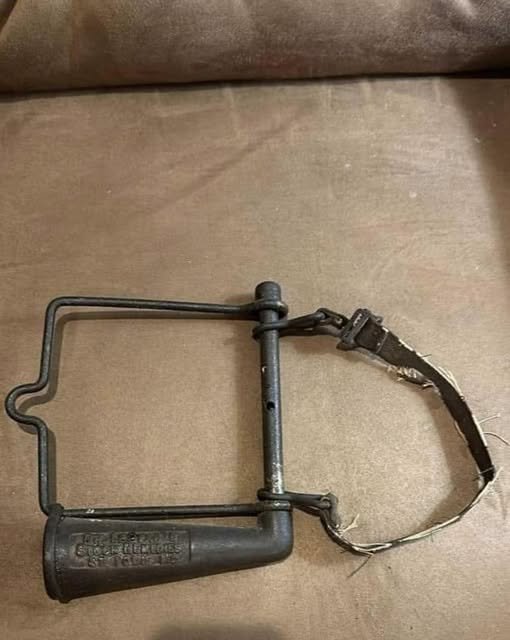
  • My Dad Gave Me This Years Ago — Any Ideas What It Was Used For?

    My Dad Gave Me This Years Ago — Any Ideas What It Was Used For?

    Objects handed down by parents often have a story attached to them, even when nobody remembers exactly what they were designed to do. Older household and kitchen tools can be particularly confusing because many were created for very specific tasks that are no longer common today. A tool that looks completely mysterious may once have been an everyday item for preparing food, opening containers, repairing equipment, or performing a specialized household job. Vintage-tool identification generally starts with the object’s shape, moving parts, materials, size, and—most importantly—its working end. Maker’s marks, patent numbers, or engraved names can provide additional clues about its original purpose and age.

    If you’re trying to identify something inherited from your dad, don’t rely on its appearance alone. Look closely for stamped letters, numbers, logos, patent dates, hinges, blades, grooves, holes, springs, or unusual surfaces. Ask yourself what the active part of the object might have been designed to touch or manipulate. For example, blades commonly indicate cutting, perforations may indicate straining or grating, while gears and cranks often point toward mechanical food-processing tools. Old kitchen collections contain numerous specialized gadgets that can look almost meaningless to modern users because the tasks they performed have disappeared from everyday life.

    The most useful next step would be to take a clear photograph of the object from several angles and include something like a coin or ruler for scale. A close-up of any markings can be especially valuable. If you share the photograph, the shape and construction may make it possible to narrow down exactly what it was, how it was used, and potentially how old it is. Until then, it would be unfair to claim a specific identification without seeing the object itself. Disclaimer: This article is for general informational and educational purposes. The object’s identity and original purpose cannot be confirmed from the caption alone. Any identification should be verified using clear photographs, maker’s marks, reliable historical references, or an experienced collector before the object is used for any practical purpose.

  • The Horrible Smell Coming From the Garden Wasn’t Something to Ignore

    The Horrible Smell Coming From the Garden Wasn’t Something to Ignore

    It was supposed to be an ordinary morning in the garden—watering the flowers, checking on the cats, and enjoying a few quiet moments outside. Instead, opening the gate revealed an extremely foul smell that was strong enough to cause chest discomfort and a metallic taste. A powerful rotten-egg or sewage-like odor can sometimes come from hydrogen sulfide, a gas produced when bacteria break down organic material such as decaying plants or animals, stagnant water, sewage, or other waste. Health authorities note that hydrogen sulfide has a characteristic rotten-egg smell and that exposure can irritate the eyes and respiratory system, with stronger exposures potentially causing dizziness, nausea, breathing difficulties, or much more serious effects.

    The important detail is that you should not investigate a strong unexplained odor by getting closer to it. Hydrogen sulfide can accumulate in poorly ventilated or low-lying areas, and at sufficiently high concentrations it can actually interfere with the sense of smell, meaning that losing the odor does not necessarily mean the danger has disappeared. Other gases can also be dangerous. Carbon monoxide, for example, is completely odorless and cannot explain a strong smell, but it can cause headache, dizziness, weakness, chest pain, confusion, and shortness of breath. If an unexplained chemical or rotten-egg odor is accompanied by chest tightness or breathing difficulty, move away from the area and get into fresh air rather than trying to locate the source yourself.

    The source could ultimately be something relatively ordinary, such as rotting organic matter, a dead animal, stagnant water, blocked drainage, or sewage, but the symptoms described in the story make it inappropriate to simply dismiss the smell. If the chest tightness or breathing symptoms continued after leaving the area, medical attention would be appropriate. A persistent outdoor odor should also be investigated by the appropriate local utility, environmental, or pest/waste professional rather than by entering confined spaces or disturbing suspected waste. Disclaimer: This article is for general educational and safety information only. The story does not provide enough evidence to identify the substance responsible for the smell, and hydrogen sulfide is only one possibility. Never assume an unexplained strong odor is harmless, particularly when it is accompanied by breathing difficulty, chest symptoms, dizziness, or confusion; seek professional assistance and verify the cause through reliable sources.

  • Will Smith’s Daughter Has Broken Her Silence — What We Actually Know

    Will Smith’s Daughter Has Broken Her Silence — What We Actually Know

    A dramatic headline claiming that Will Smith’s daughter has “broken her silence” with the words “My dad used to…” has recently circulated across social media. However, the available results do not provide a verified full quotation or a credible original interview supporting the sensational claim. Several recent posts simply repeat the incomplete headline, while one website specifically notes that the wording provides no context and that the authenticity of the supposed statement cannot be established. The incomplete phrase is particularly important because “My dad used to…” could lead to countless different statements, and presenting it without the rest of the quote can create a completely different impression from what was actually said.

    Willow Smith, Will Smith’s daughter, has spoken publicly in the past about growing up as the child of a famous actor and dealing with intense media attention. Published material about her childhood describes how photographers followed her and how she sometimes became frustrated when journalists wanted access to her private life. That history makes stories about Willow discussing her family especially attractive to social-media audiences, but it does not confirm the new viral quotation. In an era when celebrity content can be copied across Facebook, Instagram, and low-quality websites within hours, a headline can quickly acquire the appearance of legitimacy simply because many pages repeat it. The original interview, complete quotation, date, and reputable source are therefore essential before accepting the claim.

    The safest conclusion is that the viral headline should be treated cautiously for now. There is nothing in the reliable material located here that establishes what Willow supposedly said after the words “My dad used to…”. Until a complete interview, verified social-media post, or reputable news report provides the actual statement and context, filling in the missing words would simply be speculation. Celebrity families deserve the same accuracy and fairness as anyone else, particularly when a headline implies a serious personal revelation. Disclaimer: This article is based on currently available online information and is intended for general informational purposes. The quoted statement is incomplete and has not been independently authenticated from the sources located, so it should not be presented as a confirmed statement by Willow Smith. Always verify viral celebrity claims through the original interview or reliable, reputable sources before sharing them as fact.

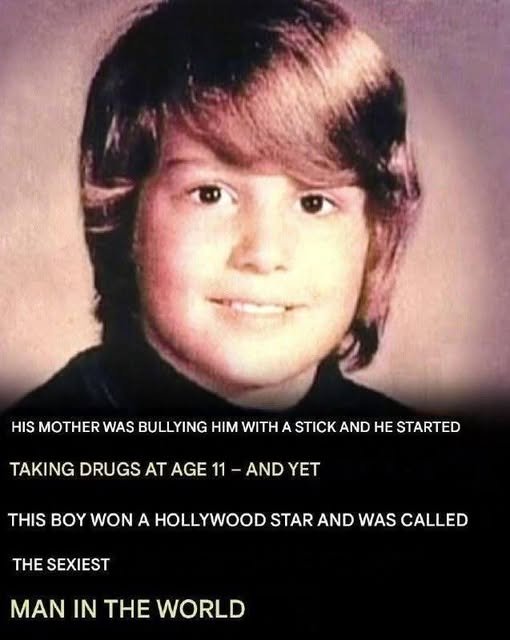
  • From a Troubled Childhood to One of Hollywood’s Biggest Stars

    From a Troubled Childhood to One of Hollywood’s Biggest Stars

    Behind one of Hollywood’s most recognizable faces lies a childhood marked by instability, fear, and experiences that would leave a lasting impression. The story described in the viral headline is Johnny Depp, who spoke publicly about his difficult upbringing during his 2022 defamation trial. Depp testified that his mother could become physically abusive and that objects such as an ashtray, high-heeled shoe, or telephone could be thrown during violent outbursts. He also said that at age 11 he began taking his mother’s prescription “nerve pills,” describing the behavior as a form of self-medication to escape the emotional chaos around him. By his teenage years, he said he had experimented with numerous substances.

    Despite those experiences, Depp eventually built a remarkable career in film. He became internationally famous through roles in movies such as Edward Scissorhands, Sweeney Todd, Alice in Wonderland, and especially the Pirates of the Caribbean franchise, where his portrayal of Captain Jack Sparrow became one of modern cinema’s most recognizable characters. His career demonstrates how a person’s early circumstances do not necessarily determine the direction of their entire life. At the same time, Depp’s personal history and later controversies have been extensively debated in the public sphere, so individual claims about his childhood, substance use, relationships, or private life should be distinguished from established facts and from statements he made during legal proceedings.

    What makes Depp’s story particularly striking is the contrast between his difficult beginnings and his eventual status as an internationally recognized actor. His testimony offered audiences a glimpse into experiences that had remained largely private for years, while his film career showed how far he traveled from those early circumstances. Stories like this can be inspiring, but they should not romanticize childhood trauma or substance use. Recovery, professional success, and personal growth are complicated journeys, and every person’s experience is different. Disclaimer: This article is based on publicly reported testimony and is intended for general informational purposes. Some details describe Depp’s own allegations and recollections rather than independently established facts, and his career earnings or worldwide box-office figures can vary depending on the source and methodology. Always verify sensitive personal and financial claims through reliable sources before presenting them as definitive.

  • Justin Bieber Admits That He Tested Positive For…

    Justin Bieber Admits That He Tested Positive For…

    A viral headline claiming “Justin Bieber admits that he tested positive for…” appears to refer to his confirmed COVID-19 diagnosis in February 2022. Bieber’s representative confirmed that the singer had tested positive for COVID-19 shortly after beginning his Justice World Tour. As a result, his scheduled Las Vegas performance was postponed, followed by another postponed concert in Arizona. His team said that the health and safety of his crew and fans were the top priority. At the time, reports described his symptoms as mild, although the diagnosis understandably created concern because he was in the middle of a major international tour.

    The wording “admits that he tested positive” can make an old news story sound like a brand-new revelation, but the diagnosis was publicly reported in February 2022. Bieber was not the only member of his touring environment affected; his team initially announced positive COVID-19 results within the Justice Tour family. The situation demonstrated how quickly an infectious illness could disrupt large entertainment productions involving performers, crew members, venues, and thousands of fans. His postponed shows were subsequently given replacement dates, allowing the tour to continue after the necessary changes.

    It is also important not to confuse this headline with other health stories involving Bieber. He has publicly discussed Lyme disease and was diagnosed with Ramsay Hunt syndrome in 2022, but those conditions are completely different from his confirmed COVID-19 infection. The phrase “tested positive for…” should therefore be read in its original context rather than interpreted as a new diagnosis. Disclaimer: This article is based on publicly reported information and is intended for general informational purposes. The COVID-19 diagnosis discussed here occurred in 2022; it should not be interpreted as evidence that Justin Bieber has recently tested positive for COVID-19 or another condition. Always verify current celebrity health claims through reputable news organizations or official statements.

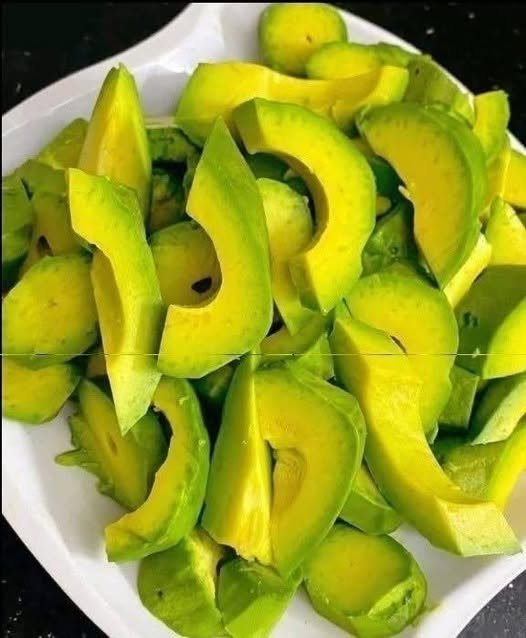
  • Doctors Reveal What Eating Avocados May Actually Do to Your Body

    Doctors Reveal What Eating Avocados May Actually Do to Your Body

    The dramatic headline “Doctors reveal that eating avocados causes…” may make it sound as though avocados are dangerous, but the evidence is considerably more nuanced. Avocados are nutrient-dense fruits containing fiber, potassium, folate, vitamins C, E and K, and predominantly monounsaturated fats. Cleveland Clinic notes that these nutrients may support heart health, digestion, eye health and overall nutrition. Research reported by the American Heart Association has also found that people who ate at least two servings of avocado per week had a lower risk of cardiovascular disease, although the observational nature of that research means it cannot prove that avocados directly caused the reduction in risk.

    However, avocado isn’t ideal for absolutely everyone or in unlimited amounts. Because it is relatively high in potassium, people with certain kidney problems may need to restrict avocado or carefully monitor their potassium intake. The American Heart Association warns that excessive potassium can become dangerous when kidney function is impaired or when certain medications affect potassium levels. Avocados can also cause digestive discomfort in some people with irritable bowel syndrome because they contain fermentable carbohydrates known as FODMAPs. They are also calorie-dense, so eating large portions can add significant calories even though the fats are generally considered heart-healthy. People taking warfarin should discuss consistent vitamin-K intake with their healthcare professional rather than suddenly changing their avocado consumption.

    So, what does eating avocado actually “cause”? For most healthy people, there is no evidence that ordinary avocado consumption inherently causes a major health problem. Instead, portion size and individual circumstances matter. Half an avocado provides roughly 160 calories and around 7 grams of fiber, while also supplying substantial potassium and healthy unsaturated fats. The better message isn’t to fear this popular fruit, but to understand how it fits into your overall diet and personal health needs. Disclaimer: This article is for general educational purposes and is not medical advice. Individual dietary requirements vary, particularly for people with kidney disease, digestive disorders, medication interactions, or food allergies. Consult a qualified healthcare professional for personalized guidance and verify health claims through reliable medical sources.