Blog

  • People Need to Be Careful About Drinking These Drinks Before Going to Bed

    People Need to Be Careful About Drinking These Drinks Before Going to Bed

    What you drink in the hours before bedtime can influence sleep quality, nighttime urination, digestion, and acid reflux. One of the biggest beverages to watch is caffeine-containing drinks, including coffee, energy drinks, black tea, and some soft drinks. Caffeine is a stimulant that can make it harder to fall asleep and may reduce overall sleep quality, especially when consumed later in the day. The American Academy of Sleep Medicine recommends avoiding caffeine in the afternoon and evening for people who are sensitive to its effects. (aasm.org) Alcohol is another drink that can be misleading: although it may initially make someone feel sleepy, it can disrupt sleep later in the night and reduce sleep quality. (sleepfoundation.org) Drinking large amounts of any beverage immediately before bed may also increase nighttime trips to the bathroom, potentially interrupting restorative sleep.

    People who experience heartburn or acid reflux may also want to reconsider certain beverages close to bedtime. Coffee and other caffeinated drinks can trigger or worsen symptoms for some individuals, while carbonated beverages may cause bloating or discomfort. Alcohol can also contribute to reflux symptoms in some people. The National Institute of Diabetes and Digestive and Kidney Diseases recommends avoiding foods or drinks that trigger GERD symptoms and, for people with nighttime reflux, eating meals at least three hours before lying down. (niddk.nih.gov) Sugary beverages can also add substantial amounts of calories and added sugar without providing much nutritional value, particularly when consumed regularly. This does not mean everyone must completely eliminate these drinks; individual tolerance, portion size, timing, and overall dietary habits all matter.

    A more sleep-friendly approach is to keep evening beverages simple and moderate. Water is generally a good choice for hydration, while caffeine-free drinks may be suitable for people who enjoy something warm before bed. Avoiding very large drinks immediately before sleeping can also help reduce nighttime bathroom visits. If you regularly wake up because of thirst, urination, reflux, or poor sleep, consider discussing the pattern with a healthcare professional rather than simply blaming one beverage. Persistent nighttime symptoms can sometimes have an underlying cause that deserves attention. Disclaimer: This article is for general educational and informational purposes only and does not constitute medical diagnosis, treatment, or personalized dietary advice. Individual responses to beverages vary, and some online health claims may be general, exaggerated, or unauthenticated. Always verify important health information through reliable sources and consult a qualified healthcare professional if you experience persistent sleep disruption, severe reflux, or other concerning symptoms.


  • Sweet Potato Fans, Don’t Miss This — It’s Never Too Late to Learn!

    Sweet Potato Fans, Don’t Miss This — It’s Never Too Late to Learn!

    Sweet potatoes are more than just a comforting side dish—they are a nutrient-rich food that can fit into many balanced diets. They provide carbohydrates for energy, fiber for digestive health, and important nutrients including potassium, vitamin C, and beta-carotene. Orange-fleshed sweet potatoes are particularly rich in beta-carotene, which the body can convert into vitamin A. (ods.od.nih.gov) Their fiber content can also contribute to feelings of fullness and support normal bowel function. Because sweet potatoes are naturally flavorful, they can be prepared without excessive amounts of added sugar or saturated fat. Baking, steaming, roasting, or boiling them can make them a versatile addition to meals, while heavily frying or coating them with sugary sauces can significantly change their nutritional profile.

    Another interesting point is that how you prepare and serve sweet potatoes matters. A plain baked or boiled sweet potato generally has a very different nutritional profile from sweet-potato fries loaded with oil and salt. Pairing sweet potatoes with a protein source such as beans, fish, eggs, chicken, or yogurt and adding vegetables can create a more balanced meal. Their potassium content may also be relevant to people trying to maintain healthy blood pressure, although individuals with chronic kidney disease may need to monitor potassium intake according to their healthcare professional’s recommendations. (niddk.nih.gov) Sweet potatoes are not a cure for disease, but their nutrient profile makes them a valuable whole-food choice for many people. Portion sizes should still be considered because they contain carbohydrates and calories like other starchy foods.

    For sweet-potato lovers, the takeaway is simple: you can enjoy this colorful root vegetable as part of a varied, nutrient-dense diet. Try it roasted with herbs, mashed with minimal added fat, baked and topped with beans, or included in soups and stews. Eating a wide variety of vegetables rather than relying heavily on one “superfood” is generally the better strategy for long-term nutrition. If you have diabetes, kidney disease, or another condition requiring a specific diet, your ideal portion and preparation method may be different. Disclaimer: This article is for general educational and informational purposes only and does not constitute medical diagnosis, treatment, or personalized dietary advice. Nutritional needs vary from person to person, and some online claims about individual foods may be general, exaggerated, or unauthenticated. Always verify important nutrition information through reliable sources and consult a qualified healthcare professional for advice tailored to your health needs.

  • Why Do So Many People Put Plastic Bottles in the Washer? The Answer May Surprise You

    Why Do So Many People Put Plastic Bottles in the Washer? The Answer May Surprise You

    Putting a plastic bottle inside a washing machine may sound unusual, but the viral laundry trick is generally intended to help with certain everyday cleaning problems—not to improve the washing machine itself. Some people place a clean, empty plastic bottle inside the drum with clothes because its movement can create additional mechanical agitation, potentially helping separate garments or improve circulation during a wash. Others use bottles as a simple way to help keep certain lightweight items from bunching together. However, these tricks are not a standard recommendation from washing-machine manufacturers, and the benefit is likely to depend on the machine, bottle, load size, and type of clothing. A washing machine already relies on controlled drum movement, water, and detergent to clean laundry, so adding a bottle is not necessary for normal washing.

    There is also an important distinction between using a clean, intact bottle as a laundry experiment and simply throwing any plastic container into the machine. A bottle with sharp edges, cracks, a loose cap, or labels that can detach could potentially damage delicate clothing or leave unwanted material inside the drum. Overloading the washer can also reduce cleaning performance and place unnecessary stress on the appliance. Manufacturers generally recommend following the machine’s instructions regarding load size, detergent, and suitable items for washing. If you are washing delicate fabrics, it is safer to use established laundry methods such as mesh bags designed for washing machines rather than relying on an improvised plastic bottle. Similarly, bottles containing leftover drinks, oils, chemicals, or other substances should never be placed in a washer because they could contaminate clothing or create other safety problems.

    The bigger lesson is that viral household hacks are not automatically better than manufacturer-approved methods. If a particular laundry trick seems useful, consider whether it is compatible with your machine and clothing before trying it. For ordinary laundry, sorting fabrics, avoiding overloading, using the correct detergent amount, selecting the appropriate cycle, and maintaining the washing machine regularly are more dependable ways to achieve good results. If your washer is leaving clothes dirty, producing unusual noises, or failing to drain properly, a plastic bottle is unlikely to solve the underlying mechanical problem. Disclaimer: This article is for general educational and informational purposes only and does not constitute professional appliance or laundry advice. The effectiveness and safety of plastic-bottle laundry hacks can vary, and some viral claims may be general, exaggerated, or unauthenticated. Always follow your washing machine manufacturer’s instructions and verify household-safety information through reliable sources before trying unconventional cleaning methods.

  • He Ate Garlic Every Day for 5 Months to “Heal” His Kidneys—What Does the Evidence Actually Say?

    He Ate Garlic Every Day for 5 Months to “Heal” His Kidneys—What Does the Evidence Actually Say?

    Garlic has a long history of being used as a food and traditional wellness ingredient, and modern research has investigated its potential effects on blood pressure, cholesterol, blood sugar, inflammation, and kidney-related health. However, the dramatic claim that eating garlic every day for five months can “heal” damaged kidneys is not supported by strong human clinical evidence. The National Center for Complementary and Integrative Health (NCCIH) reports that garlic supplements may modestly improve certain cardiovascular risk factors, such as cholesterol and blood pressure, but this is very different from reversing chronic kidney disease. Some experimental research has found potentially beneficial effects of garlic in animal models of diabetic kidney disease, but researchers specifically note that further clinical trials are needed before these findings can be applied to people. Therefore, garlic may be a nutritious addition to meals, but it should not be considered a proven kidney treatment or a replacement for prescribed medical care.

    For someone with kidney disease, the overall diet and medical management matter far more than one ingredient. The National Kidney Foundation notes that garlic and other spices can be useful for adding flavor without relying heavily on salt, which can be helpful when following certain kidney-friendly eating patterns. At the same time, people with chronic kidney disease may have individual requirements for sodium, potassium, phosphorus, fluids, and other nutrients, depending on kidney function and treatment. Large amounts of garlic or concentrated garlic supplements should not automatically be assumed to be safer or more effective than ordinary culinary amounts. Garlic supplements may increase bleeding risk and can interact with some medicines, while raw garlic can cause heartburn, abdominal discomfort, nausea, or other digestive symptoms in some people. Anyone taking blood-thinning medication or managing kidney disease should discuss supplements and significant dietary changes with their healthcare professional.

    The real lesson is that no single food can reliably “repair” the kidneys. Healthy kidney management may involve controlling blood pressure and blood sugar, taking prescribed medications correctly, following an individualized nutrition plan, avoiding medications that can damage the kidneys when inappropriate, and attending regular medical appointments. NIDDK specifically recommends discussing medicines, over-the-counter products, and supplements with healthcare professionals because some substances can affect kidney function or interact with treatment. Garlic can certainly remain part of a balanced diet for many people, but it should be viewed as food—not a miracle cure. Disclaimer: This article is for general educational and informational purposes only and does not constitute medical diagnosis, treatment, or personalized dietary advice. The claim that eating garlic for five months can “heal” the kidneys is not established medical fact, and some online health stories may be exaggerated or unauthenticated. Always verify important health claims through reliable medical sources and consult a qualified healthcare professional before using garlic supplements or changing treatment for kidney disease.

  • Could That Lump or Cyst Be Something Serious? Here’s What You Should Know

    Could That Lump or Cyst Be Something Serious? Here’s What You Should Know

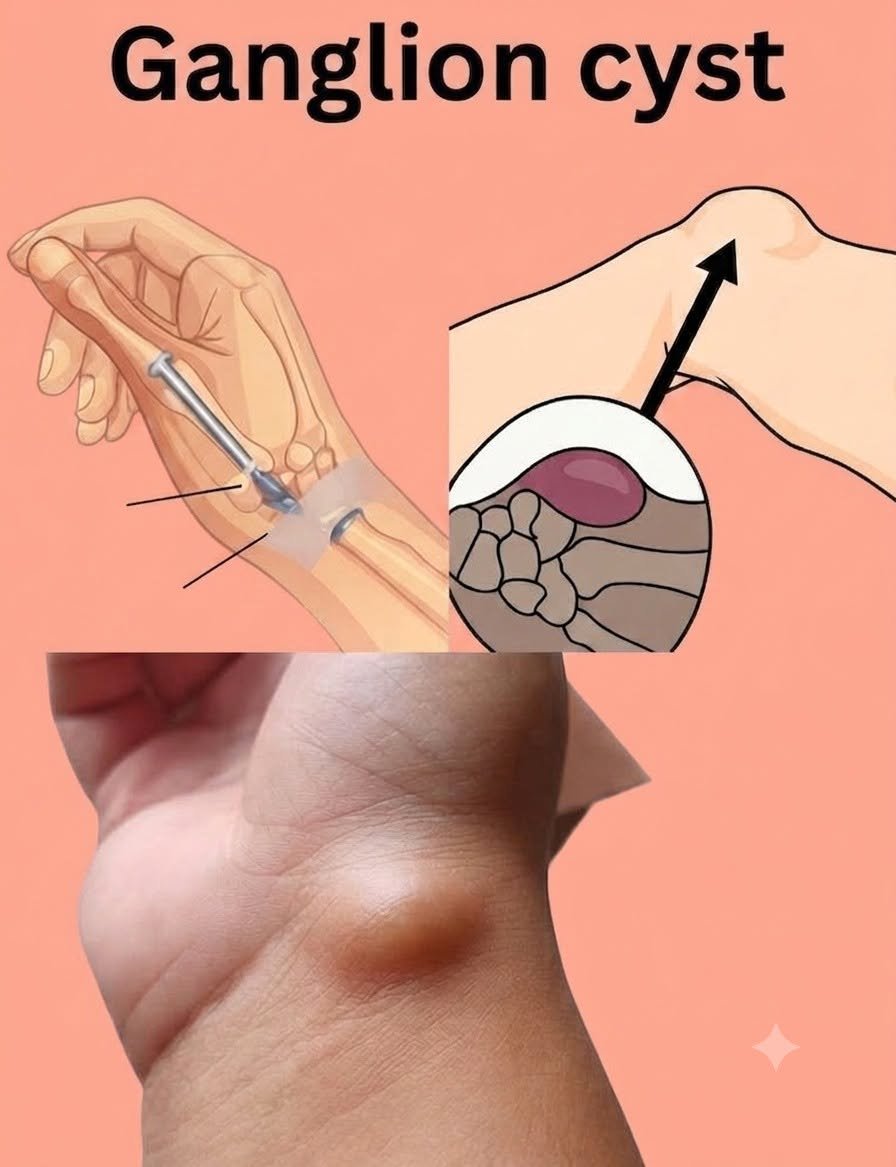
    Discovering a new lump or cyst can immediately cause worry, but the good news is that many lumps are harmless. Common examples include skin cysts, lipomas, swollen glands, and ganglion cysts. Skin cysts are usually round growths beneath the skin and often do not require treatment unless they become painful, infected, or troublesome. A soft lump that moves slightly under the skin may have a different cause from a firm lump that remains fixed. Because appearances can overlap, however, it is not advisable to diagnose a lump yourself. The location, size, texture, how quickly it appeared, and whether it is changing can all provide important information to a healthcare professional.

    There are several warning signs that deserve medical attention. The NHS recommends getting a lump checked if it becomes larger, remains for more than two weeks, is painful, red or hot, or feels hard and does not move. Rapid growth is another reason to arrange an examination. In some cases, a painful, warm, or red lump may be associated with an infection or abscess, particularly when accompanied by fever or feeling unwell. Most cysts are not cancerous, but some serious conditions can initially resemble ordinary lumps, which is why an unexplained or changing growth should be professionally assessed rather than ignored. Depending on the situation, a doctor may perform a physical examination and, if necessary, recommend an ultrasound, other imaging, or occasionally a biopsy.

    The safest approach is don’t panic, but don’t ignore a persistent or changing lump. Avoid squeezing, puncturing, or attempting to remove a cyst yourself because this can cause infection or damage the surrounding skin. If the lump is rapidly enlarging, very painful, hot or red, or associated with fever or other concerning symptoms, seek medical attention promptly. A healthcare professional can determine whether monitoring is enough or whether further investigation or treatment is appropriate. Remember that having a lump does not automatically mean cancer—many are completely benign—but obtaining an accurate diagnosis is far better than relying on internet images or assumptions. Disclaimer: This article is for general educational and informational purposes only and does not constitute medical diagnosis, treatment, or personalized health advice. Lumps and cysts can have many different causes, and some information online may be general, exaggerated, or unauthenticated. Always verify important health information through reliable medical sources and consult a qualified healthcare professional about any new, persistent, painful, rapidly growing, or changing lump.

  • Can a Husband’s Habits Increase His Wife’s Risk of Cervical Cancer?

    Can a Husband’s Habits Increase His Wife’s Risk of Cervical Cancer?

    A husband’s personal habits cannot directly “cause” cervical cancer in his wife, but certain behaviors can increase the likelihood of HPV exposure, which is the primary cause of almost all cervical cancers. Human papillomavirus (HPV) is commonly transmitted through sexual contact, and many infections disappear naturally without causing lasting problems. However, when a high-risk HPV infection persists, it can gradually produce abnormal cervical cells that may eventually develop into cancer. The World Health Organization estimates that almost all cervical cancer cases are linked to persistent infection with high-risk HPV types. A partner with multiple previous sexual partners, for example, may have had more opportunities to encounter HPV, potentially increasing the chance of transmission. This is not an accusation of infidelity or proof that someone currently has HPV—HPV can remain undetected for years, and its presence does not establish when or from whom an infection was acquired.

    Another important issue is tobacco smoke. Research and public-health guidance identify smoking as a risk factor for cervical cancer, and exposure to secondhand smoke may also increase risk. The National Cancer Institute explains that smoking or breathing secondhand smoke can increase the likelihood that an HPV infection will progress toward cervical cancer. Other sexually transmitted infections and weakened immune function can also influence the persistence or progression of HPV. Couples can reduce some risks by practicing safer sex, avoiding tobacco, and discussing appropriate HPV vaccination and screening with healthcare professionals. Condoms can lower HPV transmission risk, although they cannot provide complete protection because HPV can infect skin that condoms do not cover. These steps are not about assigning blame; they are about protecting both partners’ long-term health.

    The most powerful protection remains HPV vaccination and regular cervical screening. Screening can identify precancerous changes before they develop into invasive cancer, while HPV vaccination can prevent infection with major cancer-causing HPV types. Women should follow the cervical-screening schedule recommended by their healthcare provider and local medical guidelines, even if they feel completely healthy because early precancerous changes often produce no symptoms. Disclaimer: This article is for general educational and informational purposes only and does not constitute medical diagnosis, treatment, or personalized health advice. Cervical cancer is primarily caused by persistent high-risk HPV infection, and no spouse’s single habit should be presented as a direct cause of cancer. Some online claims may be exaggerated, incomplete, or unauthenticated. Always verify important health information through reliable medical sources and consult a qualified healthcare professional regarding HPV vaccination, screening, or individual risk.

  • Eating Cashews Regularly? Here’s What They May Be Doing Inside Your Body

    Eating Cashews Regularly? Here’s What They May Be Doing Inside Your Body

    Cashews are more than just a crunchy snack. A small handful—about 28 grams or roughly 18 cashews—provides protein, healthy unsaturated fats, magnesium, copper, phosphorus, and other nutrients. Regularly choosing nuts as a replacement for less nutritious snacks may support overall cardiovascular health. Large observational studies have associated frequent nut consumption with a lower risk of cardiovascular disease, although these studies cannot prove that nuts alone caused the benefit. Cashews may also influence cholesterol levels: in a controlled trial, people who consumed cashews for four weeks experienced modest reductions in total and LDL (“bad”) cholesterol compared with a control snack. These findings suggest that appropriately portioned cashews can be a valuable addition to a balanced eating pattern.

    Inside the body, cashews provide nutrients involved in several normal functions. Their magnesium contributes to normal muscle and nerve function, while copper supports connective tissue, energy production, and other biological processes. Their unsaturated fats can also be preferable to fats found in many highly processed snack foods. However, cashews are relatively calorie-dense, with about 163 calories per ounce, so eating large quantities in addition to regular meals can increase total calorie intake. For a healthier everyday option, choose plain or lightly roasted cashews instead of varieties heavily coated with sugar or excessive salt. A practical approach is to use a small handful as a replacement for chips, sweets, or other less nutritious snacks rather than simply adding extra calories to your existing diet.

    The biggest takeaway is that cashews can be part of a nutritious diet, but they are not a miracle food. Their potential benefits are most meaningful when they replace less healthy foods within an overall balanced eating pattern that includes vegetables, fruits, whole grains, legumes, and other nutritious protein sources. People with a tree-nut allergy should avoid cashews, and anyone with a medical condition requiring specific dietary restrictions should follow individualized professional advice. Also, commercially sold “raw” cashews have undergone processing; truly unprocessed cashew kernels are not considered safe because of naturally occurring urushiol. Disclaimer: This article is for general educational and informational purposes only and does not constitute medical diagnosis, treatment, or personalized nutritional advice. The effects of cashews can vary between individuals, and some health claims online may be general, exaggerated, or unauthenticated. Always verify important nutrition information through reliable medical sources and consult a qualified healthcare professional before making significant dietary changes.

  • You Eat Eggs for Breakfast, But Do You Know What They May Be Doing to Your Body?

    You Eat Eggs for Breakfast, But Do You Know What They May Be Doing to Your Body?

    Eggs are one of the most convenient breakfast foods, and they provide a substantial amount of high-quality protein and essential nutrients. One large egg contains protein, choline, selenium, vitamin B12, and other vitamins and minerals. Protein can help support muscle maintenance and fullness, making eggs a practical option for a balanced breakfast. Eggs also contain dietary cholesterol, which is why they have historically received considerable attention regarding heart health. However, modern nutrition guidance generally focuses more on the overall dietary pattern and saturated-fat intake than on dietary cholesterol alone. Harvard Health notes that for most healthy people, moderate egg consumption can fit into a heart-healthy diet. (health.harvard.edu) The way eggs are prepared and what you eat alongside them can also make a significant difference.

    For example, a boiled or poached egg paired with vegetables and whole grains creates a very different nutritional profile from eggs regularly served with processed meats, large amounts of butter, or foods high in saturated fat and sodium. The American Heart Association recommends emphasizing healthier sources of protein and limiting processed meats and saturated fats as part of cardiovascular-friendly eating. (heart.org) Eggs also provide choline, an important nutrient involved in cell structure, metabolism, and nervous-system functions. (ods.od.nih.gov) For older adults, adequate protein can be particularly valuable because maintaining muscle mass becomes increasingly important with age. Still, individual nutritional needs vary. Someone with elevated LDL cholesterol, cardiovascular disease, diabetes, kidney disease, or another medical condition may need more personalized dietary guidance than a general recommendation can provide.

    So, what may eggs be doing to your body? For many people, they can support protein intake, provide important micronutrients, and contribute to a satisfying meal when incorporated into a balanced diet. They are not a miracle food, but they are also not automatically harmful. A healthy breakfast might combine eggs with vegetables, fruit, whole grains, or other nutrient-rich foods while keeping highly processed and excessively salty foods moderate. If you regularly eat large quantities of eggs or have been advised to manage your cholesterol or another health condition, discussing your diet with a qualified healthcare professional can help determine what is appropriate for you. Disclaimer: This article is for general educational and informational purposes only and does not constitute medical diagnosis, treatment, or personalized nutritional advice. Individual responses to foods can vary, and some health claims online may be general, exaggerated, or unauthenticated. Always verify important nutrition information through reliable medical sources and consult a qualified healthcare professional before making significant dietary changes.

  • Pay Attention to These 3 Areas: They May Reveal Important Changes in Your Health

    Pay Attention to These 3 Areas: They May Reveal Important Changes in Your Health

    Your body can sometimes provide subtle clues when something is changing, and paying attention to three key areas—the skin, eyes, and hands or feet can help you notice changes worth discussing with a healthcare professional. The skin may develop new rashes, unusual discoloration, persistent itching, swelling, or changes in existing spots. The eyes can sometimes show noticeable changes such as yellowing, persistent redness, or changes in vision. Meanwhile, the hands and feet may develop swelling, numbness, unusual color changes, or persistent pain. Most of these symptoms have relatively common explanations, but persistent or unexplained changes deserve attention rather than being ignored. The goal is not to diagnose illness from appearance alone, but to recognize when something is different from your normal condition.

    The skin is particularly useful to monitor because it is visible every day. New or changing moles, sores that do not heal, unusual rashes, or persistent unexplained itching can have many causes and may sometimes require medical evaluation. The eyes also deserve attention because sudden vision changes, eye pain, or yellowing of the whites of the eyes can be associated with different health problems. (nhs.uk) The third area, your hands and feet, can provide clues through persistent swelling, unusual weakness, tingling, numbness, or changes in temperature or color. (nhs.uk) Importantly, none of these signs automatically means that a serious disease is present. A symptom’s duration, severity, combination with other symptoms, and personal medical history all matter when determining whether professional assessment is necessary.

    The most useful habit is to know what is normal for your own body and notice meaningful changes. If a symptom is persistent, worsening, painful, unexplained, or accompanied by other unusual changes, arrange an appointment with a qualified healthcare professional. Sudden vision loss, severe eye pain, sudden weakness or numbness, major swelling, or other rapidly developing symptoms may require urgent assessment. Rather than relying on viral health posts or trying to diagnose yourself from a photograph, professional evaluation provides a much safer way to understand what your body may be communicating. Disclaimer: This article is for general educational and informational purposes only and does not constitute medical diagnosis, treatment, or personalized health advice. Changes in the skin, eyes, hands, or feet can have many different causes, and the information presented here may be general or unauthenticated. Always verify important health information through reliable medical sources and consult a qualified healthcare professional about persistent, unusual, or rapidly changing symptoms.

  • Recognizing the Possible Symptoms of a Brain Aneurysm Before It’s Too Late

    Recognizing the Possible Symptoms of a Brain Aneurysm Before It’s Too Late

    A brain aneurysm is a weak area in the wall of a blood vessel in the brain that can form a balloon-like bulge. Most unruptured aneurysms are small and cause no noticeable symptoms, meaning they are sometimes discovered accidentally during brain imaging performed for another reason. However, a larger aneurysm can occasionally press on nearby nerves or brain tissue and produce warning symptoms such as pain above or behind one eye, changes in vision or double vision, numbness or weakness on one side of the face, headaches, or seizures. These symptoms do not prove that someone has an aneurysm, because many other conditions can cause similar problems. Nevertheless, persistent or unusual neurological symptoms deserve professional medical evaluation rather than being dismissed as ordinary headaches or fatigue.

    The most important warning appears when an aneurysm leaks or ruptures. The classic symptom is a sudden, extremely severe headache that develops rapidly and is often described as a “thunderclap” headache or the worst headache a person has ever experienced. Other possible symptoms include nausea or vomiting, stiff neck, sensitivity to light, blurred or double vision, confusion, seizure, weakness or numbness on one side of the body, and loss of consciousness. In some cases, a small leak may occur before a larger rupture, producing an unusually severe headache that can last for days. A ruptured aneurysm can cause bleeding around the brain and is a medical emergency requiring immediate treatment. Risk factors associated with brain aneurysms include smoking, uncontrolled high blood pressure, certain inherited conditions, and a family history of aneurysms or hemorrhagic stroke.

    The key message is not to panic over an ordinary headache, but never ignore a sudden and extraordinary one. If someone suddenly develops an extremely severe headache, especially when accompanied by vomiting, stiff neck, confusion, seizure, fainting, vision problems, or weakness or numbness on one side of the body, emergency medical help should be sought immediately. Early assessment can make an important difference when serious bleeding has occurred. People with significant risk factors, particularly a strong family history, can also discuss with a healthcare professional whether screening or other evaluation is appropriate. Disclaimer: This article is for general educational and informational purposes only and does not constitute medical diagnosis, treatment, or personalized health advice. Brain aneurysms may cause no symptoms, and the symptoms described can have many other causes. Some online health claims may be general, exaggerated, or unauthenticated, so important information should be verified through reliable medical sources and qualified healthcare professionals. If a sudden, extremely severe headache or other emergency warning signs occur, seek emergency medical care immediately.