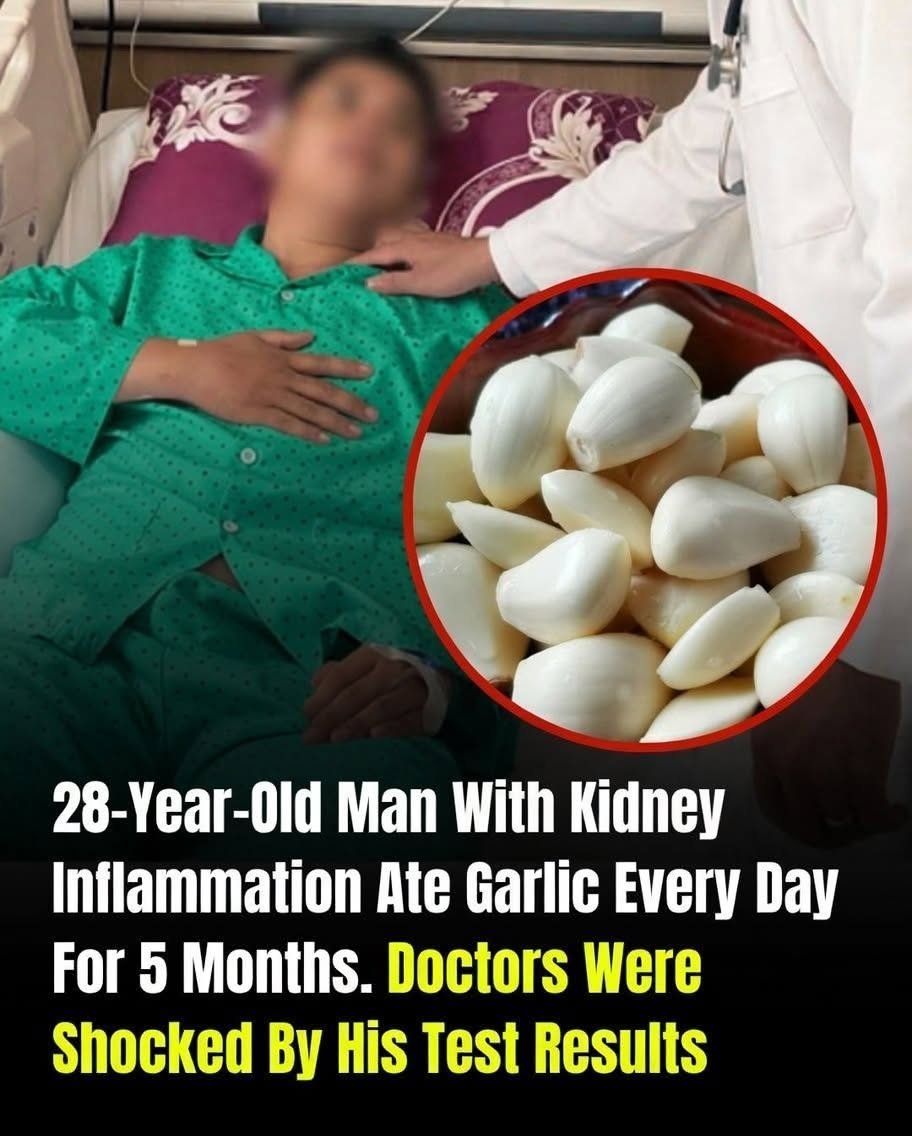
Garlic has a long history of being used as a food and traditional wellness ingredient, and modern research has investigated its potential effects on blood pressure, cholesterol, blood sugar, inflammation, and kidney-related health. However, the dramatic claim that eating garlic every day for five months can “heal” damaged kidneys is not supported by strong human clinical evidence. The National Center for Complementary and Integrative Health (NCCIH) reports that garlic supplements may modestly improve certain cardiovascular risk factors, such as cholesterol and blood pressure, but this is very different from reversing chronic kidney disease. Some experimental research has found potentially beneficial effects of garlic in animal models of diabetic kidney disease, but researchers specifically note that further clinical trials are needed before these findings can be applied to people. Therefore, garlic may be a nutritious addition to meals, but it should not be considered a proven kidney treatment or a replacement for prescribed medical care.
For someone with kidney disease, the overall diet and medical management matter far more than one ingredient. The National Kidney Foundation notes that garlic and other spices can be useful for adding flavor without relying heavily on salt, which can be helpful when following certain kidney-friendly eating patterns. At the same time, people with chronic kidney disease may have individual requirements for sodium, potassium, phosphorus, fluids, and other nutrients, depending on kidney function and treatment. Large amounts of garlic or concentrated garlic supplements should not automatically be assumed to be safer or more effective than ordinary culinary amounts. Garlic supplements may increase bleeding risk and can interact with some medicines, while raw garlic can cause heartburn, abdominal discomfort, nausea, or other digestive symptoms in some people. Anyone taking blood-thinning medication or managing kidney disease should discuss supplements and significant dietary changes with their healthcare professional.
The real lesson is that no single food can reliably “repair” the kidneys. Healthy kidney management may involve controlling blood pressure and blood sugar, taking prescribed medications correctly, following an individualized nutrition plan, avoiding medications that can damage the kidneys when inappropriate, and attending regular medical appointments. NIDDK specifically recommends discussing medicines, over-the-counter products, and supplements with healthcare professionals because some substances can affect kidney function or interact with treatment. Garlic can certainly remain part of a balanced diet for many people, but it should be viewed as food—not a miracle cure. Disclaimer: This article is for general educational and informational purposes only and does not constitute medical diagnosis, treatment, or personalized dietary advice. The claim that eating garlic for five months can “heal” the kidneys is not established medical fact, and some online health stories may be exaggerated or unauthenticated. Always verify important health claims through reliable medical sources and consult a qualified healthcare professional before using garlic supplements or changing treatment for kidney disease.
Leave a Reply