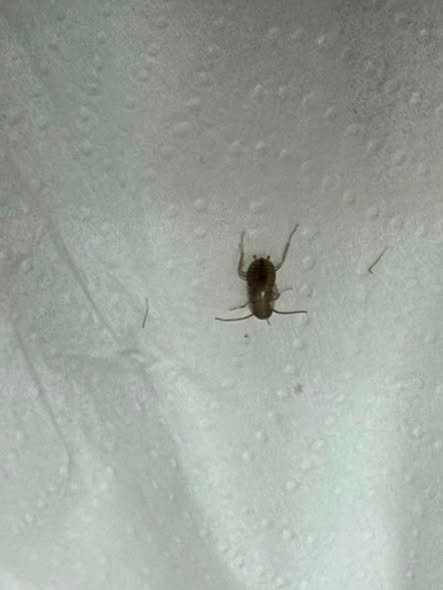
The insect in the photo appears to be a small beetle, possibly a ground beetle, but the image is not detailed enough to confirm the exact species. Ground beetles are common in Texas and can occasionally enter homes, particularly when they are attracted to outdoor lighting or accidentally find their way inside. Texas A&M AgriLife describes ground beetles as generally dark, hard-bodied insects with relatively long antennae, and notes that they are usually beneficial predators rather than household pests.
If you’re finding several of them, don’t immediately assume you have a dangerous infestation. Ground beetles generally feed on other insects and are considered beneficial outdoors; Texas A&M notes that they are generally not medically harmful and that routine control is usually unnecessary. However, other small brown beetles can look surprisingly similar. Carpet beetles, for example, are also common household insects, but their adults are usually smaller and more rounded, while their larvae are distinctly hairy or bristly. Pantry beetles are another possibility if the insects are appearing around stored food, spices, grains, or pet food. Because you have already found around seven, including several dead specimens, it would be useful to check window areas, baseboards, closets, pantry shelves, pet-food storage, and entry points around doors and windows. If they continue appearing, save one specimen in a small container or take a sharper close-up photograph showing its body, antennae, and size next to a coin. That information can make professional identification much easier.
The best approach is to identify the insect before using pesticides. Vacuuming visible insects, keeping food stored in sealed containers, reducing unnecessary outdoor lighting near entrances, and sealing obvious gaps around doors and windows can help reduce unwanted indoor visitors. Texas A&M also notes that finding only a few insects indoors can sometimes indicate accidental entry rather than an established household infestation. If you begin finding large numbers repeatedly, particularly around food, fabrics, or wooden structures, consider contacting a local pest-management professional or Texas A&M AgriLife Extension for species identification and appropriate control advice.
Disclaimer: This article is for general educational purposes only. The exact species cannot be confirmed from this photograph alone, so the identification above should be considered a possibility rather than a definitive diagnosis. Do not apply pesticides based solely on a social-media photograph. For a reliable identification and appropriate treatment, consult a qualified pest professional or local extension service.
Leave a Reply