Category: Uncategorized

  • This Frightening Case Shows How Quickly a Child’s Condition Can Deteriorate

    This Frightening Case Shows How Quickly a Child’s Condition Can Deteriorate

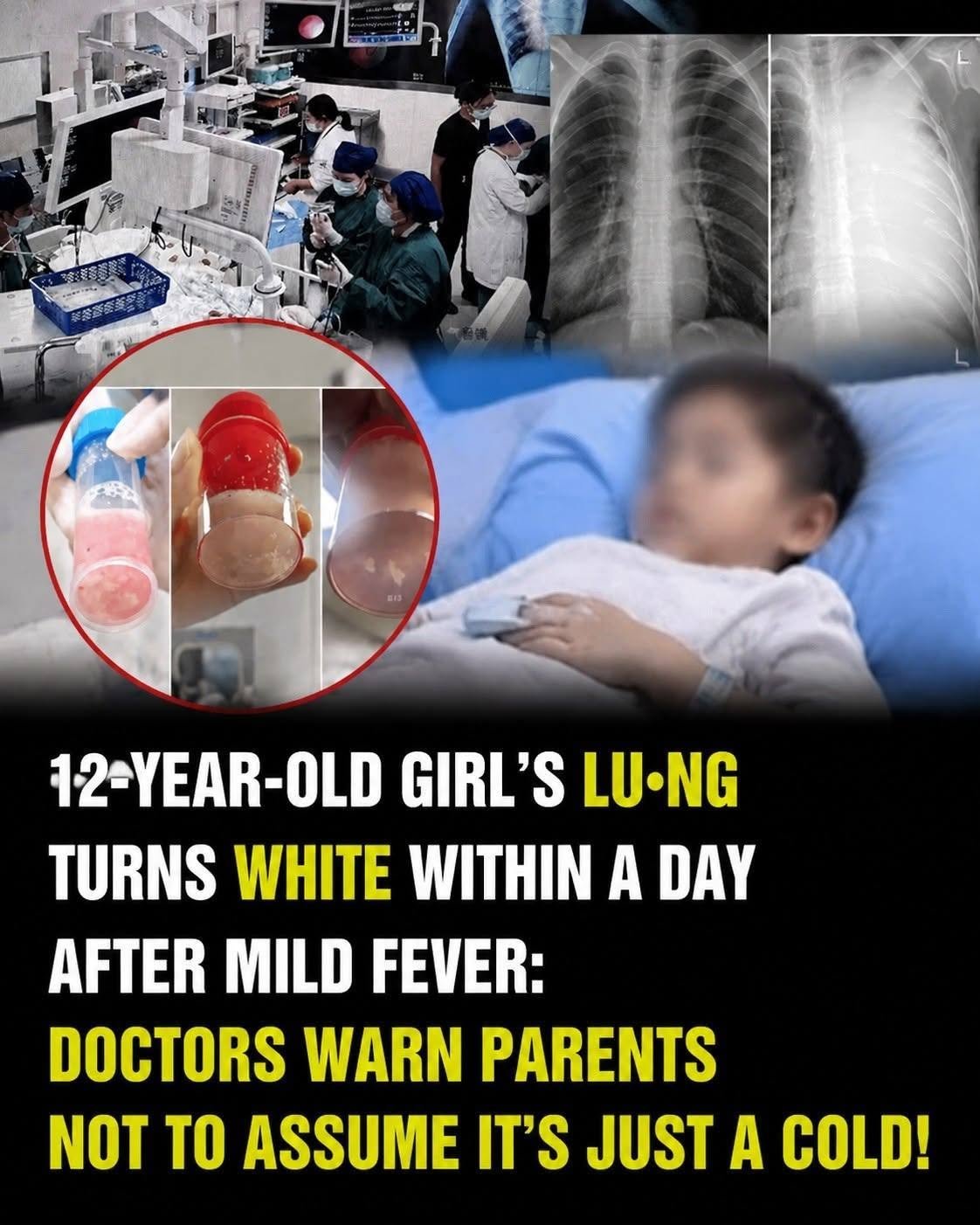
    Children can sometimes become seriously ill much faster than parents expect, particularly when an infection develops into a severe complication such as sepsis. Early symptoms may initially resemble an ordinary viral illness, including fever, vomiting, diarrhea, cough, sore throat, or unusual tiredness. As a serious illness progresses, however, a child may develop warning signs such as very rapid or difficult breathing, pale or bluish skin, unusual sleepiness, confusion, or a rash that does not fade when pressed. Because young children cannot always explain what they are experiencing, changes in behavior can be especially important. A child who suddenly becomes much less responsive, stops feeding normally, or seems dramatically different from usual deserves prompt attention rather than being assumed to have a routine illness.

    Parents and caregivers should pay particular attention to breathing, responsiveness, hydration, skin color, temperature, and unusual rashes. NHS guidance advises urgent medical attention when a child is breathing very fast or struggling to breathe, becomes difficult to wake, has a seizure, develops pale, blue, grey, or mottled skin, or develops a rash that does not fade when pressure is applied. Reduced urination can also be a warning sign of dehydration or serious illness. Importantly, a child does not need to have every warning sign before medical help is sought. Sepsis can develop rapidly, and official guidance emphasizes trusting your instincts when a child appears much sicker than expected or is deteriorating despite treatment. These symptoms do not automatically mean sepsis—many illnesses can produce similar signs—but they should never be ignored.

    The most important lesson is not to wait for a child to become extremely ill before seeking help. If a child suddenly deteriorates, has severe breathing difficulty, stops responding normally, has a seizure, develops blue or mottled skin, or develops a non-fading rash, emergency medical evaluation is appropriate. Parents know their child’s normal behavior better than anyone, so a significant and unexplained change can be an important reason to seek professional advice. Early assessment allows doctors to determine whether the illness is mild or requires urgent treatment. Disclaimer: This article is for general educational and informational purposes only and does not constitute medical diagnosis, treatment, or personalized medical advice. A rapidly worsening condition in a child can have many possible causes, and the symptoms described do not establish a diagnosis. Some online health information may be general or unauthenticated, so important claims should be verified through reliable medical sources and qualified healthcare professionals. If a child appears seriously ill or is deteriorating rapidly, seek emergency medical care immediately.


  • 9 Unusual Itching Symptoms That Could Be Your Body’s Way of Signaling an Underlying Problem

    9 Unusual Itching Symptoms That Could Be Your Body’s Way of Signaling an Underlying Problem

    Itchy skin is extremely common and is often caused by something relatively simple, such as dry skin, eczema, an allergic reaction, hives, insect bites, or irritation from soaps and detergents. However, persistent or unexplained itching can occasionally be associated with conditions affecting other parts of the body. Medical sources note that systemic causes can include thyroid disorders, liver or kidney disease, diabetes, iron deficiency, and certain blood disorders. Nine patterns that deserve attention include 1) itching all over without an obvious rash, 2) severe itching that repeatedly wakes you at night, 3) itching mainly on the palms or soles, 4) itching accompanied by unexplained fatigue, 5) itching with yellowing of the skin or eyes, 6) itching alongside changes in urination or swelling, 7) itching accompanied by unexplained weight loss, 8) itching with fever or night sweats, and 9) persistent itching that continues despite ordinary skin-care measures. These signs do not mean that someone necessarily has an underlying disease, but their persistence or combination with other symptoms can justify professional evaluation.

    One particularly important clue is itching without an obvious primary skin problem. When there is no visible rash or another clear dermatological explanation, doctors may consider whether an internal condition could be contributing. For example, itching can occur with impaired bile flow associated with certain liver conditions, chronic kidney disease, thyroid disorders, diabetes, and some blood-related illnesses. However, it is important not to jump to frightening conclusions. Most itching is still caused by common skin conditions or environmental triggers, and cancer is only one of many possibilities—not the default explanation. A medical professional may review medications and supplements, recent exposures, travel history, skin-care products, and other symptoms before deciding whether blood tests or additional examinations are appropriate. Persistent generalized itching, particularly in older adults, may warrant a more thorough assessment when no obvious cause can be identified.

    The best response is to observe the pattern rather than panic. Keeping the skin moisturized, avoiding harsh fragranced products, taking lukewarm rather than very hot showers, and reducing scratching can help with many uncomplicated causes of itching. But if itching is persistent, widespread, severe, repeatedly disrupting sleep, or accompanied by symptoms such as unexplained weight loss, fever, night sweats, yellow skin or eyes, significant fatigue, or other unusual changes, arrange an evaluation with a qualified healthcare professional. The goal is not to assume that itching signals a serious illness, but to identify the cause accurately when ordinary explanations do not fit. Disclaimer: This article is for general educational and informational purposes only and does not constitute medical diagnosis, treatment, or personalized health advice. Itching has many possible causes, and the symptoms described above are not proof of any particular disease. Some online health claims may be general, exaggerated, or unauthenticated, so important information should always be verified through reliable medical sources and a qualified healthcare professional.

  • 55-Year-Old Woman Has a “Young” Uterus and Glowing Skin? What 3 Foods Can Really Do

    55-Year-Old Woman Has a “Young” Uterus and Glowing Skin? What 3 Foods Can Really Do

    Claims that a 55-year-old woman can have a uterus “as young as a 20-year-old” simply by eating three foods are not supported by reliable medical evidence. Menopause naturally brings major hormonal changes, particularly a decline in estrogen, and these changes can affect reproductive tissues, bones, muscles, metabolism, and skin. The American College of Obstetricians and Gynecologists explains that menopause can cause vaginal dryness and changes in vaginal tissues, while hormone therapy—not specific foods—is an established medical option for certain menopausal symptoms. (acog.org) Nutrition can certainly support healthy aging, but it cannot literally reverse the biological age of the uterus. A healthy eating pattern may instead help provide nutrients needed for bones, muscles, cardiovascular health, and overall wellbeing after menopause.

    Three particularly valuable food groups are calcium-rich foods, soy foods, and colorful fruits and vegetables. Yogurt, milk, fortified alternatives, leafy greens, and other calcium-containing foods help support bone health, which becomes increasingly important after menopause. (womenshealth.gov) Soy foods such as tofu, edamame, and soy milk contain isoflavones, plant compounds that have been studied for their potential effects on some menopausal symptoms, although results vary and they should not be viewed as a replacement for medical treatment. (acog.org) Meanwhile, colorful vegetables and fruits provide fiber, vitamins, minerals, and antioxidant compounds that contribute to a nutritious dietary pattern. Foods containing healthy fats and omega-3 fatty acids—such as salmon, sardines, walnuts, and flaxseed—can also be valuable additions to a balanced menopause-friendly diet. (eatright.org)

    The idea of “glowing, firm skin” from three magic foods should also be treated cautiously. Good nutrition, hydration, adequate protein, regular exercise, sufficient sleep, and sun protection can all contribute to healthier-looking skin, but no single food can guarantee youthful skin or restore a person’s biological age. After menopause, maintaining adequate calcium and vitamin D, eating a balanced diet, and staying physically active are especially important for long-term health. (nia.nih.gov) The best approach is therefore to build a varied, nutrient-dense diet rather than depend on viral claims about miracle foods. Disclaimer: This article is for general educational and informational purposes only and does not constitute medical diagnosis, treatment, or personalized nutritional or hormonal advice. The claim that specific foods can make a 55-year-old uterus “as young as” a 20-year-old is not established medical fact, and some online information may be general, exaggerated, or unauthenticated. Always verify important health claims through reliable medical sources and consult a qualified healthcare professional regarding menopause, hormonal symptoms, or reproductive health.

  • 10 Warning Signs of Gluten Sensitivity You Shouldn’t Ignore

    10 Warning Signs of Gluten Sensitivity You Shouldn’t Ignore

    Gluten sensitivity can be confusing because its symptoms often overlap with other digestive conditions. Bloating, abdominal pain, excessive gas, diarrhea, constipation, and nausea are among the symptoms people may notice after eating foods containing wheat, barley, or rye. Non-celiac gluten sensitivity can also be associated with symptoms outside the digestive system, including unusual tiredness, headaches, difficulty concentrating or “brain fog,” joint or muscle discomfort, and skin changes. However, experiencing these symptoms does not automatically mean gluten is responsible. Celiac disease, irritable bowel syndrome, food allergies, and reactions to other components of wheat can produce similar problems. The National Institute of Diabetes and Digestive and Kidney Diseases emphasizes that non-celiac gluten sensitivity is different from celiac disease and wheat allergy.

    Ten symptoms that may deserve attention are 1) recurring bloating, 2) abdominal pain, 3) frequent gas, 4) diarrhea, 5) constipation or alternating bowel habits, 6) nausea, 7) persistent fatigue, 8) headaches, 9) brain fog or difficulty concentrating, and 10) unexplained skin rash or irritation. The important clue is often a consistent relationship between eating certain foods and the appearance or worsening of symptoms. However, there is currently no single widely accepted biomarker that can definitively diagnose non-celiac gluten sensitivity, making proper evaluation important. People should also avoid assuming that gluten is the culprit simply because symptoms improve after changing their diet; other components of wheat, including fermentable carbohydrates, may contribute to symptoms in some individuals.

    If you repeatedly experience these symptoms, the smartest step is to speak with a qualified healthcare professional before permanently eliminating gluten. Testing for celiac disease may be recommended, and removing gluten before testing can interfere with the diagnostic process. A healthcare professional can also consider wheat allergy, IBS, and other digestive conditions before recommending dietary changes. A balanced gluten-free diet can be nutritionally adequate when medically necessary, but unnecessary restriction may make it harder to obtain certain nutrients. Disclaimer: This article is for general educational and informational purposes only and does not constitute medical diagnosis, treatment, or personalized dietary advice. Gluten sensitivity, celiac disease, and wheat allergy are different conditions, and symptoms can overlap with many other disorders. Some information online may be general, exaggerated, or unauthenticated, so important health claims should be verified through reliable medical sources and a qualified healthcare professional before making significant dietary changes.

  • Ways to Address Bacteria That May Contribute to Bloating and Acid Reflux

    Ways to Address Bacteria That May Contribute to Bloating and Acid Reflux

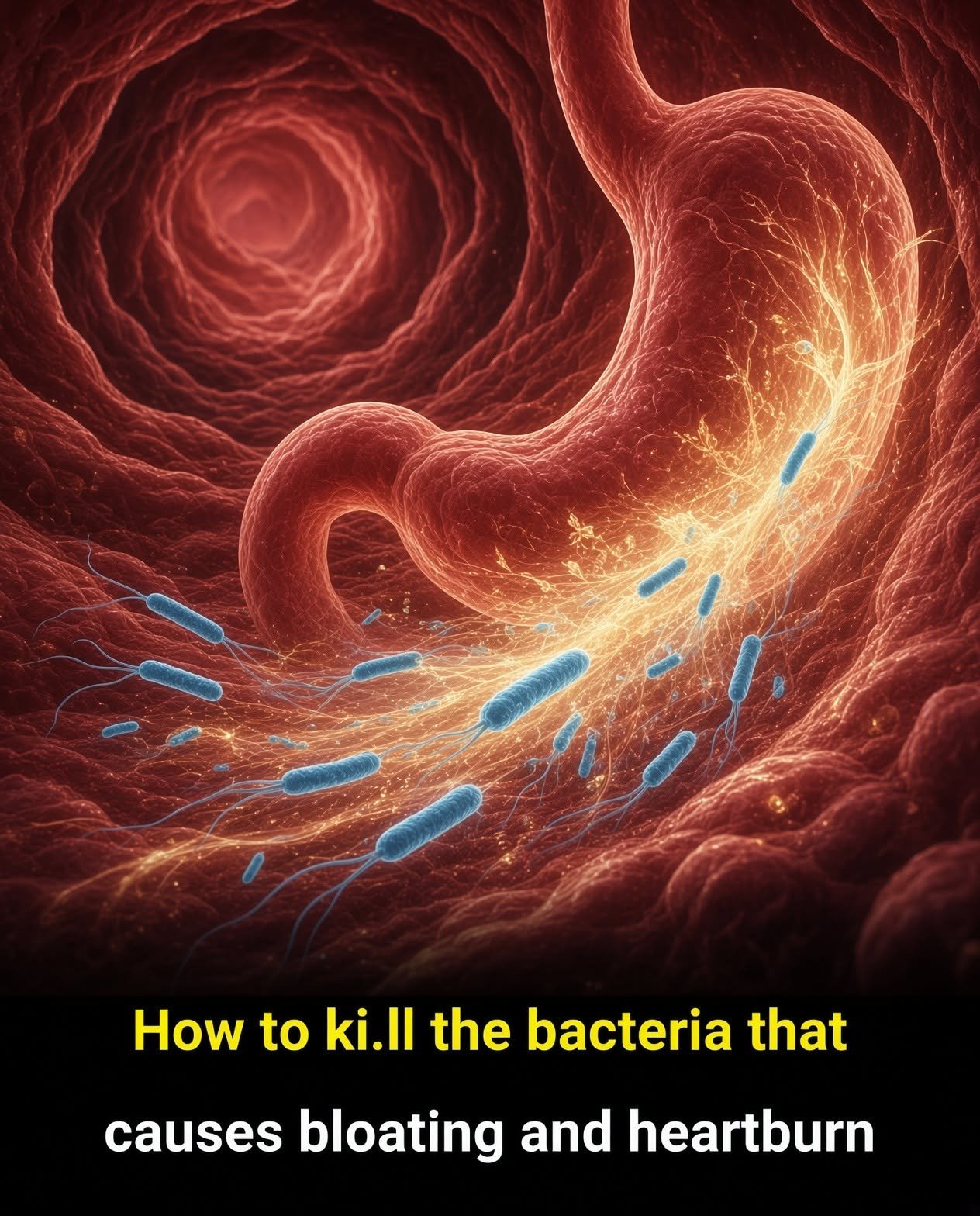
    Persistent bloating, burping, stomach discomfort, and acid reflux can sometimes be associated with Helicobacter pylori (H. pylori), a bacterium that can infect the stomach lining. Mayo Clinic notes that H. pylori can cause symptoms such as bloating, frequent burping, stomach pain, and indigestion, although many infected people have no symptoms at all. However, it is important not to assume that bacteria are automatically the cause of reflux. GERD commonly occurs when stomach contents flow backward into the esophagus, and factors such as large meals, fatty foods, caffeine, carbonated drinks, eating late, and lying down soon after eating can worsen symptoms. If bloating or reflux keeps returning, a healthcare professional can determine whether testing for H. pylori or another digestive condition is appropriate.

    If H. pylori is confirmed, antibiotics—not homemade “detox” remedies—are the established treatment. Doctors commonly use more than one antibiotic together with acid-reducing medicine, and follow-up testing is recommended after treatment to confirm that the infection has been cleared. H. pylori can be detected through tests such as a stool test or urea breath test, and sometimes through a biopsy during an endoscopy. Meanwhile, several everyday habits can help reduce bloating and reflux symptoms even when bacteria are not involved. Eating slowly, avoiding carbonated drinks, limiting personal trigger foods, and avoiding lying down for at least two to three hours after eating may help. Starting sleep on the left side can also reduce nighttime reflux for some people. These measures support digestive comfort, but they do not eradicate H. pylori if an infection is actually present.

    The most effective strategy is therefore to identify the underlying cause rather than trying to eliminate “bad bacteria” blindly. Probiotic products, herbal drinks, vinegar, or other natural remedies are sometimes promoted online as cures for stomach bacteria, but they should not replace appropriate testing and medical treatment. If symptoms occur frequently, worsen, or continue despite lifestyle changes, medical evaluation is worthwhile. Seek prompt medical attention for symptoms such as difficulty swallowing, persistent vomiting, unexplained weight loss, black or bloody stools, vomiting blood, severe abdominal pain, or significant weakness or dizziness. Disclaimer: This article is for general educational and informational purposes only and does not constitute medical diagnosis, treatment, or personalized dietary advice. Bloating and acid reflux have many possible causes, and H. pylori is only one possibility. Some health information online may be general, exaggerated, or unauthenticated, so important claims should be verified through reliable medical sources and a qualified healthcare professional.

  • Eggs Are Nutritious, but Seniors May Want to Be Mindful of These 3 Food Pairings

    Eggs Are Nutritious, but Seniors May Want to Be Mindful of These 3 Food Pairings

    Eggs are a convenient source of high-quality protein and provide nutrients such as vitamin B12, choline, selenium, and vitamin D. For older adults, protein is particularly valuable as part of an overall balanced diet because maintaining adequate nutrition becomes increasingly important with age. However, what you eat alongside eggs can matter as much as the eggs themselves. One pairing to be mindful of is eggs with processed meats such as bacon, sausages, or heavily processed luncheon meats. These foods can be high in sodium and saturated fat, and frequently choosing them may make an otherwise nutritious breakfast less heart-friendly. The American Heart Association recommends emphasizing healthier protein sources and limiting processed meats and foods high in saturated fat. (heart.org) Choosing vegetables, whole-grain toast, beans, or fresh fruit alongside eggs can create a more nutrient-dense meal.

    A second pairing worth considering is eggs with large amounts of high-saturated-fat foods, such as butter, cream-based sauces, or large quantities of full-fat cheese. Eggs themselves can fit into a healthy dietary pattern for many people, but repeatedly combining them with several sources of saturated fat can make the overall meal much heavier. The American Heart Association recommends replacing saturated fats with unsaturated fats when possible because this can help improve cholesterol levels and support cardiovascular health. (heart.org) A third consideration is pairing eggs with very salty foods, including certain packaged breakfast products and processed sauces. Excess sodium can contribute to higher blood pressure, which is an important cardiovascular risk factor, particularly among older adults. (heart.org) This does not mean seniors need to avoid eggs, cheese, or every salty food completely; portion size and the frequency of these combinations are more meaningful than one occasional meal.

    For most seniors, the smarter strategy is to focus on overall dietary quality rather than labeling eggs as dangerous. A boiled, poached, or lightly prepared egg paired with vegetables, whole grains, avocado, or other nutrient-rich foods can be a practical breakfast or meal. People with high cholesterol, cardiovascular disease, diabetes, kidney disease, or specific dietary restrictions may have different nutritional requirements and should follow individualized advice from their healthcare professional. The goal is variety: include protein, fiber-rich foods, vegetables, fruit, and healthy fats while keeping highly processed and excessively salty foods moderate. Disclaimer: This article is for general educational and informational purposes only and does not constitute medical diagnosis, treatment, or personalized nutritional advice. Food requirements vary considerably among individuals, especially with age and existing health conditions. The three pairings discussed are considerations rather than universally dangerous combinations, and some health information may be general or unauthenticated. Always verify important dietary claims through reliable medical sources and consult a qualified healthcare professional for personalized guidance.

  • Have You Ever Wondered What the Red and Yellow Dots on Tires Mean?

    Have You Ever Wondered What the Red and Yellow Dots on Tires Mean?

    Those small red and yellow dots on new tires are not random decorations—they are manufacturing and installation markings designed to help technicians position the tire correctly on a wheel. The yellow dot commonly indicates the tire’s lightest point, based on radial force or weight-related manufacturing measurements, depending on the tire manufacturer. During installation, a technician may align this yellow mark with the valve stem, which is often considered one of the heavier points of a wheel assembly. Doing so can potentially reduce the amount of additional balancing weight required. However, marking conventions can vary between tire manufacturers, so a yellow dot does not always have exactly the same meaning on every brand. These small markings are therefore part of the precision process used to improve wheel balance, ride quality, and overall driving comfort.

    The red dot is generally associated with the tire’s point of greatest radial force variation or a location identified by the manufacturer for matching the tire to the wheel’s runout. In some tire-and-wheel mounting procedures, technicians use the red mark to match the tire with a corresponding low point on the wheel. This process, sometimes called “match mounting,” can help minimize overall assembly variation. It is important to understand that red and yellow markings do not necessarily mean that a tire is defective or damaged. They are usually factory reference points intended to help professionals during installation. Some tires may have both markings, while others may have only one, and manufacturers can use different systems. Modern tire shops may also rely on balancing machines and manufacturer-specific procedures rather than simply matching a colored dot to the valve stem.

    So, if you notice these dots on your tires, there is usually no reason to panic or remove them. They are primarily useful during mounting and balancing, and they may eventually disappear through normal wear or simply remain on the sidewall without affecting performance. Proper tire installation, correct inflation pressure, regular rotation when recommended, and professional wheel balancing are much more important for long-term safety and tire life. If your vehicle develops steering-wheel vibration, uneven tire wear, pulling, or unusual road noise after installing new tires, have the tire-and-wheel assembly inspected by a qualified technician. Disclaimer: This article is for general educational and informational purposes only and does not constitute professional automotive advice. Tire markings can vary by manufacturer, so the exact meaning of a particular red or yellow dot should be confirmed with the tire manufacturer’s documentation or a qualified tire professional. Always verify important vehicle-safety information through reliable sources and follow the manufacturer’s recommendations.

  • This Is What Sleeping on the Left Side May Do for Your Brain, Stomach & Glymphatic Health

    This Is What Sleeping on the Left Side May Do for Your Brain, Stomach & Glymphatic Health

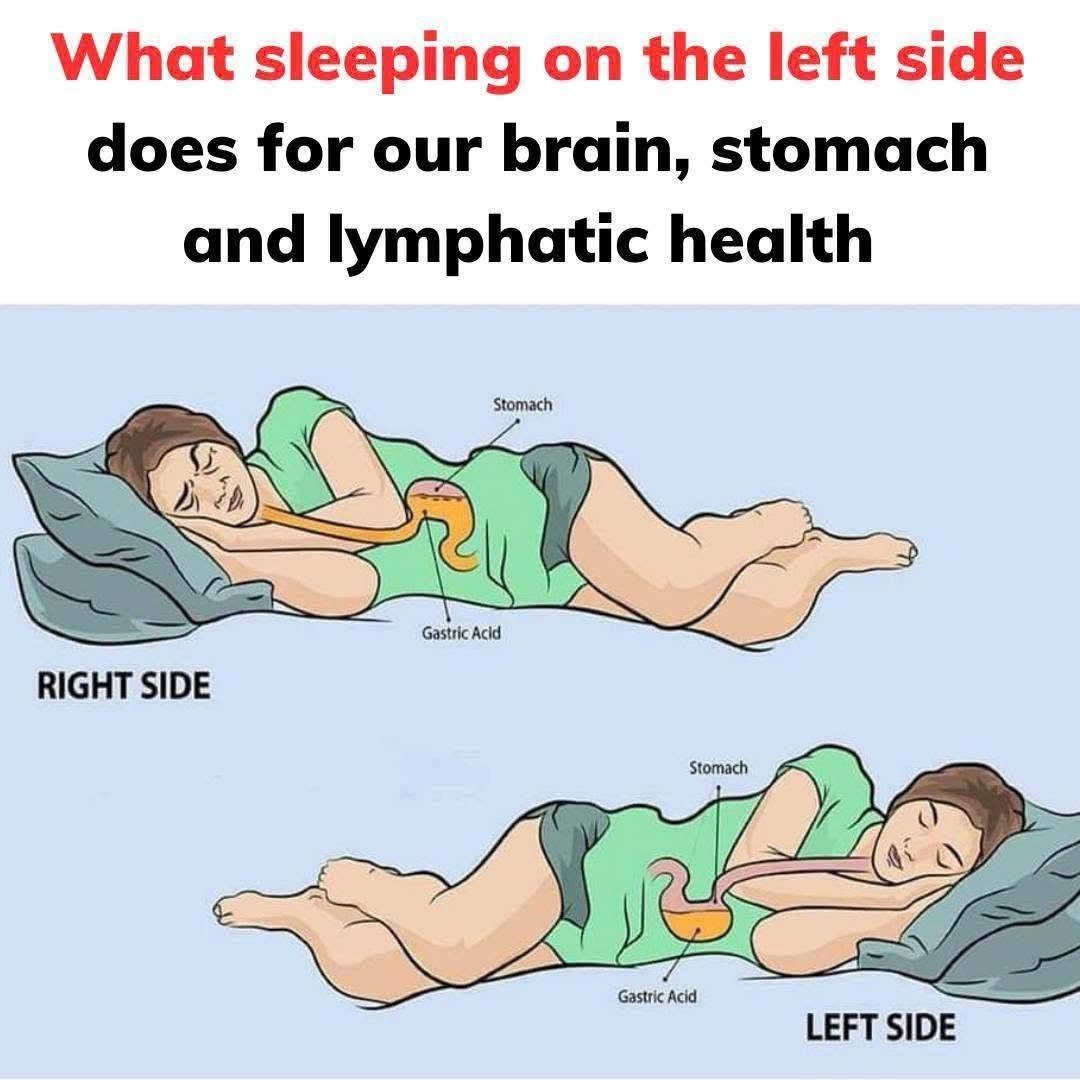
    Sleeping on your left side is often discussed as a simple wellness habit, and there is good evidence for one particular benefit: reducing nighttime acid reflux. A systematic review and meta-analysis found that left-side sleeping was associated with less nighttime acid exposure and faster clearance of reflux compared with sleeping on the right side or back. This may be related to the natural position of the stomach, which allows gravity to help keep stomach contents away from the esophagus. The American College of Gastroenterology also recognizes left-side sleeping as a useful lifestyle measure for people experiencing nighttime GERD symptoms. For people who regularly experience heartburn after going to bed, changing sleep position may therefore be a simple, low-cost strategy worth trying alongside other evidence-based lifestyle measures.

    The brain and glymphatic system are where online claims often become exaggerated. The glymphatic system is a network involved in the movement and clearance of waste products from the brain, and research suggests that sleep plays an important role in this process. However, the evidence does not currently prove that sleeping specifically on the left side dramatically “detoxes” the brain or prevents neurological disease. Research into body position and glymphatic transport has largely involved experimental models, and more human research is needed before strong health claims can be made. Good-quality sleep itself remains the more established priority. Maintaining a consistent sleep schedule, creating a comfortable sleep environment, limiting disruptive habits before bedtime, and addressing conditions that interfere with sleep may offer broader benefits for brain health than forcing yourself to remain on one particular side throughout the night. A comfortable sleeping position that allows you to obtain sufficient, uninterrupted sleep is generally more important than following a viral “perfect position” rule.

    Overall, left-side sleeping can be particularly helpful for people with nighttime reflux, but it should not be presented as a miracle technique for brain cleansing, digestion, or disease prevention. If you naturally sleep on your left side and find it comfortable, there is generally no reason to change simply because of health myths circulating online. If another position gives you better-quality sleep without causing symptoms, that may be more appropriate for you. People experiencing frequent heartburn, difficulty swallowing, unexplained chest discomfort, persistent nighttime symptoms, or significant sleep disruption should discuss these concerns with a qualified healthcare professional. Disclaimer: This article is for general educational and informational purposes only and does not constitute medical diagnosis, treatment, or personalized health advice. Evidence for specific effects of left-side sleeping on glymphatic or brain health remains limited, and some online claims may be general, exaggerated, or unauthenticated. Always verify important health information through reliable medical sources and consult a qualified healthcare professional before making significant changes to your health routine.

  • White Spots on Your Arms or Legs? Here’s What Your Body May Be Trying to Tell You

    White Spots on Your Arms or Legs? Here’s What Your Body May Be Trying to Tell You

    White or lighter-colored spots on the arms and legs can have several possible causes, and not every white spot means something serious. One common possibility, particularly on sun-exposed areas such as the forearms and shins, is idiopathic guttate hypomelanosis (IGH). This condition produces small, light-colored or white spots and is considered benign. Another possibility is vitiligo, a condition in which pigment-producing cells are lost, creating pale or completely white patches. Vitiligo can affect the hands, arms, legs, face, and other areas, and the patches may gradually become more noticeable. These differences are important because a white spot is a visible skin change, not a diagnosis by itself. Factors such as age, sun exposure, previous skin injury, family history, and the pattern of the spots can all help a dermatologist determine the likely cause.

    Another condition that can create lighter patches is tinea versicolor, a common skin condition caused by an overgrowth of yeast that normally lives on the skin. The American Academy of Dermatology notes that these patches can be lighter or darker than surrounding skin and may appear dry, scaly, or itchy. This can sometimes be confused with vitiligo because both conditions can produce areas of lighter skin. Previous inflammation, irritation, or injury can also leave areas of skin with reduced pigmentation. Because these conditions require different approaches, applying random creams or relying on internet photographs may not provide the right solution. A dermatologist can examine the spots and, when necessary, use additional testing to distinguish between different causes. If the spots are rapidly spreading, changing in appearance, becoming completely white, or appearing alongside other unusual skin changes, professional evaluation is a sensible step.

    The best approach is to avoid panic while paying attention to changes. Protecting exposed skin from excessive sunlight is particularly important when areas have reduced pigmentation because lighter skin can be more vulnerable to sunburn. Avoid harsh home remedies, aggressive scrubbing, or unverified “skin-whitening” products, as these may irritate the skin and potentially make discoloration more noticeable. If white spots persist, multiply, become itchy or scaly, or are accompanied by other symptoms, a qualified dermatologist can help identify the underlying cause and recommend appropriate treatment. Many causes are manageable or harmless, but accurate identification is more valuable than guessing from a viral health headline. Disclaimer: This article is for general educational and informational purposes only and does not constitute medical diagnosis, treatment, or personalized skincare advice. White spots can have many causes, and information found online may be general, incomplete, or unauthenticated. Always verify important health information through reliable medical sources and consult a qualified healthcare professional for persistent, spreading, or unusual skin changes.

  • People Often Consume This Food Without Knowing It Could Contain Harmful Parasites

    People Often Consume This Food Without Knowing It Could Contain Harmful Parasites

    One food category that can carry harmful parasites is raw or undercooked fish, including fish used in sushi, sashimi, ceviche, and similar dishes. The CDC explains that foodborne parasites can be transmitted through undercooked fish and other seafood, as well as undercooked meat, raw aquatic plants, and contaminated raw vegetables. This does not mean that every piece of fish contains parasites or that people should stop eating fish. Fish remains an important source of protein and other nutrients, but preparation makes a major difference to food safety. The FDA specifically notes that raw fish is more likely to contain parasites or bacteria than properly cooked fish. The risk can vary depending on the species, source, handling practices, and whether appropriate parasite-control procedures were followed before the food reached the consumer.

    Other foods can present similar concerns when they are raw, undercooked, or improperly washed. Undercooked meat can transmit certain parasites, while raw aquatic plants such as watercress and contaminated vegetables can also be potential sources. One of the simplest ways to reduce risk is thorough cooking. The CDC recommends cooking fish to a safe internal temperature of 145°F (63°C), while appropriate temperatures for different meats vary. Washing fresh produce under running water is also an important food-safety practice, although washing cannot eliminate every possible contaminant. People who are pregnant, older, or have weakened immune systems should be especially careful because foodborne infections can be more serious for these groups.

    The good news is that you do not need to become afraid of your favorite foods. Smart preparation, proper hygiene, and reliable sourcing can significantly reduce foodborne risks. Choose reputable food suppliers, keep raw seafood and meat properly refrigerated, prevent cross-contamination, wash fresh produce, and cook foods thoroughly when parasite risk is a concern. If you regularly consume raw fish or seafood, understanding how it has been handled and prepared is particularly important. The goal is not to eliminate nutritious foods from your diet, but to enjoy them responsibly and safely. Disclaimer: This article is for general educational and informational purposes only and does not constitute medical diagnosis, treatment, or personalized dietary advice. Parasite risk varies according to the food, source, geography, handling, and preparation method. Some health claims may be general, exaggerated, or unauthenticated, so important information should be verified through reliable medical and food-safety sources and qualified healthcare professionals.