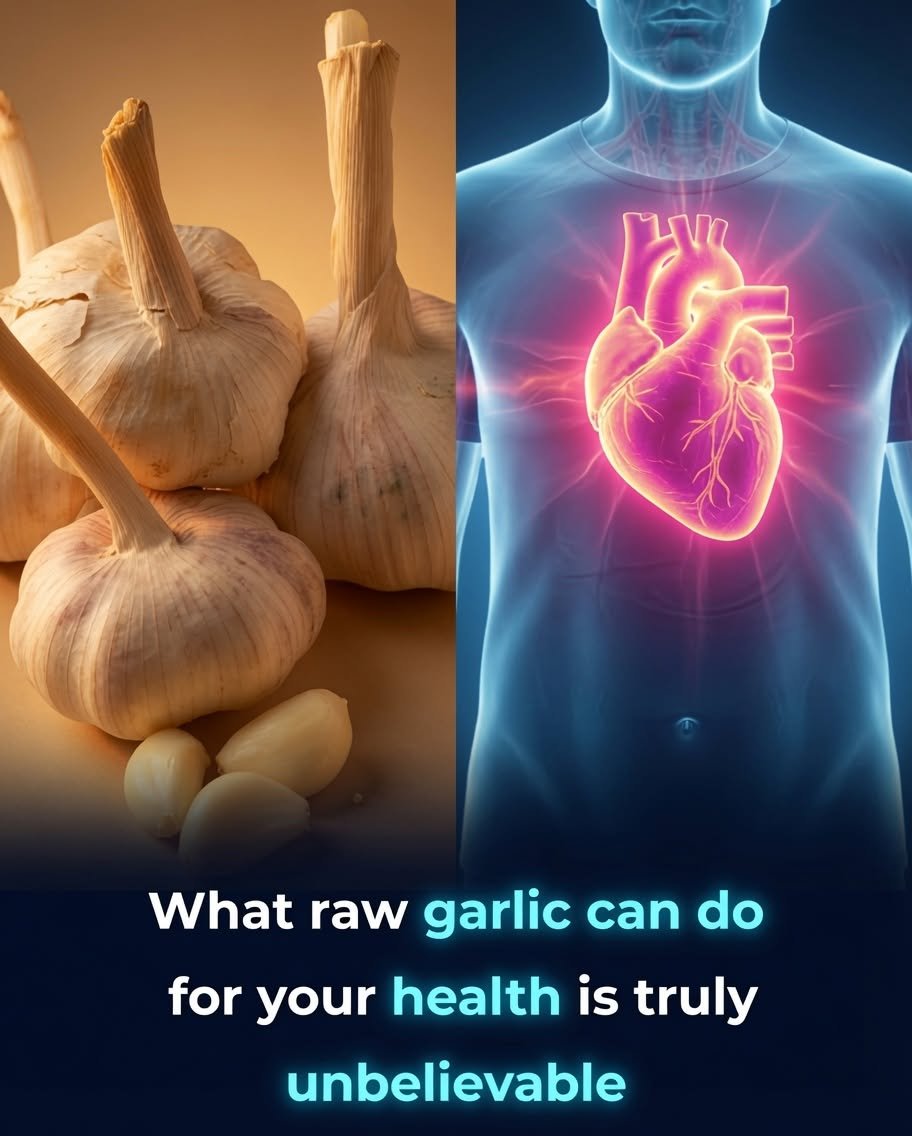
Garlic has been used in cooking and traditional health practices for centuries, but modern researchers have also investigated its bioactive compounds and potential health effects. When fresh garlic is chopped, crushed, or chewed, it produces allicin, a sulfur-containing compound responsible for much of garlic’s characteristic aroma. Garlic also contains other sulfur compounds and antioxidants that researchers believe may influence several biological pathways. Studies have examined garlic in relation to cardiovascular health, blood pressure, cholesterol, immune function, and inflammation. However, evidence varies depending on whether researchers are studying fresh garlic, aged garlic extract, or concentrated supplements, so results from one form cannot automatically be applied to another. (nccih.nih.gov)
One of the most studied areas is cardiovascular health. Some clinical research suggests that garlic preparations may produce modest reductions in blood pressure among people with hypertension. A review of randomized trials found that garlic supplementation was associated with reductions in blood pressure in some participants, although the quality and type of evidence varied. (pubmed.ncbi.nlm.nih.gov) Research has also explored possible effects on cholesterol and triglyceride levels. The National Center for Complementary and Integrative Health notes that garlic supplements may have small effects on cholesterol and blood pressure, but evidence is not strong enough to consider garlic a replacement for proven medical treatments. (nccih.nih.gov) Garlic’s sulfur compounds have also attracted scientific interest because laboratory studies suggest antioxidant and anti-inflammatory activity. Importantly, promising laboratory findings do not necessarily mean that eating garlic will prevent or treat a particular disease in humans.
For most people, adding garlic to meals is a simple way to increase flavor and variety without relying heavily on salt or highly processed sauces. Garlic can be incorporated into vegetables, soups, beans, whole grains, and other balanced meals. Some people may experience heartburn, stomach discomfort, or bad breath after consuming larger amounts, while concentrated garlic supplements can interact with certain medications. In particular, garlic supplements may increase bleeding risk, which can be important for people taking anticoagulant or antiplatelet medicines or preparing for surgery. (nccih.nih.gov) The practical message is that garlic can be part of a nutritious diet, but it should not be promoted as a miracle cure. Disclaimer: This article is for general educational and informational purposes only and does not constitute medical, nutritional, or treatment advice. Research on garlic is ongoing, and potential benefits depend on the form, amount, and individual circumstances. Always verify health claims through reliable scientific and medical sources and consult a qualified healthcare professional before using concentrated garlic supplements, especially if you take prescription medication or have a medical condition.
Leave a Reply