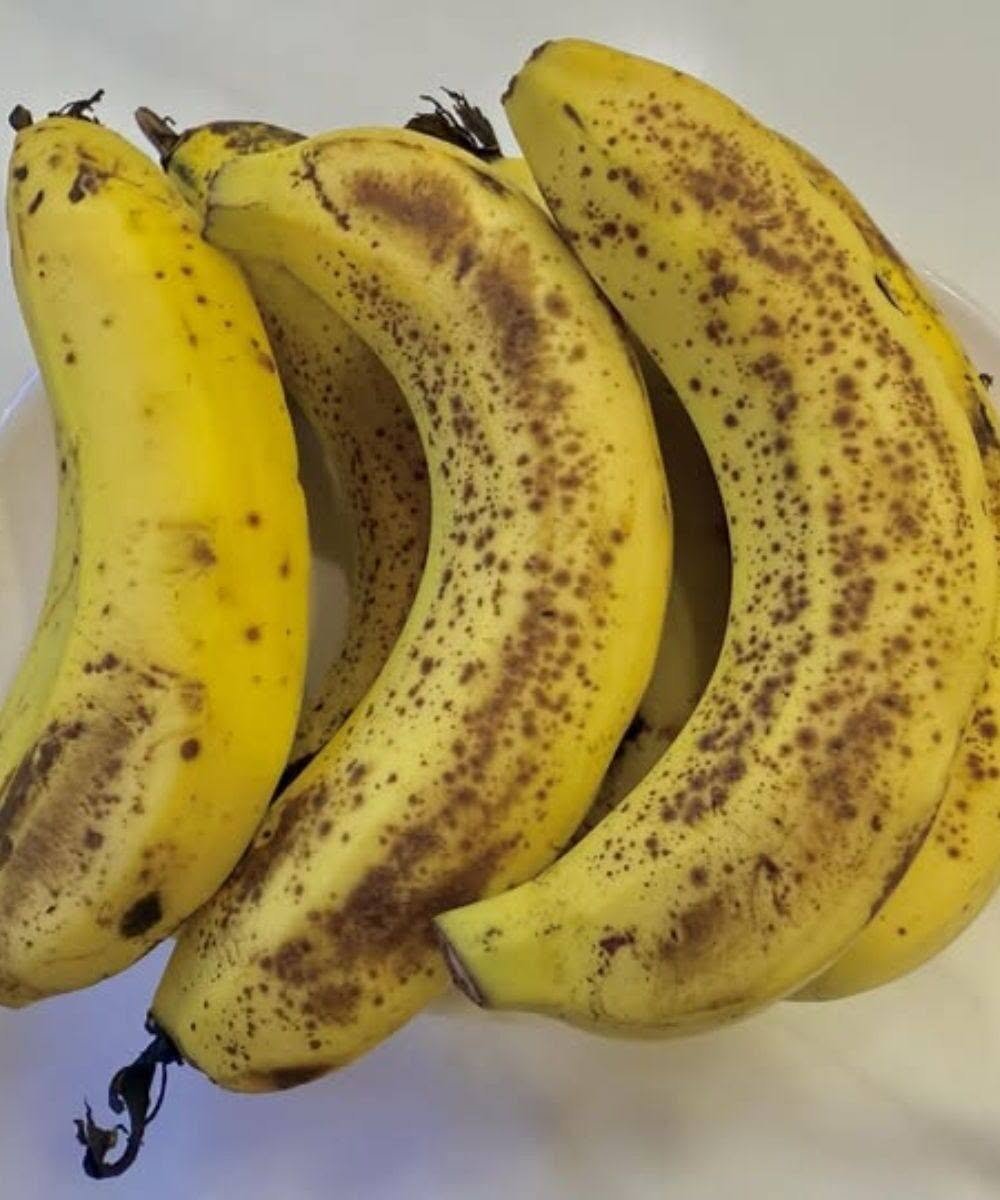
Digital media platforms frequently feature fresh produce photography paired with alarmist clickbait headlines—such as warning that eating bananas at night leads to hidden health hazards or severe physiological disruptions. These viral posts are specifically engineered to provoke dietary anxiety, curiosity, and rapid online comment sharing rather than providing accurate, evidence-based nutritional or clinical education.
From a clinical nutrition and sleep science perspective, bananas are a nutrient-dense fruit rich in essential vitamins, complex carbohydrates, potassium, and magnesium. In fact, the natural magnesium and potassium found in bananas act as mild muscle relaxants, and they contain tryptophan, which the body uses to produce serotonin and melatonin. Consuming a banana in the evening or before bed is a healthy, safe snack that supports relaxation and sleep hygiene, rather than a medical risk. Sensationalized online content regularly mischaracterizes wholesome, everyday foods as dangerous anomalies to maximize digital engagement metrics.
Maintaining a balanced diet and healthy sleep habits involves eating nutritious whole foods, listening to individual digestive needs, and relying on professional clinical guidance rather than alarming internet generalizations. Personal nutritional choices should always reflect verified scientific research rather than social media clickbait. If you have specific dietary restrictions, metabolic conditions, or chronic sleep disturbances, consulting a licensed physician or registered dietitian provides safe, evidence-based direction.
Leave a Reply