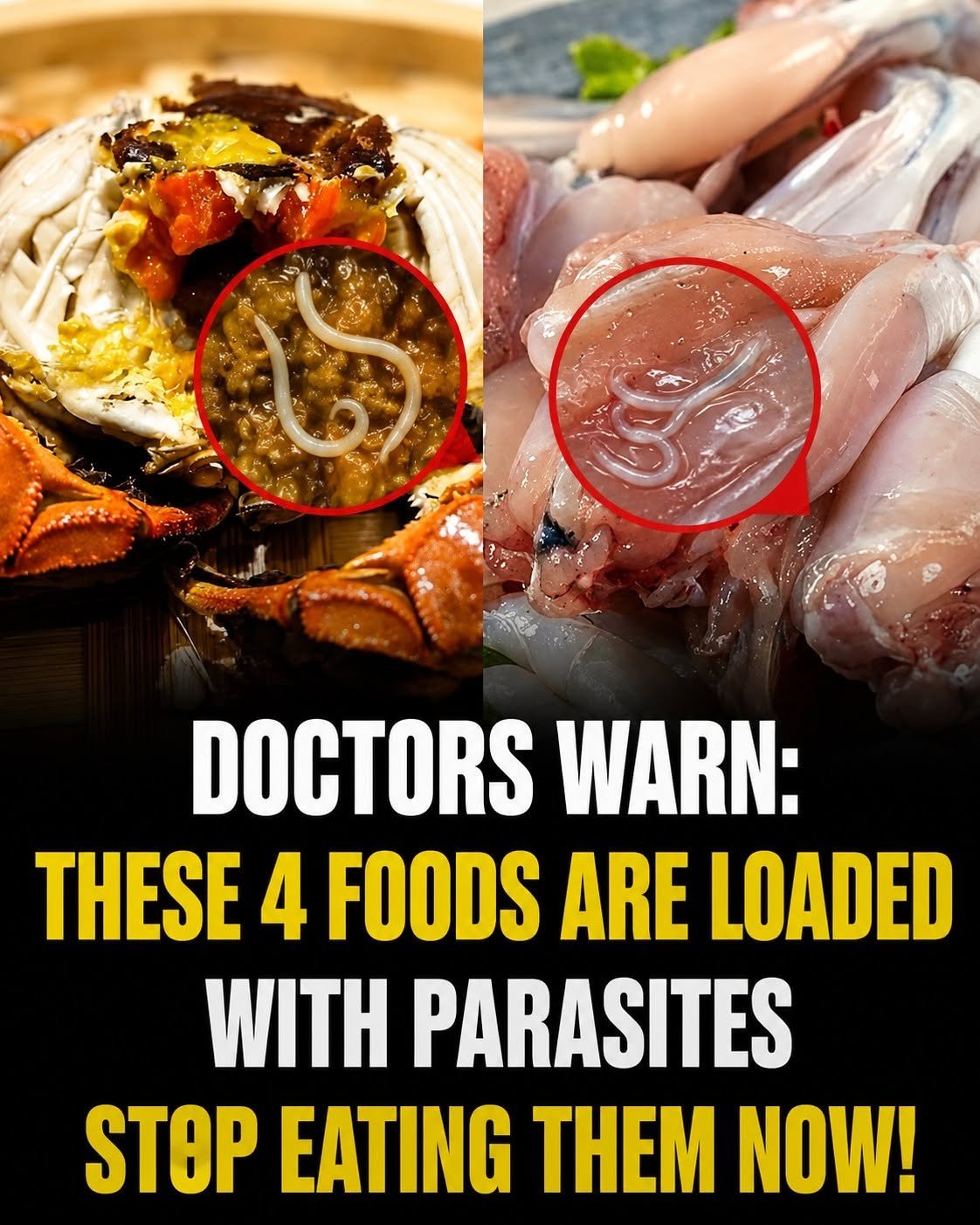
Digital media platforms frequently feature alarming microscopic or visceral imagery paired with sensationalized clickbait headlines—such as warning that popular foods are “loaded with dangerous parasites” and demanding readers stop eating them immediately. These viral posts are specifically engineered to provoke visceral fear, food anxiety, and rapid online sharing rather than providing accurate, evidence-based parasitological or food safety education.
From a clinical parasitology and food safety perspective, certain raw, undercooked, or improperly handled animal products—such as freshwater fish, shellfish, and specific meats—can occasionally harbor parasites like nematodes or trematodes. However, public health agencies enforce rigorous inspection protocols, and standard culinary practices like thorough cooking, proper refrigeration, and safe food handling effectively eliminate these risks. Sensationalized online content regularly exaggerates isolated or poorly prepared food risks into terrifying, universal bans to maximize digital engagement metrics and ad revenue.
Maintaining food safety involves adhering to established kitchen hygiene standards, cooking meats and seafood to recommended internal temperatures, sourcing food from regulated suppliers, and relying on professional public health guidance rather than alarming internet generalizations. Personal dietary choices and health precautions should always reflect scientific food safety guidelines rather than sensationalized media framing. If you suspect a foodborne illness or have specific concerns about food safety, consulting a licensed physician or public health authority provides safe, evidence-based direction.
Leave a Reply