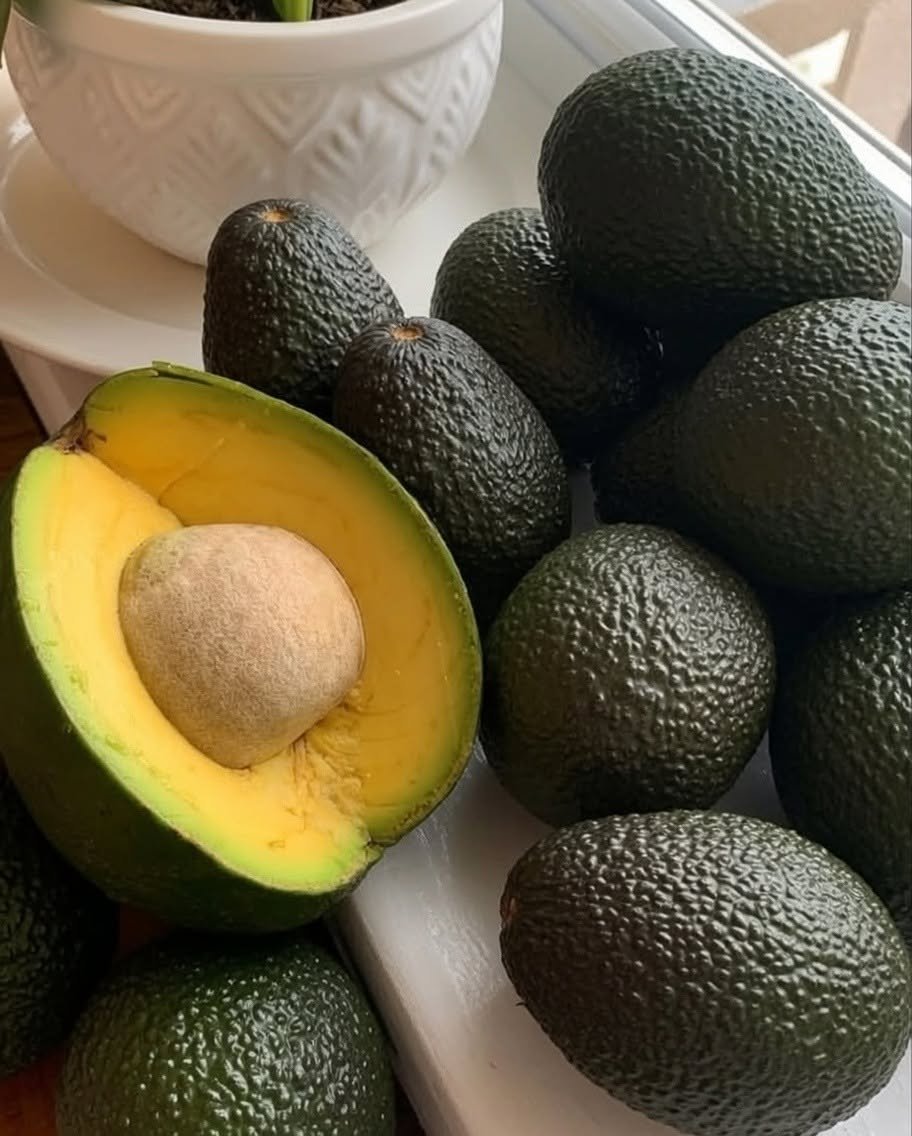
Avocados are often praised for their creamy texture and impressive nutritional profile, and there is good reason for their popularity. They provide fiber, potassium, magnesium, folate, vitamins C, E and K, and predominantly unsaturated fats. These nutrients can make avocado a valuable part of a balanced eating pattern. Its fiber content may support normal digestion and fullness, while replacing foods high in saturated fat—such as butter or certain processed meats—with avocado can improve the overall quality of dietary fat. A large observational study involving more than 110,000 health professionals found that eating at least two servings of avocado per week was associated with a lower risk of cardiovascular disease, although this type of study cannot prove that avocado itself caused the reduction in risk.
There are also a few unexpected considerations. Because avocados are energy-dense, eating very large portions can add significant calories even though the fats are predominantly unsaturated. For someone trying to manage body weight, portion size still matters. Avocados are also relatively rich in potassium, which is beneficial for many healthy adults but may require dietary consideration for people with certain kidney conditions. The USDA identifies avocado as a source of potassium, fiber, magnesium, and several vitamins. Another important point is what you eat with avocado. Adding it to vegetables, whole grains, beans, or other nutrient-rich foods can create a balanced meal, whereas turning it into a high-calorie dish with excessive salt or other calorie-dense ingredients can change the overall nutritional value. The American Heart Association’s 2026 dietary guidance emphasizes replacing saturated fats with unsaturated fats and choosing minimally processed foods as part of a heart-healthy dietary pattern.
Overall, avocado can be a smart and versatile food, but it should be viewed as one component of a varied diet rather than a miracle food. A reasonable portion can be added to salads, whole-grain toast, sandwiches, or homemade meals to provide satisfying healthy fats and fiber. If you have kidney disease, a food allergy, or another condition requiring specific dietary restrictions, your nutritional needs may be different. Disclaimer: This article is for general educational and informational purposes only and does not constitute medical diagnosis, treatment, or personalized nutritional advice. Avocados may support a healthy dietary pattern, but they cannot independently prevent or treat major diseases. Some online health claims may be exaggerated, incomplete, or unauthenticated, so always verify important information through reliable medical sources and consult a qualified healthcare professional for advice tailored to your individual needs.
Leave a Reply