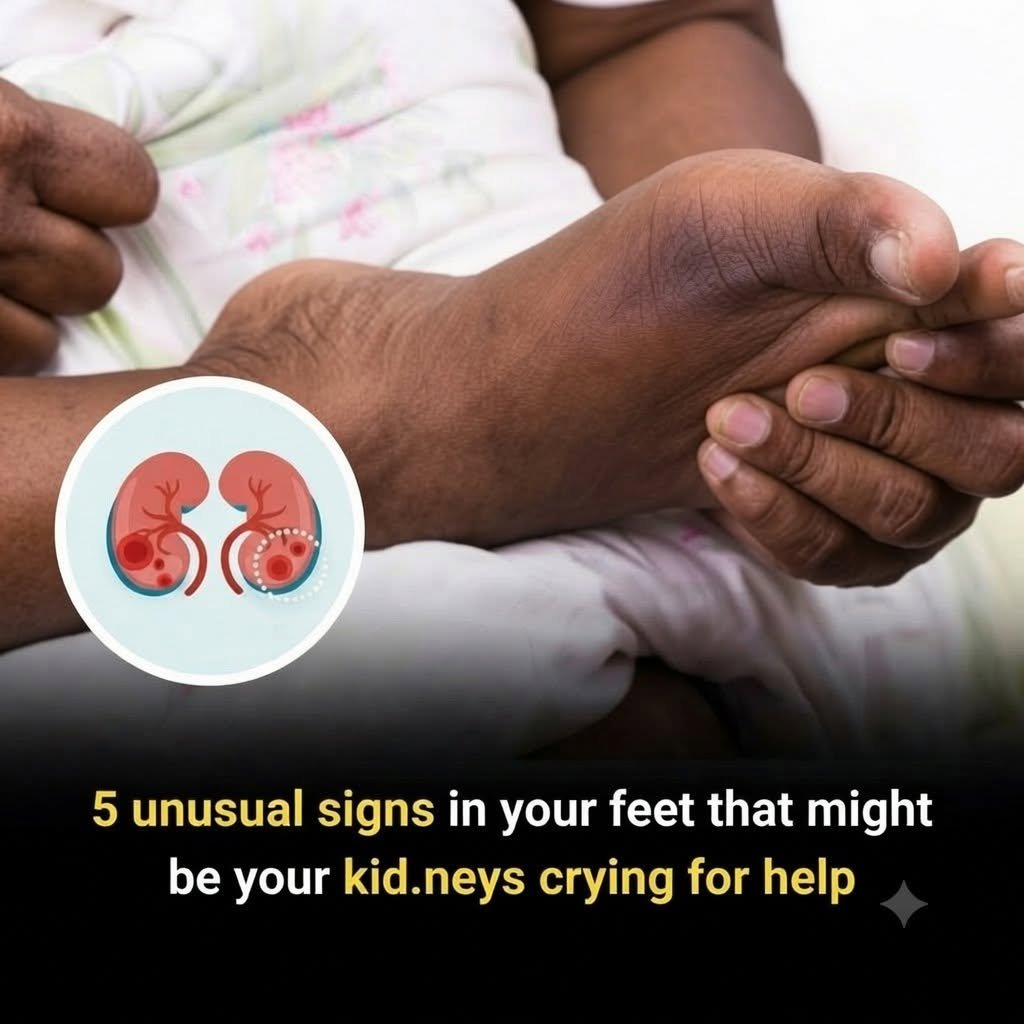
Your feet can sometimes show changes associated with problems elsewhere in the body, including the kidneys, but one symptom alone cannot diagnose kidney disease. One of the most noticeable changes is persistent swelling around the feet and ankles. When kidney function is reduced, the body may retain excess fluid and salt, which can contribute to edema in the legs, feet, and ankles. (niddk.nih.gov) A second possible clue is rapid or unexplained weight gain, particularly when it occurs alongside swelling, because retained fluid can increase body weight. A third is persistent itching or unusually dry skin. These symptoms can occur in more advanced kidney disease, although they have many other possible causes. (niddk.nih.gov)
A fourth sign to pay attention to is frequent muscle cramps or unusual weakness in the legs and feet. Muscle cramps can occur with advanced kidney disease and changes in the body’s fluid and mineral balance, but they are also common for many unrelated reasons. (niddk.nih.gov) A fifth clue is swelling that appears together with foamy urine or changes in urination. Foamy urine can sometimes indicate excess protein in the urine, while changes in how often someone urinates can occur as kidney disease progresses. (niddk.nih.gov) However, these signs are not specific to kidney disease. Heart, liver, vein, medication, dietary, and other health problems can also cause swelling or changes in the feet.
Perhaps the most important fact is that early chronic kidney disease often causes no obvious symptoms. Many people discover kidney problems only through blood and urine testing. NIDDK recommends kidney testing for people with important risk factors such as diabetes, high blood pressure, heart disease, or a family history of kidney failure. Testing commonly includes a blood test estimating kidney filtration (GFR) and a urine test for albumin. (niddk.nih.gov) If you develop persistent swelling, significant changes in urination, unexplained foamy urine, or other concerning symptoms, speak with a healthcare professional rather than trying to diagnose yourself from your feet. Disclaimer: This article is for general educational and informational purposes only and does not constitute medical diagnosis, treatment, or personalized health advice. Foot changes can have many causes and do not prove kidney disease. Health claims online may be exaggerated, misleading, or unauthenticated, so always verify important information through reliable medical sources and consult a qualified healthcare professional for appropriate testing and guidance.
Leave a Reply