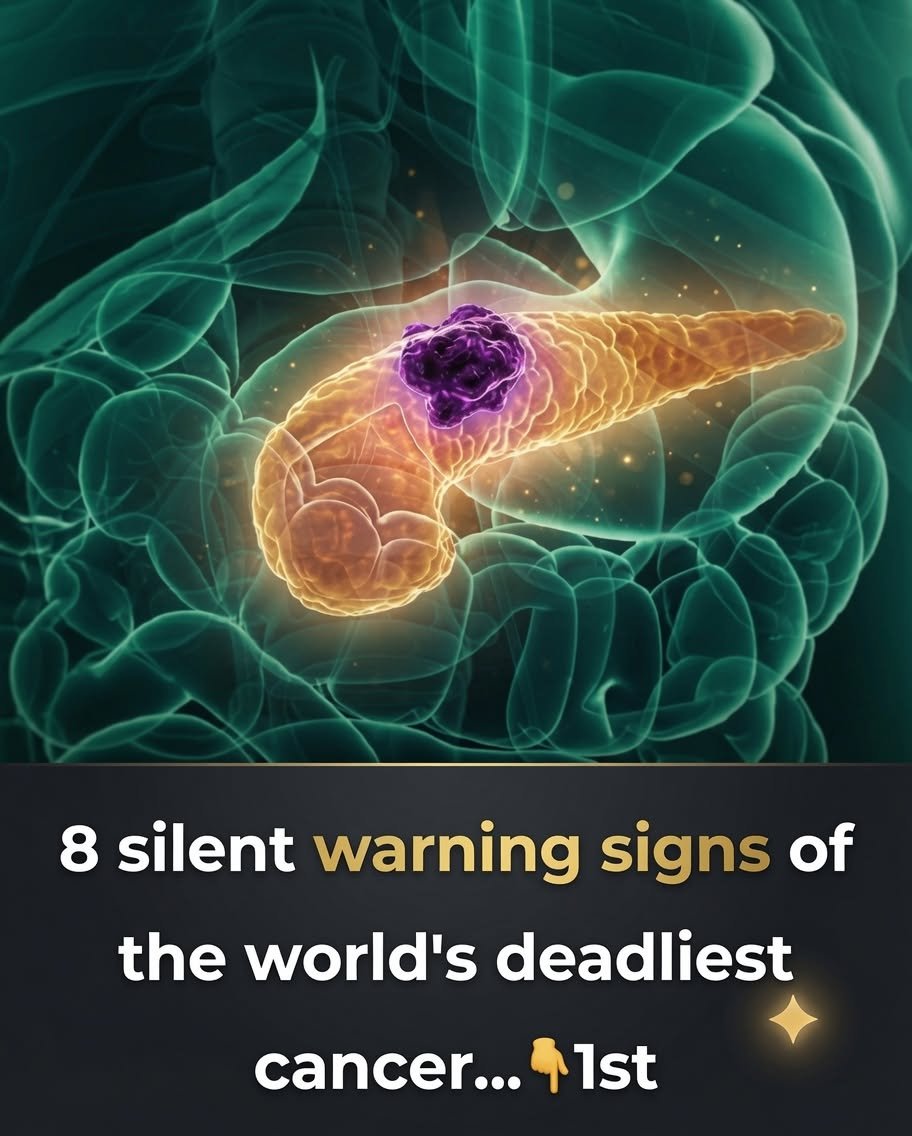
Cancer can sometimes develop quietly, but certain persistent or unexplained changes in the body deserve medical attention. Eight warning signs worth knowing include an unexplained lump or swelling, unexplained weight loss, unusual or persistent fatigue, unexplained bleeding or bruising, pain that does not improve or keeps getting worse, changes in the skin such as a new or changing mole or a sore that does not heal, persistent changes in bowel or bladder habits, and a cough or hoarseness that does not go away. Other symptoms can include persistent fever or night sweats, difficulty swallowing, unexplained appetite changes, or swollen lymph nodes. These signs are important to recognize because early evaluation can sometimes help identify cancer at a stage when treatment is more effective. However, having one of these symptoms does not mean you have cancer—many are much more commonly caused by infections, inflammation, medication effects, hormonal changes, or other health conditions.
Pay particular attention when a symptom is new, unexplained, persistent, or progressively worsening. For example, an unusual lump that continues to grow, blood in the stool or urine, unexplained weight loss, persistent abdominal or chest pain, or a skin lesion that repeatedly bleeds or refuses to heal should be assessed rather than ignored. Some symptoms may also appear in combinations. Persistent itching throughout the body, for example, is usually caused by something other than cancer, but medical evaluation is recommended when it lasts, disrupts sleep, or occurs alongside unexplained weight loss, fever, night sweats, jaundice, or swollen lymph nodes. Similarly, unusual fatigue can have countless causes, but persistent fatigue combined with other unexplained changes should be discussed with a healthcare professional. The goal is not to diagnose yourself from a symptom list, but to recognize when something has changed enough to warrant proper evaluation.
If you notice a concerning change, consider making an appointment with a qualified healthcare professional rather than waiting for it to disappear. Depending on your symptoms, medical history, and age, a clinician may recommend an examination, blood tests, imaging, or other diagnostic testing. Routine screening is also important because certain cancers can be detected before symptoms appear. Avoid relying on social-media checklists, “miracle” foods, or home remedies to determine whether a symptom is cancer-related. The most valuable step is finding the actual cause. Disclaimer: This article is for general educational and informational purposes only and does not constitute medical advice, diagnosis, or treatment. These warning signs are not proof of cancer, and most can have non-cancerous explanations. Always verify cancer-related information through reliable medical and scientific sources and consult a qualified healthcare professional about any new, persistent, unexplained, or worsening symptoms.
Leave a Reply