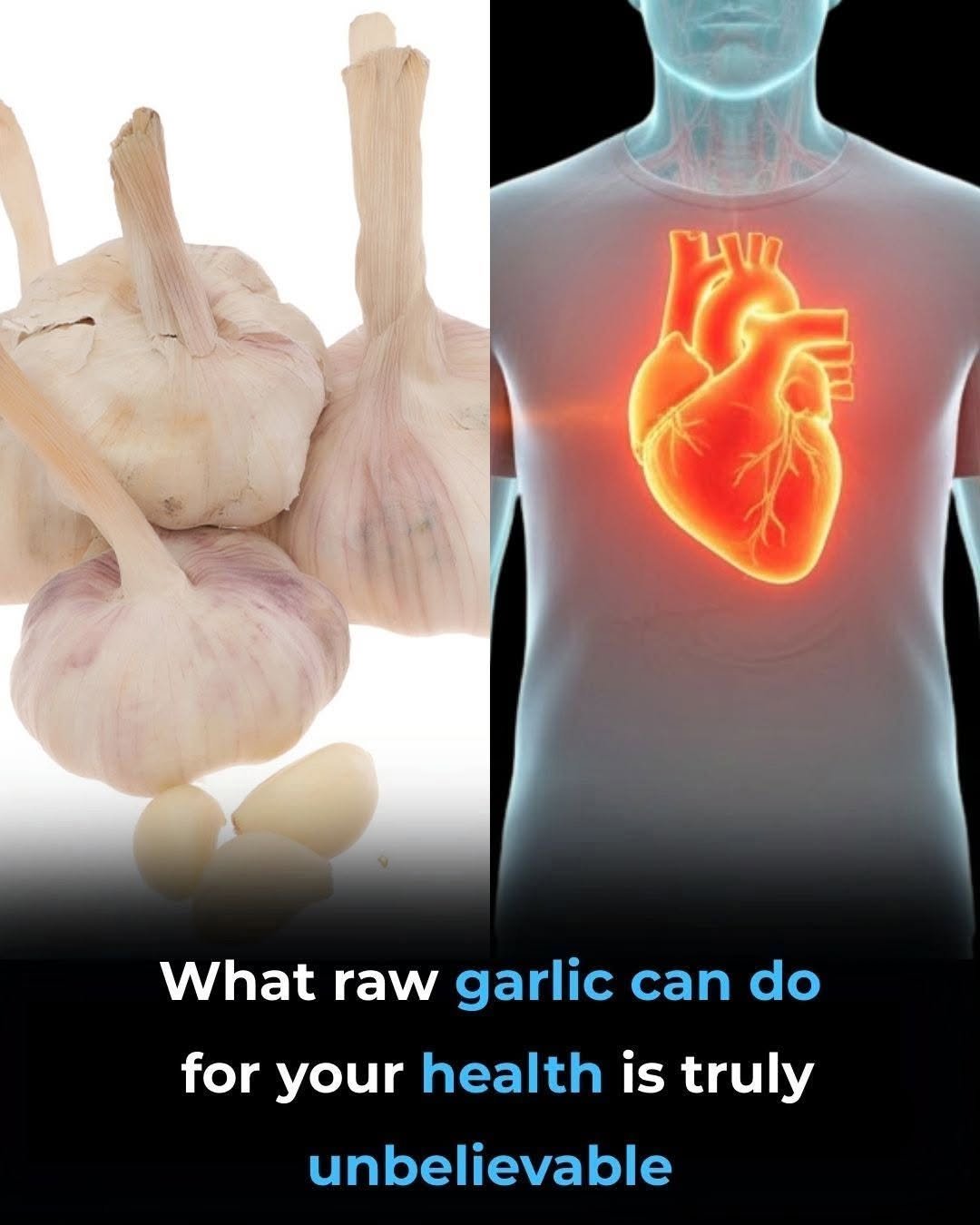
Garlic has been used as both a food and traditional wellness ingredient for centuries, and modern researchers continue to study it because it contains biologically active sulfur compounds and other plant chemicals. One area receiving considerable attention is cardiovascular health, particularly cholesterol and blood pressure. The National Center for Complementary and Integrative Health (NCCIH) reports that garlic supplements may produce small reductions in total and LDL cholesterol among people with elevated cholesterol, while limited evidence suggests they may also modestly lower blood pressure in people with hypertension. More recent research continues to investigate these effects, including a 2025 meta-analysis of 108 randomized trials that reported improvements in several cardiovascular and metabolic markers, although the researchers emphasized the need for further high-quality studies.
Another reason garlic attracts scientific interest is its potential influence on blood sugar, inflammation, and antioxidant activity. Some studies suggest garlic preparations may produce small reductions in blood glucose in people with diabetes, while researchers are also investigating compounds in garlic for their biological effects. However, evidence differs considerably depending on whether researchers study fresh garlic, aged garlic, powdered preparations, or concentrated supplements. NCCIH specifically cautions that research on many popular garlic claims remains limited, and there is not enough evidence to conclude that garlic can prevent or cure major diseases such as cancer or heart disease. This distinction is important because promising nutritional research does not mean that eating large amounts of garlic or taking concentrated supplements will produce dramatic health improvements.
For most people, garlic used in normal food amounts can be a flavorful and nutritious component of a balanced diet. However, concentrated garlic supplements can cause side effects such as heartburn, stomach upset, and unpleasant breath or body odor, and garlic may increase bleeding risk or interact with certain medications. Therefore, garlic should be viewed as a supportive food rather than a replacement for prescribed treatment, a healthy diet, exercise, or medical care. Disclaimer: This article is for general educational and informational purposes only and does not constitute medical diagnosis, treatment, or personalized health advice. Research into garlic’s potential benefits is ongoing, and results vary depending on the preparation, dosage, and individual health circumstances. Some online health claims may be exaggerated, misleading, or unauthenticated, so always verify important information through reliable medical sources and consult a qualified healthcare professional before using concentrated garlic supplements or changing prescribed treatment.
Leave a Reply